Top 5 Natural Monuments in Foresta Demaniale Del Marganai
Best natural monuments in Foresta Demaniale Del Marganai are found within a vast forest spanning 3,650 hectares in Sardinia, Italy. This region features an irregular mountainous landscape with peaks ranging from 200 to 1,000 meters in altitude, covered by holm oak forests and Mediterranean scrub. The area is characterized by diverse geological formations, including significant karst caves and ancient quarries. It offers a rich tapestry of natural and historical sites for exploration.
Best natural monuments in Foresta Demaniale Del Marganai
…Last updated: June 30, 2026
Su Mannau Cave
Highlight • Cave
Translated by Google •
Tip by

Roman Quarry I
Highlight • Historical Site
Translated by Google •
Tip by

Sign up now to discover places like this
Get recommendations on the best single tracks, peaks, & plenty of other exciting outdoor places.
Sign up for free
Ancient Cork Oak (Quercus suber)
Highlight • Natural Monument
Translated by Google •
Tip by
Su Pubusionus Springs Park
Highlight • Natural Monument
Translated by Google •
Tip by

Start today with a free account
Your next adventure awaits.
Login or Signup
Popular around Foresta Demaniale Del Marganai
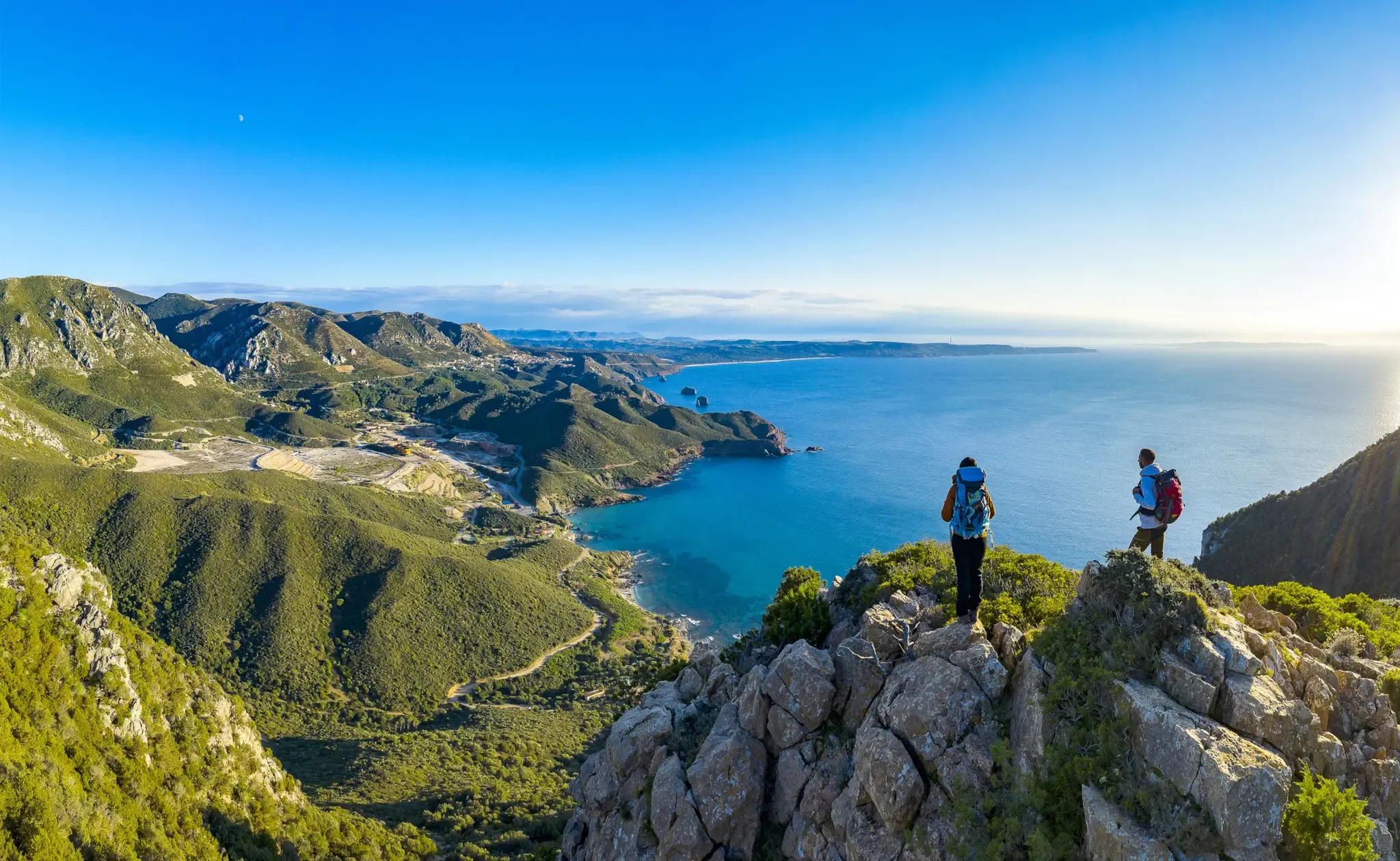
Cammino Minerario di Santa Barbara – memories of ancient Sardinia
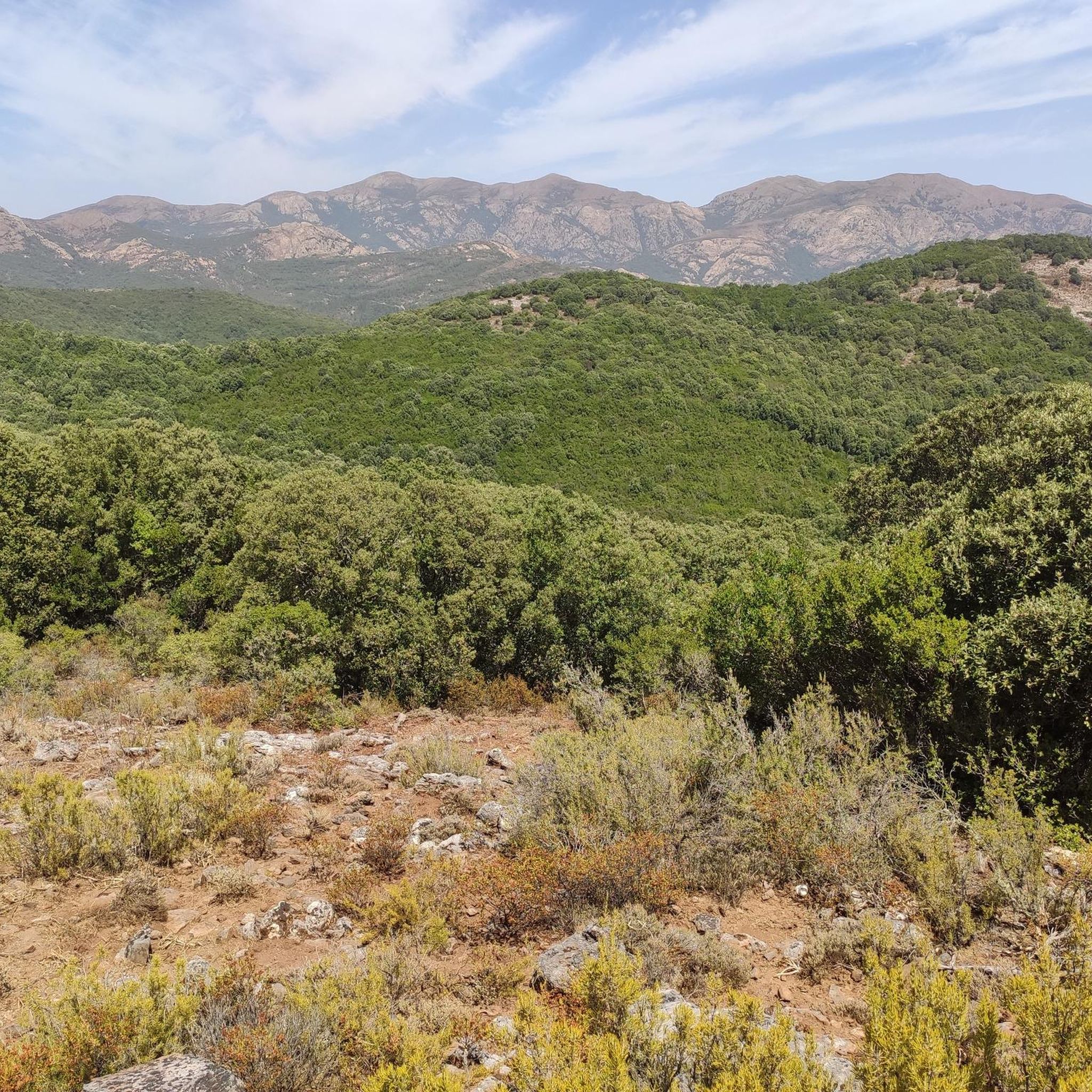
Hiking in Foresta Demaniale Del Marganai
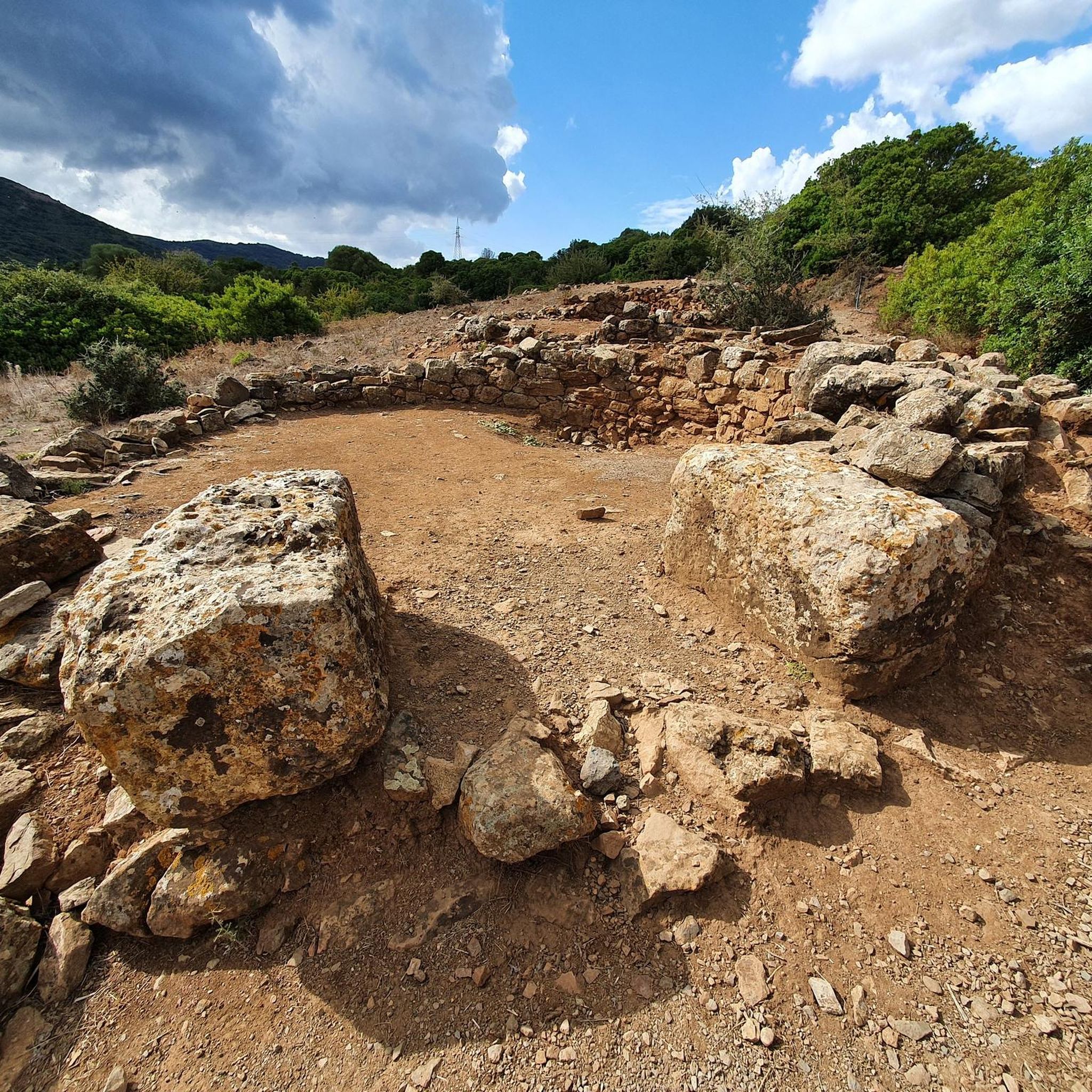
MTB Trails in Foresta Demaniale Del Marganai
Cycling in Foresta Demaniale Del Marganai
Running Trails in Foresta Demaniale Del Marganai
Road Cycling Routes in Foresta Demaniale Del Marganai
Gravel biking in Foresta Demaniale Del Marganai
Other adventures in Foresta Demaniale Del Marganai

Tips from the Community

The old cork oak can also be reached via the hiking trail to the right of the parking lot
0
0

The Su Mannau Caves, near Fluminimaggiore, are a unique feature of their extensive cave system, among the oldest in the world. With its two branches, they are also of great archaeological and speleological interest. The right-hand section consists of an extensive karst complex of Cambrian origin and extends over several levels. Some are higher and already fossilized, others deeper and still active. The right-hand branch was formed by the Rapido River and consists of numerous and varied passages and halls, which are the most interesting sight in the cave. The first hall is of great historical importance, not least because of its connections to the nearby Punic-Roman temple of Antas. A must-see!
0
0

The Su Mannau Cave is one of the most spectacular karst caves in Sardinia. It extends for approximately 8 kilometers, although the accessible section is limited to a 500-meter path through walkways, rooms, ponds, and underground waterfalls. The first part of the visit leads to the archaeological hall, an ancient underground temple used as a water cult in the pre-Nuragic era, connected to the nearby Temple of Antas. Continuing, you enter a living environment, where stalactites, stalagmites, and alabaster flows are reflected in the clear water, home to the Stenasellus nuragicus, a tiny crustacean unique in the world. The cave is open for guided tours year-round: information and hours at https://www.sumannau.it/
0
0

beautiful and majestic centuries-old cork oak
0
0

One of the largest and most beautiful caves in the Iglesiente Mountains with primeval finds.
1
0

Hi, I'll pass this road at the end of June during my bike tour, I saw that you've been there too. Would you recommend going through there or have you tried some other road always towards Arenas? Is the road very destroyed? Thank you very much, have a nice day
0
0

equipped park of the Su Pubusinus Springs at the foot of the Rio de Pubusinus... continuing you go up to the Arenas mines www.viaggiatorelento.com
0
0

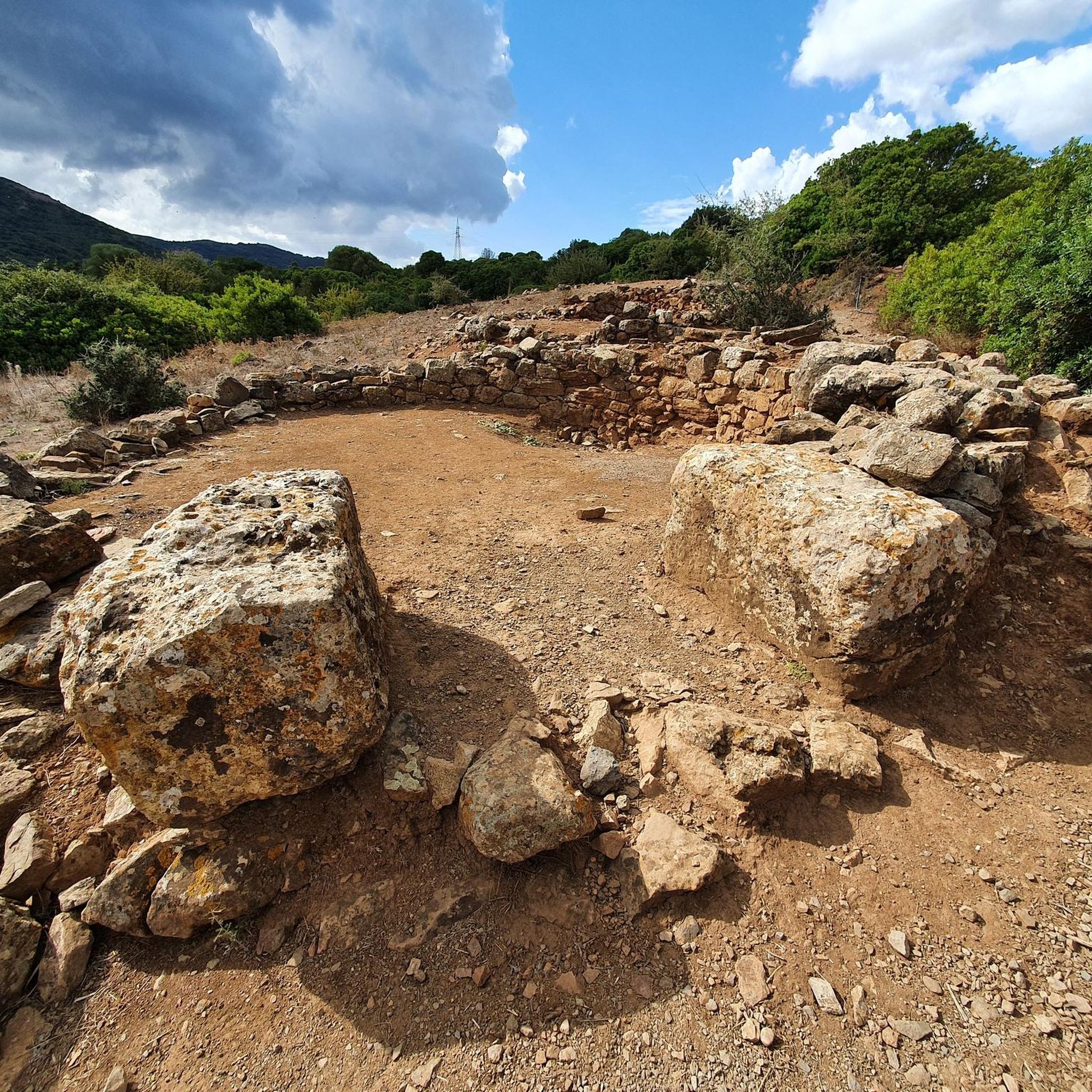
A little further, hidden behind the Roman quarries I and II, there is a third quarry. Nobody else found their way here during our visit, which is a real shame. The information boards explain how different stone extraction was at that time.
0
0
Frequently Asked Questions
What are some highly-rated natural monuments to visit in Foresta Demaniale Del Marganai?
Visitors frequently praise the Su Mannau Cave, known as one of the largest and most beautiful caves in the Iglesiente Mountains, featuring primeval finds and an ancient underground temple. Another popular spot is the Ancient Cork Oak (Quercus suber), where you can observe huge, impressive centuries-old cork oaks.
What unique natural features can I explore in Foresta Demaniale Del Marganai?
The region is rich in diverse natural features. Beyond the impressive caves like Su Mannau, you can find vast holm oak forests, dense Mediterranean scrub, and various streams like Sarmentus, Sa Duchessa, and Oridda. The area's irregular mountainous landscape, with peaks up to 1,000 meters, also offers stunning geological formations and diverse ecosystems.
Are there any significant geological formations in the area?
Yes, Foresta Demaniale Del Marganai is characterized by significant karst caves, such as the extensive Su Mannau Cave. The area also features historical sites like Roman Quarry I, where the cutting lines used to mine limestone blocks are still clearly visible, showcasing ancient human interaction with the geological landscape.
Are there historical sites near the natural monuments?
Absolutely. Close to the natural monuments, you can explore the Roman Quarry I, where limestone was extracted for ancient constructions. The Su Mannau Cave itself contains an archaeological hall, an ancient underground temple used as a water cult in the pre-Nuragic era, with connections to the nearby Antas Nuragic Village.
What kind of outdoor activities can I do around the natural monuments?
The Foresta Demaniale Del Marganai offers a variety of outdoor activities. You can find numerous hiking trails, from easy walks to more challenging routes. Cycling is also popular, with options for touring bicycles. For those who enjoy running, there are designated running trails. You can find more details on specific routes in the easy hikes, cycling, and running guides for the region.
Are there family-friendly natural monuments or activities?
Yes, several natural monuments are suitable for families. The Ancient Cork Oak (Quercus suber) offers an easy and impressive natural sight. The Su Mannau Cave also offers guided tours through its accessible sections, which can be a fascinating experience for families. Additionally, there are easy hiking trails available, such as the 'Ancient Roman Road – Antas Nuragic Village loop' or the 'San Giovanni Cave Trail', which are great for family walks.
What is the best time to visit Foresta Demaniale Del Marganai?
The Foresta Demaniale Del Marganai can be enjoyed year-round, but spring and autumn generally offer the most pleasant weather for outdoor activities like hiking and cycling, with milder temperatures and lush landscapes. Summer can be warm, but the forest provides shade, and caves offer a cool escape. Winter is also an option, though some trails might be affected by rain.
What wildlife can I spot in Foresta Demaniale Del Marganai?
The diverse ecosystems of the Foresta Demaniale Del Marganai support a rich fauna. You might encounter wild boars, wild cats, hares, and foxes. The forest is also a habitat for reintroduced Sardinian deer and mouflon. Birdwatchers may be lucky enough to spot peregrine falcons and, more rarely, golden eagles soaring above the peaks.
Is the Grotta di San Giovanni accessible?
The Grotta di San Giovanni is a magnificent natural tunnel. While the road through it has been closed to traffic for safety reasons, it remains a grand natural monument. You can still explore its impressive scale and historical remnants, offering a unique glimpse into geological formations and human presence.
What is the Linasia Botanical Garden and where is it located?
The Linasia Botanical Garden is located within the Marganai forest itself. It is dedicated to preserving and showcasing the immense floristic heritage of the area, meticulously reconstructing significant Sardinian vegetation environments. It's an excellent place to learn about the rich biodiversity and unique plant species endemic to the region.
What is the difficulty level of hiking trails near the natural monuments?
Hiking trails in the Foresta Demaniale Del Marganai vary in difficulty. You can find easy hikes suitable for most fitness levels, such as the 'Ancient Roman Road – Antas Nuragic Village loop'. There are also intermediate and difficult routes available for more experienced hikers, offering challenging terrain and rewarding views.
Are there any natural springs or parks to visit?
Yes, you can visit the Su Pubusionus Springs Park. This equipped park is located at the foot of the Rio de Pubusinus and offers a pleasant natural setting. From there, you can continue to explore the nearby Arenas mines.
Most popular routes in Foresta Demaniale Del Marganai
Most popular attractions in Foresta Demaniale Del Marganai

Get inspired with the komoot mobile app


Explore more
Extend your search for the best caves by checking out these guides of the top ones in Foresta Demaniale Del Marganai:
