Top 4 Natural Monuments around Pinheiro
Best natural monuments around Pinheiro are found in a region characterized by its mountainous terrain and river valleys. This area offers diverse natural landscapes, from crystal-clear rivers to high mountain passes and ancient historical sites. Visitors can explore a variety of natural attractions, including trails, viewpoints, and unique geological formations. The region's natural beauty is complemented by its rich heritage, providing opportunities for both outdoor activities and cultural discovery.
Best natural monuments around Pinheiro
- The most popular natural monuments is…
Last updated: October 16, 2026
Path along the Bestança
Highlight (Segment) • Trail
Translated by Google •
Tip by

Portas de Montemuro
Highlight • Mountain Pass
Translated by Google •
Tip by
Sign up now to discover places like this
Get recommendations on the best single tracks, peaks, & plenty of other exciting outdoor places.
São Macário Climb
Highlight (Segment) • Climb
Tip by

Menhir of Marco da Jogada
Highlight • Monument
Translated by Google •
Tip by
Panoramic view of the Covas do Monte valley
Highlight • Viewpoint
Translated by Google •
Tip by
Sign up for free to discover even more natural monuments around Pinheiro.
Already have an account?
Tips from the Community

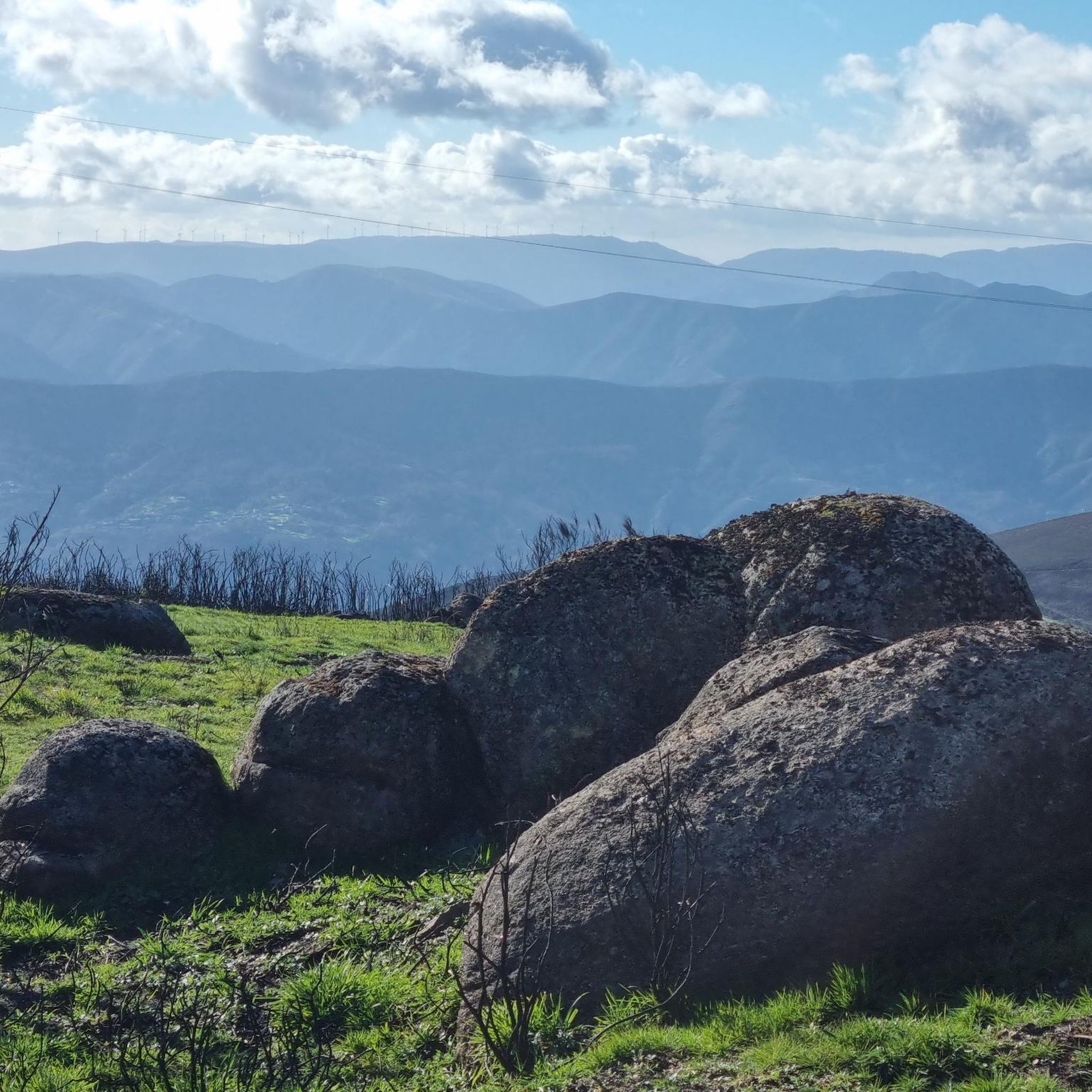
At Portas de Montemuro, the landscape stretches out without limits. Here, tables and benches invite you to take a break and enjoy the view, while the national road 321, popular with cyclists, marks the 1,215 metres of altitude. The highest peak of the Montemuro mountain range, at 1,381 metres, is nearby, to the east. Nearby, the ruins of the Wall of Portas de Montemuro preserve echoes of a distant past. Mentioned in the Inquiries of 1258, they reveal traces of an ancient fortified settlement from the Iron Age, possibly linked to the Castro culture. Later, the site was reused by the Romans and, at the time of the Reconquista, by D. Afonso Henriques, the first king of Portugal.
0
0
On the vast plateaus of Montemuro, time can be seen in stone. Between moss-covered mounds, solitary menhirs and ancient sacred circles, the landscape tells stories that date back to prehistoric times. Near the wind farm, this ancient presence lives on. The Marco da Jogada and the tombs next to the chapel of São Pedro do Campo are just some of the landmarks that unite past and present.
1
0
At Portas de Montemuro, the landscape stretches out without limits. Here, tables and benches invite you to take a break and enjoy the view, while the national road 321, popular with cyclists, marks the 1,215 metres of altitude. The highest peak of the Montemuro mountain range, at 1,381 metres, is nearby, to the east. Nearby, the ruins of the Wall of Portas de Montemuro preserve echoes of a distant past. Mentioned in the Inquiries of 1258, they reveal traces of an ancient fortified settlement from the Iron Age, possibly linked to the Castro culture. Later, the site was reused by the Romans and, at the time of the Reconquista, by D. Afonso Henriques, the first king of Portugal.
1
0
This path descends through the valley of the River Bestança along one of the old roads that lead to the Prado area. The Bestança rises at Portas de Montemuro and flows into the Douro: 13.5 kilometres of crystal-clear water, it is one of the purest rivers in Europe. Its ecological balance sustains otters, trout and genets, while since ancient times, mills scattered throughout the valley have used its waters to grind cereals, especially corn, preserving a valuable rural heritage.
1
0
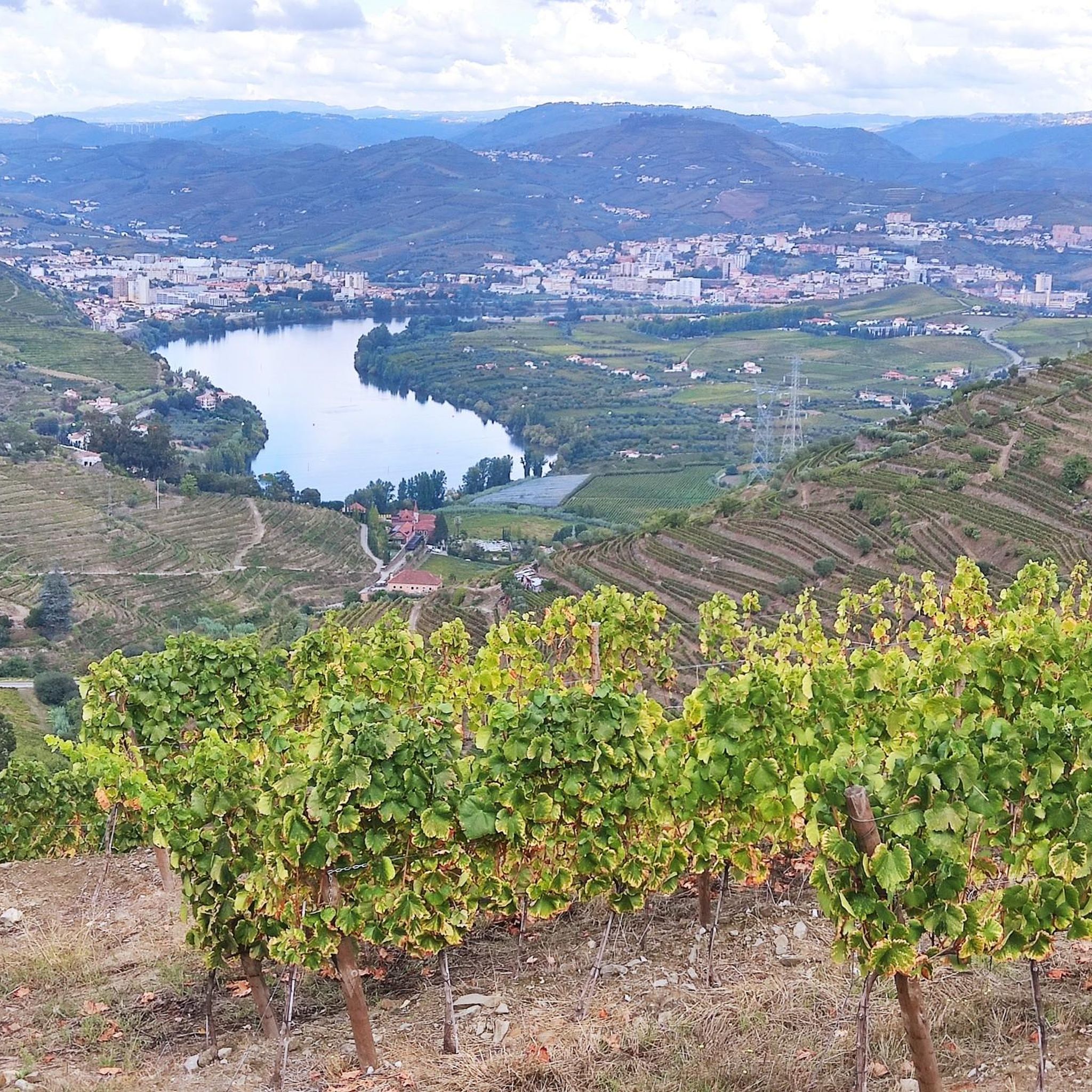
From here, the views over the lush green valley of the Deilão river, a tributary of the Paiva river, are simply breathtaking. The steep slopes that embrace the Drave and Covas do Monte valleys offer some of the most impressive panoramas in the region.
1
0
On the imposing plateaus of Montemuro, the landscape bears traces of human presence over the centuries. Here, among the first stone constructions in the region, there are prehistoric tombs, solitary menhirs and ancient sacred sites, such as cromlechs. Here, near the wind farm, these traces of the past still echo. The Marco da Jogada and several mounds near the chapel of São Pedro do Campo are testament to this heritage. Interestingly, the sacred remains in these heights, where modern chapels stand not far from these ancient necropolises.
1
0


The São Macário climb is 9 km long. You gain 820 heightmeters, so the average gradient is 9 %. The climb is ranked 1600 in the world. The maximum slope is 20%.
0
0
Frequently Asked Questions
What are the most popular natural monuments to visit around Pinheiro?
Among the most appreciated natural monuments are the Path along the Bestança, known for its crystal-clear river and diverse wildlife, and Portas de Montemuro, a mountain pass offering expansive views at 1,215 meters altitude. Visitors also enjoy the challenging São Macário Climb for its panoramic vistas.
What kind of natural features can I expect to see around Pinheiro?
The region around Pinheiro is characterized by diverse natural landscapes, including deep river valleys like the Bestança, high mountain passes such as Portas de Montemuro, and impressive viewpoints offering sweeping panoramas, like the Panoramic view of the Covas do Monte valley. You'll find lush green valleys, steep slopes, and ancient geological formations.
Are there historical or cultural sites integrated with the natural monuments?
Yes, several natural monuments also hold historical significance. For instance, Portas de Montemuro features ruins of an ancient fortified settlement dating back to the Iron Age. Additionally, the Menhir of Marco da Jogada is a prehistoric stone monument, offering a glimpse into the region's ancient past.
What outdoor activities can I do near these natural monuments?
The area is excellent for various outdoor activities. You can explore challenging MTB trails, embark on scenic road cycling routes, or enjoy touring bicycle rides. The Path along the Bestança is particularly popular for walking and enjoying nature.
Are there any family-friendly natural monuments around Pinheiro?
While specific family-friendly designations aren't always available, areas like the Path along the Bestança offer relatively accessible trails along the river, which can be enjoyable for families. The picnic areas and views at Portas de Montemuro also provide a pleasant stop for all ages.
What is the best time to visit the natural monuments around Pinheiro?
To best enjoy outdoor activities and the natural beauty, visiting during the dry season is generally recommended for better access to trails and clearer views. This allows for comfortable exploration of the mountainous terrain and river valleys.
What do visitors enjoy most about the natural monuments in this region?
Visitors frequently praise the breathtaking panoramic views from spots like Portas de Montemuro and the Covas do Monte valley. The purity of the Bestança river and the tranquility of its valley are also highly appreciated, along with the sense of history found at sites like the Menhir of Marco da Jogada.
Are there challenging routes for experienced hikers or cyclists?
Yes, the region offers challenging options. The São Macário Climb is a significant challenge for cyclists, with a 9 km ascent and an average gradient of 9%. For mountain biking, routes like the 'Montemuro e Paiva MTB Center: Black Route' offer difficult terrain. You can find more details on MTB Trails around Pinheiro.
Can I find viewpoints with expansive vistas?
Absolutely. Portas de Montemuro is renowned for its limitless landscape views, and the Panoramic view of the Covas do Monte valley provides breathtaking vistas over the lush green valley of the Deilão river.
What kind of wildlife can be observed along the Bestança River?
The Bestança River, known as one of Europe's purest, supports a diverse ecosystem. Along the Path along the Bestança, you might spot otters, various species of trout, and genets, thriving in its ecologically balanced environment.
Are there any ancient stone structures or archaeological sites to explore?
Yes, the region is rich in ancient history. The Menhir of Marco da Jogada is a notable prehistoric monument. Additionally, near Portas de Montemuro, you can find ruins of an ancient fortified settlement, possibly linked to the Castro culture, with traces of Roman and medieval reuse.
Most popular routes around Pinheiro
Most popular attractions around Pinheiro

Get inspired with the komoot mobile app


Explore more
Extend your search for the best caves by checking out these guides of the top ones around Pinheiro:
