Top 15 Natural Monuments around São Jorge
Natural monuments around São Jorge showcase a dramatic landscape shaped by volcanic activity and the Atlantic Ocean. The island is characterized by its unique "fajãs," small coastal plains nestled between towering cliffs, recognized as a UNESCO World Biosphere Reserve since 2016. These natural features offer a blend of geological marvels, serene natural pools, and panoramic views. Visitors can explore diverse natural landmarks, from volcanic peaks to coastal formations, providing varied experiences for outdoor enthusiasts.
Top natural monuments around São Jorge
…Last updated: June 30, 2026
PR7 Soajo Mills Trail
Highlight • Trail
Translated by Google •
Tip by

Poço da Gola
Highlight (Segment) • Natural Monument
Translated by Google •
Tip by

Sign up now to discover places like this
Get recommendations on the best single tracks, peaks, & plenty of other exciting outdoor places.
Sign up for free
Mezio Swing
Highlight • Structure
Translated by Google •
Tip by

Natural swimming pool in Peneda-Gerês National Park
Highlight • Lake
Translated by Google •
Tip by

Vez River
Highlight • River
Translated by Google •
Tip by

Sign up for free to discover even more natural monuments around São Jorge.
Sign up for free
Already have an account?
Start today with a free account
Your next adventure awaits.
Login or Signup
Tips from the Community

El PR-7 AVV – Caminhos do Pão e da Fé es un recorrido circular sesignizado que parte partir desde Soajo y se adentra en el Parque Nacional Peneda-Gerês (Portugal), combina paisajes agrícolas, patrimonio religioso e historia rural.
1
0

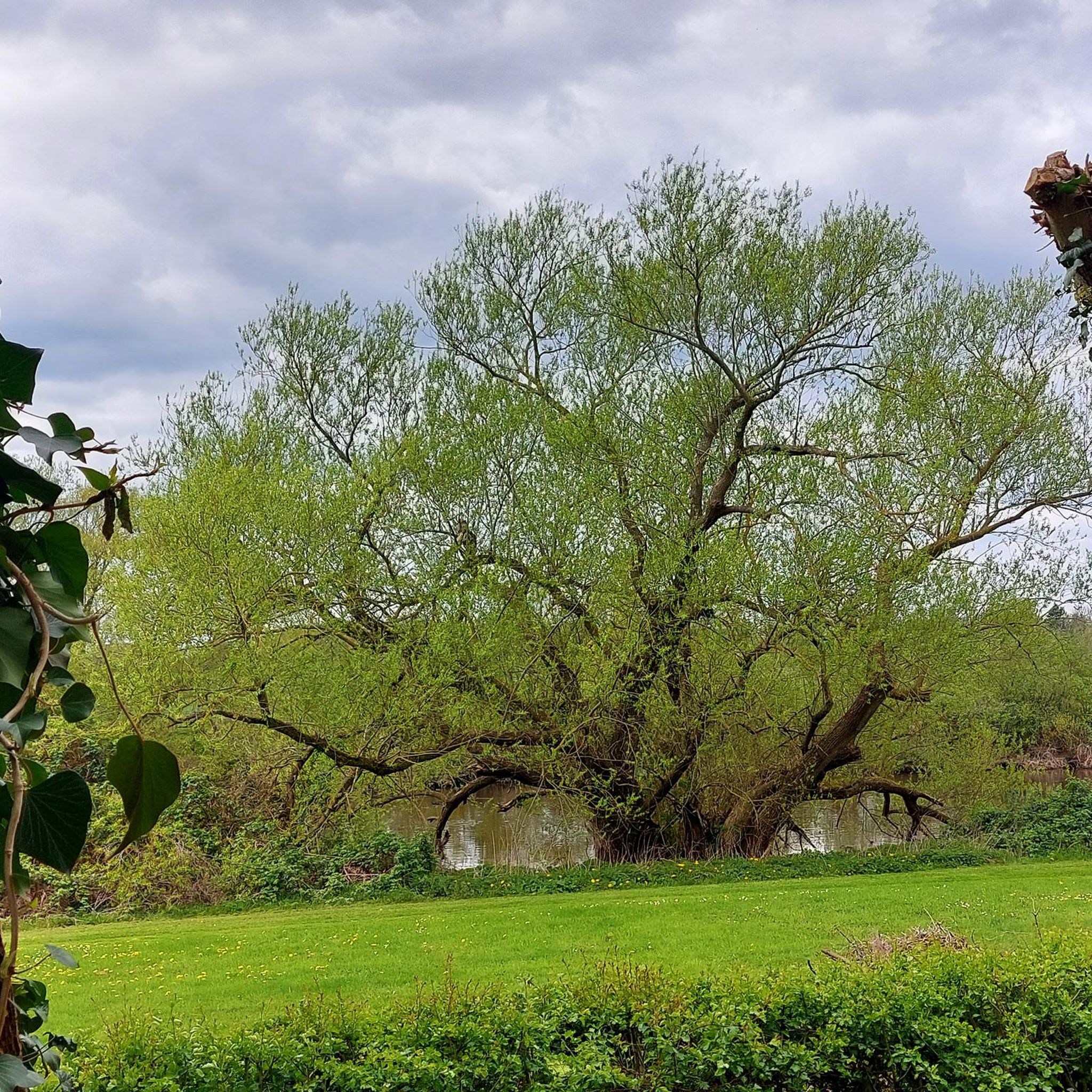
It's almost like a natural outdoor pool. The water is veeeery cold, though. But it's crystal clear.
0
0

The Mezio Swing, one of the must-see points of the Serra do Soajo and the Peneda-Gerês National Park, considered a UNESCO World Biosphere Reserve, allows you to enjoy a beautiful 360° landscape, ideal for enjoying a sunset in the wind.
0
0

the river is impeccable, it has very clean water, shade and river beaches
2
0

I recommend bringing a swimsuit. There are areas that deserve a dip ☺️
2
0
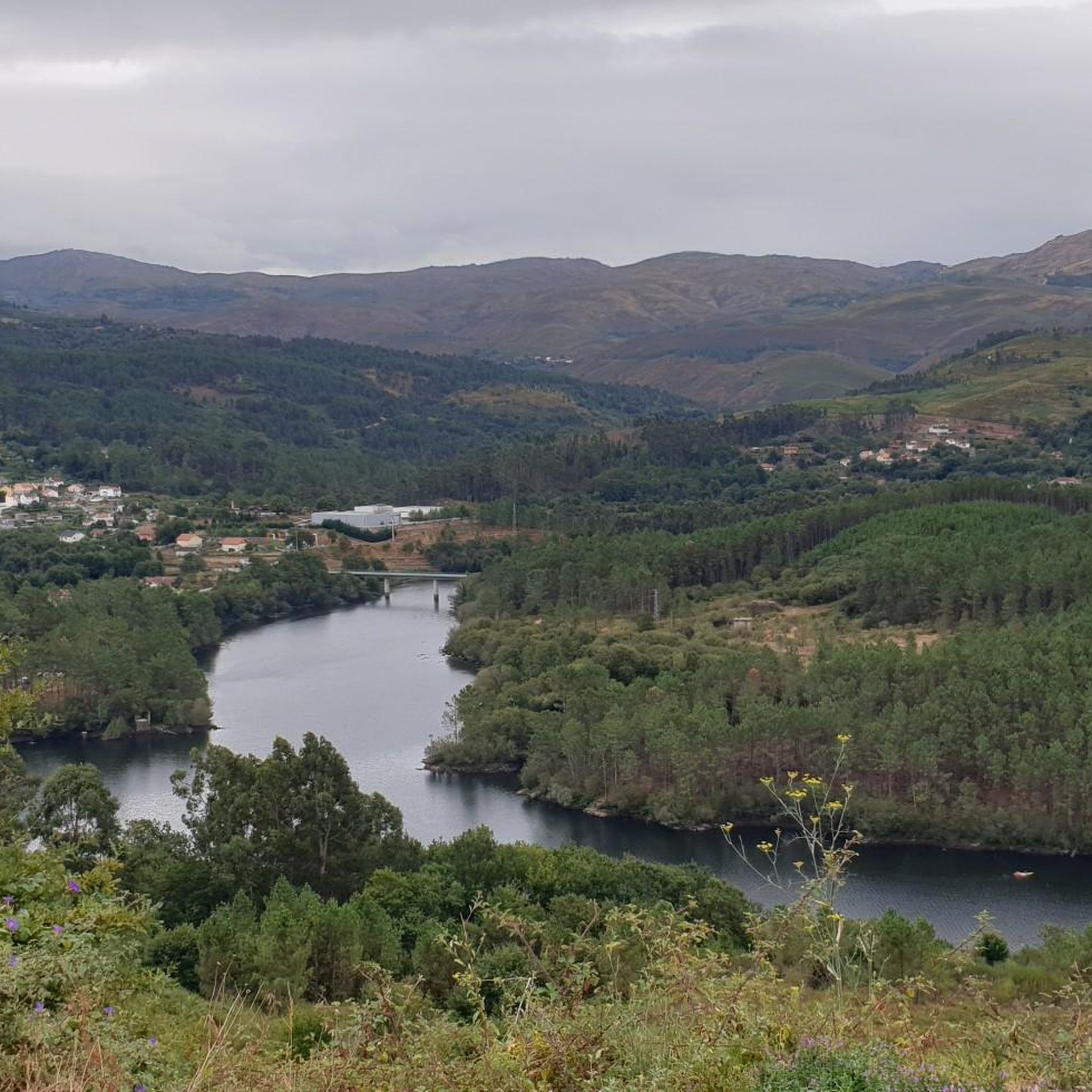
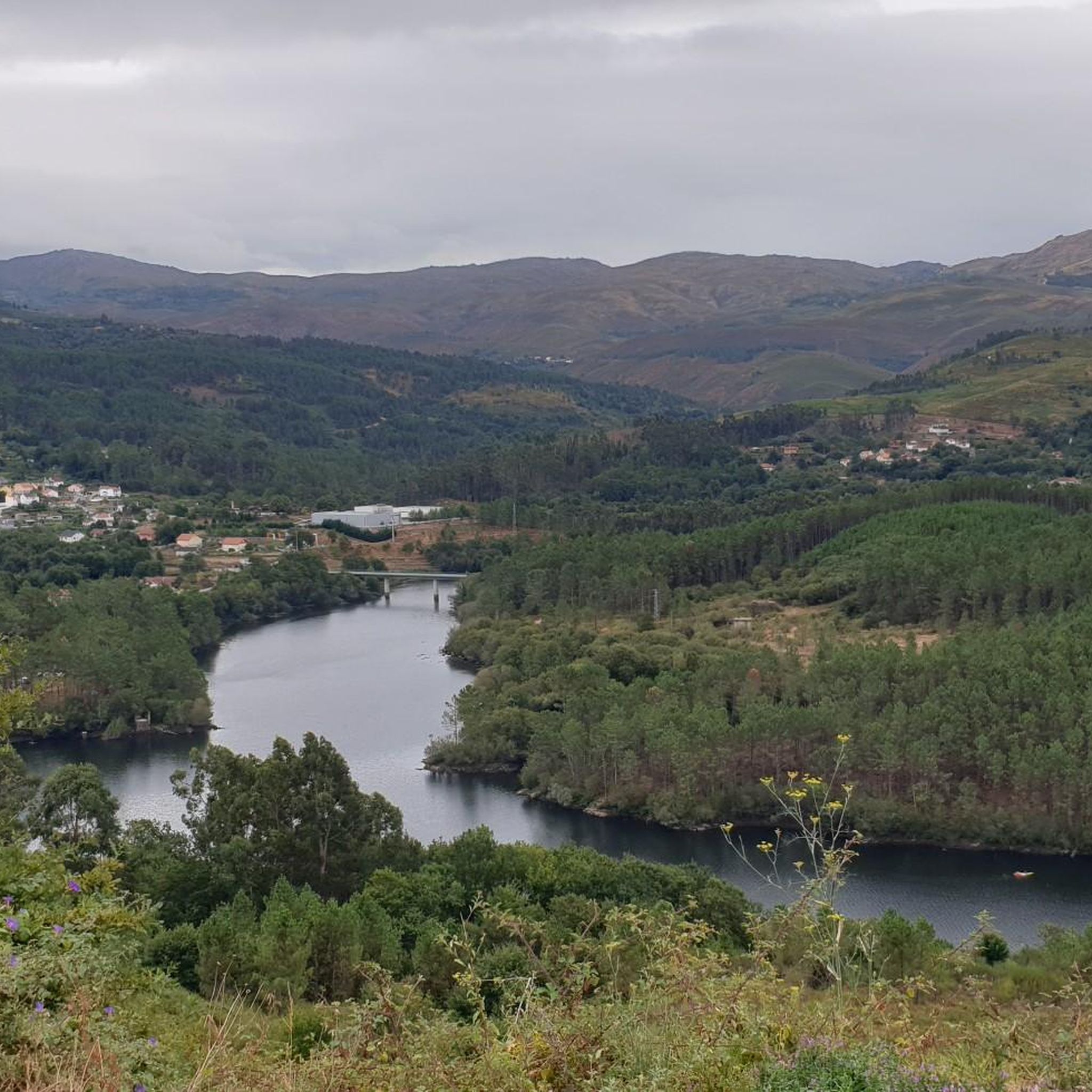
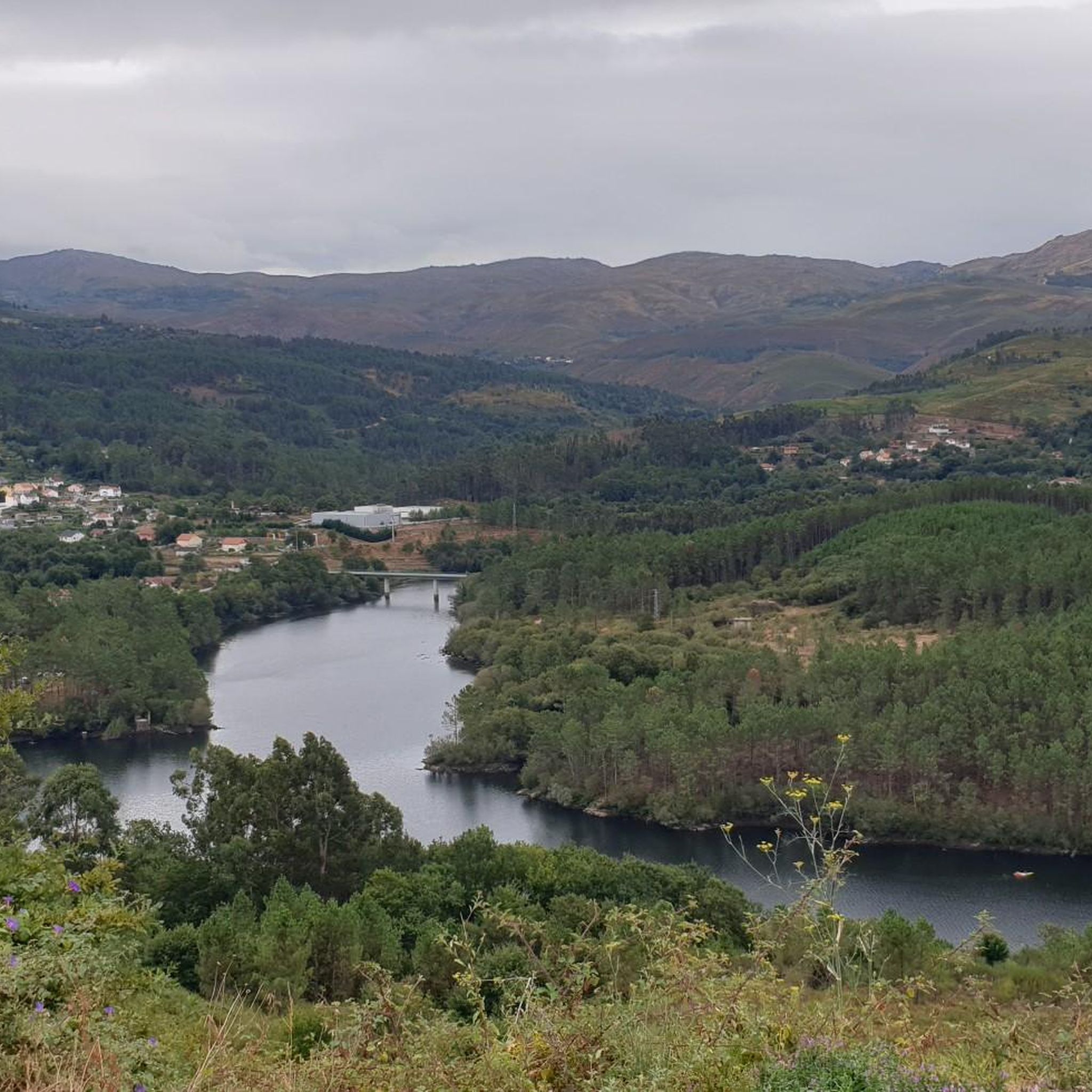
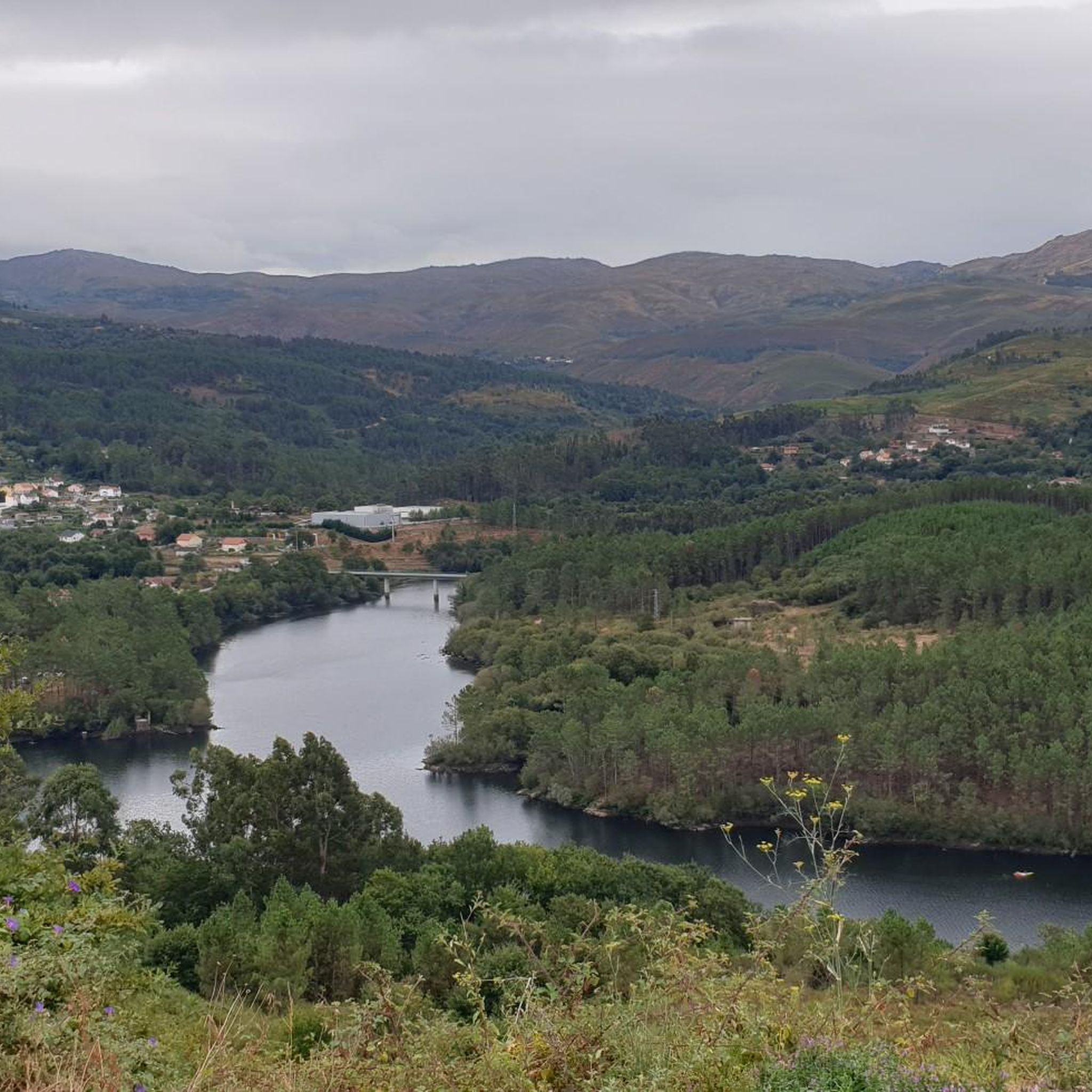
The Vez River is a mountain river located at the foot of the Serra do Soajo in the Peneda-Gerês National Park, Portugal. This river flows through the land of Arcos de Valdevez.
2
0

The indications stuck neither with the circuit, nor with the photos. Very complicated to follow a path with the map. And this is not the first time. I uninstall.
0
3

Very nice hiking trail to and from Lindoso
1
1
Frequently Asked Questions
What unique natural features define São Jorge's landscape?
São Jorge is famously known as the 'Island of Fajãs' due to its dramatic landscape shaped by volcanic activity and the Atlantic. Its most distinctive features are the fajãs – small, flat coastal plains nestled between towering cliffs and the ocean. These unique geological formations, along with volcanic peaks and serene natural pools, contribute to the island's status as a UNESCO World Biosphere Reserve.
Are there any natural swimming spots on São Jorge?
Yes, São Jorge offers several beautiful natural swimming spots. One of the most celebrated is Poça Simão Dias, located in Fajã do Ouvidor. This U-shaped pool is carved into volcanic rock, offering crystal-clear waters ideal for swimming and snorkeling in a tranquil setting. The surrounding basalt cliffs create a stunning visual contrast with the blue water.
What is the highest point on São Jorge, and what can I see from there?
The highest point on São Jorge is Pico da Esperança, standing at 1053 meters. From its summit, you can enjoy unparalleled panoramic views of São Jorge Island and, on clear days, the surrounding central group islands, including Pico, Faial, Graciosa, and Terceira. The area itself is characterized by various volcanic cones, some with small lagoons, and is home to diverse endemic flora and fauna.
What is Fajã da Caldeira de Santo Cristo known for?
Fajã da Caldeira de Santo Cristo is a protected nature reserve renowned for its pristine rural landscape, where old stone houses blend with nature. It features a unique coastal lagoon, the only place in the Azores where clams (Ruditapes decussatus) can be found, making them a local delicacy. The area is also famous for its powerful waves, attracting surfers and bodyboarders, and waterfalls that cascade into the lagoon.
What kind of wildlife can be found in São Jorge's natural monuments?
São Jorge's natural monuments are rich in biodiversity. Areas like Pico da Esperança are home to diverse endemic flora and fauna, including the rare European orchid Platanthera azorica. Fajã da Caldeira de Santo Cristo is a sanctuary for biodiversity, and the pristine waters of Poça Simão Dias allow visitors to explore marine life in a natural setting.
Are there hiking opportunities to reach these natural monuments?
Absolutely. Hiking is a popular way to experience São Jorge's natural monuments. For instance, reaching Fajã da Caldeira de Santo Cristo often involves an 8km hike, which is part of the adventure, allowing for immersion in the island's raw beauty. The hike to the summit of Pico da Esperança is also highly rewarding, showcasing the island's volcanic origins and rich biodiversity. You can find many trails around the island, including those listed in the Running Trails around São Jorge guide.
What outdoor activities can I do near São Jorge's natural monuments?
Beyond exploring the natural monuments themselves, São Jorge offers a variety of outdoor activities. Hiking is prominent, with trails leading to many natural wonders. The island also provides excellent opportunities for cycling, with routes like those found in the Road Cycling Routes around São Jorge guide and the Cycling around São Jorge guide. Swimming and snorkeling are popular in natural pools like Poça Simão Dias, and surfing is a draw at Fajã da Caldeira de Santo Cristo.
What is the best time to visit São Jorge for exploring its natural monuments?
The Azores generally have a mild climate year-round, but for exploring natural monuments and outdoor activities, the warmer, drier months from late spring to early autumn (May to October) are often preferred. This period offers more stable weather conditions, making hiking, swimming, and enjoying the panoramic views more comfortable. However, the island's lushness is particularly vibrant in spring.
Are there any visitor centers or interpretive facilities at São Jorge's natural monuments?
Yes, for a deeper understanding of the region, Fajã da Caldeira de Santo Cristo has an Interpretation Center. This center provides valuable insights into the geological, biological, and human history of the fajãs, enhancing the visitor experience and offering context to the natural beauty you're witnessing.
What makes the fajãs of São Jorge so special?
The fajãs are unique coastal plains formed by landslides or lava flows at the base of steep cliffs. They are special because they create isolated, fertile microclimates with distinct ecosystems and traditional ways of life. Their dramatic formation, ecological significance, and cultural heritage have led to São Jorge's recognition as a UNESCO World Biosphere Reserve, highlighting their global importance.
What do visitors enjoy most about São Jorge's natural monuments?
Visitors frequently praise the sense of peace and tranquility found in places like Fajã da Caldeira de Santo Cristo due to its isolation. The striking contrast between black basalt and blue water at Poça Simão Dias offers incredible photo opportunities, while the unparalleled panoramic views from Pico da Esperança are often described as awe-inspiring. The authentic wild swimming experiences and the immersion in the island's raw beauty are also highly valued.
Most popular attractions around São Jorge

Get inspired with the komoot mobile app


Explore more
Extend your search for the best caves by checking out these guides of the top ones around São Jorge:
