Top 17 Natural Monuments around Setúbal (São Julião)
Best natural monuments around Setúbal (São Julião) are found within a region characterized by diverse landscapes, from the coastal cliffs of Arrábida Natural Park to the wetlands of the Sado Estuary Natural Reserve. This area of Portugal, encompassing the parish of São Julião, offers a blend of mountain and sea environments. The region's natural features include striking limestone formations, lush Mediterranean vegetation, and significant estuaries. Visitors can explore protected areas that preserve unique ecosystems and offer varied outdoor experiences.
Best…
Last updated: June 30, 2026
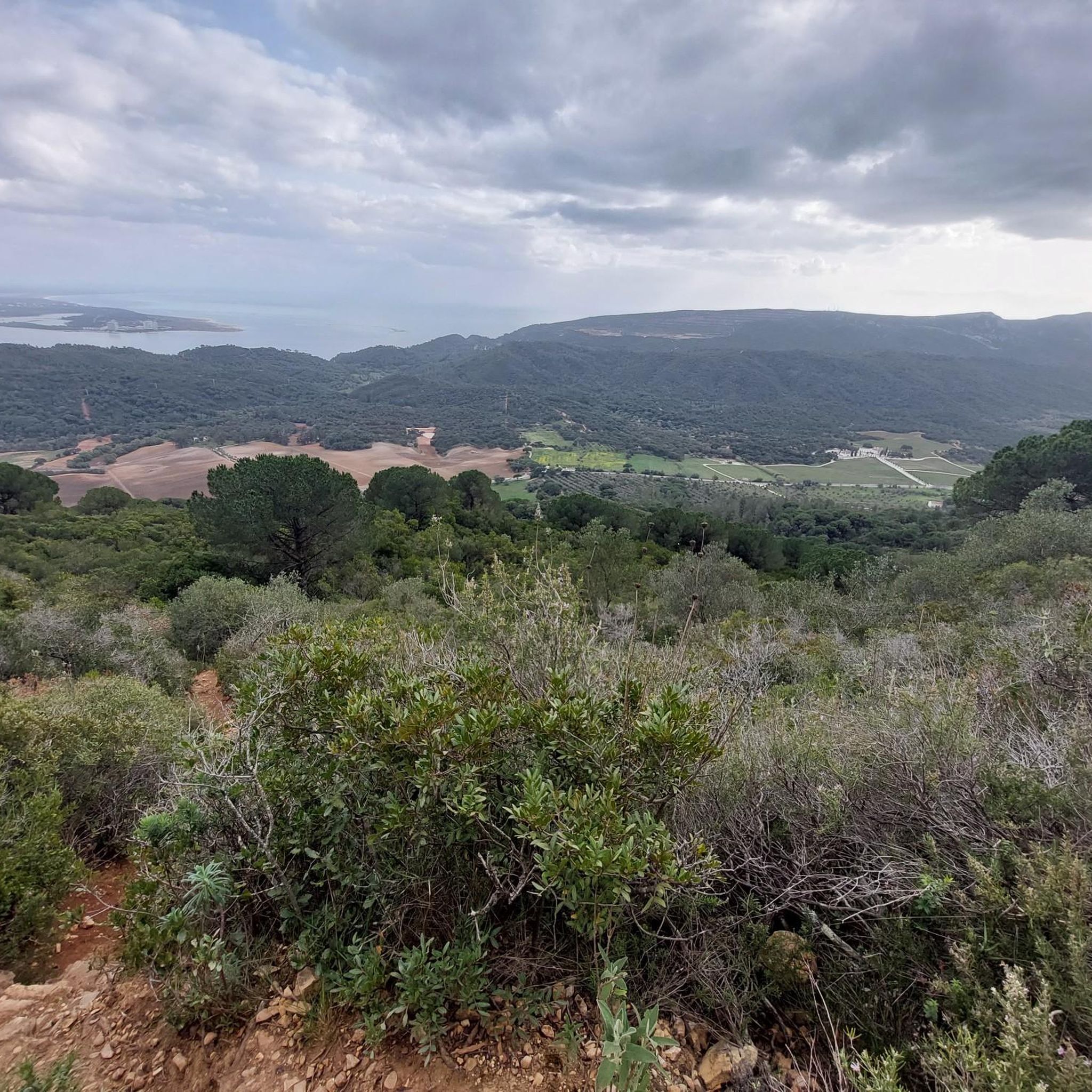
Panoramic View over the Arrábida
Highlight • Viewpoint
Translated by Google •
Tip by

São Luís Lookout
Highlight • Viewpoint
Tip by

Sign up now to discover places like this
Get recommendations on the best single tracks, peaks, & plenty of other exciting outdoor places.
Sign up for free
Sado Estuary Nature Reserve
Highlight • Natural
Translated by Google •
Tip by

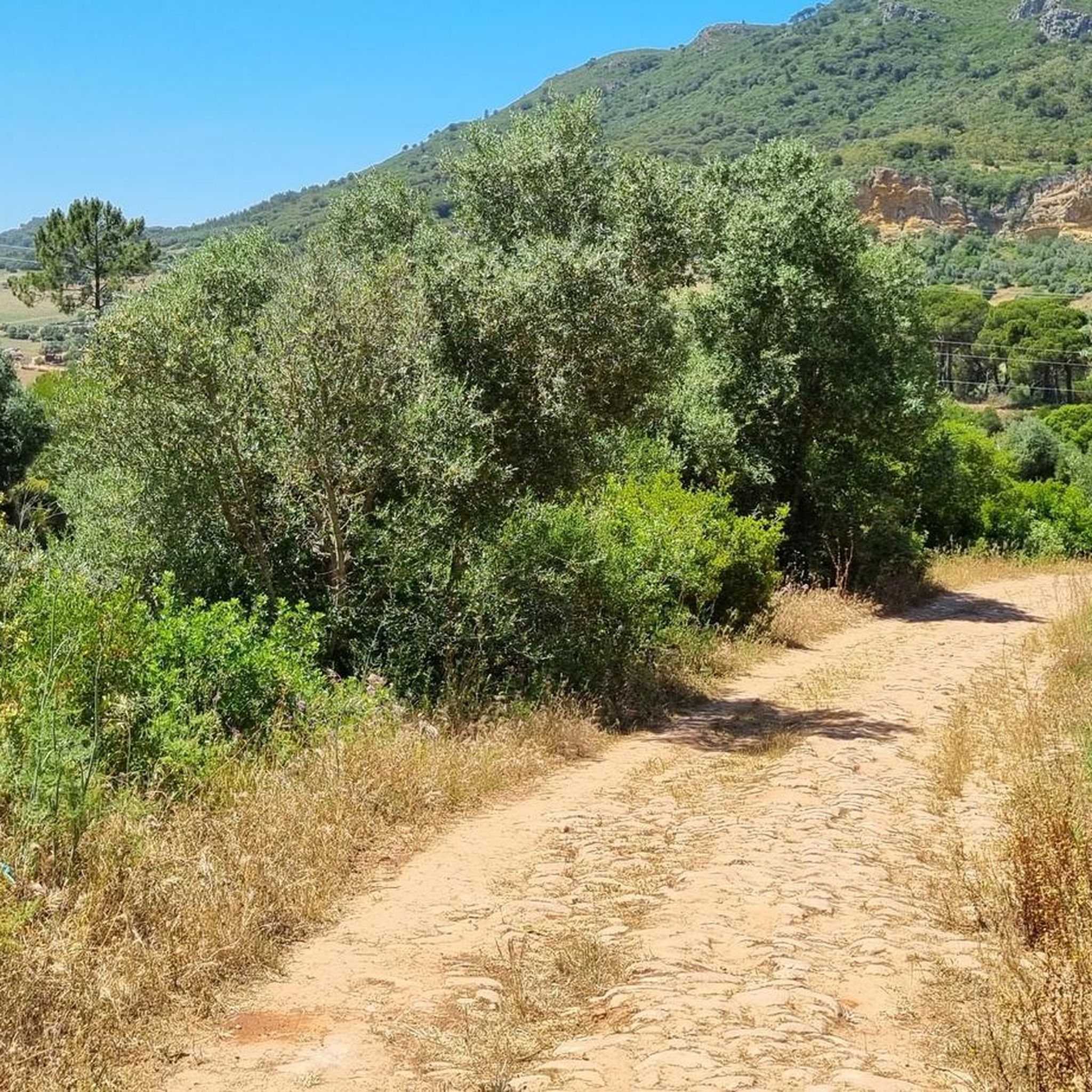
Millenary Olive Trees of Azeitao
Highlight • Natural Monument
Translated by Google •
Tip by

Troia Caldeira Pine Forest
Highlight • Forest
Translated by Google •
Tip by

Sign up for free to discover even more natural monuments around Setúbal (São Julião).
Sign up for free
Already have an account?
Start today with a free account
Your next adventure awaits.
Login or Signup
Tips from the Community


Added to the collection: https://www.komoot.com/de-de/collection/3600632/-naturdenkmaeler-besondere-baeume-und-weitere-schaetze-der-natur
0
0

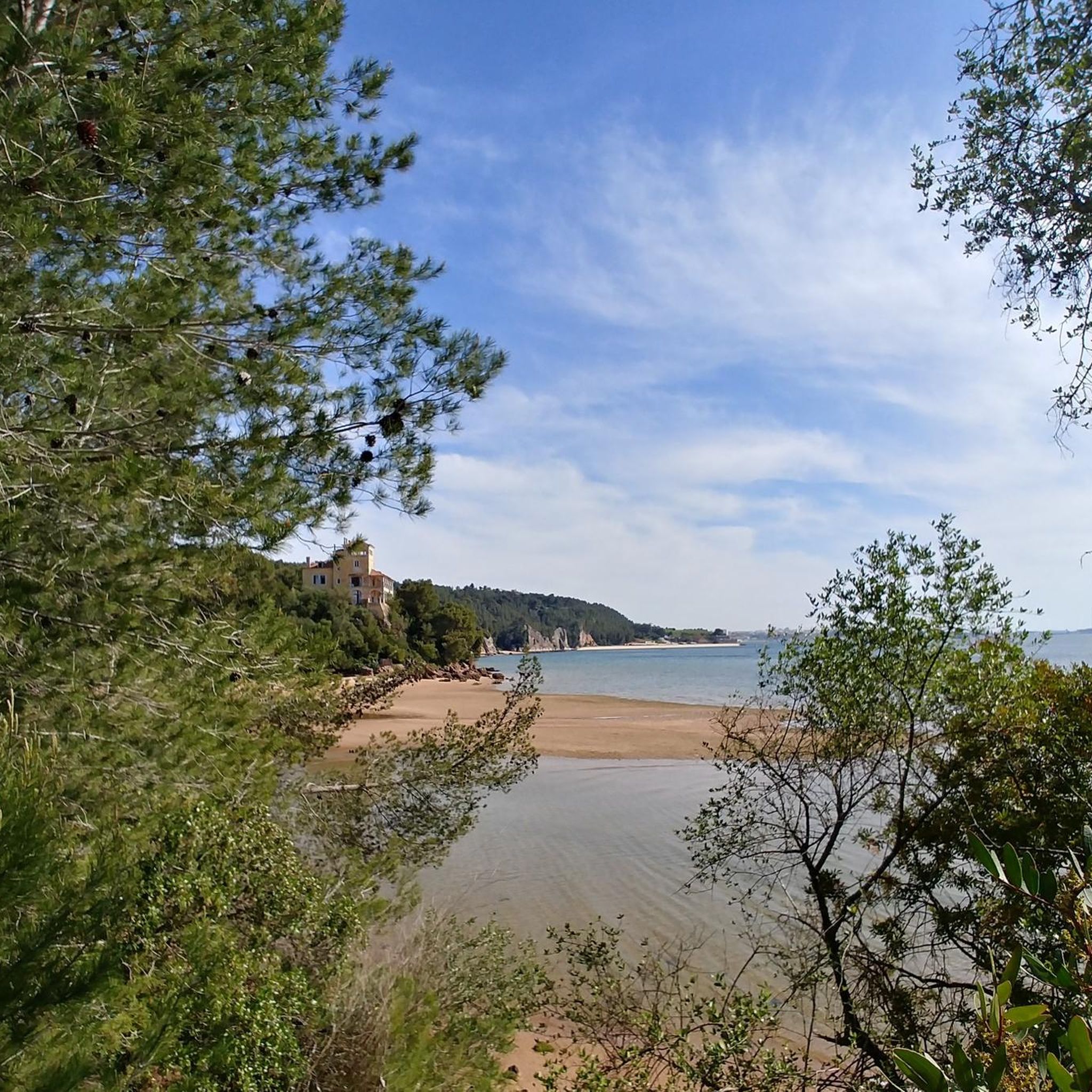
On foot or by bike, Arrábida is always a privilege of nature.👍🇵🇹
0
0

Ancient, magnificent olive trees that are still alive.
2
0

During the tour, you will have the opportunity to discover the origins of Azeitão, a town located in the heart of the Arrábida Natural Park. The name Azeitão, of Arabic origin (azzeittum), refers to the vast olive groves that once covered the region. Its origins date back to the Middle Ages and, over the centuries, agriculture, especially viticulture and olive cultivation, shaped the landscape that still characterises the region today, with farms and small settlements that maintain these traditions. Azeitão gained renown from the 15th century onwards, when it became one of the favourite places of the Portuguese nobility, being shaded by the majestic Serra da Arrábida. The route begins and ends in Vila Nogueira de Azeitão and passes through several historic villages, including Aldeia Rica, Oleiros, Aldeia de Irmãos, Piedade, Portela, São Pedro, Casais da Serra and Picheleiros, always under the imposing presence of the Serra and its traditional paths.
5
0

The hiking trail along the Troy Caldera is relaxing and you can observe numerous water birds. Surrounded by dunes, the Troia Caldera reveals a huge salt marsh area at low tide.
6
2

Olive trees over 2000 years old!
22
1

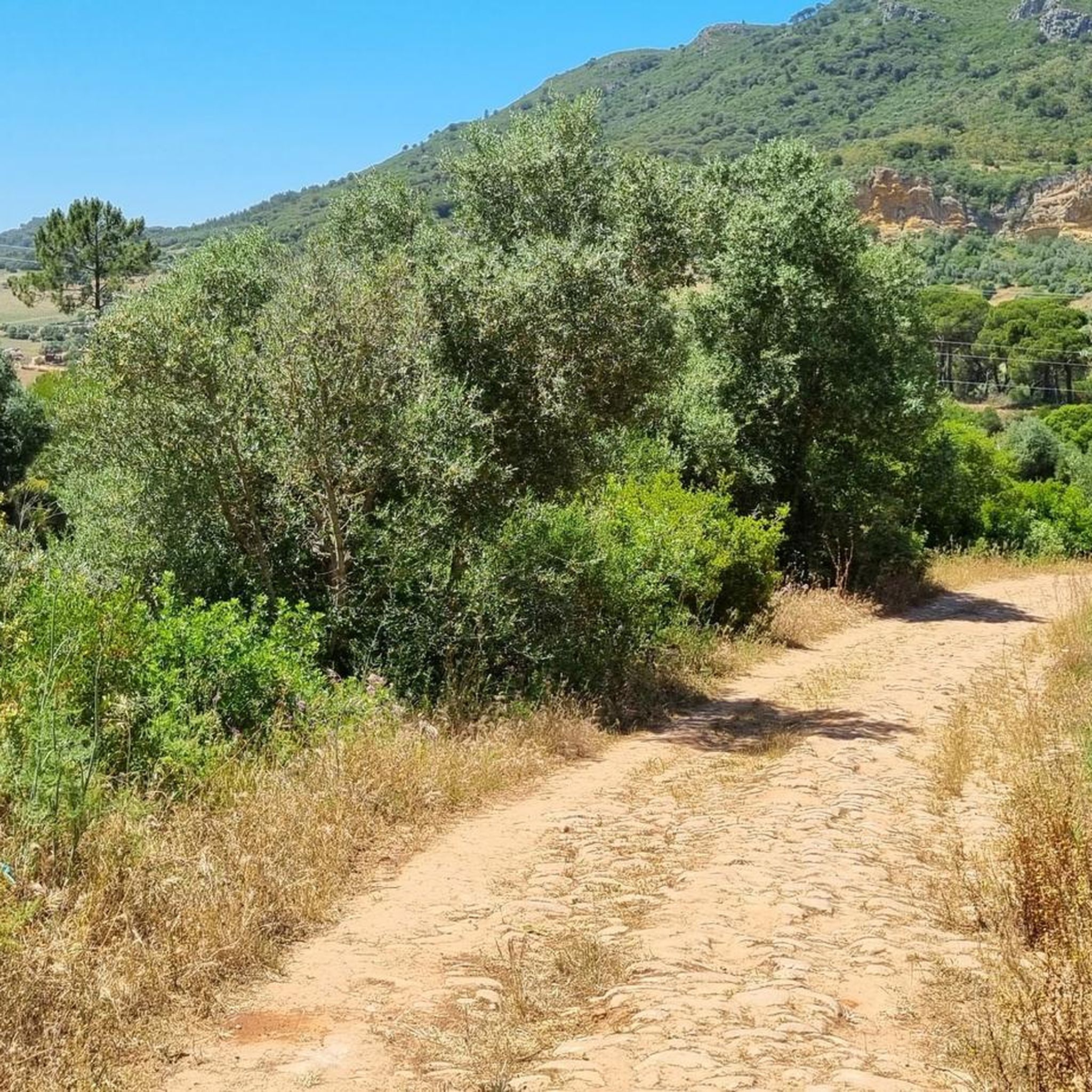
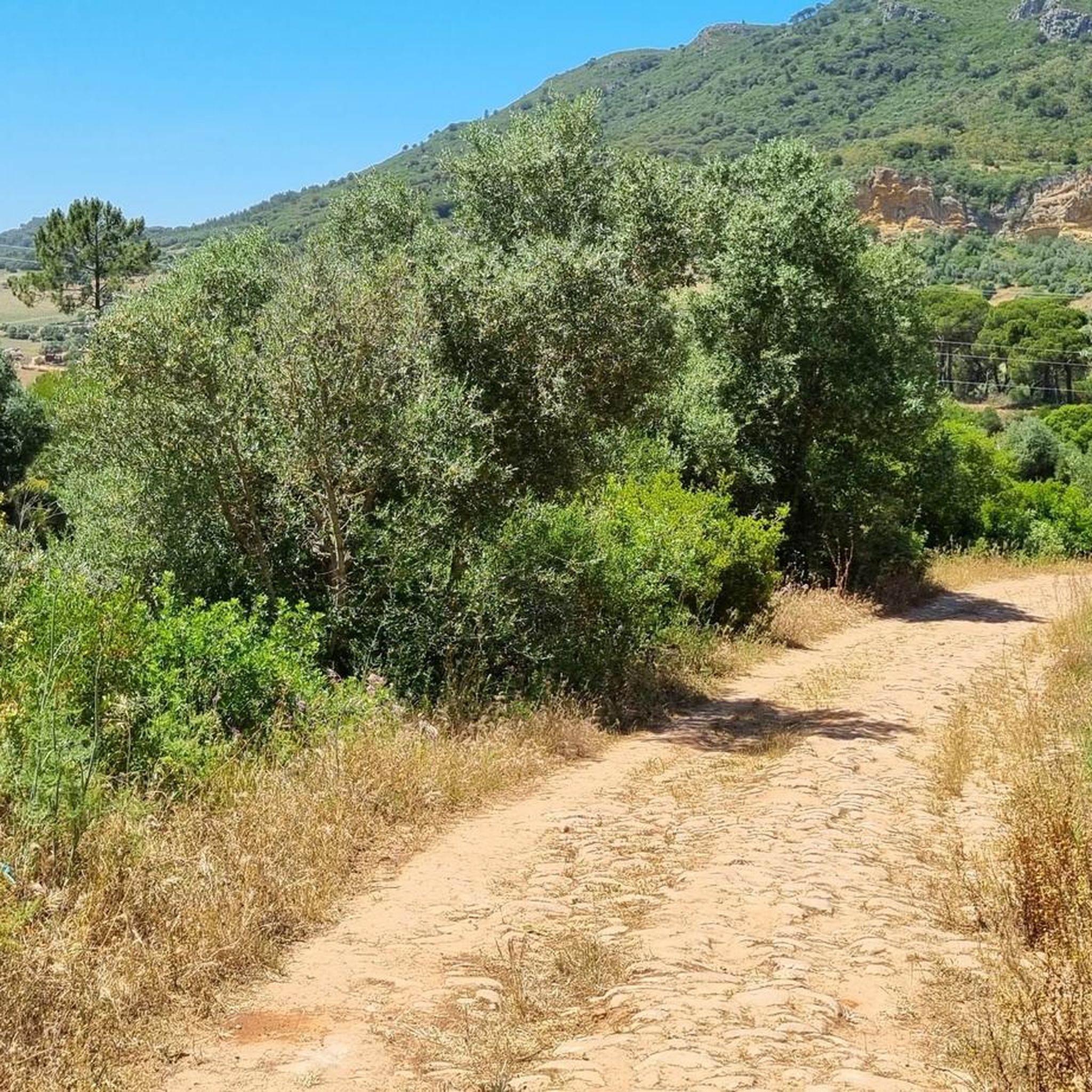
A good road with moderate traffic leads through the nature reserve.
4
1
Frequently Asked Questions
What are the most popular natural monuments to visit in the Setúbal region?
The Setúbal region offers diverse natural monuments. Highly appreciated spots include the São Luís Lookout, which provides panoramic views of the Setúbal bay, Troia, and the Arrábida northern hills. Another popular destination is the Sado Estuary Nature Reserve, known for its unique ecosystem and wildlife. Visitors also enjoy the tranquil Troia Caldeira Pine Forest, ideal for observing water birds.
Are there family-friendly natural monuments around Setúbal (São Julião)?
Yes, several natural monuments are suitable for families. The Millenary Olive Trees of Azeitao offer a fascinating glimpse into ancient nature, with trees over 2000 years old. The Troia Caldeira Pine Forest is also considered family-friendly, providing relaxing trails and opportunities for birdwatching amidst dunes and salt marshes.
What kind of natural features can I expect to see in the Setúbal region?
The region boasts a variety of natural features. In the Arrábida Natural Park, you'll find striking limestone cliffs, lush Mediterranean vegetation, and pristine beaches where mountains meet the Atlantic. The Sado Estuary Natural Reserve features extensive wetlands, marshes, sandbanks, and rice paddies. You can also discover ancient forests, rivers, and lakes, along with numerous viewpoints offering breathtaking vistas.
What outdoor activities can I do near these natural monuments?
The natural monuments around Setúbal (São Julião) are excellent starting points for various outdoor activities. You can enjoy hiking through the Arrábida Natural Park, cycling along scenic routes, or exploring the wetlands of the Sado Estuary. For detailed routes, you can find options for hiking, road cycling, and gravel biking in the area.
Are there specific hiking trails near the natural monuments?
Yes, there are several hiking trails. For instance, you can find routes that pass by the São Luís Lookout, offering challenging climbs and rewarding views. The Panoramic View over the Arrábida is part of tours that explore the historical villages and landscapes of Azeitão. The Mourisca Tide Mill in the Sado Estuary also has hiking trails around it, ideal for birdwatching. More hiking options are available in the Hiking around Setúbal (São Julião) guide.
What is the best time of year to visit the natural monuments in the Setúbal region?
The Setúbal region, including Arrábida Natural Park and Sado Estuary Natural Reserve, is pleasant to visit for much of the year. Spring (April to June) and early autumn (September to October) offer mild temperatures, making them ideal for hiking and outdoor exploration. Summer is excellent for enjoying the beaches and water activities, though it can be warmer. Winter is generally mild, suitable for birdwatching in the Sado Estuary.
Can I see wildlife in the Arrábida Natural Park or Sado Estuary Natural Reserve?
Absolutely. The Arrábida Natural Park is known for its rich biodiversity, including various bird species like the Bonelli's eagle and peregrine falcon, and unique Mediterranean maquis vegetation. The Sado Estuary Natural Reserve is a haven for birdwatchers, hosting over 200 species, including flamingos and storks. It's also home to a unique community of resident bottlenose dolphins, which can often be spotted on boat tours.
Are there any cultural or historical sites near the natural monuments?
While the focus is on natural monuments, the region has historical connections. The area around Panoramic View over the Arrábida is close to Azeitão, a town with a rich history of viticulture and olive cultivation. Within Arrábida Natural Park, you can find sites like the Convento da Arrábida and the Lapa de Santa Margarida. In the Sado Estuary, the Cais Palafítico da Carrasqueira offers a glimpse into traditional fishing, and the Mourisca Tide Mill has a small museum. The nearby Roman ruins in Tróia also provide historical context.
What are some unique natural features or 'hidden gems' in the Setúbal region?
Beyond the main attractions, the Arrábida Natural Park features the Serra do Risco, which contains the highest cliff along the Portuguese mainland coast, rising 380 meters above the sea. The park also has secluded coves and sea caves accessible by boat. In the Sado Estuary, the Cais Palafítico da Carrasqueira, a distinctive pier built on stilts, offers unique photographic opportunities and insight into traditional practices.
Is it possible to go wild swimming or find tranquil beaches in the Arrábida Natural Park?
Yes, the Arrábida Natural Park is famous for its stunning and tranquil beaches, often considered ideal for swimming and snorkeling due to the mountains providing natural shelter. Notable examples include Praia dos Galapinhos (frequently cited as one of Portugal's most beautiful beaches), Portinho da Arrábida, Praia do Creiro, Praia dos Coelhos, and Praia da Figueirinha. These clear-water bays offer serene spots for wild swimming.
What do visitors enjoy most about the natural monuments in Setúbal (São Julião)?
Visitors particularly appreciate the breathtaking panoramic views, such as those from the São Luís Lookout, which offers vistas of the bay and surrounding hills. The opportunity to explore diverse natural environments, from coastal cliffs to serene wetlands, is also highly valued. Many enjoy the peacefulness of places like the Troia Caldeira Pine Forest and the unique experience of seeing ancient natural wonders like the Millenary Olive Trees of Azeitao.
Most popular routes around Setúbal (São Julião)
Most popular attractions around Setúbal (São Julião)

Get inspired with the komoot mobile app


Explore more
Extend your search for the best caves by checking out these guides of the top ones around Setúbal (São Julião):
