Top 12 Natural Monuments around Sado
Best natural monuments around Sado offer diverse natural landscapes and unique geological features. The Sado region is characterized by its estuary, pine forests, and coastal viewpoints, providing varied opportunities for exploration. This area is known for its rich biodiversity and significant natural heritage, making it a notable destination for outdoor enthusiasts. Visitors can experience a range of natural settings, from expansive estuaries to ancient forests.
Best natural monuments around Sado
- The most popular natural monuments is São Luís Lookout,…
Last updated: May 2, 2026
Carrasqueira Palafitic Pier
Highlight • Monument
Translated by Google •
Tip by

São Luís Lookout
Highlight • Viewpoint
Tip by

Sign up now to discover places like this
Get recommendations on the best single tracks, peaks, & plenty of other exciting outdoor places.
Sign up for free
Sado Estuary Nature Reserve
Highlight • Natural
Translated by Google •
Tip by

Troia Caldeira Pine Forest
Highlight • Forest
Translated by Google •
Tip by

Portuguese oak
Highlight • Natural Monument
Translated by Google •
Tip by
Sign up for free to discover even more natural monuments around Sado.
Sign up for free
Already have an account?
Start today with a free account
Your next adventure awaits.
Login or Signup

Tips from the Community


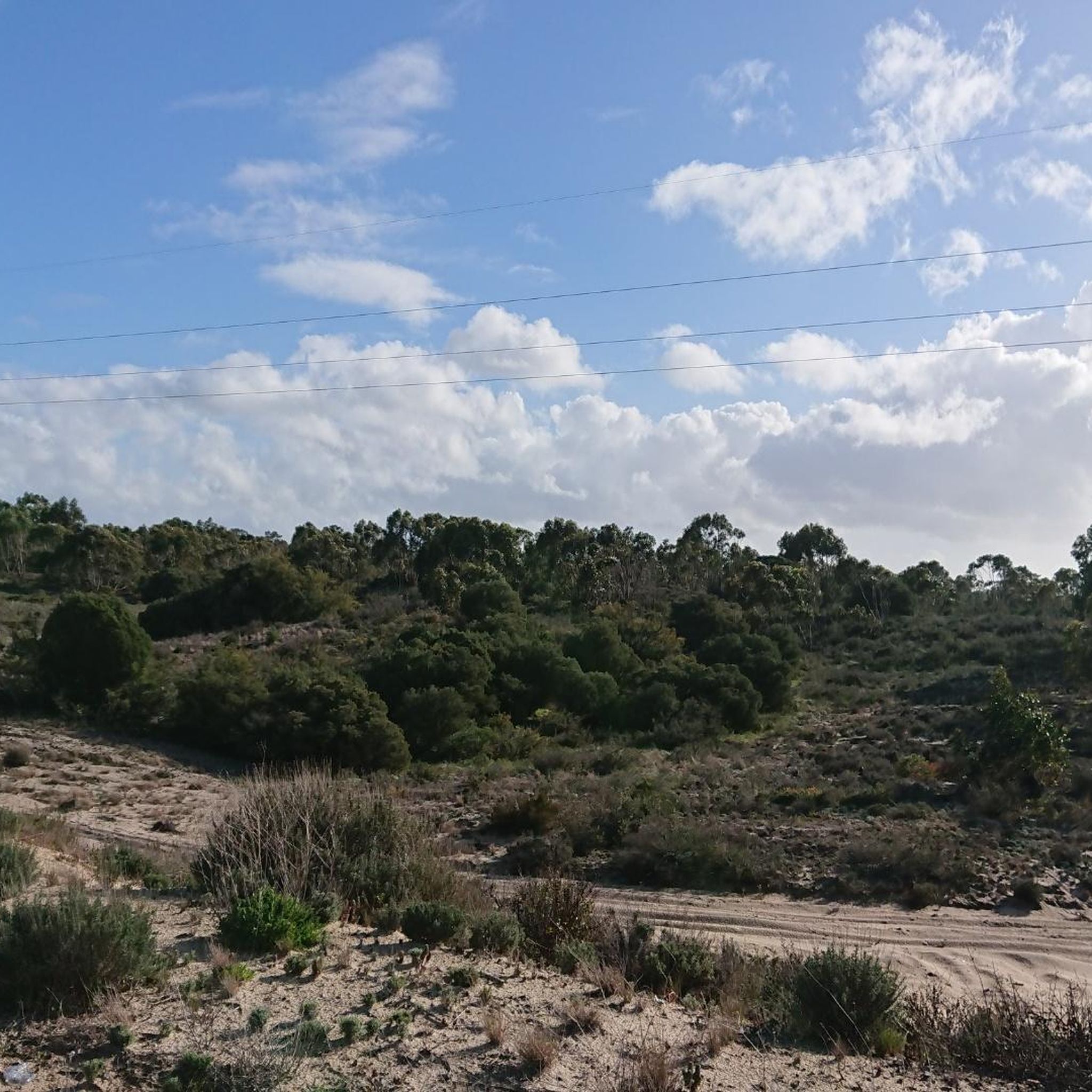
On foot or by bike, Arrábida is always a privilege of nature.👍🇵🇹
0
0

Carrasqueira is probably the most traditional of the small villages in Comporta. It is located 1:15 from Lisbon, on the banks of the mouth of the Sado River, opposite Setùbal. It is famous for its port on stilts, with old wooden mooring lines for the local fishing boats. Carrasqueira in Comporta also houses original fishing huts. Carrasqueira’s farmlands and estuary have been exploited by migrant workers who have settled in the traditional fishermen’s huts over the years. They have been preserved and used in this way for decades. They are also known as “Comporta cabanas” and are the inspiration for more recent constructions in the region that combine wood, traditional masonry and thatched roofs. These fishing huts are now protected and are part of Comporta’s historical heritage. The village of Carrasqueira has a large main street where most commercial activities are located. This includes restaurants, bars, cafes and some small general stores and supermarkets.
6
1
The Portuguese oak can be considered an intermediate species between the oaks of the north of the country and those of the south, that is, between the black oak and the oak, and the cork oak and holm oak. This tree grows slowly and inhabits habitats that are generally limiting for most other trees. Like the holm oak, the acorns of this oak are also used in the feed of the wild pig.
5
0
The Carrasqueira Comporta Palafítico Pier is a place known for being an architectural masterpiece and promises to be an excellent choice for any season of the year. This piece was built between the 50s and 60s, with irregular wooden stakes, fragile in appearance. Today it is intended to serve as a pier for fishing boats that dock there, and has a few hundred meters where you can walk. The Palafítico Pier is one of the most visited places in the municipality because it allows you to see the boats up close and some birds from the Sado Estuary area, all while walking around the site. If you like, you can also watch the sunset from this pier.
11
0

There are small wooden piers that lead into the lagoon. The fishermen have their boats moored on the piers. It has a certain charm both at low tide and at high tide.
5
0

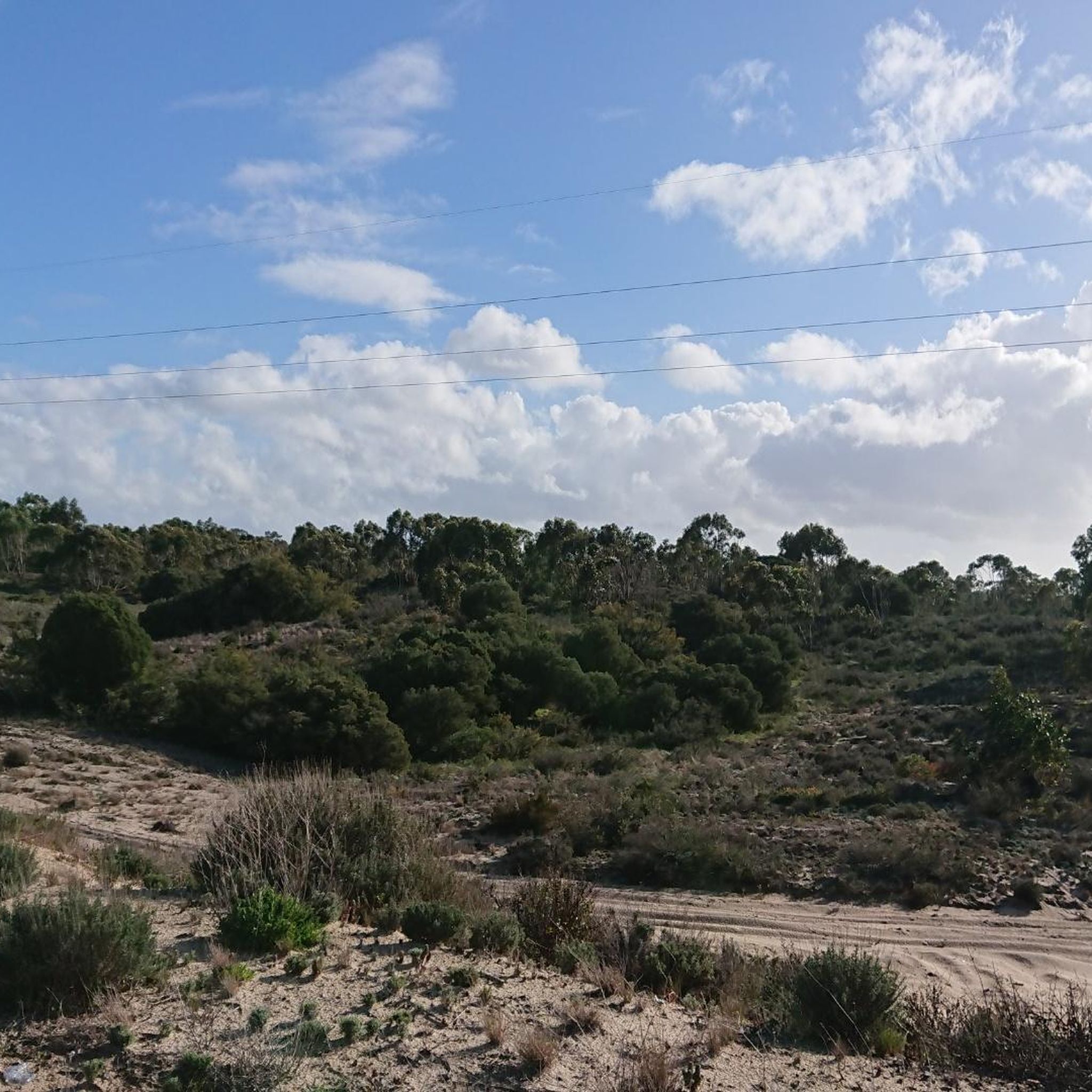
The hiking trail along the Troy Caldera is relaxing and you can observe numerous water birds. Surrounded by dunes, the Troia Caldera reveals a huge salt marsh area at low tide.
6
2

A good road with moderate traffic leads through the nature reserve.
4
1
Frequently Asked Questions
What are some of the most unique natural monuments to visit on Sado Island?
Sado Island is renowned for its diverse geological formations. You can explore the massive Onogame rock, which resembles a coiled turtle and is famous for its vibrant amur daylilies in early summer. Another unique spot is Futatsugame, known for its 'two turtles' rock formation and some of Japan's clearest waters. Don't miss the dramatic coastline of Senkakuwan Bay with its intricate islets and caves, or the striking Jinmeniwa (Human Face Rock).
Are there any natural monuments on Sado Island that are good for families?
Yes, Sado offers several family-friendly natural monuments. The Troia Caldeira Pine Forest is an excellent choice, offering a relaxing hiking trail surrounded by dunes where you can observe numerous water birds. The Carrasqueira Palafitic Pier, while a man-made monument, is also family-friendly and provides views of the Sado Estuary's birds and fishing boats.
What kind of natural features can I expect to see around Sado?
Sado Island boasts a wide array of natural features, from stunning coastal vistas to ancient forests and unique rock formations. You'll find expansive estuaries, pine forests, and dramatic coastlines shaped by volcanic activity. The island is a UNESCO Global Geopark, highlighting its significant geological heritage, and supports over 1,700 plant species due to its unique climate.
What is the best time of year to visit Sado Island's natural monuments?
Early summer is particularly beautiful for visiting natural monuments like Onogame, when the meadows beneath the rock are covered in millions of vibrant amur daylilies. Summer is also ideal for enjoying the crystal-clear waters at Futatsugame's bathing beach. Generally, spring to autumn offers pleasant weather for exploring the island's diverse landscapes.
Are there hiking trails available near Sado's natural monuments?
Yes, Sado offers various hiking opportunities. For instance, the Osado Ishina Natural Cedar Forest features a walking trail that allows you to stroll among ancient, uniquely warped cedar trees. You can also find easy hikes around the region, such as those mentioned in the Easy hikes around Sado guide, which includes routes like the 'Tróia Marina – Troia Caldeira Pine Forest loop'.
What outdoor activities can I do near these natural monuments?
Beyond exploring the monuments themselves, Sado offers a range of outdoor activities. You can enjoy easy hikes, as detailed in the Easy hikes around Sado guide. For runners, there are several Running Trails around Sado. Cyclists can find challenging and moderate Road Cycling Routes around Sado, including scenic loops along the Atlantic Coast.
Where can I experience traditional Sado culture alongside natural beauty?
The Ogi Coast is an excellent place to experience both. Designated a Japan National Monument and Scenic Site, it's famous for its traditional tarai bune (tub boat) rides. These unique boats originated after an earthquake altered the coastline, making them a traditional and picturesque way to explore the inlets.
Are there any viewpoints offering panoramic scenery of Sado's natural monuments?
Absolutely. The São Luís Lookout offers expansive views of the Bay of Setúbal, Troia, and the Arrábida northern hills. Additionally, the Osado Ishina Natural Cedar Forest has an observation point near its exit that provides broad scenic views.
What makes the Sado Estuary Nature Reserve a significant natural monument?
The Sado Estuary Nature Reserve is a significant natural area characterized by its narrow peninsula and rich biodiversity. It's an important habitat for numerous water birds, especially visible at low tide when a large salt marsh area is revealed. A good road with moderate traffic leads through this reserve, offering opportunities for observation.
Can I see ancient trees or unique flora among Sado's natural monuments?
Yes, Sado is home to unique flora. The Osado Ishina Natural Cedar Forest features ancient cedar trees, some over 300 years old, uniquely warped by the island's strong winds and heavy snow. You can also find the Portuguese oak, an intermediate species between northern and southern oaks, which grows slowly in challenging habitats.
What do visitors enjoy most about the natural monuments around Sado?
Visitors frequently praise the diverse natural landscapes and unique geological features. They appreciate the opportunity to explore on foot or by bike, highlighting the privilege of nature found in areas like Arrábida. The relaxing hiking trails, the chance to observe water birds, and the stunning coastal views are also highly valued by the komoot community.
Most popular attractions around Sado

Get inspired with the komoot mobile app


Explore more
Extend your search for the best caves by checking out these guides of the top ones around Sado:
