Top 13 Natural Monuments around Aldeia De Paio Pires
Best natural monuments around Aldeia De Paio Pires are primarily found in the surrounding region, as the village itself serves as a gateway to significant natural features. Situated in the municipality of Seixal, Portugal, Aldeia De Paio Pires offers access to the Tagus River and its expansive estuary. This area is characterized by diverse habitats and provides opportunities to experience Portugal's natural beauty. The region's natural heritage includes wetlands, coastal landscapes, and protected areas.
Best natural monuments around Aldeia De…
Last updated: June 30, 2026
Sanctuary of Christ the King (Santuário de Cristo Rei)
Highlight • Monument
Translated by Google •
Tip by

Ancient Gnarled Tree in Alfama
Highlight • Natural Monument
Translated by Google •
Tip by

Sign up now to discover places like this
Get recommendations on the best single tracks, peaks, & plenty of other exciting outdoor places.
Sign up for free
Panoramic View over the Arrábida
Highlight • Viewpoint
Translated by Google •
Tip by

São Pedro de Alcântara Garden
Highlight (Segment) • Viewpoint
Translated by Google •
Tip by

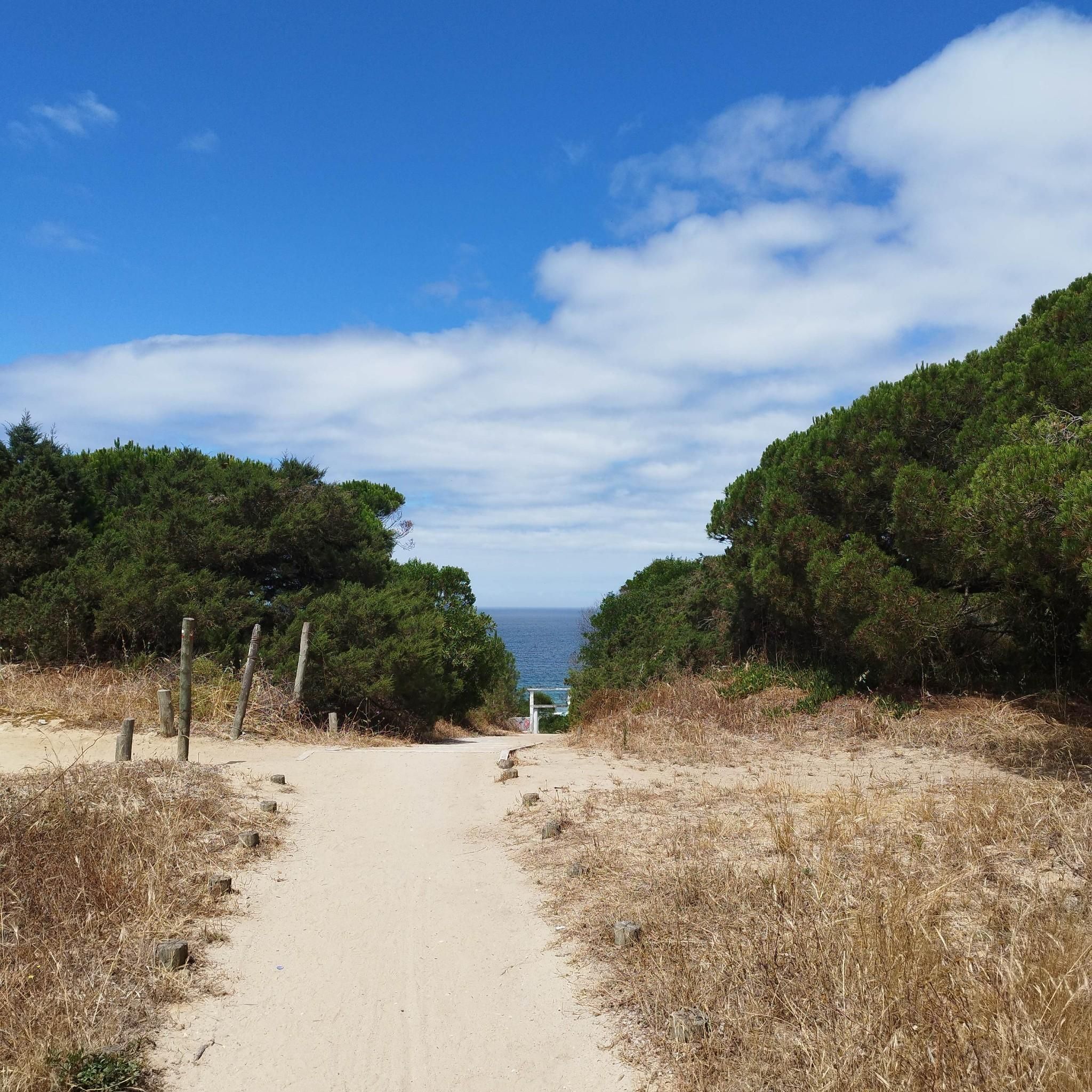
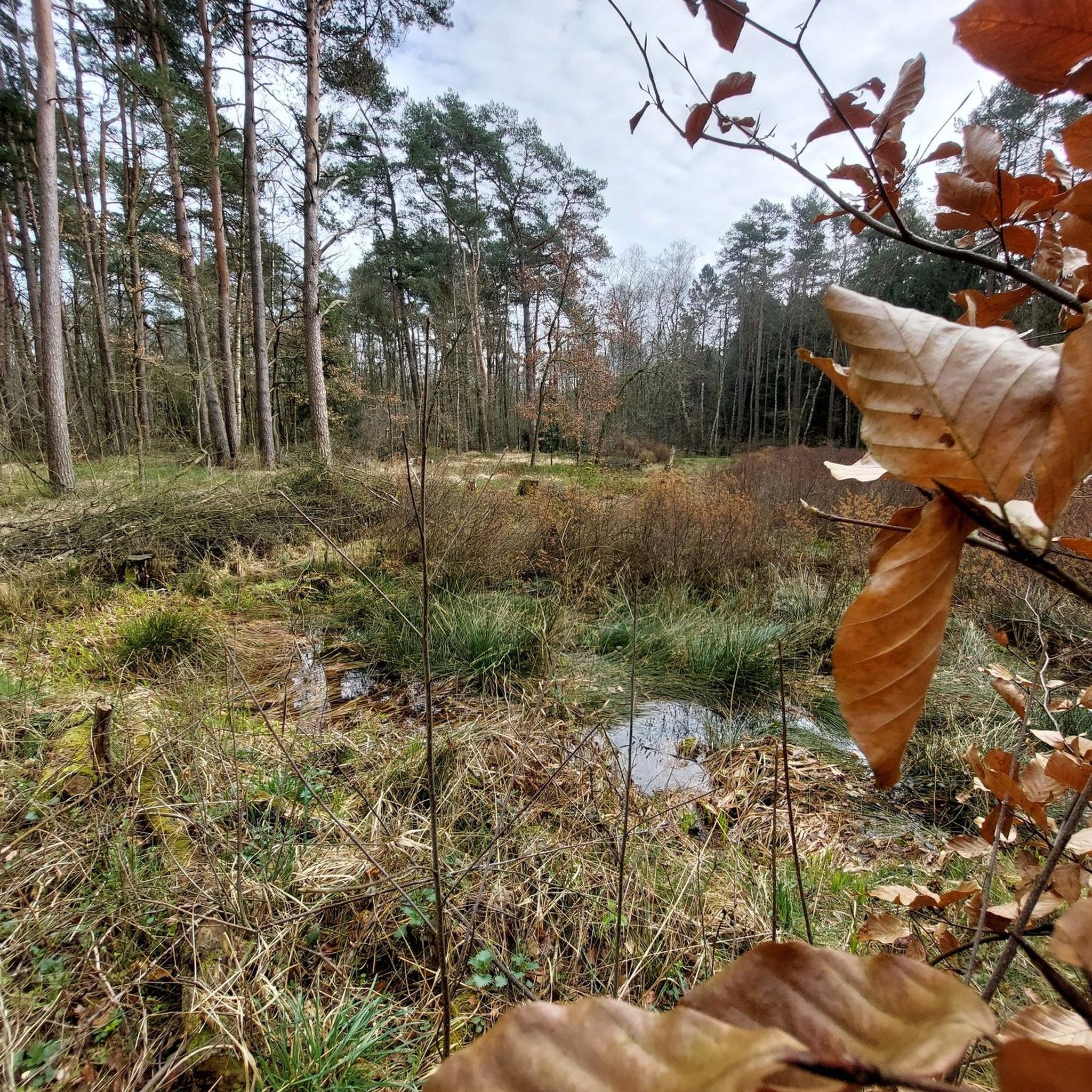
Fernão Ferro Forest Trail
Highlight (Segment) • Trail
Translated by Google •
Tip by

Sign up for free to discover even more natural monuments around Aldeia De Paio Pires.
Sign up for free
Already have an account?
Start today with a free account
Your next adventure awaits.
Login or Signup
Tips from the Community

The ancient, gnarled tree in Alfama seems to have witnessed countless stories from the neighborhood. With its thick trunk, twisted branches, and the shadows it casts on the cobblestones and house walls, it offers a tranquil counterpoint to the hustle and bustle of the narrow streets. A beautiful spot to pause, take a breath, and soak up the unique atmosphere of old Lisbon.
2
0

The former Limoeiro Square, currently a street connecting downtown Lisbon to the Portas do Sol viewpoint, is a must-see for tourists and part of the famous tram line 28. Next to the wall of the former Limoeiro Prison, now the Center for Judicial Studies, stands a Phytolacca dioica L., which replaced the lemon tree from which this square took its name. It is approximately 13 meters tall, 17 meters across its base, and 100 years old. This species is native to South America, has a very fast growth rate, and blooms between April and June.
1
1

During the tour, you will have the opportunity to discover the origins of Azeitão, a town located in the heart of the Arrábida Natural Park. The name Azeitão, of Arabic origin (azzeittum), refers to the vast olive groves that once covered the region. Its origins date back to the Middle Ages and, over the centuries, agriculture, especially viticulture and olive cultivation, shaped the landscape that still characterises the region today, with farms and small settlements that maintain these traditions. Azeitão gained renown from the 15th century onwards, when it became one of the favourite places of the Portuguese nobility, being shaded by the majestic Serra da Arrábida. The route begins and ends in Vila Nogueira de Azeitão and passes through several historic villages, including Aldeia Rica, Oleiros, Aldeia de Irmãos, Piedade, Portela, São Pedro, Casais da Serra and Picheleiros, always under the imposing presence of the Serra and its traditional paths.
5
0

Hello everyone. The Seixal City Council wants to approve a project so that the construction company Alves Ribeiro can destroy half of the Seixal Forest - part of the Fernão Ferro / Lagoa de Albufeira protected area. Please sign our petition to stop this from happening. Best regards. See at: https://www.salvar-floresta-seixal.com/
2
0

Incredibly beautiful sights in this wonderful city!
1
2
Incredible phenomenon. You don't see it every day! Right?
1
2


Nice photo point 🙃
19
2
Frequently Asked Questions
What are the most popular natural monuments and viewpoints near Aldeia De Paio Pires?
Visitors frequently enjoy the Sanctuary of Christ the King (Santuário de Cristo Rei), which offers panoramic views 113 meters above the Tagus River. Another highly appreciated spot is Panoramic View over the Arrábida, providing stunning vistas of the Arrábida Natural Park and insights into the region's agricultural history. The Fernão Ferro Forest Trail is also popular for its natural path through a pine forest.
Are there family-friendly natural monuments or green spaces around Aldeia De Paio Pires?
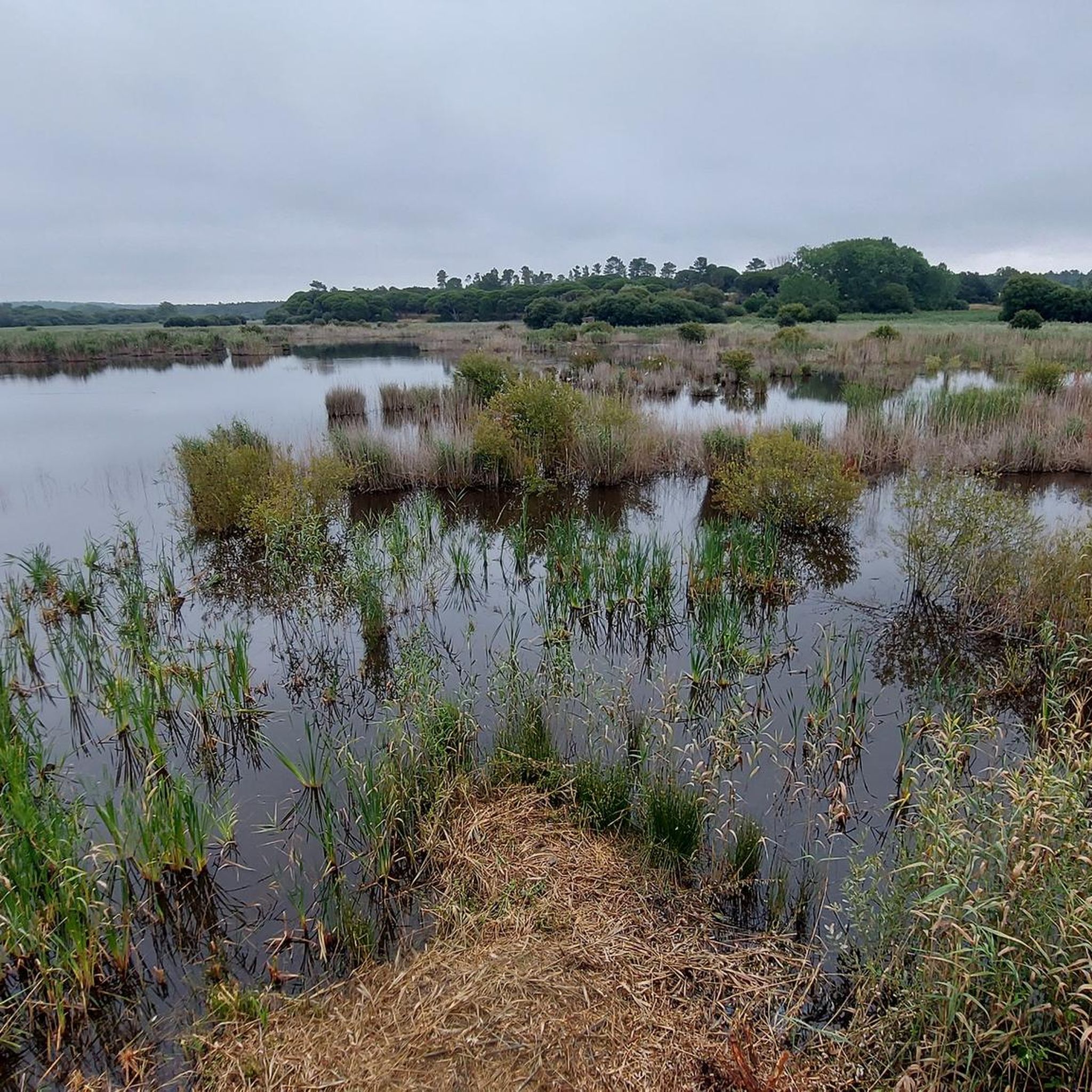
Yes, several spots are suitable for families. The Sanctuary of Christ the King is family-friendly, offering impressive views. The Fernão Ferro Forest Trail is a natural path through a pine forest, great for walks with children. Additionally, the Tagus Estuary itself, particularly areas like the Corroios Marshland, offers opportunities for birdwatching and gentle riverside walks.
What kind of wildlife can I expect to see in the natural areas near Aldeia De Paio Pires?
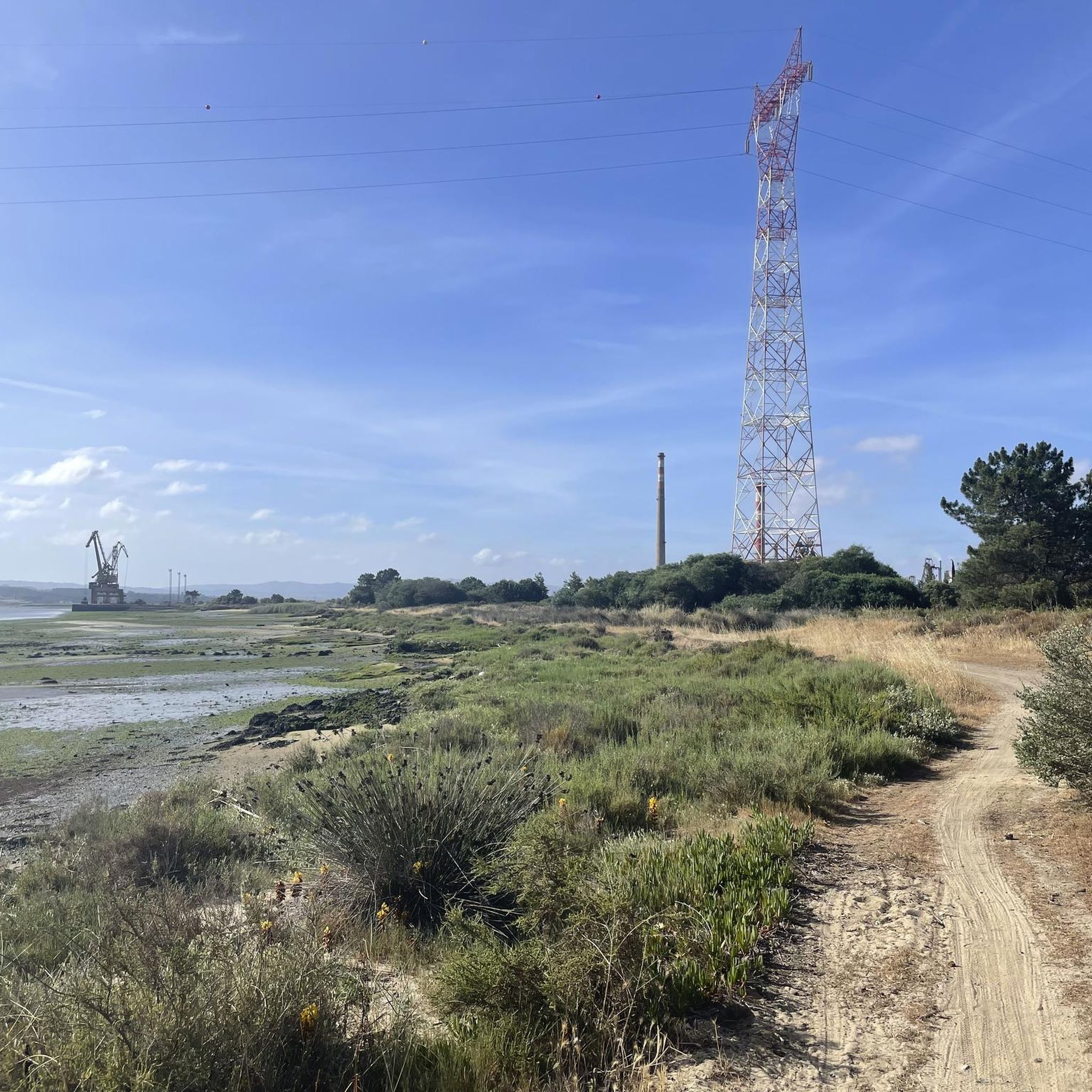
The Tagus Estuary is a significant wetland for birdwatching, acting as a vital feeding ground for numerous migratory birds. You might spot flamingos, avocets, greylag geese, and various waders. The Corroios Marshland, part of the estuary, is particularly rich in ornithological and aquatic fauna. The Parque Natural da Arrábida also boasts a rich diversity of flora and fauna within its unique scrubland ecosystems.
What outdoor activities can I do near these natural monuments?
The region offers a variety of outdoor activities. You can enjoy gravel biking on routes like the 'Pedreira Trail loop' or 'Steep Climb in the Forest – Peru Trail loop' as detailed in the Gravel biking around Aldeia De Paio Pires guide. For hikers, there are easy trails such as the 'View of Lisbon – Farol de Cacilhas loop' or 'Amora Bay, Seixal loop' found in the Easy hikes around Aldeia De Paio Pires guide. Cycling is also popular, with routes like 'Praia de Galapinhos – Porthino Coastal View loop' available in the Cycling around Aldeia De Paio Pires guide. The Parque Natural da Arrábida is excellent for hiking, caving, climbing, and scuba diving.
Are there any historical or cultural sites integrated with the natural monuments?
Yes, some natural viewpoints also offer historical context. The Panoramic View over the Arrábida provides insight into the region's agricultural history, particularly around Azeitão. The Ancient Gnarled Tree in Alfama, while in Lisbon, is a natural monument that has witnessed countless stories from the historic Alfama neighborhood, offering a tranquil counterpoint to the city's bustle.
What is the best time to visit the natural monuments around Aldeia De Paio Pires?
The warmer months are ideal for enjoying the refreshing breeze and broad views along the Tagus Estuary. For birdwatching, migratory seasons (spring and autumn) would offer the best opportunities to see a wider variety of species. The Parque Natural da Arrábida is beautiful year-round, but spring and early summer offer pleasant temperatures for hiking and exploring its diverse flora.
Are there any viewpoints that offer expansive views of the Tagus River and Lisbon?
Absolutely. The Sanctuary of Christ the King (Santuário de Cristo Rei) is a prime location, offering panoramic views from 113 meters above the Tagus River, with Lisbon clearly visible across the water. Additionally, from Ponta dos Corvos River Beach, you can enjoy expansive panoramic views of the Tagus River and the distant skylines of Lisbon, Almada, and Barreiro.
Are there any dog-friendly trails or natural areas in the vicinity?
While specific dog parks are not highlighted, many natural trails and open spaces, such as the Fernão Ferro Forest Trail, are generally suitable for walks with dogs, provided they are kept on a leash and owners clean up after them. The extensive areas of the Tagus Estuary also offer opportunities for dog walking along the riverside paths.
What unique geological features can be found in the region?
The Parque Natural da Arrábida, though a short drive away, is notable for its stunning limestone cliffs that dramatically meet the deep blue sea. The Tagus Estuary itself, as one of Portugal's largest wetlands, represents a unique hydrological and ecological feature, with its diverse habitats of mud flats, salt marshes, and transitional zones between marine and river environments.
What do visitors enjoy most about the natural monuments near Aldeia De Paio Pires?
Visitors particularly appreciate the breathtaking panoramic views, especially from spots like the Sanctuary of Christ the King and the Panoramic View over the Arrábida. The tranquility and natural beauty of the pine forests, such as the Fernão Ferro Forest Trail, are also highly valued. Many are drawn to the rich birdlife and serene atmosphere of the Tagus Estuary, making it a popular spot for nature observation and relaxation.
Is there a river beach suitable for leisure activities near Aldeia De Paio Pires?
Yes, Ponta dos Corvos River Beach, located within the Seixal municipality, is notable as one of the first beaches in the Tagus estuary to be classified for bathing quality. This makes it an attractive spot for relaxation and enjoying the riverside environment, offering pleasant conditions for leisure.
How accessible are the natural monuments by public transport from Aldeia De Paio Pires?
While Aldeia De Paio Pires itself is a village, its proximity to the municipality of Seixal means that some natural areas, particularly those along the Tagus Estuary and Seixal Bay, can be reached using local public transport networks. For destinations further afield like the Parque Natural da Arrábida, a car is generally recommended for easier access, though regional buses might serve some areas.
Most popular routes around Aldeia De Paio Pires
Most popular attractions around Aldeia De Paio Pires

Get inspired with the komoot mobile app


Explore more
Extend your search for the best caves by checking out these guides of the top ones around Aldeia De Paio Pires:
