Top 7 Natural Monuments around Santo André
Best natural monuments around Santo André are primarily recognized for their preserved Atlantic Forest ecosystems and vital roles in environmental conservation. The region, part of the São Paulo metropolitan area, features significant natural reserves like the Parque Natural Municipal Nascentes de Paranapiacaba and the Parque Natural Municipal do Pedroso. These areas protect extensive green spaces, crucial water resources, and diverse flora and fauna. They form important ecological corridors, contributing to the preservation of the Atlantic Forest.
Best natural monuments around…
Last updated: June 30, 2026
Costa Sudoeste Beach
Highlight (Segment) • Beach
Translated by Google •
Tip by

Big eucalyptus
Highlight • Natural Monument
Translated by Google •
Tip by

Sign up now to discover places like this
Get recommendations on the best single tracks, peaks, & plenty of other exciting outdoor places.
Sign up for free
Fossil Cliffs of Galé
Highlight • Natural Monument
Translated by Google •
Tip by

Praia da Aberta Nova
Highlight • Beach
Translated by Google •
Tip by

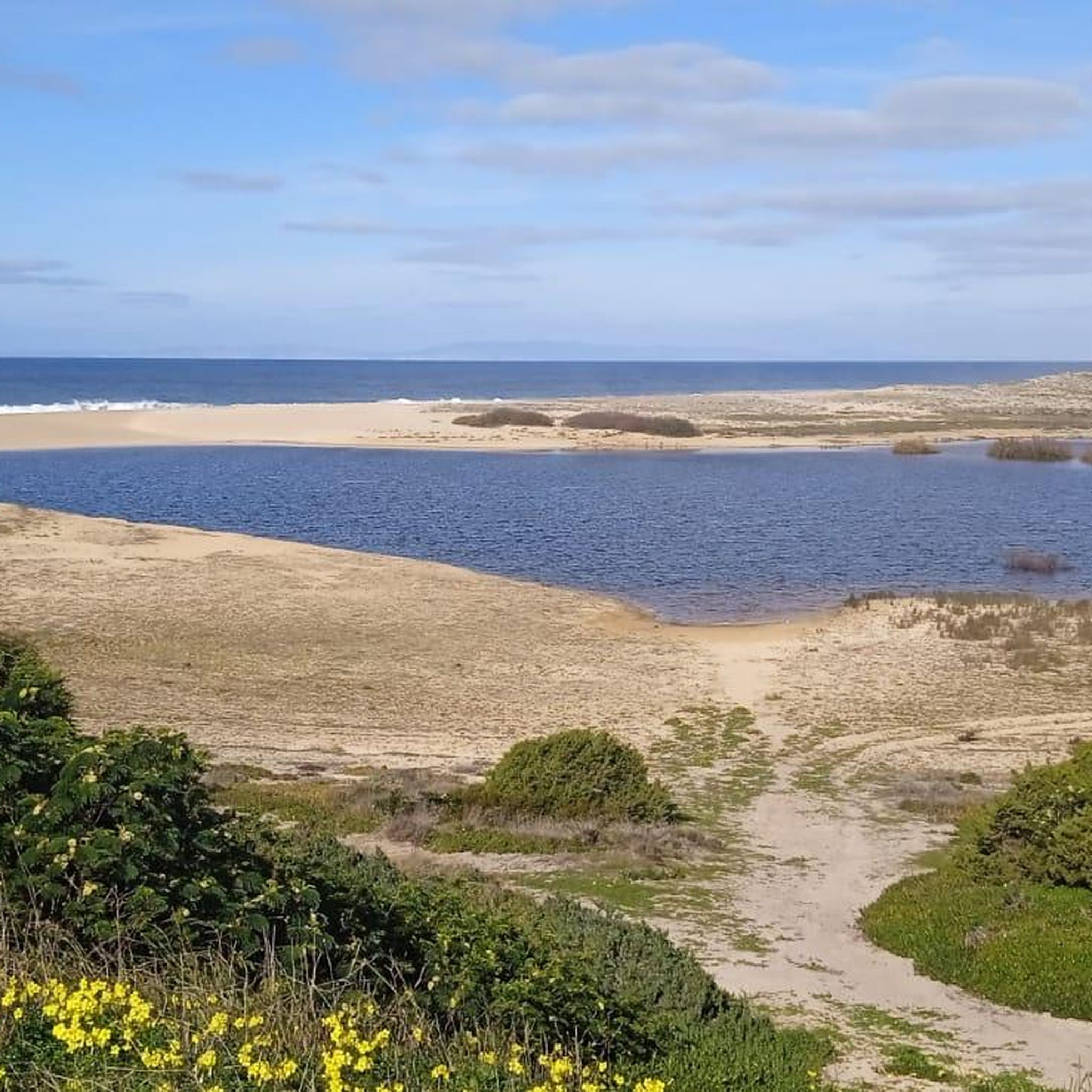
View over the Lagoa de Santo André
Highlight • Viewpoint
Showing Translation
Tip by

Sign up for free to discover even more natural monuments around Santo André.
Sign up for free
Already have an account?
Start today with a free account
Your next adventure awaits.
Login or Signup



Tips from the Community

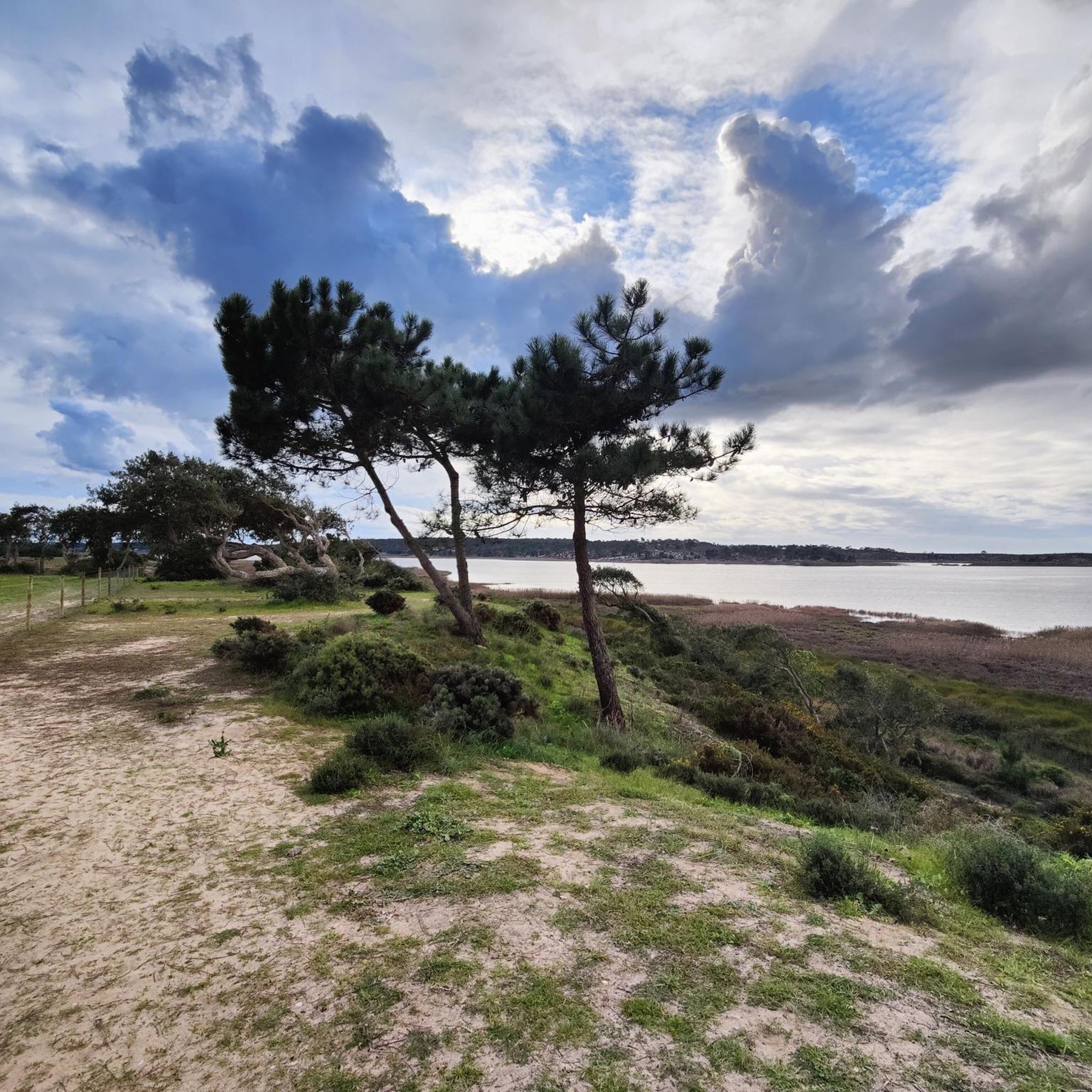
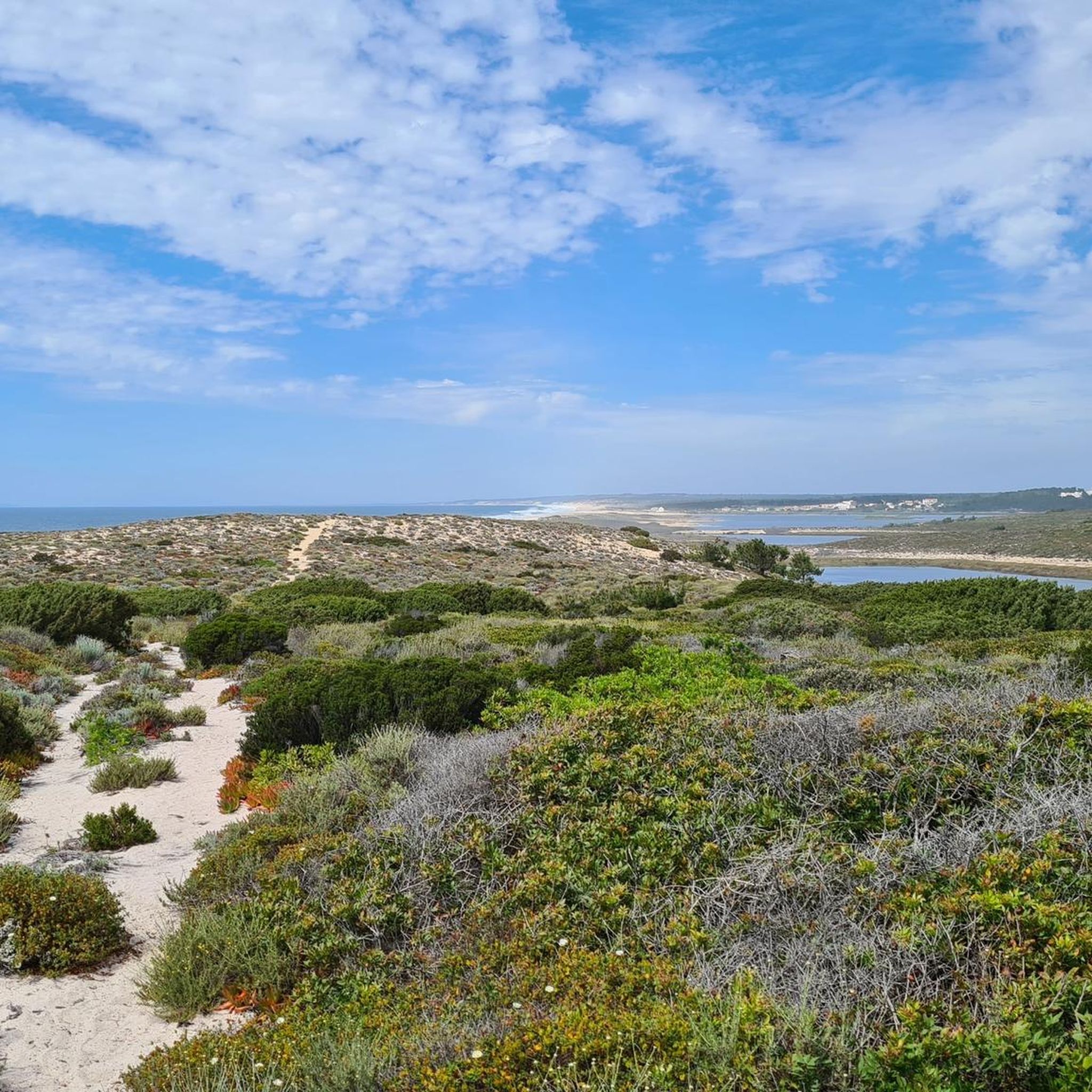
The Lagoa de Santo André is located on the Alentejo coast, between the Tróia peninsula and Cape Sines. It is part of the Nature Reserve of Lagoas de Santo André and Sancha, which occupies part of the coastline of the municipalities of Sines and Santiago do Cacém. The lagoon is situated in the municipality of Santiago do Cacém, about 150 meters from the coast.
0
0


Yes, and if you are very lucky, the dolphins from the Sado will also swim past.
3
6

The "fossil coast" is one of the most beautiful stretches of beach I know (and a plant conservation area). As it is far from mass tourism (there is only one campsite) and relatively difficult to reach, it is very quiet here and the further you go from the entrance (steep and via stairs), the quieter it becomes. The small beach bar is good for a cold beer but nothing more. The highlight is definitely the ancient rock formation and the amazing play of colors when the sun shines on it in the afternoon.
7
1

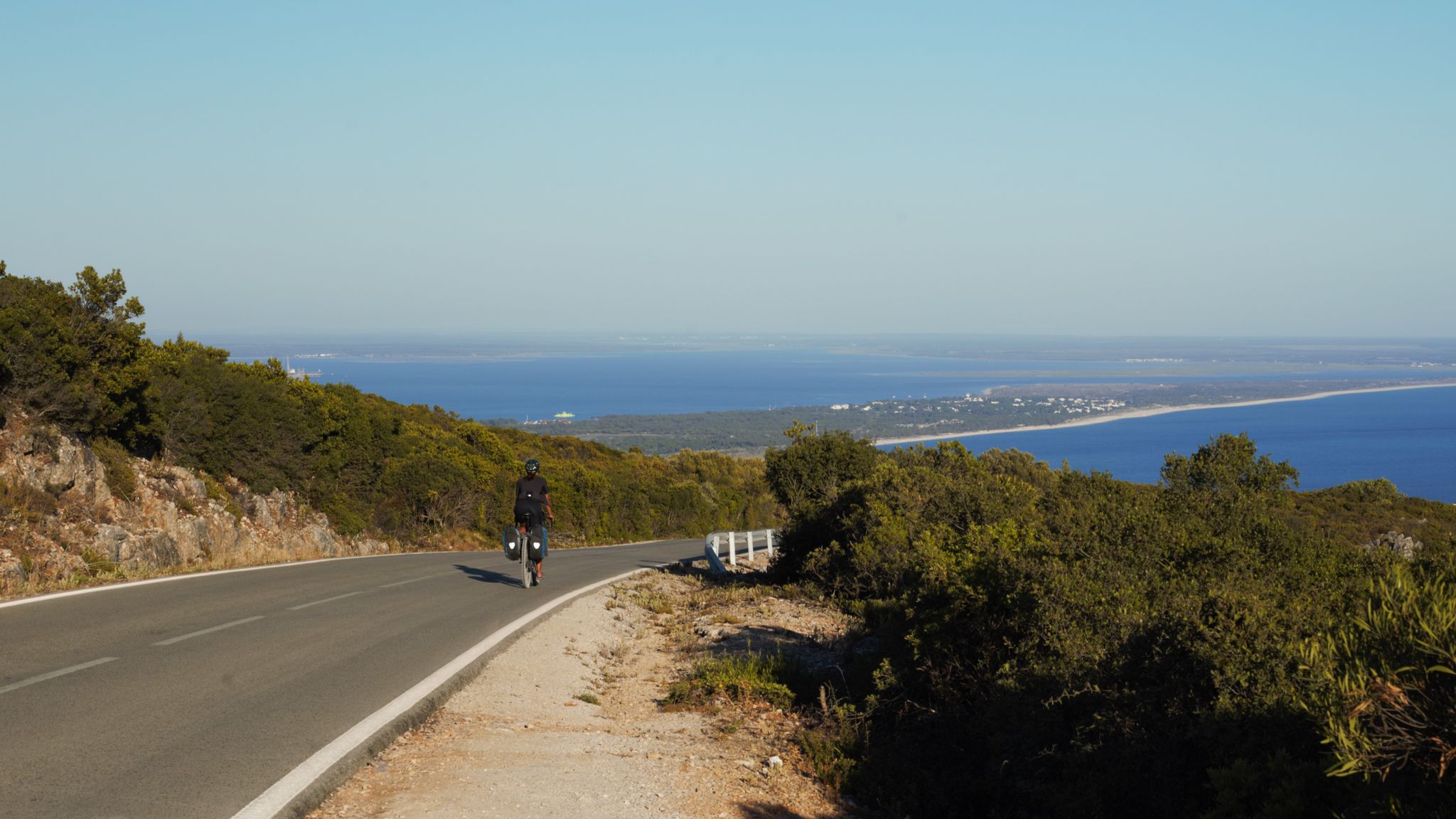
This last part of the day is most beautiful. Ride next to the Atlantic through a national park with low traffic, lots of surf spots and sone restaurants. Wildcamping not recommended, guardia civil is patrolling heavily.
4
0
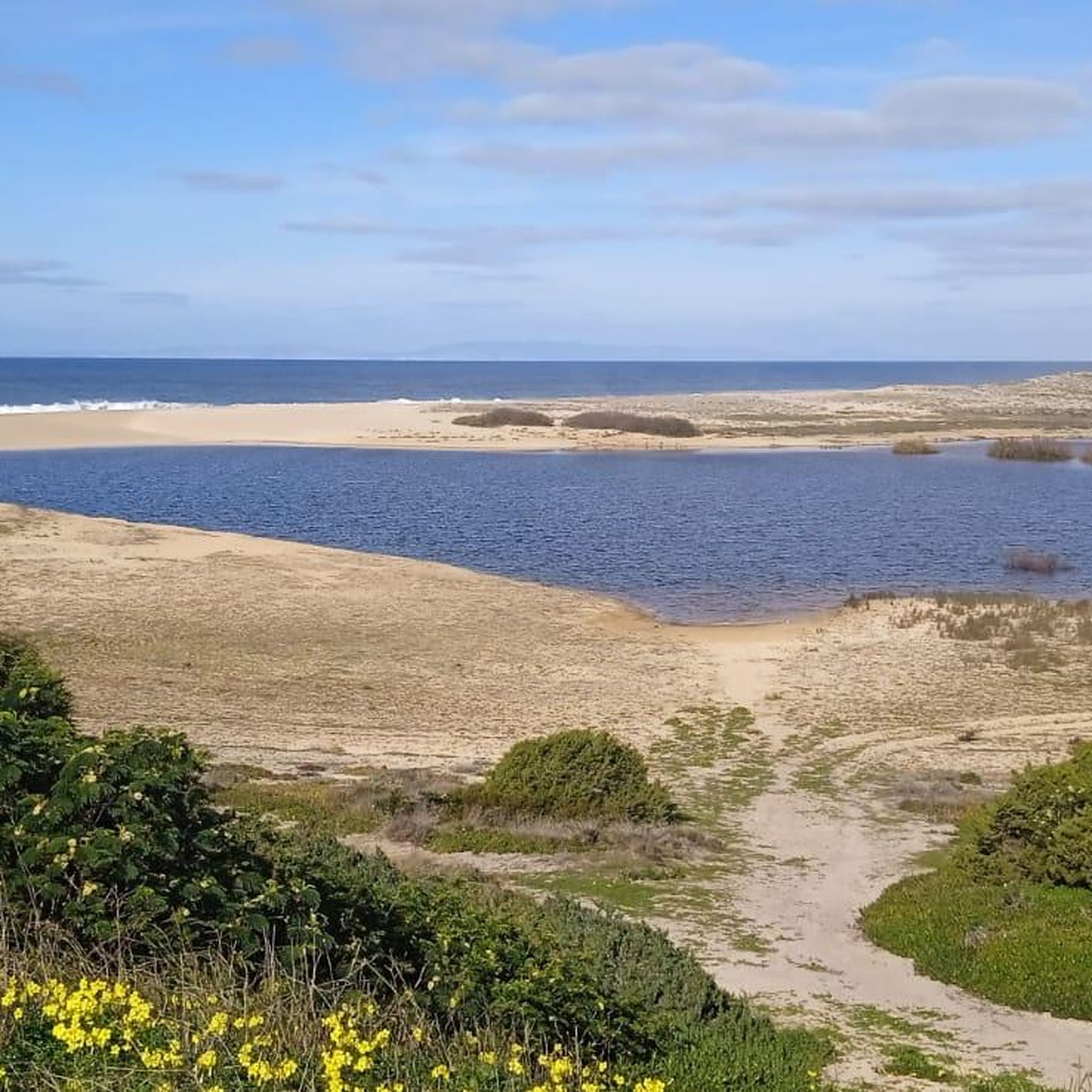
Seemingly endless beach with the finest sand and great waves. To the north it merges into Praia da Galé - Fontainhas - there you will find the red cliffs of the Arriba Fóssil da Galé.
4
7

Very nice sandy beach, where you can walk endlessly to the right or left. If you go north, i.e. to the right, you come to a beautiful cliff that is kind of a sand dune.
6
0

It was the largest eucalyptus tree in 6 stages of the historical trail. At a height of 1 meter, the trunk had a circumference of 3.80 m...
5
0
Frequently Asked Questions
What kind of natural monuments can I explore around Santo André?
Santo André is rich in natural monuments, primarily featuring preserved Atlantic Forest ecosystems and coastal formations. You can find extensive green areas like the Parque Natural Municipal Nascentes de Paranapiacaba and the Parque Natural Municipal do Pedroso, which are vital for water resources and biodiversity. The region also boasts unique coastal features such as the Fossil Cliffs of Galé and beautiful sandy stretches like Praia da Aberta Nova.
Are there natural monuments suitable for families in Santo André?
Yes, several natural monuments around Santo André are family-friendly. For instance, Praia da Aberta Nova offers a very nice sandy beach perfect for endless walks. The Santo André and Sancha Lagoons Nature Reserve is another great option, featuring a beautiful beach, a lagoon, and a beach bar, often not overcrowded. The Parque Natural Municipal do Pedroso also provides recreational facilities like playgrounds and sports courts alongside its natural beauty.
What outdoor activities can I do near the natural monuments in Santo André?
The natural monuments in Santo André are surrounded by opportunities for various outdoor activities. You can find numerous trails for hiking, cycling, and mountain biking. For example, there are easy hikes around the area, as well as cycling routes and MTB trails that allow you to explore the diverse landscapes, from coastal paths to forest environments.
Where can I find viewpoints to admire the natural scenery?
Many natural monuments in Santo André offer stunning viewpoints. The Parque Natural Municipal Nascentes de Paranapiacaba has a notable trail leading to a viewpoint at approximately 1,000 meters above sea level, providing panoramic views of the Baixada Santista and the sea. Additionally, highlights like the Fossil Cliffs of Galé and the Coastal Cliffs of Melides are known for their picturesque vistas, especially during sunset.
What kind of wildlife can I spot in the natural monuments?
The natural monuments in Santo André are home to diverse flora and fauna, particularly within the Atlantic Forest ecosystems. The Parque Natural Municipal Nascentes de Paranapiacaba boasts rich biodiversity, including endemic species. The Parque Natural Municipal do Pedroso is known for its diverse fauna, especially birds. At the Santo André and Sancha Lagoons Nature Reserve, you can observe waterfowl, pelicans, and even some flamingos.
Are there any historical natural monuments in the region?
Yes, the region integrates natural beauty with historical significance. The Reserva Biológica do Alto da Serra de Paranapiacaba, adjacent to the historic village of Paranapiacaba, holds historical importance as the first biological station in South America, established in 1909. It preserves original Atlantic Forest and has been a site for extensive scientific studies since its inception.
What is the best time of year to visit the natural monuments in Santo André?
The Parque Natural Municipal Nascentes de Paranapiacaba and the Reserva Biológica do Alto da Serra de Paranapiacaba feature a tropical altitude climate, which is cooler and more pleasant than typical tropical climates. They experience high humidity and well-distributed rainfall throughout the year. This generally means the natural monuments are enjoyable year-round, though specific activities might be better suited to drier periods.
Can I find easy hiking trails near the natural monuments?
Yes, there are easy hiking options available. The Parque Natural Municipal Nascentes de Paranapiacaba offers five trails with varying difficulty levels, accessible with accredited environmental monitors. Additionally, you can find easy hikes around Santo André, such as the Santo André Beach Bar – Costa de Santo André Beach loop, which is just over 6 km long.
What makes the Parque Natural Municipal Nascentes de Paranapiacaba unique?
The Parque Natural Municipal Nascentes de Paranapiacaba is unique for several reasons. It's an integral conservation unit protecting 426 hectares of Atlantic Forest and is the source of the Grande River, a key tributary to the Billings Reservoir. It uniquely combines natural beauty with historical significance, protecting the natural landscape and contributing to the preservation of the historic Vila de Paranapiacaba. It also forms an extensive ecological corridor with other protected areas, part of the UNESCO Green Belt Biosphere Reserve of São Paulo.
What is the significance of the Parque Natural Municipal do Pedroso?
The Parque Natural Municipal do Pedroso is significant as the largest natural reserve in the Greater ABC region, spanning approximately 812 to 842 hectares of Atlantic Forest. It is crucial for water resources, with the Pedroso stream micro-basin entirely within its limits, featuring 33 springs and 15 lakes. It acts as a continuous block of Atlantic Forest, forming a barrier between urban areas and the Billings Reservoir, and is part of the Biosphere Reserve and the Permanent Protection Area for the Billings-Tamanduateí Hydrographic Basin.
Are there any natural monuments that are less crowded?
If you're looking for a quieter experience, the Fossil Cliffs of Galé are known for being far from mass tourism and relatively difficult to reach, making them very quiet. The further you venture from the entrance, the more tranquil it becomes. Similarly, the Coastal Cliffs of Melides also offer a peaceful environment away from crowds.
What is the 'Big eucalyptus' natural monument?
The Big eucalyptus is a notable natural monument that was once the largest eucalyptus tree on a historical trail. At a height of 1 meter, its trunk had a circumference of 3.80 meters, making it a remarkable natural feature to observe.
Most popular routes around Santo André
Most popular attractions around Santo André

Get inspired with the komoot mobile app


Explore more
Extend your search for the best caves by checking out these guides of the top ones around Santo André:
