Top 6 Natural Monuments around Poceirão
Best natural monuments around Poceirão offer a diverse range of natural attractions within the Setúbal region of Portugal. The landscape features significant geological formations, ancient trees, and vibrant ecosystems. This area provides opportunities to explore unique natural wonders that reflect the region's rich natural heritage.
Best natural monuments around Poceirão
- The most popular natural monuments is The Monumental Cork Oak of Aguas de Moura, a natural_monument recognized as the oldest and largest cork oak in the world. This tree…
Last updated: June 30, 2026
Fossilized oyster bed
Highlight • Natural Monument
Translated by Google •
Tip by

Artificial caves of Casal do Pardo
Highlight • Historical Site
Translated by Google •
Tip by
Sign up now to discover places like this
Get recommendations on the best single tracks, peaks, & plenty of other exciting outdoor places.
Sign up for free
The Monumental Cork Oak of Aguas de Moura
Highlight • Natural Monument
Translated by Google •
Tip by

Mourisca Tide Mill
Highlight (Segment) • Monument
Check the tide table, better to go during the low tide ! More chances to see birds. Golden hours sunrise or sunset will be the best !
Translated by Google •
Tip by

Sado Estuary Nature Reserve (Between Moinho das Mouriscas and Gâmbia)
Highlight • Natural
Lovely! Relaxing and inspiring! I specially recommend it during the low tide.
Translated by Google •
Tip by
Sign up for free to discover even more natural monuments around Poceirão.
Sign up for free
Already have an account?
Start today with a free account
Your next adventure awaits.
Login or Signup
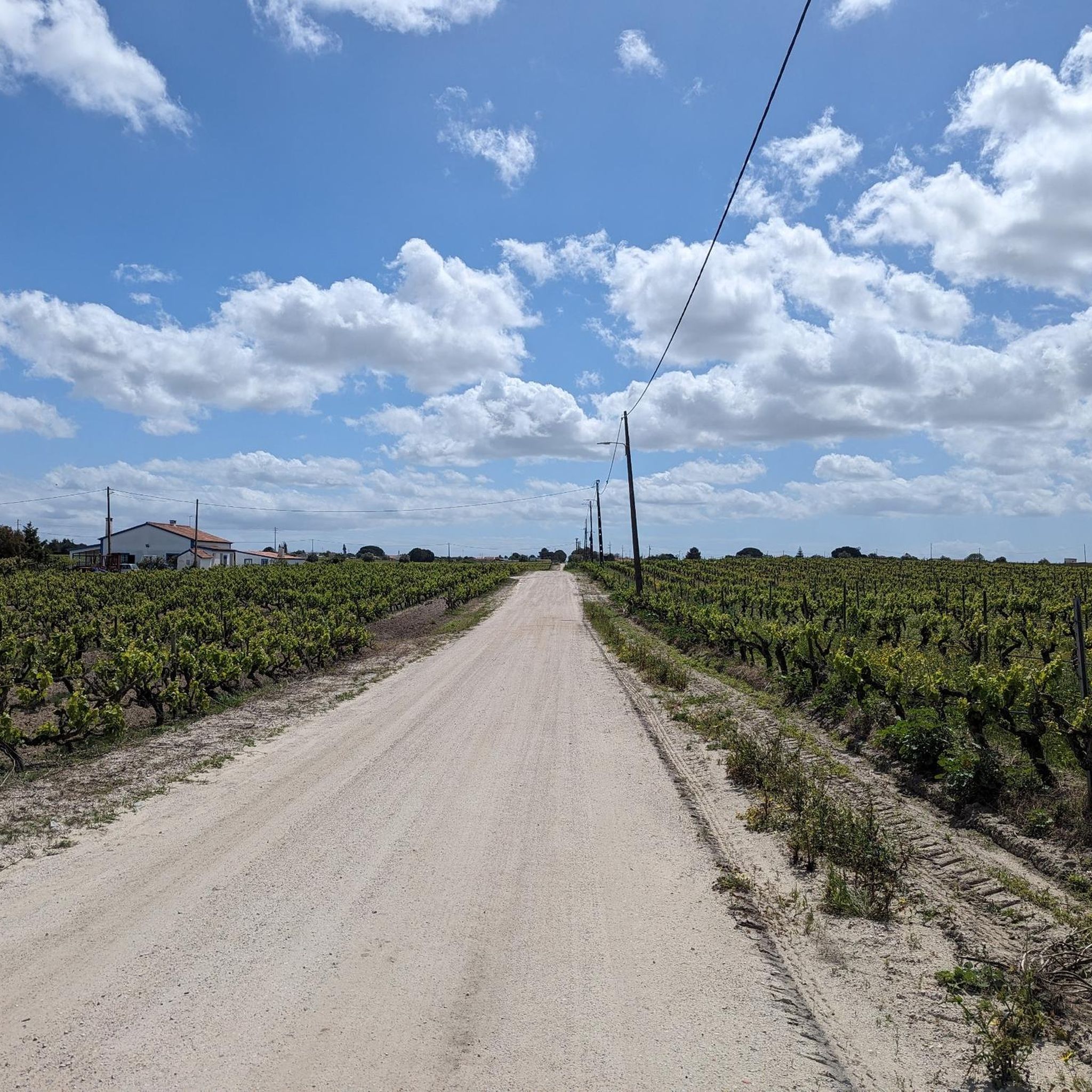
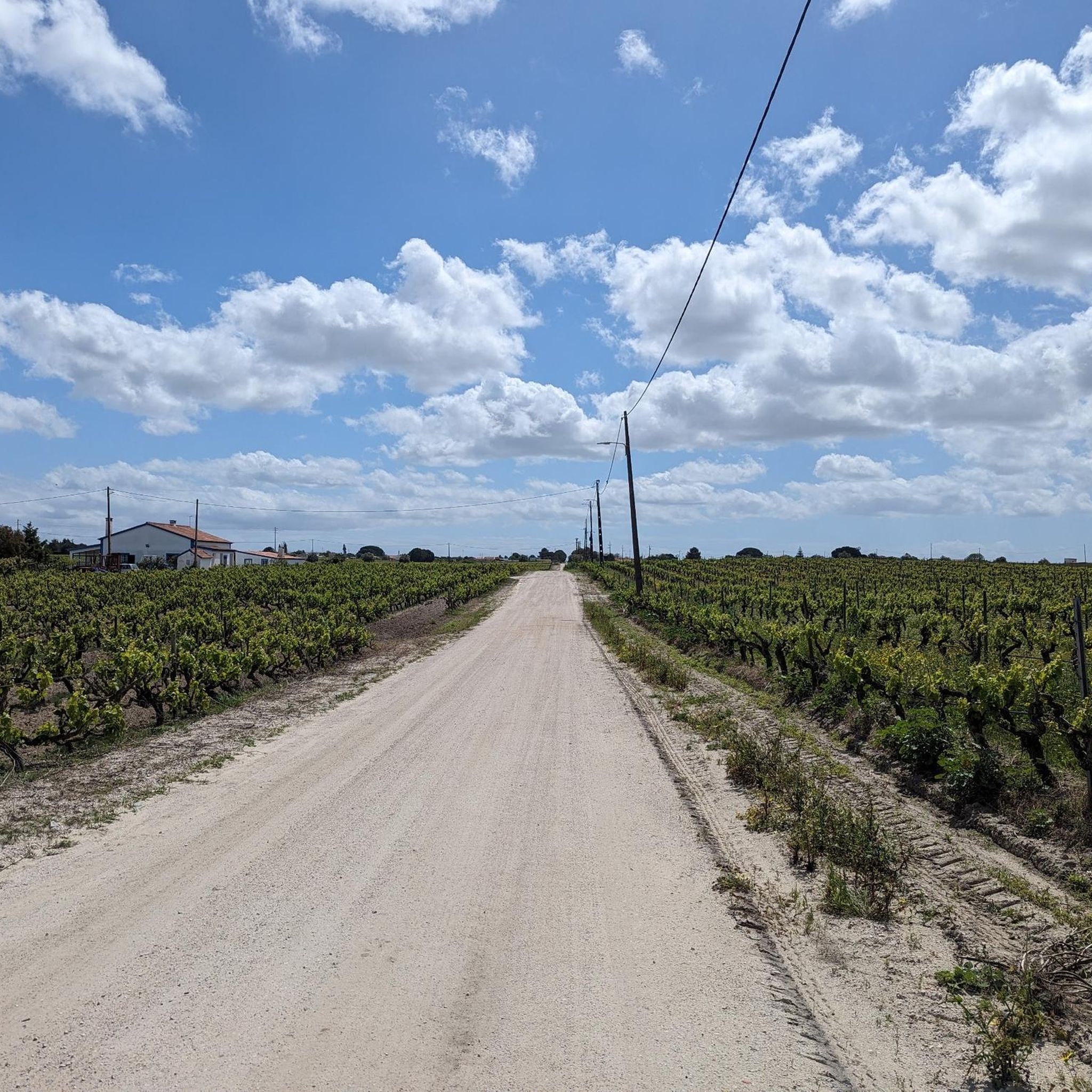
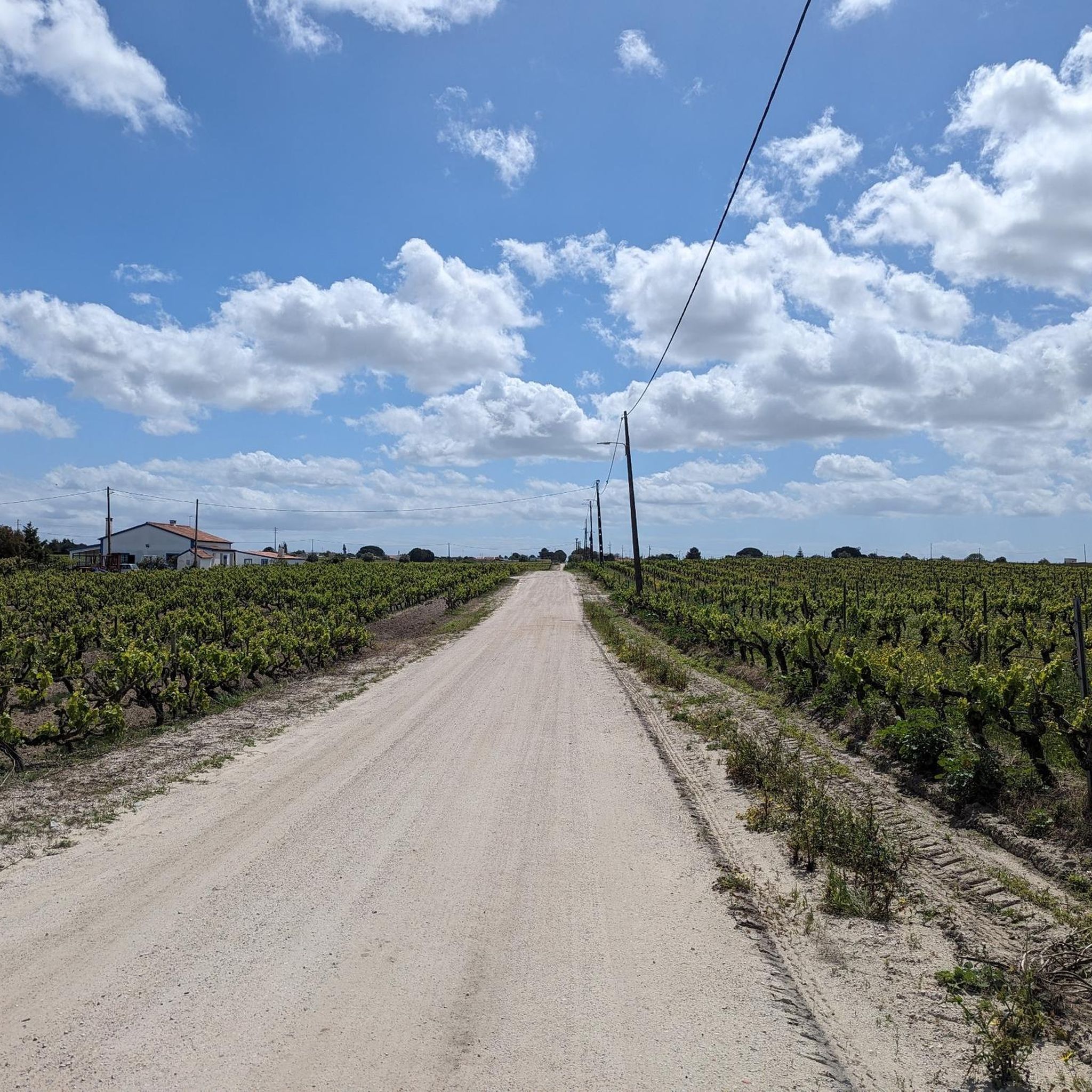
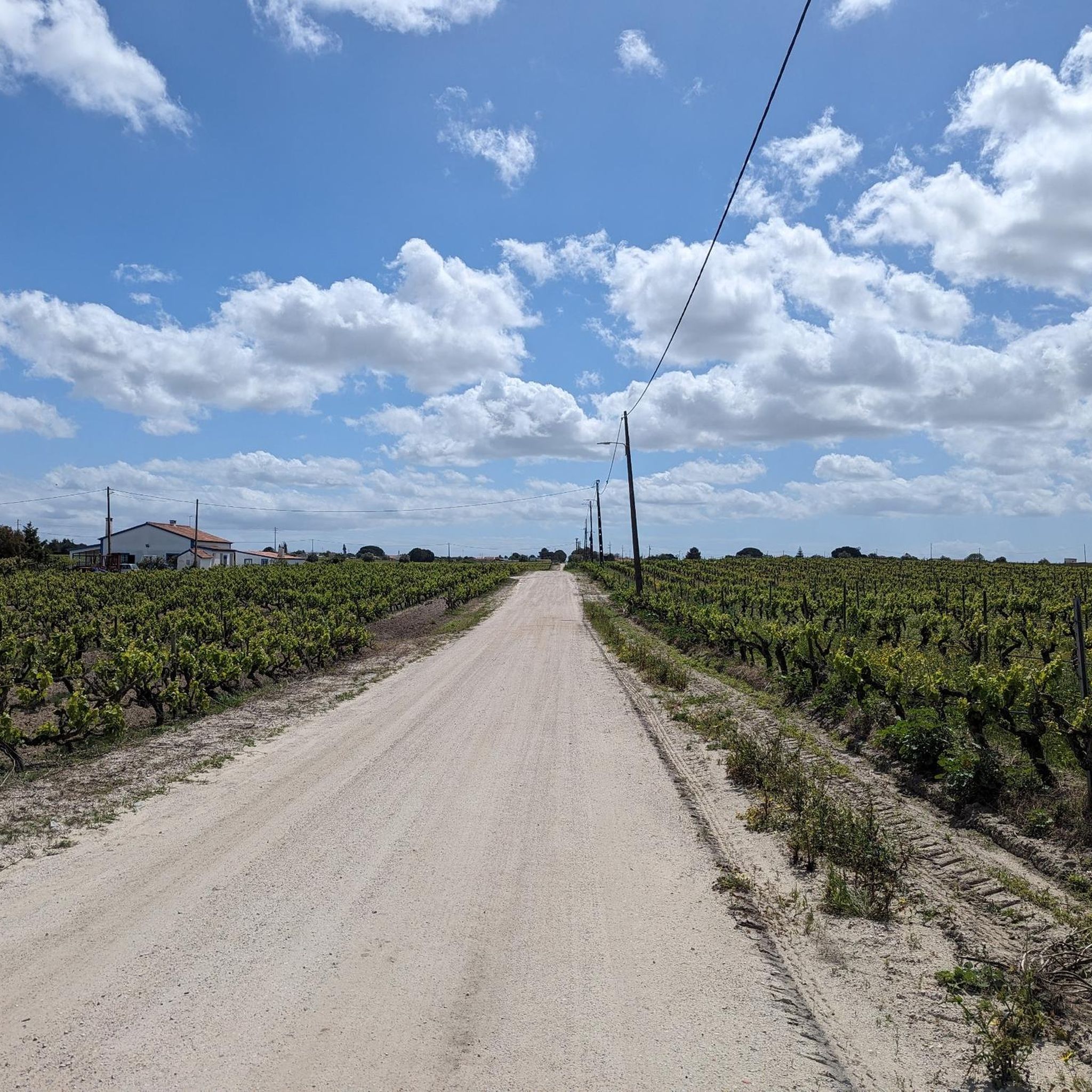
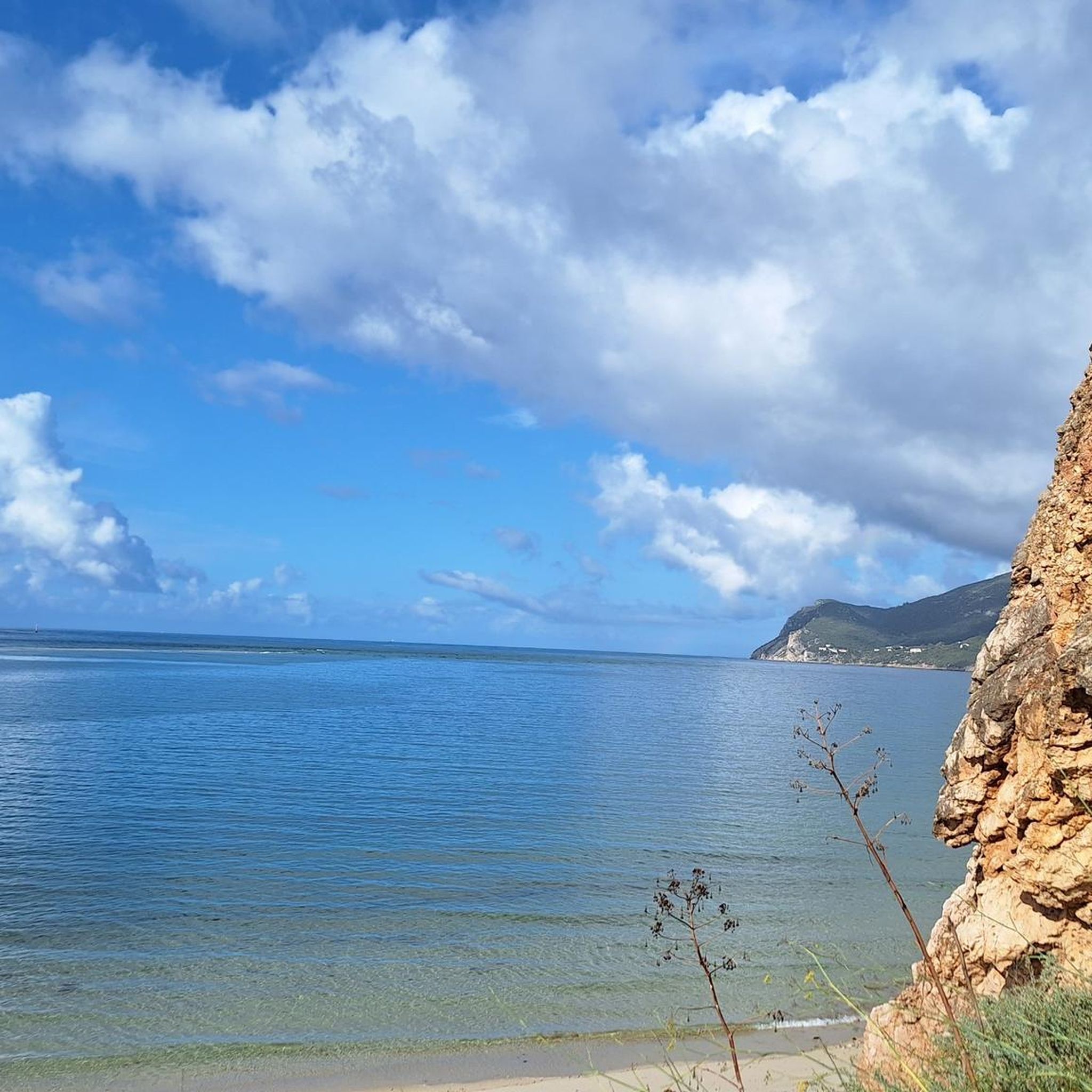
Tips from the Community

The Arrábida region holds valuable treasures and a variety of information about the geological evolution of the territory and its occupation since the Neolithic period. It is possible to discover and interpret all these signs in a simple and educational way along the Serra do Louro and Quinta do Anjo mountain range, where you can see beds of fossilized oysters and corals and a large number of archaeological remains in the form of engravings, settlements, hill forts and tombs excavated in the rock. It is also a privileged location for the global observation of all the orography related to the formation of the Serra da Arrábida. The geodetic marker marks the highest point of the Serra do Louro. At an altitude of 224 m, you can see, to the south, the Serra de São Luís (398 m), the Serra dos Gaiteiros (229 m) and the Vale dos Barris. In this location, you can also see a bed of fossilized oysters. The oldest lands in Arrábida date back to around 200 million years ago, at the beginning of the Jurassic, with the oyster beds being one of the testimonies of other geological times.
5
0
One of the most important remains of prehistory is a set of four artificial caves, excavated in the rock, which served as collective burial places for the people of the region for around 1,000 years during the Chalcolithic Period (Copper Age). The deceased was placed – in the foetal position, accompanied by a series of ceremonies and offerings – inside the tomb, which, due to its shape, imitated a mother's womb, symbolising a return to the origin of life and a tribute to fertility. The four artificial caves at Quinta do Anjo are funerary monuments with unique characteristics, dating back to the Final Neolithic (around 4,500 years ago) and which continued to be used as collective burial sites during the Copper Age. They were excavated in the rock to form circular compartments, which are accessed via a corridor and an antechamber.
5
0

Recommendation: Check the tide table to find low tide. Check the tide table, better to go during the low tide ! More chances to see birds. Golden hours sunrise or sunset will be the best !
0
0
Lovely! Calming and inspiring! I especially recommend it during the low tide. Lovely! Relaxing and inspiring! I specially recommend it during the low tide.
0
0

The Guinness World Records considered this tree to be the oldest and largest cork oak in the world. It is about 234 years old, measures 5.24 m in diameter. There was a year when more than 1200 kg of cork was removed. This tree is recognized as being of public interest. It was elected as the best European tree of the year.
19
0
Frequently Asked Questions
What are the most popular natural monuments around Poceirão?
Visitors frequently enjoy the Monumental Cork Oak of Aguas de Moura, recognized as the world's oldest and largest cork oak. The Sado Estuary Nature Reserve is also highly appreciated for its rich biodiversity and birdwatching opportunities.
Are there family-friendly natural monuments to visit near Poceirão?
Yes, several natural monuments are suitable for families. The Monumental Cork Oak of Aguas de Moura offers an impressive natural wonder that captivates all ages. The Sado Estuary Nature Reserve and the nearby Mourisca Tide Mill are also great for families, providing opportunities for nature observation and gentle walks.
What geological features can I explore around Poceirão?
The region offers fascinating geological insights. The Fossilized oyster bed is a significant site showcasing ancient geological evolution with beds of fossilized oysters and corals. You can also find the Artificial caves of Casal do Pardo, which are ancient burial sites excavated into the rock, offering a glimpse into both natural and human history.
When is the best time to visit the natural monuments around Poceirão?
For the Sado Estuary Nature Reserve, visiting during low tide is highly recommended for the best birdwatching opportunities. Generally, spring and autumn offer pleasant temperatures for exploring all outdoor sites. Golden hours around sunrise or sunset are ideal for photography at locations like the Mourisca Tide Mill.
Are there good viewpoints among the natural monuments?
Yes, the Fossilized oyster bed, located at the highest point of the Serra do Louro, offers panoramic views of the surrounding orography, including the Serra de São Luís and the Vale dos Barris. The Mourisca Tide Mill and the Sado Estuary Nature Reserve also provide inspiring views of the estuary and its wildlife.
What kind of wildlife can I expect to see in the Sado Estuary Nature Reserve?
The Sado Estuary Nature Reserve is renowned for its rich and varied fauna. It's an important habitat for numerous bird species, especially during low tide. The estuary is also famous for its resident community of bottlenose dolphins, which can often be spotted during boat trips.
What is unique about the Monumental Cork Oak of Aguas de Moura?
The Monumental Cork Oak of Aguas de Moura holds the Guinness World Record as the oldest and largest cork oak globally. Estimated to be around 234 years old, it has yielded over 1200 kg of cork in a single year. It's recognized for its public interest and was even elected as the best European tree of the year.
Are there hiking trails near the natural monuments around Poceirão?
Yes, the region around Poceirão offers various hiking opportunities. You can find easy hikes like the 'Palmela Town Hall – Pillory of Palmela loop' or more moderate routes such as the 'Alcaria of Alto da Queimada – Portuguese oak loop'. For more options, explore the Hiking around Poceirão guide.
What other outdoor activities can I do near these natural monuments?
Besides hiking, the area around Poceirão is suitable for mountain biking. You can find trails like the 'View of Palmela Castle – Moinhos por Baixo Trail loop'. For more details on cycling routes, check out the MTB Trails around Poceirão guide. The Sado Estuary also offers boat trips for dolphin and bird watching.
What do visitors enjoy most about the natural monuments in this region?
Visitors often highlight the tranquility and inspiring natural beauty of the area. The unique experience of witnessing the ancient Monumental Cork Oak, the vibrant ecosystem of the Sado Estuary, and the historical geological insights from the Fossilized oyster bed are frequently mentioned as appealing aspects.
Are there any historical sites with natural elements near Poceirão?
Yes, the Artificial caves of Casal do Pardo are significant historical sites. These four caves, excavated in rock, served as collective burial places during the Chalcolithic Period, dating back around 4,500 years. They offer a unique blend of natural rock formations and ancient human history.
Can I combine a visit to a natural monument with a cultural experience?
Absolutely. While not a natural monument itself, the historic Palmela Castle is located nearby and offers a rich cultural experience. You can combine a visit to natural sites like the Monumental Cork Oak with exploring the castle's history and enjoying its commanding views.
Most popular attractions around Poceirão

Get inspired with the komoot mobile app


Explore more
Extend your search for the best caves by checking out these guides of the top ones around Poceirão:
