Top 7 Natural Monuments around Verderena
Best natural monuments around Verderena are primarily found within the broader Setúbal District, as Verderena itself is a residential area. The region serves as a gateway to significant natural beauty, most notably the Arrábida Natural Park. This protected area features a diverse landscape where the Atlantic Ocean meets chalk cliffs and Mediterranean vegetation. It offers a range of natural features, including mountain ranges, pristine beaches, and unique flora and fauna.
Best natural monuments around Verderena
- The most popular natural monuments…
Last updated: June 30, 2026
Sanctuary of Christ the King (Santuário de Cristo Rei)
Highlight • Monument
Translated by Google •
Tip by

University of Lisbon Botanical Garden
Highlight • Forest
Translated by Google •
Tip by

Sign up now to discover places like this
Get recommendations on the best single tracks, peaks, & plenty of other exciting outdoor places.
Sign up for free
Ancient Gnarled Tree in Alfama
Highlight • Natural Monument
Translated by Google •
Tip by

Príncipe Real Garden
Highlight • Forest
Tip by

São Pedro de Alcântara Garden
Highlight (Segment) • Viewpoint
Translated by Google •
Tip by
Sign up for free to discover even more natural monuments around Verderena.
Sign up for free
Already have an account?
Start today with a free account
Your next adventure awaits.
Login or Signup
Tips from the Community

The ancient, gnarled tree in Alfama seems to have witnessed countless stories from the neighborhood. With its thick trunk, twisted branches, and the shadows it casts on the cobblestones and house walls, it offers a tranquil counterpoint to the hustle and bustle of the narrow streets. A beautiful spot to pause, take a breath, and soak up the unique atmosphere of old Lisbon.
2
0

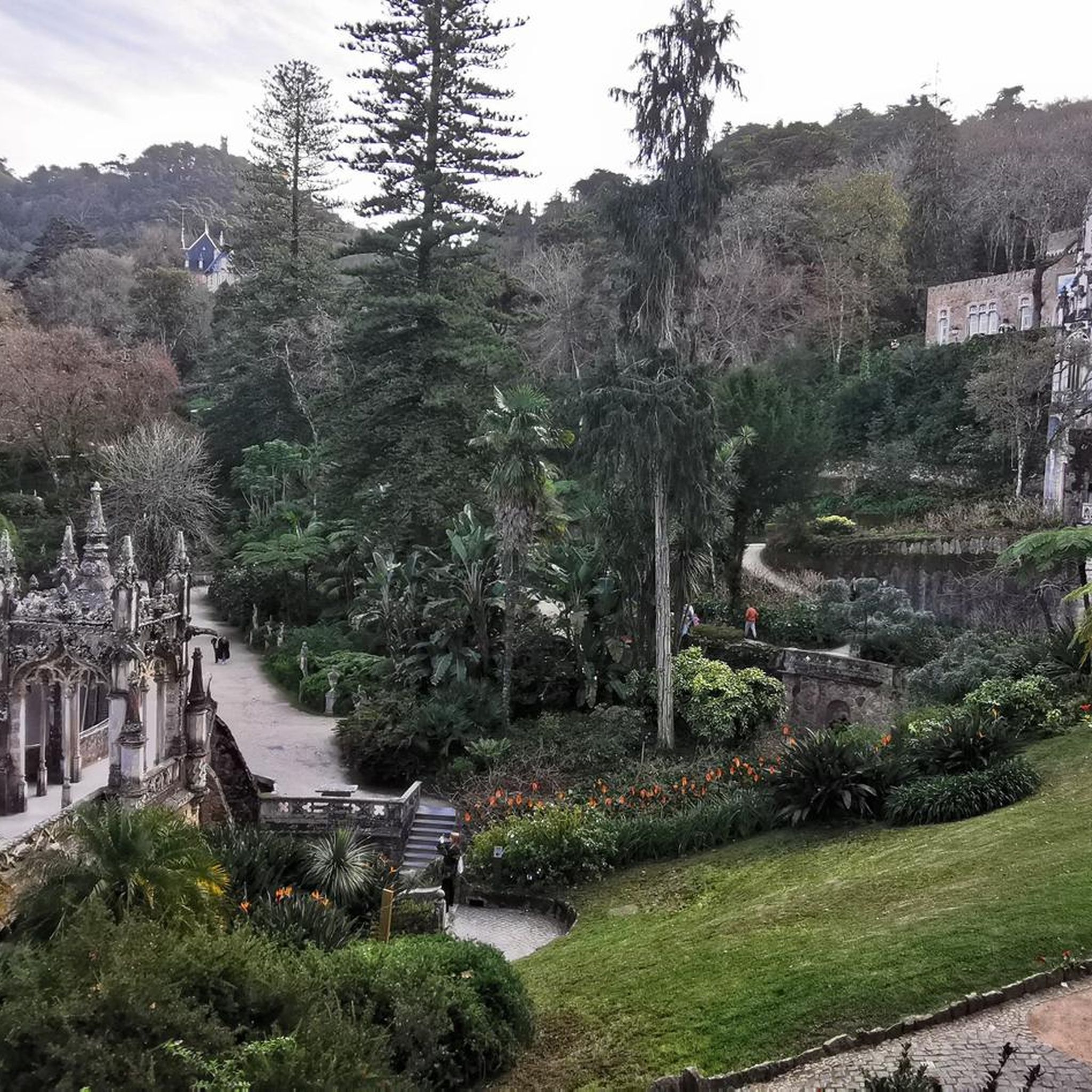
The Lisbon Botanical Garden, located in the parish of São Mamede, is one of the city's oldest and most important green spaces, with a rich history linked to scientific research and botanical conservation. Founded in 1873 at the initiative of Count Ficalho and Andrade Corvo, professors at the Lisbon Polytechnic School. Officially inaugurated in 1878, it was conceived as a scientific garden to support teaching and research in botany. It is part of the National Museum of Natural History and Science of the University of Lisbon.
3
0

The former Limoeiro Square, currently a street connecting downtown Lisbon to the Portas do Sol viewpoint, is a must-see for tourists and part of the famous tram line 28. Next to the wall of the former Limoeiro Prison, now the Center for Judicial Studies, stands a Phytolacca dioica L., which replaced the lemon tree from which this square took its name. It is approximately 13 meters tall, 17 meters across its base, and 100 years old. This species is native to South America, has a very fast growth rate, and blooms between April and June.
1
1

In a botanical garden, plants are kept looking as close as possible to what they would have in nature, without excessive human intervention (for example, pruning or cutting dry leaves). On the other hand, this ‘hands-off’ option encourages small ecosystems where insects and small animals, other plants, fungi and lichens, which are extremely important for urban biodiversity, live. In the summer, we only water what is essential. Water is a precious commodity, especially in a country like Portugal. Therefore, it is possible that water circulation is limited and that the undergrowth may become drier, especially in the summer. This is a deliberate option that does not put the plants at risk. The presence of the Garden in the heart of Lisbon mitigates the effects of rising temperatures, promoting its own microclimate and the capture of carbon dioxide.
0
1

Oasis in the hustle and bustle of the surrounding area, have a drink in peace at a kiosk
0
0

Incredibly beautiful sights in this wonderful city!
1
2
Incredible phenomenon. You don't see it every day! Right?
1
2

Frequently Asked Questions
What natural features can I expect to see near Verderena?
While Verderena itself is residential, it's a gateway to the stunning Arrábida Natural Park. Here, you'll find a dramatic landscape where the Atlantic Ocean meets chalk cliffs and lush Mediterranean vegetation. Key features include the Serra da Arrábida mountain range, pristine beaches like Praia da Figueirinha and Portinho da Arrábida, and diverse flora and fauna.
Are there any unique geological features in the natural monuments near Verderena?
Yes, within the Arrábida Natural Park, you can explore fascinating fossilized coral reefs, offering a glimpse into ancient marine life. The park also features the impressive Serra do Risco, which boasts the highest peak along the Portuguese mainland coast and a magnificent 380-meter-high cliff with panoramic ocean views.
What kind of wildlife can be found in the natural monuments around Verderena?
The Arrábida Natural Park is rich in biodiversity. Its Mediterranean vegetation supports species like cork oaks and maritime pines. You might spot elusive animals such as the Iberian lynx, Bonelli's eagle, and peregrine falcon. The coastal waters are also frequented by dolphins and various marine birds.
What are some of the most beautiful viewpoints near Verderena?
For breathtaking vistas, the Serra do Risco in Arrábida Natural Park offers unforgettable panoramic views over the Atlantic. Closer to Lisbon, the São Pedro de Alcântara Garden provides an iconic view over the city, including the Castelo de São Jorge and the Tagus estuary. The Sanctuary of Christ the King also offers expansive views from its 75-meter-high pedestal.
Are there any historical or cultural sites associated with the natural monuments?
Yes, the region around Arrábida Natural Park has cultural significance, including landmarks like the Convento da Arrábida and traditional vineyards producing local wines. In Lisbon, the Ancient Gnarled Tree in Alfama is a living historical monument, estimated to be 100 years old, standing next to the former Limoeiro Prison.
Are there family-friendly natural monuments around Verderena?
Absolutely! The University of Lisbon Botanical Garden is a great option, offering a natural setting for urban biodiversity. The Príncipe Real Garden is also a cozy spot with benches and nearby cafes, perfect for families. Additionally, the beautiful, clear-water beaches within Arrábida Natural Park, such as Praia da Figueirinha, are ideal for family relaxation and water activities.
What outdoor activities are available near Verderena's natural monuments?
The area offers a wide range of outdoor activities. Hiking and mountain biking are popular in the Serra da Arrábida. The calm waters of the Arrábida Natural Park are perfect for kayaking, snorkeling, and scuba diving. You can also find various cycling routes around Verderena, including options like the 'Panoramic swing – Seixal Bay loop'.
What are the best beaches to visit in Arrábida Natural Park?
The Arrábida Natural Park is renowned for its stunning beaches. Highly recommended are Praia da Figueirinha, Praia de Galapos, and Portinho da Arrábida, all known for their fine sand and transparent waters. Galapinhos Beach is also well-regarded for its natural beauty.
What is the best time of year to visit the natural monuments near Verderena?
The natural monuments, especially those within Arrábida Natural Park, are beautiful year-round. Spring (April to June) and early autumn (September to October) offer pleasant temperatures for hiking and exploring, with lush vegetation. Summer is ideal for enjoying the beaches and water sports, though it can be busier. Winter provides a quieter experience, perfect for scenic walks.
Are there hiking trails suitable for different difficulty levels near Verderena?
Yes, the region offers a variety of hiking trails. Within hiking around Verderena, you can find easy routes like the 'Viewpoint loop from Barreiro' (3.7 km) or 'Amora Bay, Seixal loop' (4.7 km). For more moderate challenges, consider the 'Panoramic swing – Seixal Bay loop' (9.2 km). The Arrábida Natural Park also has trails ranging from easy coastal walks to more demanding mountain paths.
Can I bring my dog to the natural monuments around Verderena?
Many outdoor areas in Portugal are dog-friendly, especially natural parks and trails, provided dogs are kept on a leash. While specific rules vary, the general expectation in places like Arrábida Natural Park is to respect wildlife and other visitors. Always check local signage or park regulations for specific restrictions, especially concerning protected areas or beaches during peak season.
How can I get to the natural monuments from Verderena?
Verderena is well-connected to the broader Setúbal District. To reach Arrábida Natural Park, driving is often the most convenient option, taking approximately 45 minutes south of Lisbon. Public transport options might involve a combination of buses or trains to nearby towns like Setúbal, followed by local transport or taxis to reach specific park areas or beaches.
What do visitors particularly enjoy about the natural monuments near Verderena?
Visitors frequently praise the breathtaking scenic beauty, especially the dramatic combination of mountains and sea in Arrábida Natural Park. The pristine beaches and opportunities for various outdoor activities are also highly valued. For urban natural spaces, the tranquility and unique atmosphere of places like the Ancient Gnarled Tree in Alfama and the green spaces of the University of Lisbon Botanical Garden are often highlighted.
Most popular attractions around Verderena

Get inspired with the komoot mobile app


Explore more
Extend your search for the best caves by checking out these guides of the top ones around Verderena:
