Top 10 Natural Monuments around Santo António Da Charneca
Best natural monuments around Santo António Da Charneca are found in a region characterized by its proximity to significant natural areas. Located near the Arrábida Natural Park, the area features a diverse landscape of coastal mountains, limestone cliffs, and Mediterranean vegetation. The historic Windmills of Serra do Louro also contribute to the region's natural and cultural heritage. This setting provides opportunities to explore viewpoints, forest trails, and ancient natural features.
Best natural monuments around Santo António Da Charneca
- The most…
Last updated: June 30, 2026
Panoramic View over the Arrábida
Highlight • Viewpoint
Translated by Google •
Tip by

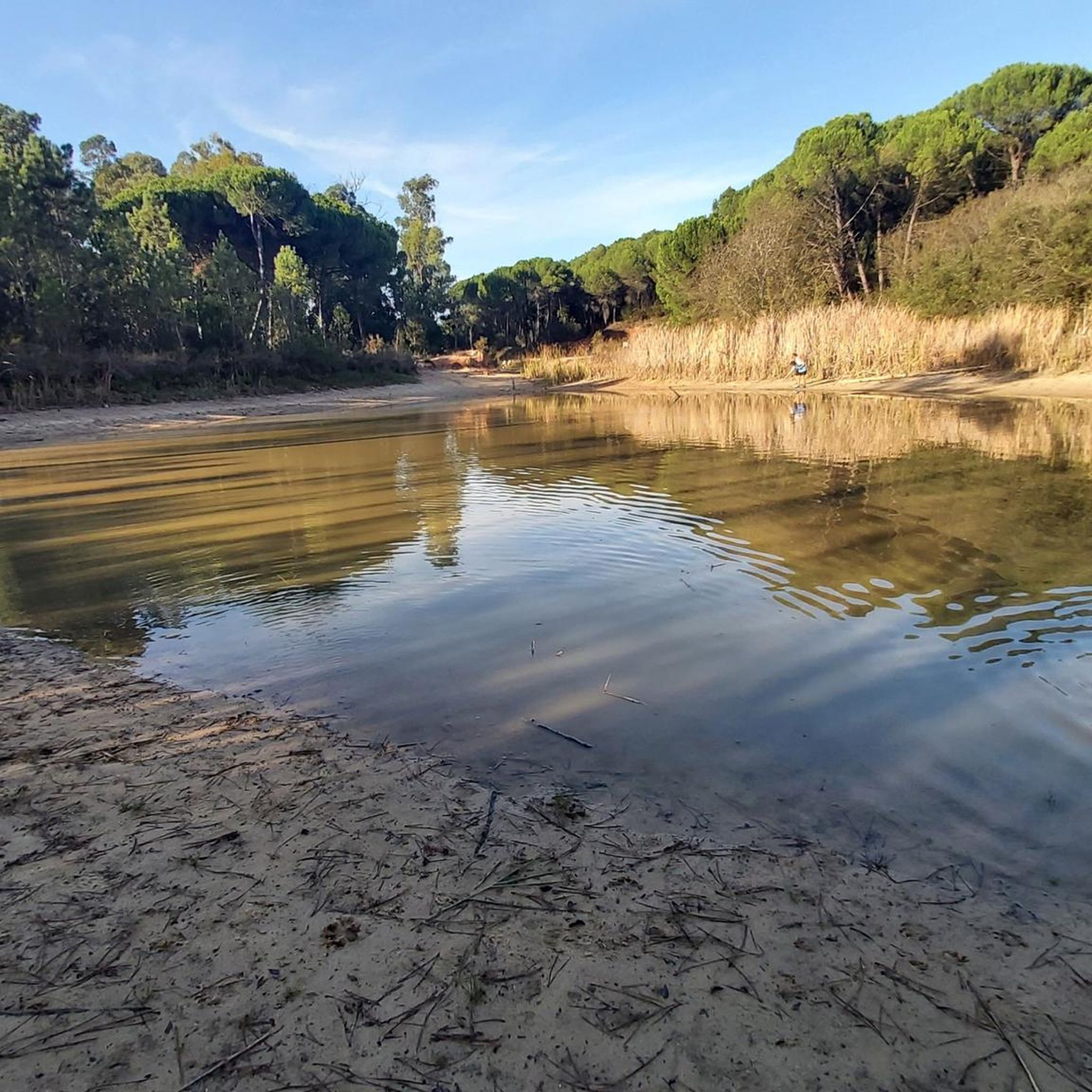
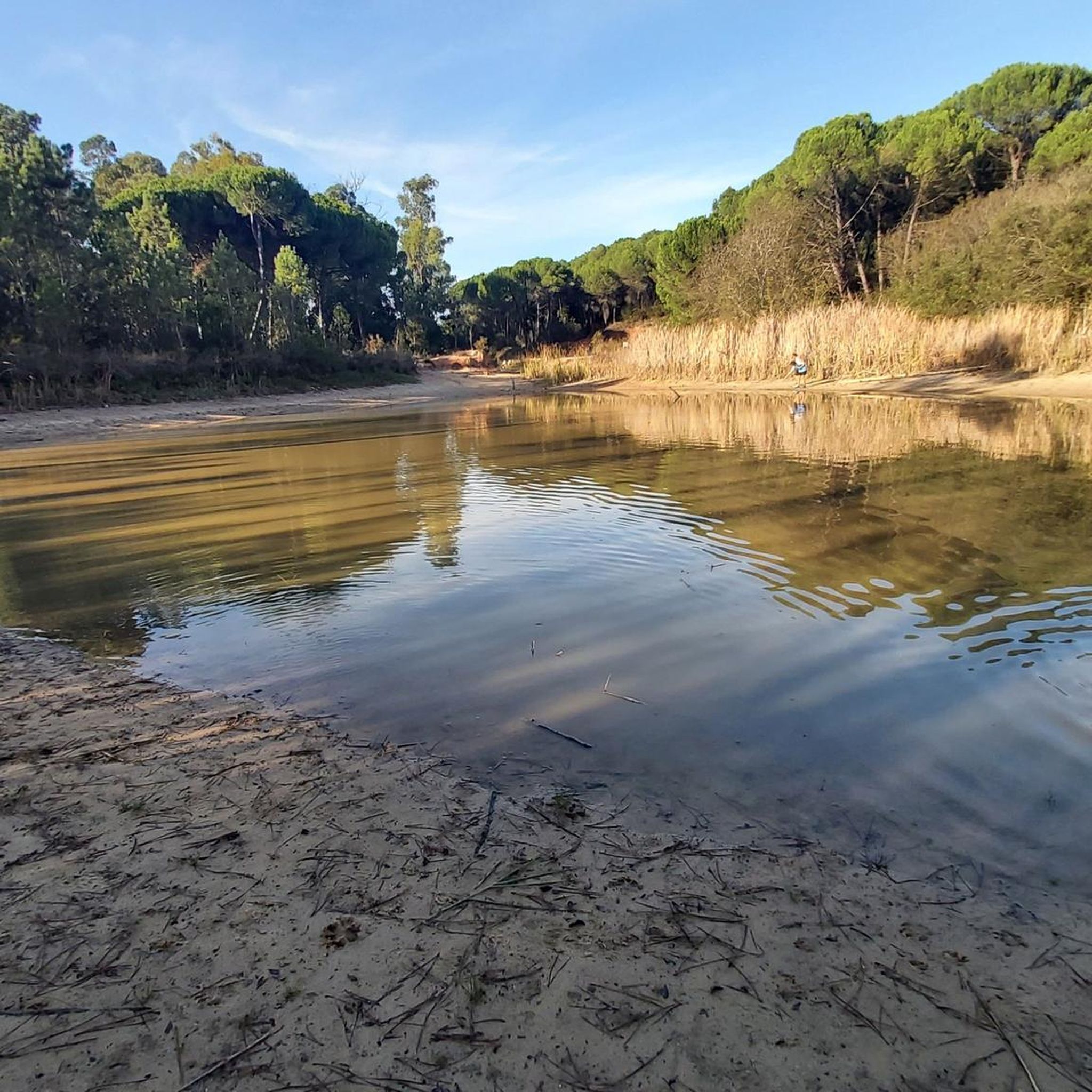
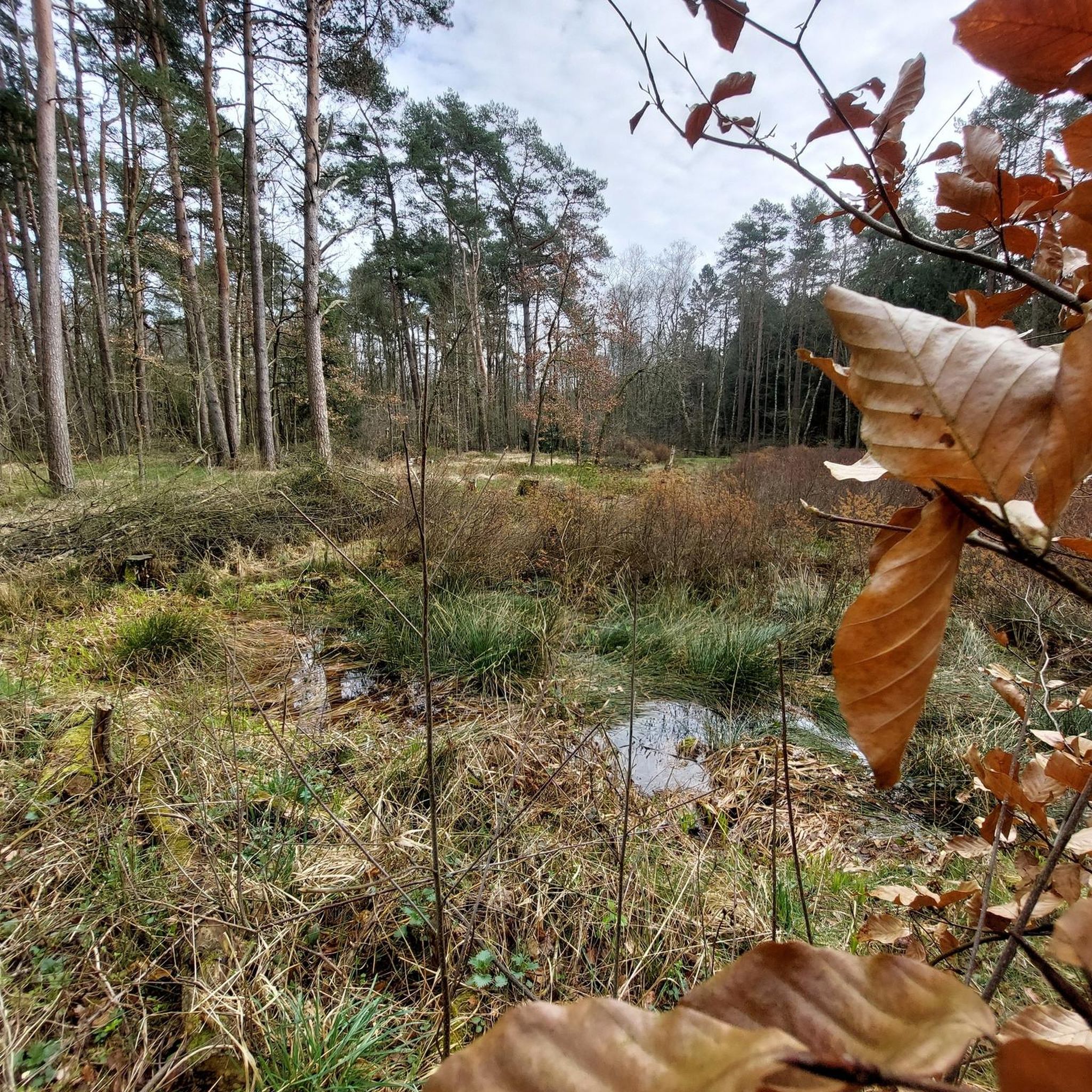
Fernão Ferro Forest Trail
Highlight (Segment) • Trail
Translated by Google •
Tip by

Sign up now to discover places like this
Get recommendations on the best single tracks, peaks, & plenty of other exciting outdoor places.
Sign up for free
São Luís Lookout
Highlight • Viewpoint
Tip by

Millenary Olive Trees of Azeitao
Highlight • Natural Monument
Translated by Google •
Tip by

Portuguese oak
Highlight • Natural Monument
Translated by Google •
Tip by
Sign up for free to discover even more natural monuments around Santo António Da Charneca.
Sign up for free
Already have an account?
Start today with a free account
Your next adventure awaits.
Login or Signup
Popular around Santo António Da Charneca

Tips from the Community


Added to the collection: https://www.komoot.com/de-de/collection/3600632/-naturdenkmaeler-besondere-baeume-und-weitere-schaetze-der-natur
0
0

On foot or by bike, Arrábida is always a privilege of nature.👍🇵🇹
0
0

Ancient, magnificent olive trees that are still alive.
2
0

The Portuguese oak can be considered an intermediate species between the oaks of the north of the country and those of the south, that is, between the black oak and the oak, and the cork oak and holm oak. This tree grows slowly and inhabits habitats that are generally limiting for most other trees. Like the holm oak, the acorns of this oak are also used in the feed of the wild pig.
5
0
During the tour, you will have the opportunity to discover the origins of Azeitão, a town located in the heart of the Arrábida Natural Park. The name Azeitão, of Arabic origin (azzeittum), refers to the vast olive groves that once covered the region. Its origins date back to the Middle Ages and, over the centuries, agriculture, especially viticulture and olive cultivation, shaped the landscape that still characterises the region today, with farms and small settlements that maintain these traditions. Azeitão gained renown from the 15th century onwards, when it became one of the favourite places of the Portuguese nobility, being shaded by the majestic Serra da Arrábida. The route begins and ends in Vila Nogueira de Azeitão and passes through several historic villages, including Aldeia Rica, Oleiros, Aldeia de Irmãos, Piedade, Portela, São Pedro, Casais da Serra and Picheleiros, always under the imposing presence of the Serra and its traditional paths.
5
0

Hello everyone. The Seixal City Council wants to approve a project so that the construction company Alves Ribeiro can destroy half of the Seixal Forest - part of the Fernão Ferro / Lagoa de Albufeira protected area. Please sign our petition to stop this from happening. Best regards. See at: https://www.salvar-floresta-seixal.com/
2
0

Olive trees over 2000 years old!
22
1
Frequently Asked Questions
What are the most popular natural monuments around Santo António Da Charneca?
The most popular natural monuments include the São Luís Lookout, which offers extensive views of the Setúbal Bay and the Arrábida northern hills. Another favorite is the Fernão Ferro Forest Trail, a path winding through a pine forest. Visitors also highly appreciate the Panoramic View over the Arrábida, providing vistas of the landscape shaped by agriculture and viticulture.
What natural features can I explore in the region?
The region is rich in diverse natural features, primarily within the Arrábida Natural Park. You can find striking limestone cliffs meeting the Atlantic Ocean, pristine white-sand beaches, and Mediterranean vegetation. Specific natural monuments include ancient trees like the Millenary Olive Trees of Azeitao and the Portuguese oak.
Are there family-friendly natural monuments or trails?
Yes, there are family-friendly options. The Fernão Ferro Forest Trail is suitable for families, offering a pleasant walk through a pine forest. Additionally, the Millenary Olive Trees of Azeitao provide an interesting and accessible natural monument for all ages.
What makes the Arrábida Natural Park a significant natural monument?
The Arrábida Natural Park is a protected coastal mountain range known for its dramatic limestone cliffs, rich biodiversity, and unique microclimate. It was designated a UNESCO Biosphere Reserve in 2025, highlighting its ecological importance. The park features diverse flora and fauna, including rare species, and a marine reserve with over 1,400 species.
Can I find historical natural monuments in the area?
Beyond the natural beauty, the region offers historical insights. The Millenary Olive Trees of Azeitao are ancient, living testaments to the region's agricultural past. Additionally, the nearby Windmills of Serra do Louro, some centuries old, offer a glimpse into the area's agricultural heritage and traditional processes.
What kind of views can I expect from the viewpoints?
The viewpoints in the region offer spectacular panoramic vistas. From the São Luís Lookout, you can see the Setúbal Bay, the Tróia Peninsula, and the northern Arrábida hills. The Panoramic View over the Arrábida provides sweeping views of the landscape, showcasing the influence of agriculture, viticulture, and olive cultivation.
Are there hiking trails near these natural monuments?
Yes, the region offers various hiking opportunities. For easy walks, you can explore routes like the 'Chapel of São Luís da Serra loop' or the 'Portuguese oak loop'. For more moderate hikes, consider trails such as the 'Cai de Costas Trail' or the 'Panoramic swing – Seixal Bay loop'. You can find more details on these and other hiking routes in the Easy hikes around Santo António Da Charneca guide and the Hiking around Santo António Da Charneca guide.
What other outdoor activities can I do near the natural monuments?
Beyond hiking, the area is excellent for mountain biking. You can find trails like the 'Moinhos por Baixo Trail' or the 'Quinta de Alcube – View of the Arrábida Valley loop'. The Arrábida Natural Park also offers opportunities for swimming, snorkeling, kayaking, paddleboarding, coasteering, and even dolphin watching tours in the Sado Estuary. Explore more MTB options in the MTB Trails around Santo António Da Charneca guide.
What is the best time to visit the natural monuments in this region?
The region's natural monuments, particularly those within the Arrábida Natural Park, are enjoyable year-round. Spring and autumn offer pleasant temperatures for hiking and exploring. Summer is ideal for enjoying the beaches and water activities, while the mild winters can still be suitable for outdoor exploration, especially for forest trails and viewpoints.
What wildlife can I spot in the Arrábida Natural Park?
The Arrábida Natural Park is home to diverse wildlife. On land, you might spot the elusive Iberian lynx, Bonelli's eagles, and peregrine falcons. The marine reserve, Parque Marinho Luiz Saldanha, is particularly rich, boasting over 1,400 species, including red mullet and green crabs. Dolphin watching tours are also popular in the Sado Estuary.
Are there any hidden gems among the natural monuments?
While not widely publicized, the historic Windmills of Serra do Louro can be considered a hidden gem. Some of these 'Moinhos Vivos' (Alive Windmills) have been restored and offer a unique insight into traditional milling processes within a picturesque natural setting, perfect for a quiet hike.
What do visitors enjoy most about the natural monuments around Santo António Da Charneca?
Visitors frequently praise the stunning panoramic views, especially from spots like the São Luís Lookout, and the tranquility of the forest trails, such as the Fernão Ferro Forest Trail. The unique blend of coastal scenery, lush vegetation, and historical elements like the ancient olive trees also receives high appreciation.
Most popular routes around Santo António Da Charneca
Most popular attractions around Santo António Da Charneca

Get inspired with the komoot mobile app


Explore more
Extend your search for the best caves by checking out these guides of the top ones around Santo António Da Charneca:
