Top 10 Natural Monuments around Lavradio
Best natural monuments around Lavradio include a diverse range of sites, primarily located in the broader Lisbon area. This region features a mix of urban green spaces, botanical gardens, and significant landmarks that offer natural viewpoints. The landscape is characterized by its proximity to the Tagus River and the varied terrain of the Lisbon metropolitan area. These locations provide opportunities to experience both cultivated nature and expansive vistas.
Best natural monuments around Lavradio
- The most popular natural monuments is Sanctuary…
Last updated: June 30, 2026
Sanctuary of Christ the King (Santuário de Cristo Rei)
Highlight • Monument
Translated by Google •
Tip by

University of Lisbon Botanical Garden
Highlight • Forest
Translated by Google •
Tip by

Sign up now to discover places like this
Get recommendations on the best single tracks, peaks, & plenty of other exciting outdoor places.
Sign up for free
Alameda Luminous Fountain
Highlight • Monument
Translated by Google •
Tip by
Ancient Gnarled Tree in Alfama
Highlight • Natural Monument
Translated by Google •
Tip by

Príncipe Real Garden
Highlight • Forest
Tip by

Sign up for free to discover even more natural monuments around Lavradio.
Sign up for free
Already have an account?
Start today with a free account
Your next adventure awaits.
Login or Signup
Tips from the Community

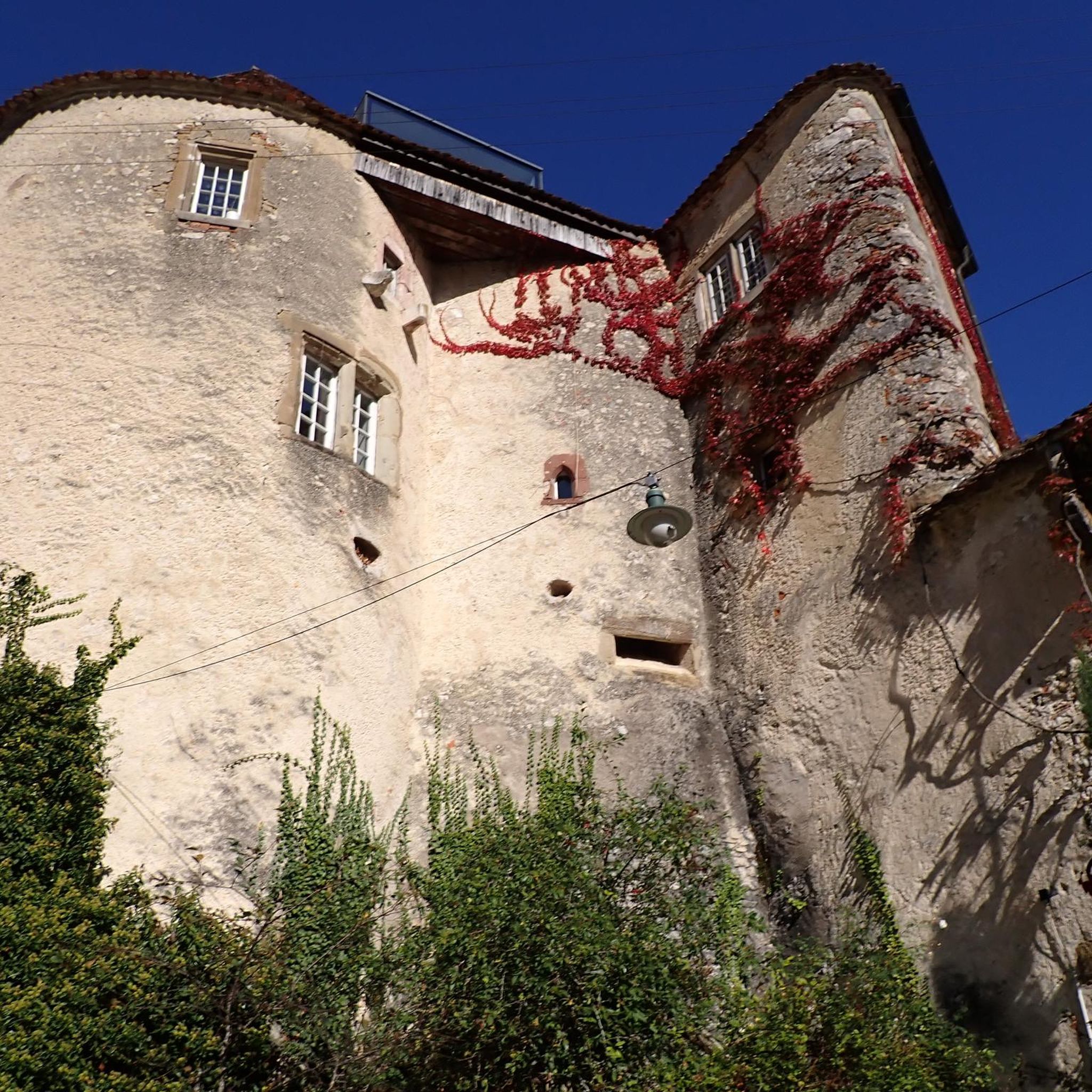
The ancient, gnarled tree in Alfama seems to have witnessed countless stories from the neighborhood. With its thick trunk, twisted branches, and the shadows it casts on the cobblestones and house walls, it offers a tranquil counterpoint to the hustle and bustle of the narrow streets. A beautiful spot to pause, take a breath, and soak up the unique atmosphere of old Lisbon.
2
0

The Lisbon Botanical Garden, located in the parish of São Mamede, is one of the city's oldest and most important green spaces, with a rich history linked to scientific research and botanical conservation. Founded in 1873 at the initiative of Count Ficalho and Andrade Corvo, professors at the Lisbon Polytechnic School. Officially inaugurated in 1878, it was conceived as a scientific garden to support teaching and research in botany. It is part of the National Museum of Natural History and Science of the University of Lisbon.
3
0
The architectural design was designed by brothers Carlos and Guilherme Rebello de Andrade in the Portuguese Suave style, typical of the Estado Novo. The sculptures were made by Maximiano Alves (caryatids) and Diogo de Macedo (figures of the Tagus River and the Tagides), with lateral reliefs by Jorge Barradas.
5
0
The Alameda Luminous Fountain, also known as the Monumental Fountain, is one of Lisbon's most iconic monuments, located on Alameda Dom Afonso Henriques, right next to the Alameda metro station (green and red lines). It was conceived in 1938 and finally inaugurated on May 30, 1948. Its construction celebrated the regular supply of water to the eastern part of Lisbon.
5
0

The former Limoeiro Square, currently a street connecting downtown Lisbon to the Portas do Sol viewpoint, is a must-see for tourists and part of the famous tram line 28. Next to the wall of the former Limoeiro Prison, now the Center for Judicial Studies, stands a Phytolacca dioica L., which replaced the lemon tree from which this square took its name. It is approximately 13 meters tall, 17 meters across its base, and 100 years old. This species is native to South America, has a very fast growth rate, and blooms between April and June.
1
1

In a botanical garden, plants are kept looking as close as possible to what they would have in nature, without excessive human intervention (for example, pruning or cutting dry leaves). On the other hand, this ‘hands-off’ option encourages small ecosystems where insects and small animals, other plants, fungi and lichens, which are extremely important for urban biodiversity, live. In the summer, we only water what is essential. Water is a precious commodity, especially in a country like Portugal. Therefore, it is possible that water circulation is limited and that the undergrowth may become drier, especially in the summer. This is a deliberate option that does not put the plants at risk. The presence of the Garden in the heart of Lisbon mitigates the effects of rising temperatures, promoting its own microclimate and the capture of carbon dioxide.
0
1

Oasis in the hustle and bustle of the surrounding area, have a drink in peace at a kiosk
0
0

Monumental 1940 fountain in a park, with sculptures of Triton & mermaids, plus evening light shows.
1
0
Frequently Asked Questions
What types of natural monuments can I expect to find around Lavradio?
The natural monuments around Lavradio are diverse, primarily located in the broader Lisbon area. You'll find a mix of urban green spaces, historic botanical gardens, and significant viewpoints that offer expansive natural vistas. These include cultivated natural areas and spots where man-made structures provide unique perspectives on the natural landscape, such as the Tagus River.
Are there any family-friendly natural monuments near Lavradio?
Yes, several natural monuments around Lavradio are suitable for families. For instance, the Sanctuary of Christ the King offers impressive views and open spaces. The University of Lisbon Botanical Garden and Príncipe Real Garden are also great for families, providing green spaces for relaxation and exploration. The Alameda Luminous Fountain is another family-friendly spot with its monumental design.
What are some notable natural features or viewpoints to experience?
The region offers several notable viewpoints. The Sanctuary of Christ the King provides panoramic views of the Tagus River and Lisbon from its 75-meter high pedestal. The Ancient Gnarled Tree in Alfama is a unique natural monument, a century-old Phytolacca dioica L. that offers a tranquil spot amidst the historic streets. Many of the urban gardens also feature impressive old trees and cultivated plant displays.
What kind of outdoor activities can I do near these natural monuments?
While Lavradio itself is more urban, the surrounding areas, particularly Lisbon, offer various outdoor activities. You can find numerous hiking routes, including easy and moderate trails, that allow you to explore the city's natural viewpoints and green spaces. There are also road cycling routes available. For more details on specific trails, you can explore the Easy hikes around Lavradio, Hiking around Lavradio, and Road Cycling Routes around Lavradio guides.
Are there any botanical gardens or significant green spaces to visit?
Yes, the University of Lisbon Botanical Garden is a historic and important green space, known for its scientific research and botanical conservation efforts, showcasing diverse plant life. Additionally, the Príncipe Real Garden offers a cozy urban park experience with benches and a notable old tree, perfect for a relaxing break.
What do visitors particularly enjoy about the natural monuments around Lavradio?
Visitors frequently appreciate the panoramic views, especially from sites like the Sanctuary of Christ the King, which offers stunning vistas of the Tagus River and Lisbon. The tranquil atmosphere of green spaces like the Príncipe Real Garden and the unique character of the Ancient Gnarled Tree in Alfama are also highly valued. The blend of natural beauty with historical and architectural elements is a common highlight.
Are there any historical natural monuments or sites with natural elements?
Yes, the Ancient Gnarled Tree in Alfama is a natural monument with significant historical context, located in one of Lisbon's oldest neighborhoods. The University of Lisbon Botanical Garden also has a rich history, founded in 1873, linking scientific research with botanical conservation. Even man-made structures like the Sanctuary of Christ the King offer historical significance alongside their natural viewpoints.
Can I find easy hikes or walks near these natural monuments?
Many of the natural monuments, being within urban or semi-urban settings, are accessible via easy walks. For example, exploring the botanical gardens or the areas around viewpoints like the Sanctuary of Christ the King involves relatively easy paths. For dedicated easy hiking routes in the broader area, refer to the Easy hikes around Lavradio guide.
Are there cafes or places to eat near these natural monuments?
Yes, especially for the natural monuments located within Lisbon's urban fabric. For instance, the Príncipe Real Garden is surrounded by cafes and ice cream shops, making it easy to grab a refreshment. Other locations in Lisbon's city center also have numerous dining options nearby.
What is the best time to visit the natural monuments around Lavradio?
The natural monuments around Lavradio, being largely urban or accessible viewpoints, can be visited year-round. Spring and autumn offer pleasant temperatures for exploring the botanical gardens and walking around viewpoints. Summer can be warm, but the green spaces provide shade. Winter visits are also possible, especially for viewpoints, though some outdoor activities might be less comfortable in cooler or wetter weather.
Are the natural monuments around Lavradio accessible by public transport?
Given that many of the highlighted natural monuments are in the Lisbon metropolitan area, they are generally well-served by public transport. For example, the Alameda Luminous Fountain is conveniently located right next to the Alameda metro station. Specific transport details for each site can usually be found on local transport websites or by checking maps.
Can I bring my dog to these natural monuments?
Policies regarding dogs vary by location. Urban parks and gardens often have specific rules, sometimes allowing dogs on leash in certain areas but not in others, especially botanical gardens. It's advisable to check the specific regulations for each natural monument you plan to visit, such as the University of Lisbon Botanical Garden or Príncipe Real Garden, before your visit.
Most popular attractions around Lavradio

Get inspired with the komoot mobile app


Explore more
Extend your search for the best caves by checking out these guides of the top ones around Lavradio:
