Top 12 Natural Monuments around Alcanede
Best natural monuments around Alcanede are found within the Serras de Aire e Candeeiros Natural Park, an area characterized by significant limestone formations, extensive cave systems, and unique karstic landscapes. This region offers a diverse natural environment for exploration. The landscape around Alcanede is notable for its geological features, including ancient rock formations and underground water networks. It provides opportunities to observe natural phenomena and geological history.
Best natural monuments around Alcanede
- The most popular natural monuments is Fórnea Waterfall…
Last updated: June 30, 2026
Fórnea Waterfall
Highlight • Waterfall
Tip by

PR3 Hiking Trail – Serras de Aire e Candeeiros Natural Park
Highlight • Trail
Translated by Google •
Tip by

Sign up now to discover places like this
Get recommendations on the best single tracks, peaks, & plenty of other exciting outdoor places.
Sign up for free
Peão Fountain - Monsanto
Highlight • Natural Monument
Translated by Google •
Tip by

Cova da Velha
Highlight • Cave
Translated by Google •
Tip by

Serro Ventoso Swing
Highlight • Viewpoint
Translated by Google •
Tip by
Sign up for free to discover even more natural monuments around Alcanede.
Sign up for free
Already have an account?
Start today with a free account
Your next adventure awaits.
Login or Signup
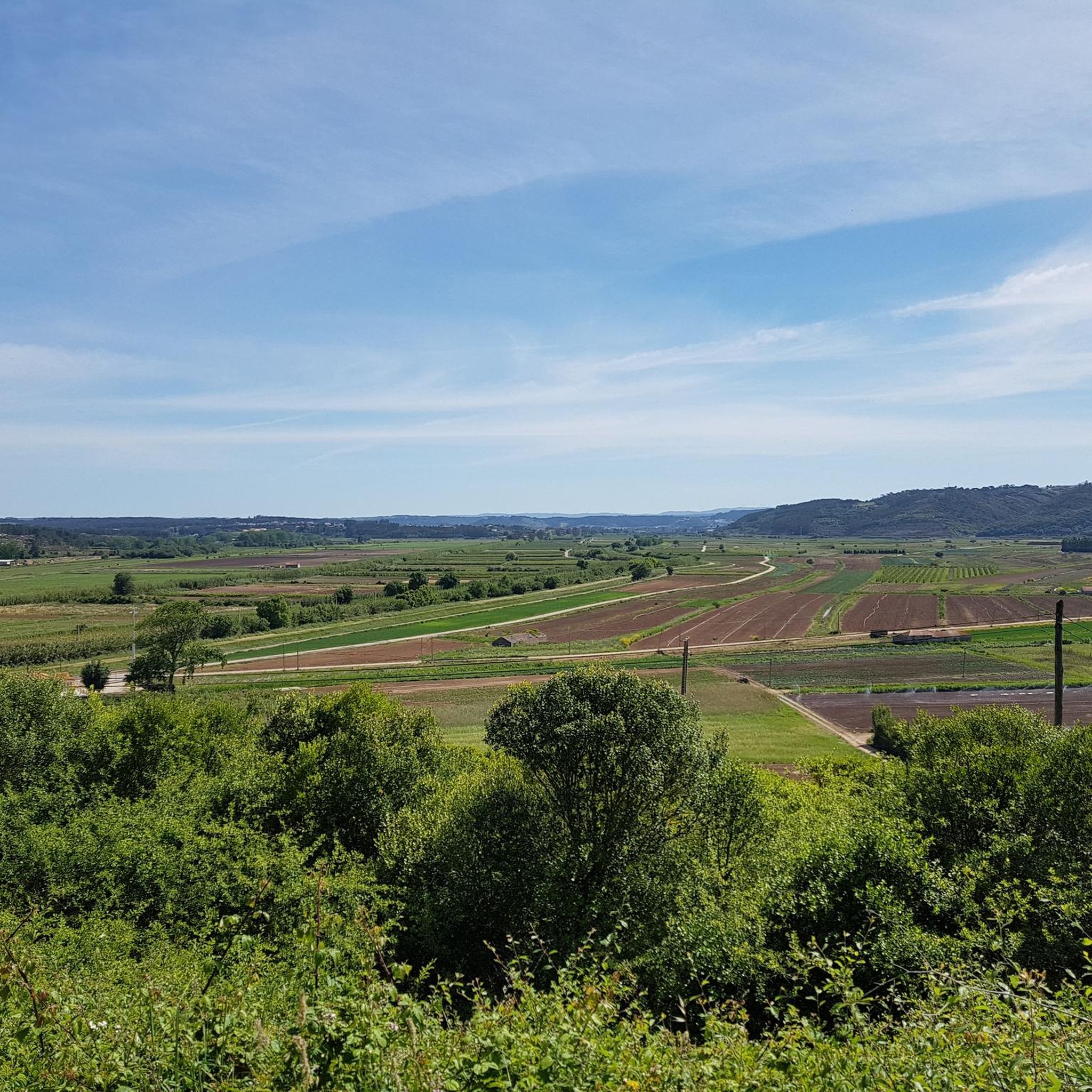
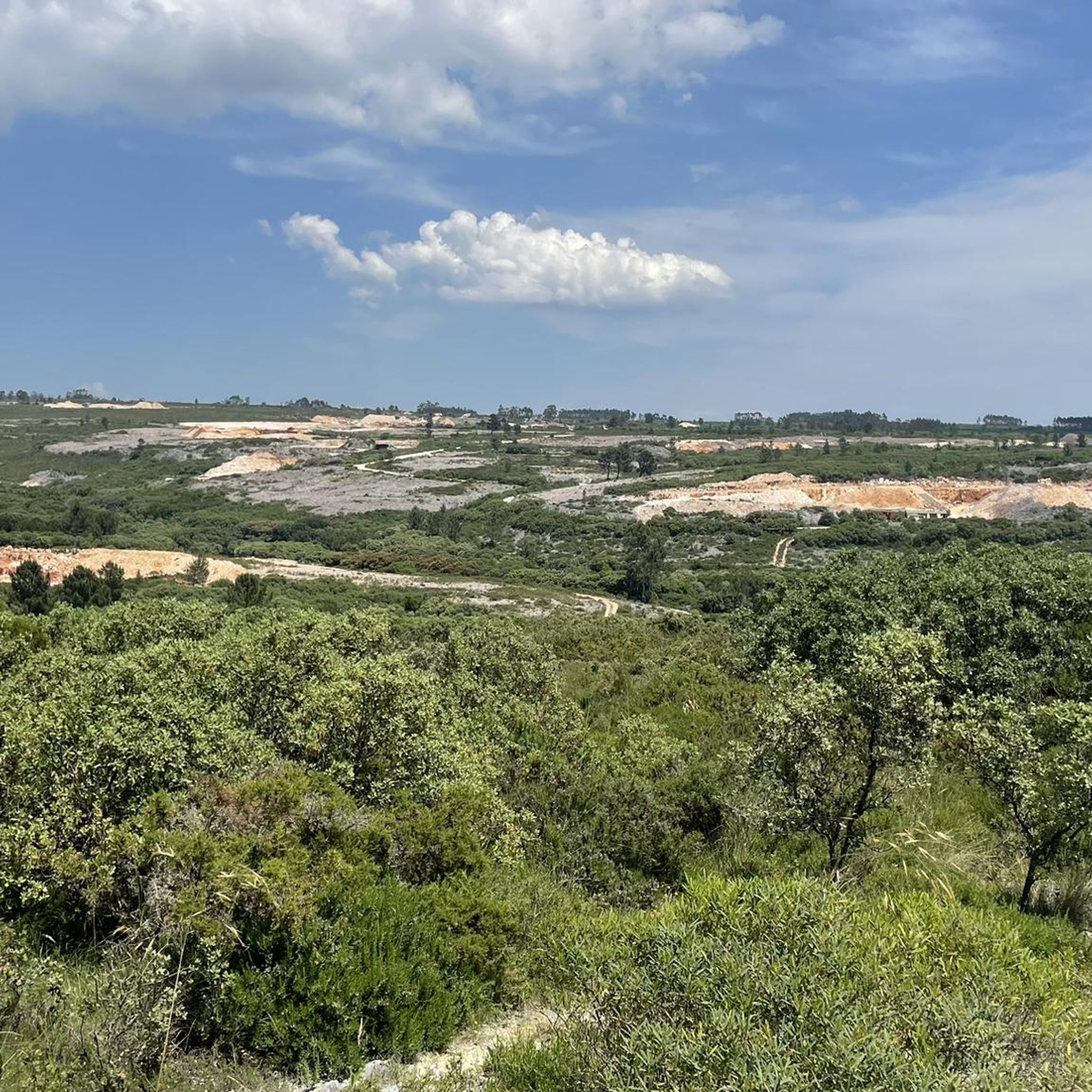
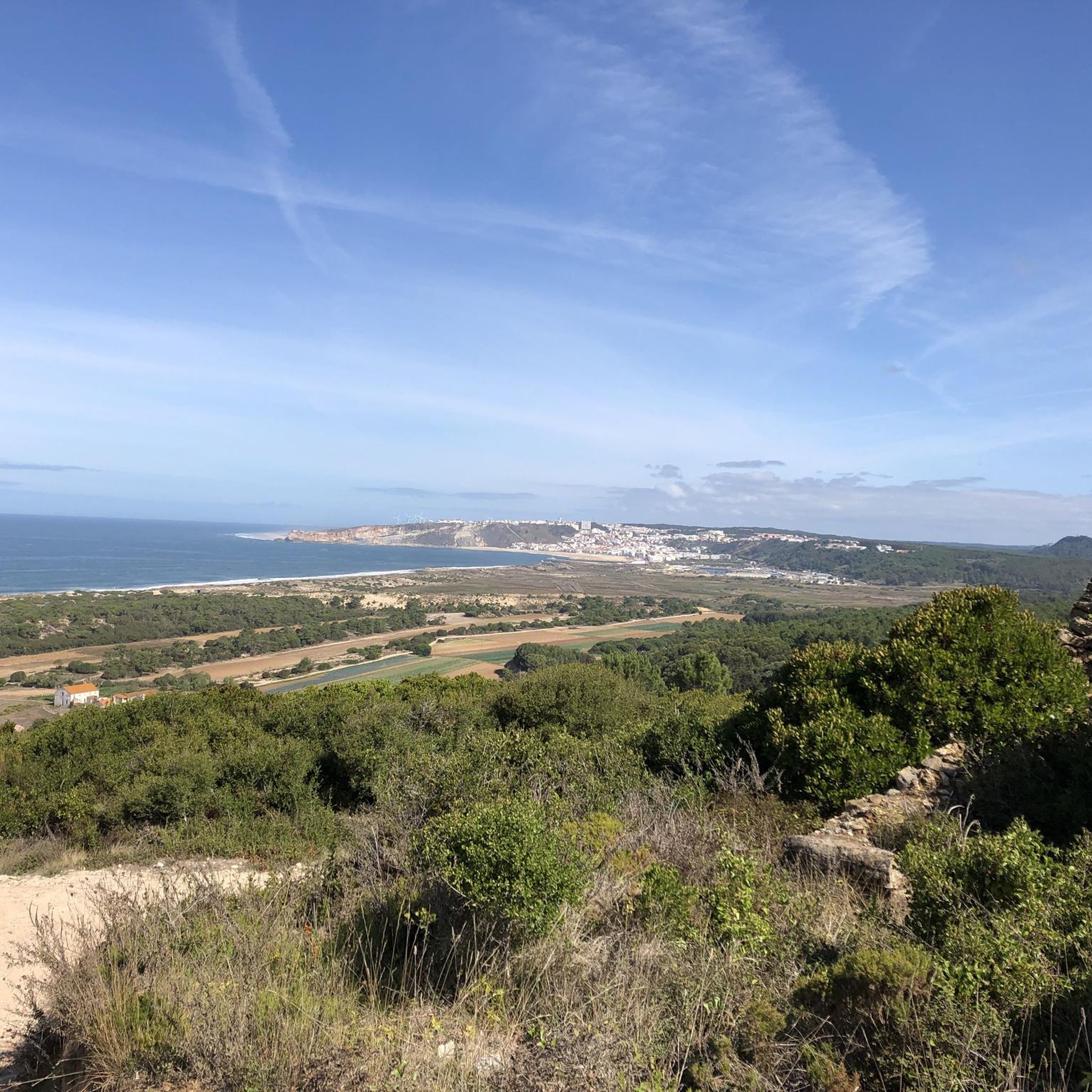
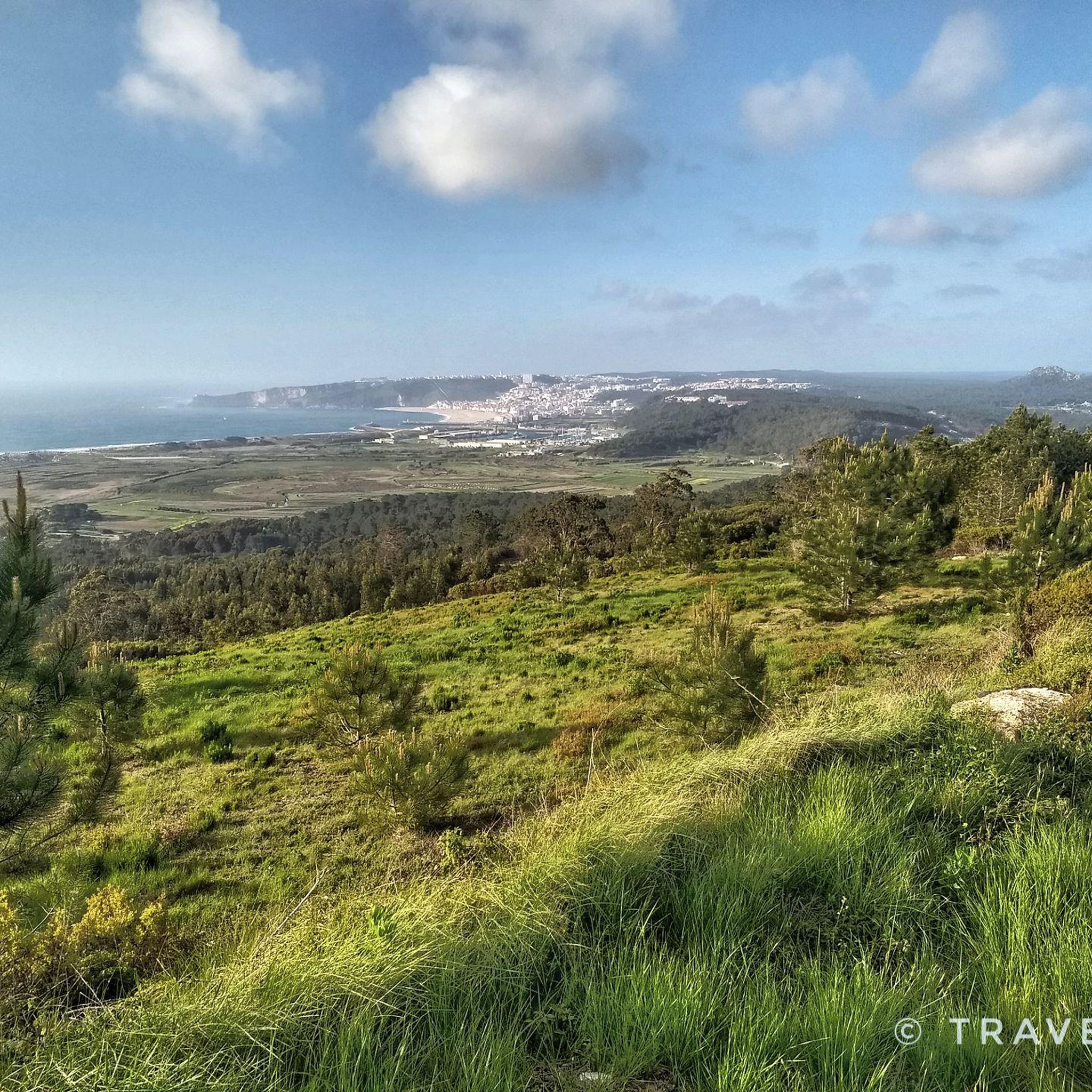
Tips from the Community

The Fórnea stream originates here, in the Cova da Velha cave, where a natural spring flows almost all year round. However, due to the limestone soil, the water easily infiltrates, traveling through underground galleries instead of flowing freely on the surface. As a result, the stunning Fórnea waterfall only reveals its full grandeur after days of heavy rain.
2
1

The Fórnea Waterfall is located right in the heart of the Serras de Aire e Candeeiros Natural Park, and is fed by the Fórnea Stream, which in turn flows from the Cova da Velha cave.
2
0

Nice quiet route. No water at the waterfall, unfortunately. Because that would give a different experience, certainly worth it for the beautiful views
0
0

The waterfall only appears after heavy rain! Fórnea waterfall just appear after intense rain!
1
0

Actually, there is supposed to be a waterfall here. Unfortunately dried out due to the drought in July.
1
1
Very cool highlight at the summit. A chilled swing with which you can enjoy the gigantic panoramic view even more. Of course, the whole thing is also a very nice photo highlight. The ascent from the west is easily feasible via a rocky trail. It's quite steep uphill but not a problem if you are fit enough.
0
1
The Fonte do Peão, built in 1884, is one of the symbols of the parish of Monsanto. It is covered in tiles that depict rural life. The water in the Fonte do Peão comes from a spring and flows regularly throughout the year. According to information obtained from local residents, the water is good for human consumption and is used as a source of water for the many travellers who pass through there.
2
0

Fornea Waterfall. In the lower part of Fórnea, after a few days of rain, you can enjoy a beautiful waterfall.
1
0
Frequently Asked Questions
What are the most notable natural monuments to visit around Alcanede?
The region around Alcanede, particularly within the Serras de Aire e Candeeiros Natural Park, is rich in geological wonders. Key natural monuments include the impressive Fórnea Waterfall, which is part of the larger Fórnea Natural Amphitheatre, and the fascinating Cova da Velha cave, where the Fórnea stream originates. Other significant sites are the Salinas de Rio Maior, Portugal's only inland salt pans, and the vast Mira de Aire Caves, known for their stunning underground formations.
Are there family-friendly natural monuments suitable for children?
Yes, several natural monuments around Alcanede are suitable for families. The Fórnea Waterfall is considered family-friendly, especially after rainfall when the waterfall is active. The Peão Fountain - Monsanto is also a pleasant spot for families, offering a historical and cultural element. The Salinas de Rio Maior provide an educational and engaging experience for all ages, showcasing traditional salt extraction methods.
What kind of geological features can I expect to see in the natural monuments near Alcanede?
The area is renowned for its significant limestone formations, extensive cave systems, and unique karstic landscapes. You'll encounter dramatic natural amphitheaters like the Fórnea, carved by millions of years of erosion, and deep underground networks such as the Mira de Aire Caves with their stalagmites and stalactites. The Salinas de Rio Maior showcase a rare geological fault leading to an underground saltwater spring, while the Olhos d'Água Spring highlights the region's important hydrogeological features.
What is the best time of year to visit the natural monuments around Alcanede?
The best time to visit depends on your interests. For witnessing the Fórnea Waterfall at its most impressive, visiting after periods of heavy rainfall is ideal. Generally, spring and autumn offer pleasant temperatures for hiking and exploring the outdoor sites. Summer can be warm, but is suitable for cave visits like the Mira de Aire Caves, which offer a cool escape. Winter can bring more rain, activating seasonal waterfalls.
Are there hiking trails near these natural monuments?
Absolutely. The Serras de Aire e Candeeiros Natural Park offers numerous hiking opportunities. For instance, the PR3 Hiking Trail – Serras de Aire e Candeeiros Natural Park provides scenic routes with fantastic panoramic views. You can find various hiking options, including easy trails, around the natural monuments. For more detailed routes, you can explore guides like Easy hikes around Alcanede.
What outdoor activities can I do near the natural monuments?
Beyond hiking, the area offers diverse outdoor activities. You can enjoy road cycling on routes like those found in Road Cycling Routes around Alcanede, which include loops around the Fórnea Viewpoint and the Rio Maior Salt Pans. Running trails are also available, with options for various distances and difficulties, as detailed in Running Trails around Alcanede.
Where can I find panoramic views of the natural landscape?
For breathtaking panoramic views, the Serro Ventoso Swing is an excellent spot located in the heart of the Serras de Aire e Candeeiros Natural Park. From here, you can enjoy a wide perspective that, on clear days, can even reach the Atlantic Ocean and the Berlengas islands. The PR3 Hiking Trail also offers many vantage points with stunning vistas.
Are there any unique cultural or historical sites related to the natural monuments?
Yes, the Salinas de Rio Maior offer a unique blend of natural phenomenon and historical human activity. Here, traditional salt extraction methods, some dating back to prehistoric or Roman times, are still employed. The site features traditional wooden huts and provides insight into a centuries-old industry. Additionally, the Peão Fountain - Monsanto, built in 1884, is a historical landmark covered in tiles depicting rural life.
What makes the Salinas de Rio Maior unique?
The Salinas de Rio Maior are unique as they are the only inland salt pans in Portugal and the only ones fully operational in Europe. The salt originates from a 200-million-year-old geological fault and an underground saltwater spring that is significantly saltier than ocean water. Visitors can observe traditional salt harvesting methods and purchase artisanal salt products, making it a remarkable natural and cultural experience.
Can I visit the Mira de Aire Caves, and what should I expect?
Yes, the Mira de Aire Caves are open to the public and are Portugal's largest and most significant cave system. You can expect guided tours through 600 meters of impressive chambers, showcasing stunning rock formations like stalagmites and stalactites, underground lakes, and unique lighting. They are recognized as one of Portugal's '7 Natural Wonders' and offer an unforgettable subterranean experience.
What is the significance of the Olhos d'Água Spring?
The Olhos d'Água Spring, also known as the Alviela River Spring, is one of Portugal's most important water sources. Since 1880, it has served as a primary water supply for Lisbon via the Alviela aqueduct and is considered the country's most vital underground water reservoir. It's a testament to the region's hydrogeological importance, where 150-million-year-old Jurassic limestone meets Tertiary sandstone.
What do visitors enjoy most about the natural monuments around Alcanede?
Visitors frequently appreciate the diverse natural environment and geological formations. Many enjoy the scenic routes and panoramic views offered by trails like the PR3 Hiking Trail and viewpoints such as the Serro Ventoso Swing. The unique experience of the Fórnea Waterfall, especially after rain, and the educational aspect of the Salinas de Rio Maior are also highly valued.
Most popular attractions around Alcanede

Get inspired with the komoot mobile app


Explore more
Extend your search for the best caves by checking out these guides of the top ones around Alcanede:
