Top 15 Natural Monuments around Fátima
Best natural monuments around Fátima include a diverse landscape of geological wonders. The region is characterized by its limestone formations from the Jurassic period, which have created extensive cave systems and unique natural features. Visitors can explore ancient dinosaur footprint sites and protected natural parks, offering a contrast to the area's spiritual significance. This area provides opportunities to engage with Portugal's rich natural history.
Best natural monuments around Fátima
- The most popular natural monuments is Buraco Roto Cave-Necropolis, a…
Last updated: June 30, 2026
Source of the Lis River
Highlight • River
Tip by

Buraco Roto Cave-Necropolis
Highlight • Cave
Translated by Google •
Tip by

Sign up now to discover places like this
Get recommendations on the best single tracks, peaks, & plenty of other exciting outdoor places.
Sign up for free
Pia da Ovelha Cave
Highlight • Cave
Translated by Google •
Tip by

Serras de Aire e Candeeiros Natural Park
Highlight (Segment) • Natural Monument
Tip by

Grutas de Mira de Aire
Highlight • Cave
The first gallery of this system of caves was discovered by locals in 1947. Of …
Tip by

Sign up for free to discover even more natural monuments around Fátima.
Sign up for free
Already have an account?
Start today with a free account
Your next adventure awaits.
Login or Signup

Tips from the Community

Although the tour is quite short, it thrilled us. On warm days (it was 32 degrees for us) the tour was sweaty. Currently, the authorities have closed the path, a short section of 15 meters has slipped. However, the spot can be easily and safely bypassed.
1
0

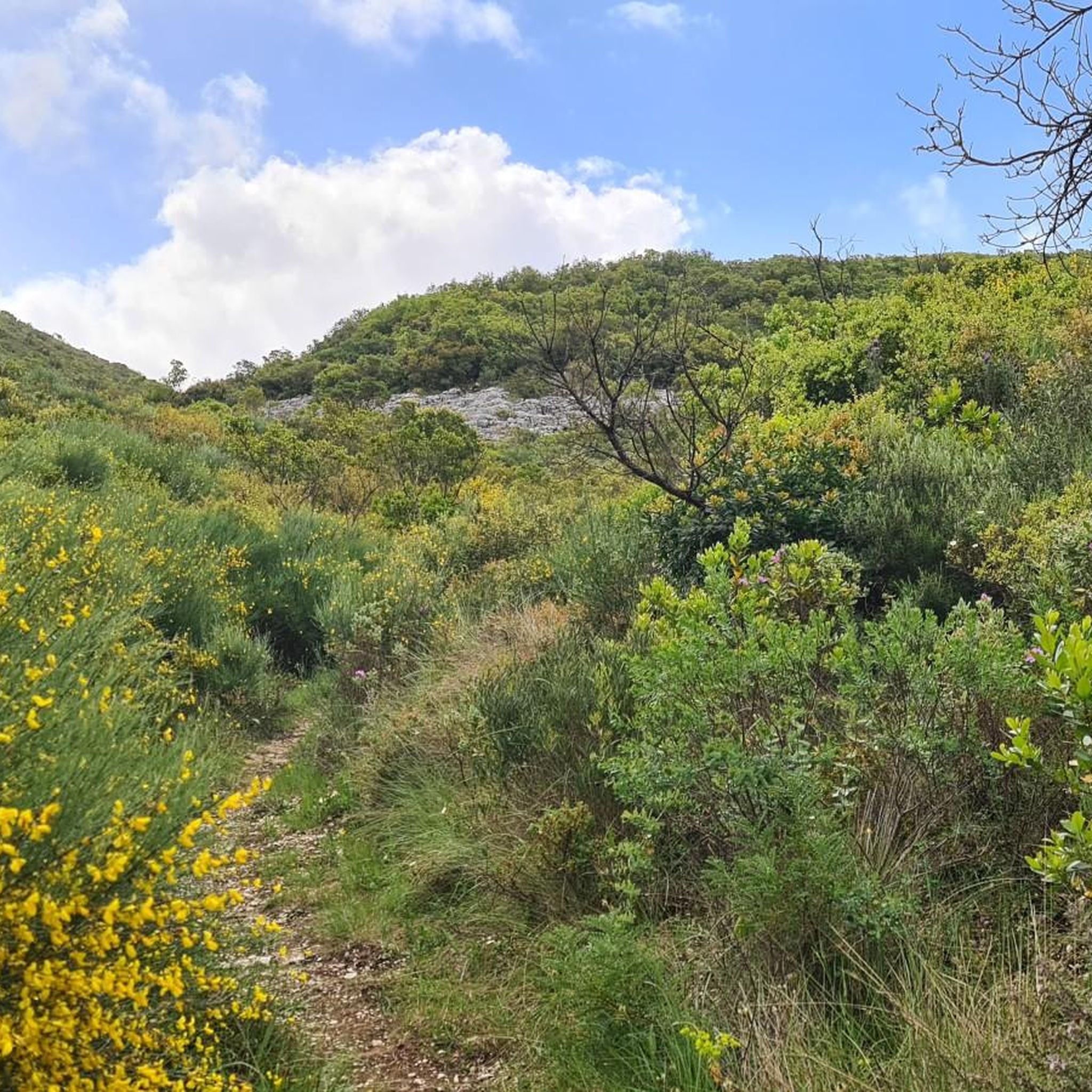
The Lis River, whose source is in the town of Fontes, Cortes, is one of the few rivers in the country whose current flows from south to north and, in the final kilometres, from east to west. In winter and early spring, it is possible to see water emerging from the ground in surprising quantities. In the summer months, the source is usually dry.
3
0

The Sheep's Sink is an imposing natural cavity, named after the sink carved under a stalactite that, in the rainy months, pours out abundant water. In the past, this natural refuge served as a drinking trough for cattle.
1
1
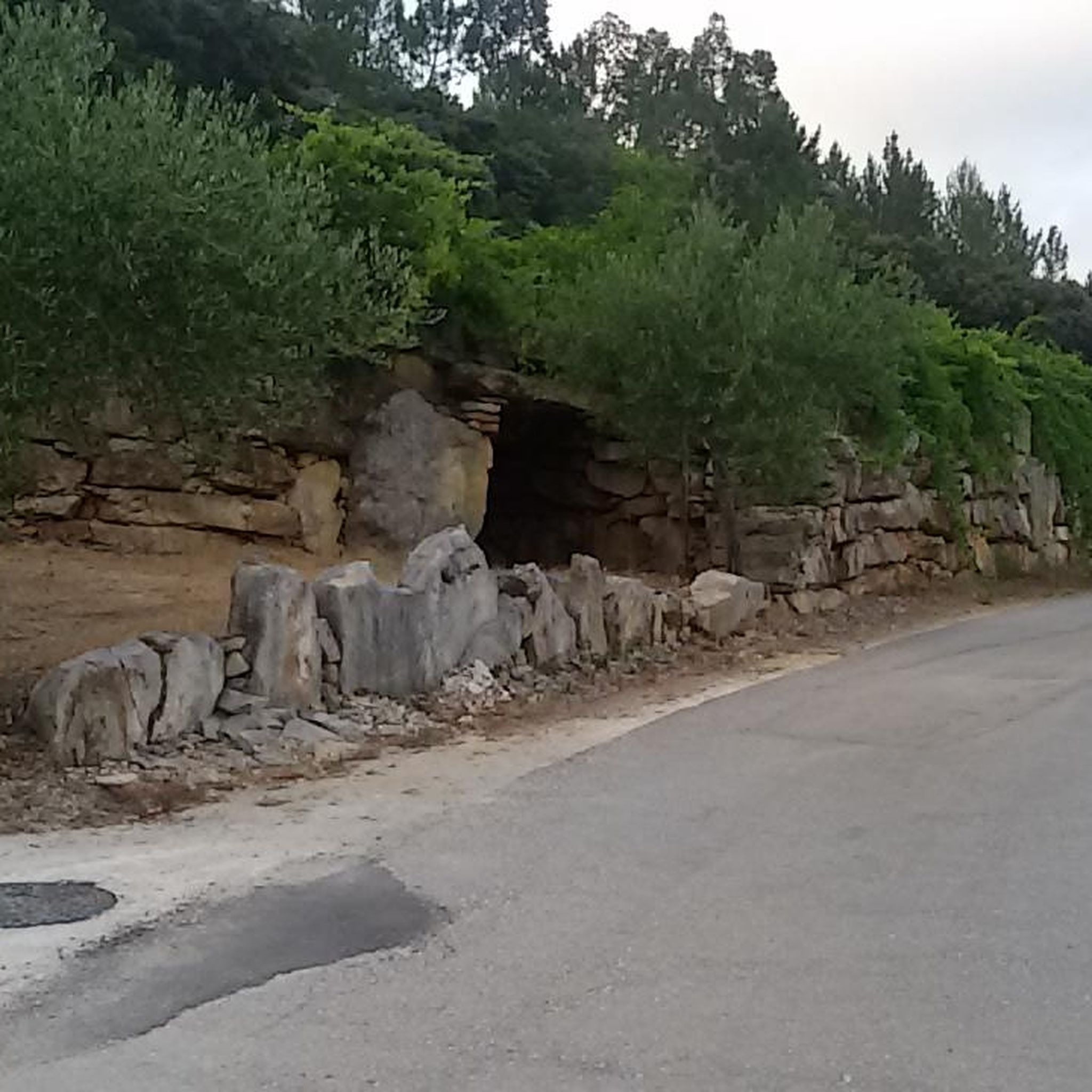
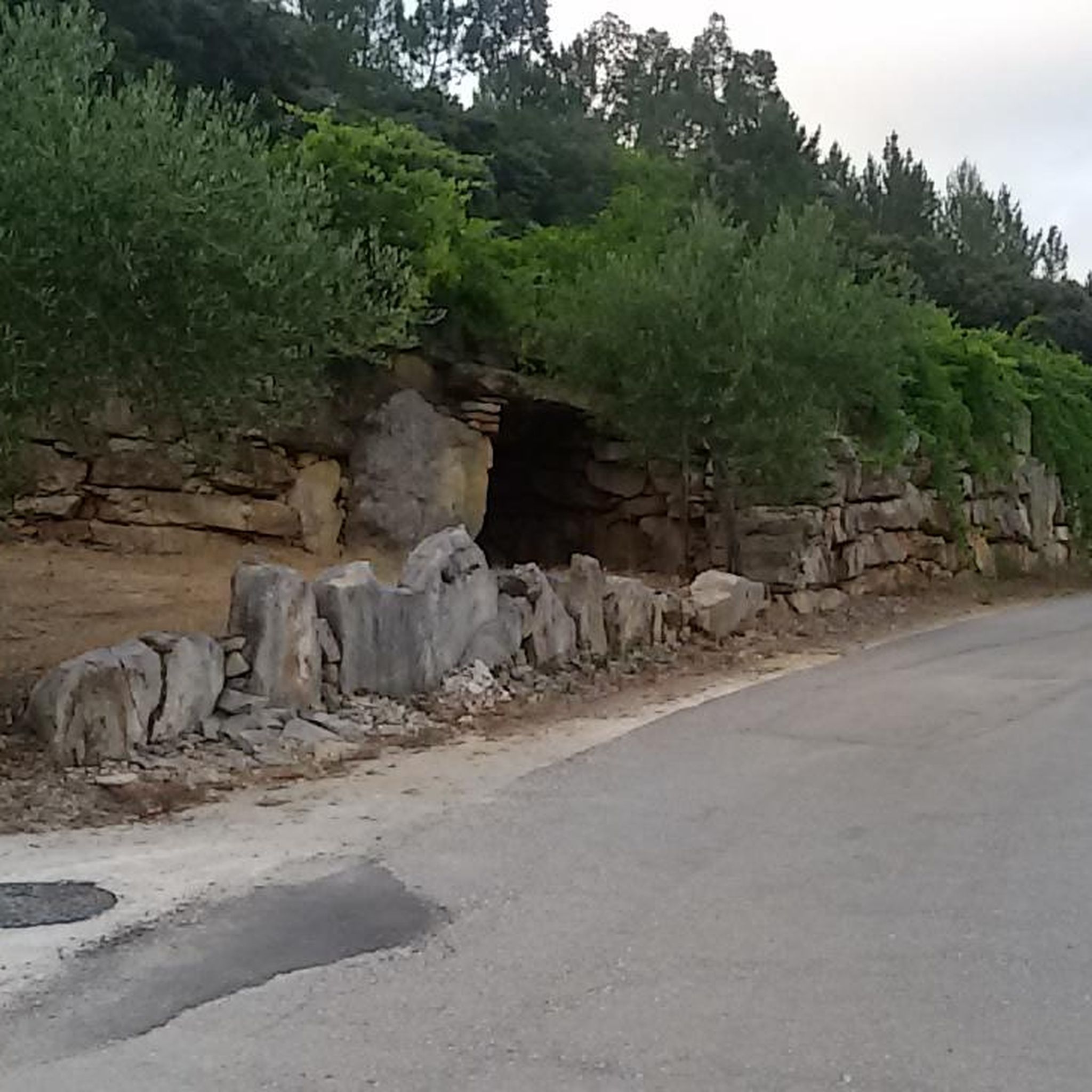
The Buraco Roto is a necropolis of singular beauty, hidden in a lush forest of oak, laurel and cork oak trees. In the rainy months, it becomes a natural spectacle, spilling large quantities of water and forming an impressive waterfall.
4
0

While this was my second visit, I've enjoyed it as much as the first one! The first gallery of this system of caves was discovered by locals in 1947. Of course people were curious and had to investigate further. What is known today is that the cave reaches 11 Kilometers in length which makes it the biggest and most important in Portugal. The formation of the cave goes back 150 million years to the middle Jurassic age when dinosaurs inhabited this region. They found traces of species who inhabited these caves, some of it on display. A part of the cave-system was opened to the public in 1974 with many improvements in safety for the visitors in later years. At one point colored lights found their way in with some spectacular and dramatic effects. My photos inside the cave are in the wrong order, not sure how to interchange them or what I've done wrong when uploading, sorry!
1
0

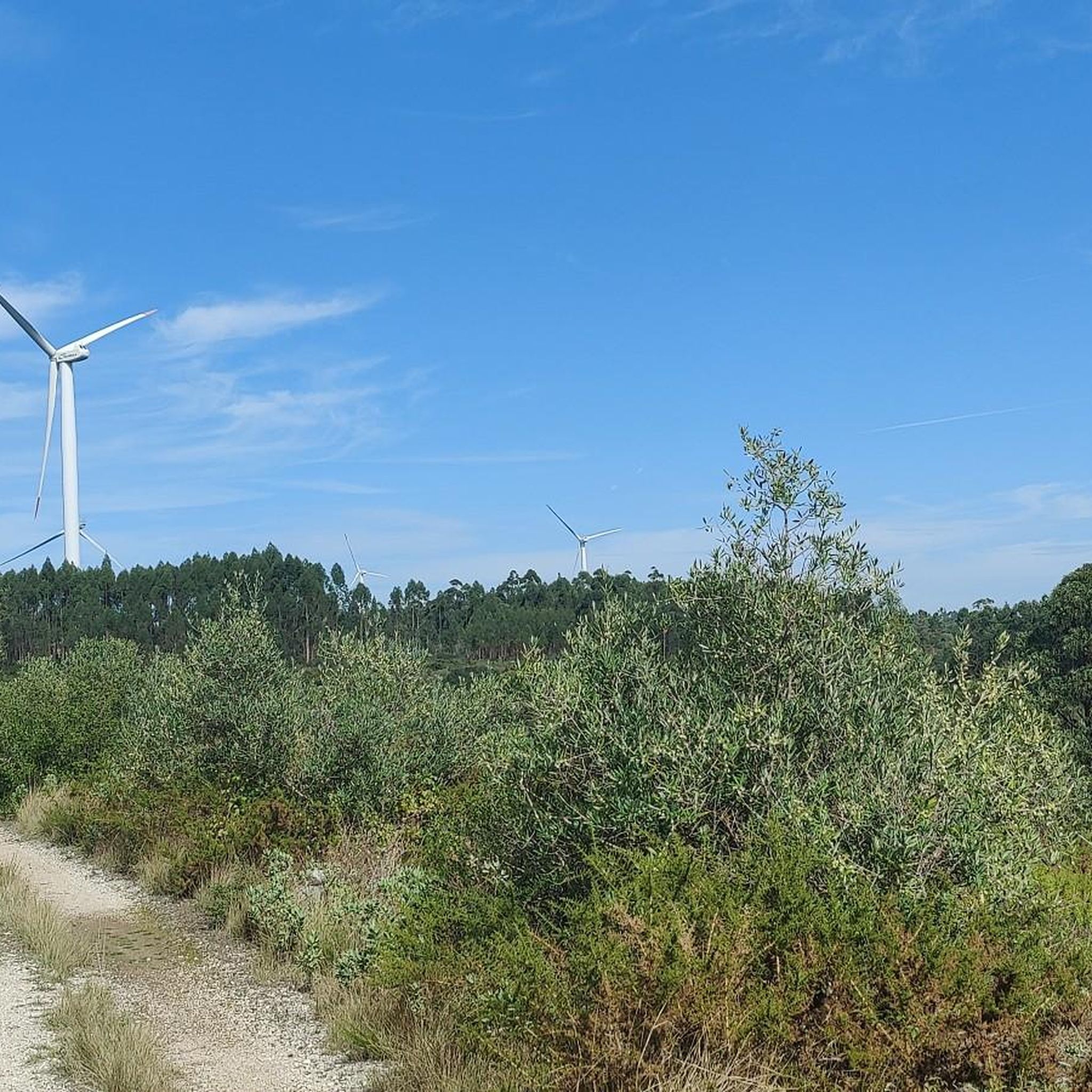
I recommend it to cyclists who want to push the limits.
3
0
While the spring itself is dry in summer it must be spectacular when the rains are back in November. But the Rio Lis is also fed by water coming from inside the mountain and ground-water from the area, so water starts flowing a few hundred meters further down the riverbed, nice and fresh. There is a lovely path following it, and those who did some walking on a lovely summers day will really enjoy a little dip, maybe some swimming, but at least a bit of wading through it. There is easy access in several places, have fun 😀!
2
0

Pia da Ovelha, point of interest inserted in the PR2 BTL trail
2
0
Frequently Asked Questions
What unique geological features can I explore around Fátima?
The region around Fátima is rich in geological wonders, primarily due to its limestone formations from the Jurassic period. This has led to extensive cave systems and ancient paleontological sites. You can explore impressive underground formations like the Grutas de Mira de Aire, the largest caves in Portugal, or the Pia da Ovelha Cave. Additionally, the area is home to the Natural Monument of Dinosaur Footprints, showcasing some of the longest dinosaur tracks in the world.
Which natural monuments are considered family-friendly near Fátima?
Several natural monuments around Fátima are suitable for families. The Grutas de Mira de Aire are a popular choice, offering a captivating underground experience. The Grutas da Moeda also provide an accessible cave tour with an Environmental Interpretation Centre. The Natural Monument of Dinosaur Footprints is particularly engaging for children, featuring an educational trail and large sauropod statues.
Can I visit a natural park in the Fátima region?
Yes, the Serras de Aire e Candeeiros Natural Park is a significant protected area near Fátima. It's known for its diverse landscapes, rich flora and fauna, and numerous natural cavities, making it an important area for speleological activities. Visitors can enjoy climbing mountains and observing the landscape towards Torres Novas.
Are there any historical natural monuments in the area?
Absolutely. The Buraco Roto Cave-Necropolis is a natural monument with historical significance, serving as a necropolis hidden within a lush forest. Another remarkable historical site is the Natural Monument of Dinosaur Footprints, where you can see tracks made by sauropods over 175 million years ago, offering a direct connection to prehistoric times.
What is the largest cave system I can explore near Fátima?
The Grutas de Mira de Aire are the largest underground caves in Portugal, elected one of the 'Seven Natural Wonders' of the country. They formed over 150 million years ago and offer an extensive tour through impressive galleries. Another significant system is the Moinhos Velhos Cave, which extends for over 9 kilometers, making it the biggest cave found in Portugal by length.
Where can I see dinosaur footprints near Fátima?
You can visit the Natural Monument of Dinosaur Footprints (Pegadas de Dinossáurios da Serra de Aire) in Ourem, approximately 10 kilometers from Fátima. This site within the Serras de Aire e Candeeiros Natural Park features some of the longest dinosaur tracks in the world, created by sauropods over 175 million years ago. An educational trail with information panels and statues enhances the experience.
What outdoor activities can I do near these natural monuments?
The Fátima region offers various outdoor activities. You can find numerous hiking trails, including routes around the Serras de Aire e Candeeiros Natural Park. For cyclists, there are MTB trails, such as the Javali Singletrack near Pia da Ovelha Cave. If you enjoy running, there are also several running routes available.
Is there a natural monument related to a river source?
Yes, you can visit the Source of the Lis River. This is the headwater of a river that flows through the city of Leiria. It's particularly impressive during winter and after heavy rains when you can witness a surprising quantity of water emerging from the ground. In summer months, the source is usually dry.
What is the best time to visit the natural monuments around Fátima?
The best time to visit depends on the specific monument. For caves like Grutas da Moeda or Grutas de Mira de Aire, the constant internal temperature (around 17-18°C) makes them suitable year-round. For outdoor sites like the Source of the Lis River, winter and early spring are ideal to see the water flow, while summer might be dry. For hiking in the Serras de Aire e Candeeiros Natural Park, spring and autumn offer pleasant temperatures.
Are there any natural monuments that feature waterfalls?
Yes, the Buraco Roto Cave-Necropolis becomes a natural spectacle during the rainy months. Large quantities of water spill from it, forming an impressive waterfall within its lush forest setting.
What can I expect to see at the Grutas da Moeda (Coin Caves)?
The Grutas da Moeda, located very close to Fátima, offer a beautiful underground world. You can explore stunning limestone formations, including stalactites and stalagmites, dramatically illuminated. Each gallery has unique formations, such as the Lake of Happiness and the Spring of Tears. An Environmental Interpretation Centre at the site provides further insight into regional geology and Jurassic fossils.
What kind of wildlife can be found in the natural monuments area?
The Serras de Aire e Candeeiros Natural Park, which encompasses many of the natural monuments, is known for its rich flora and fauna. While specific wildlife sightings can vary, the park offers opportunities for bird watching and is home to various species adapted to its karstic landscape. The cave systems themselves may host unique subterranean ecosystems.
Most popular attractions around Fátima

Get inspired with the komoot mobile app


Explore more
Extend your search for the best caves by checking out these guides of the top ones around Fátima:
