Top 4 Natural Monuments around São Félix Da Marinha
Best natural monuments around São Félix da Marinha include diverse coastal features. This parish in Vila Nova de Gaia, Portugal, offers a varied natural landscape along its coastline. The region presents both rocky sections and expansive sandy areas, providing opportunities for exploring marine life and beach activities. Seaside walkways offer panoramic views of the Atlantic Ocean and coastal scenery.
Best natural monuments around São Félix da Marinha
- The most popular natural monuments is Chapel of Senhor da Pedra (Chapel of…
Last updated: July 13, 2026
Chapel of Senhor da Pedra (Chapel of the Lord of the Rock)
Highlight • Religious Site
Translated by Google •
Tip by

Senhor da Pedra Chapel
Highlight • Religious Site
Translated by Google •
Tip by

Sign up now to discover places like this
Get recommendations on the best single tracks, peaks, & plenty of other exciting outdoor places.
Sign up for free
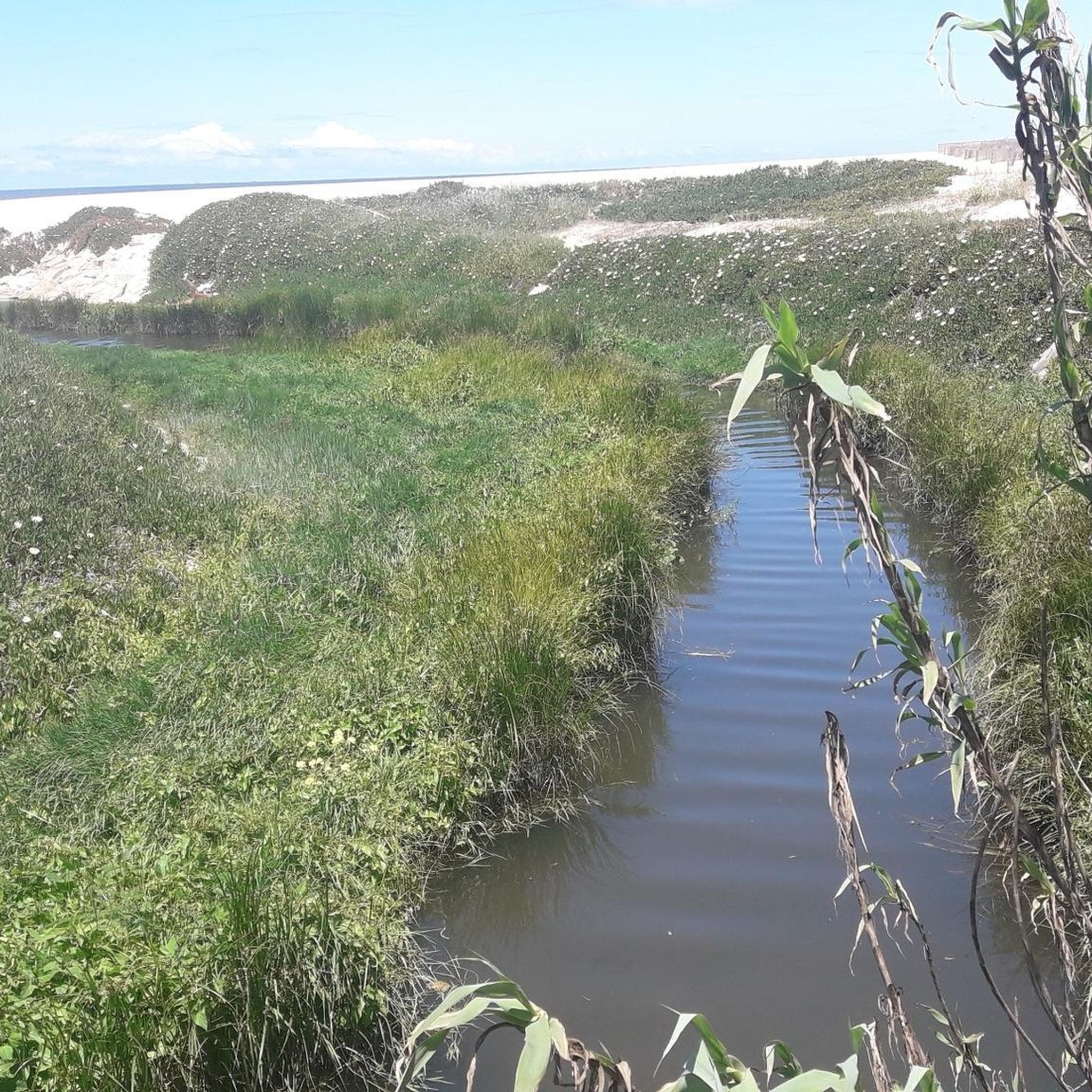
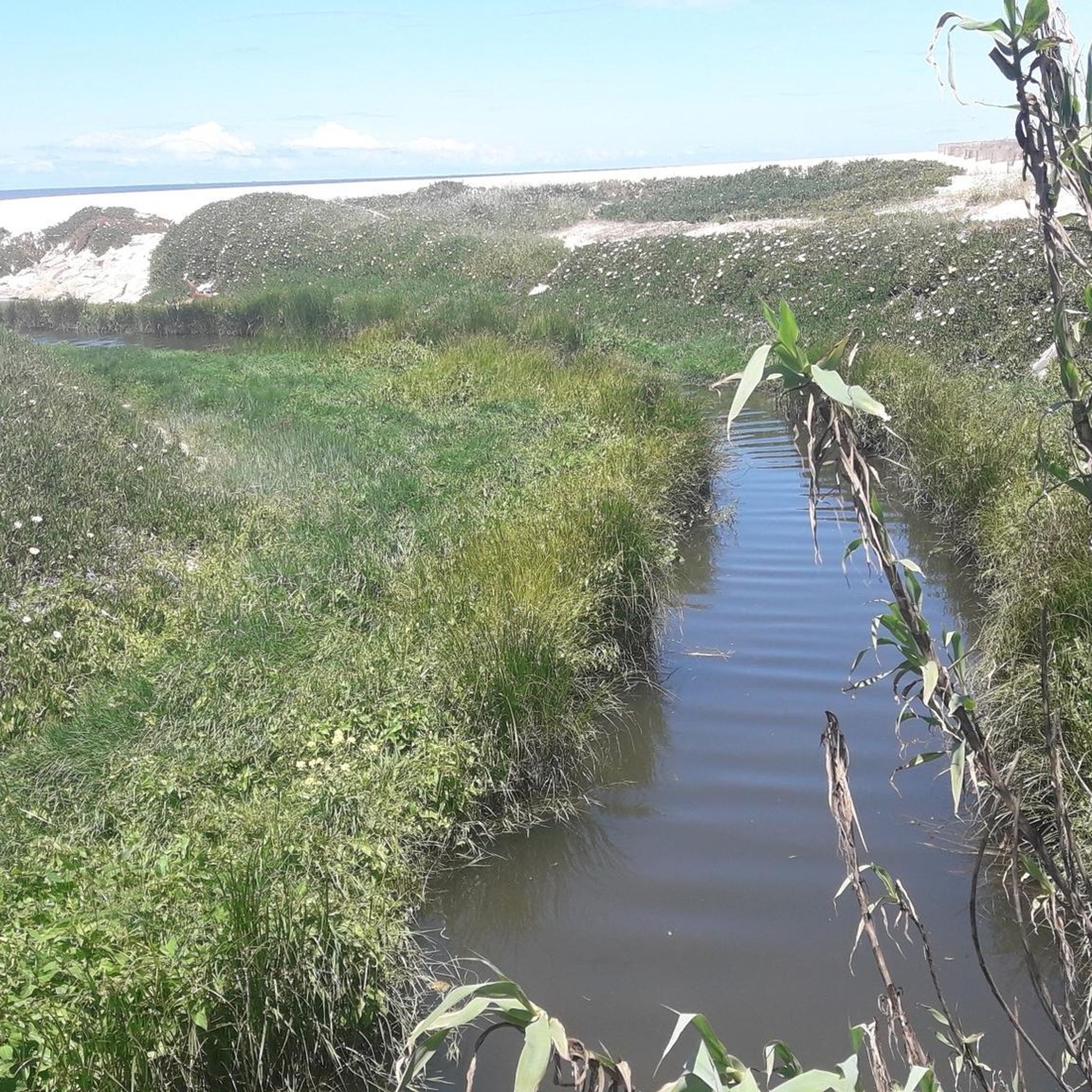
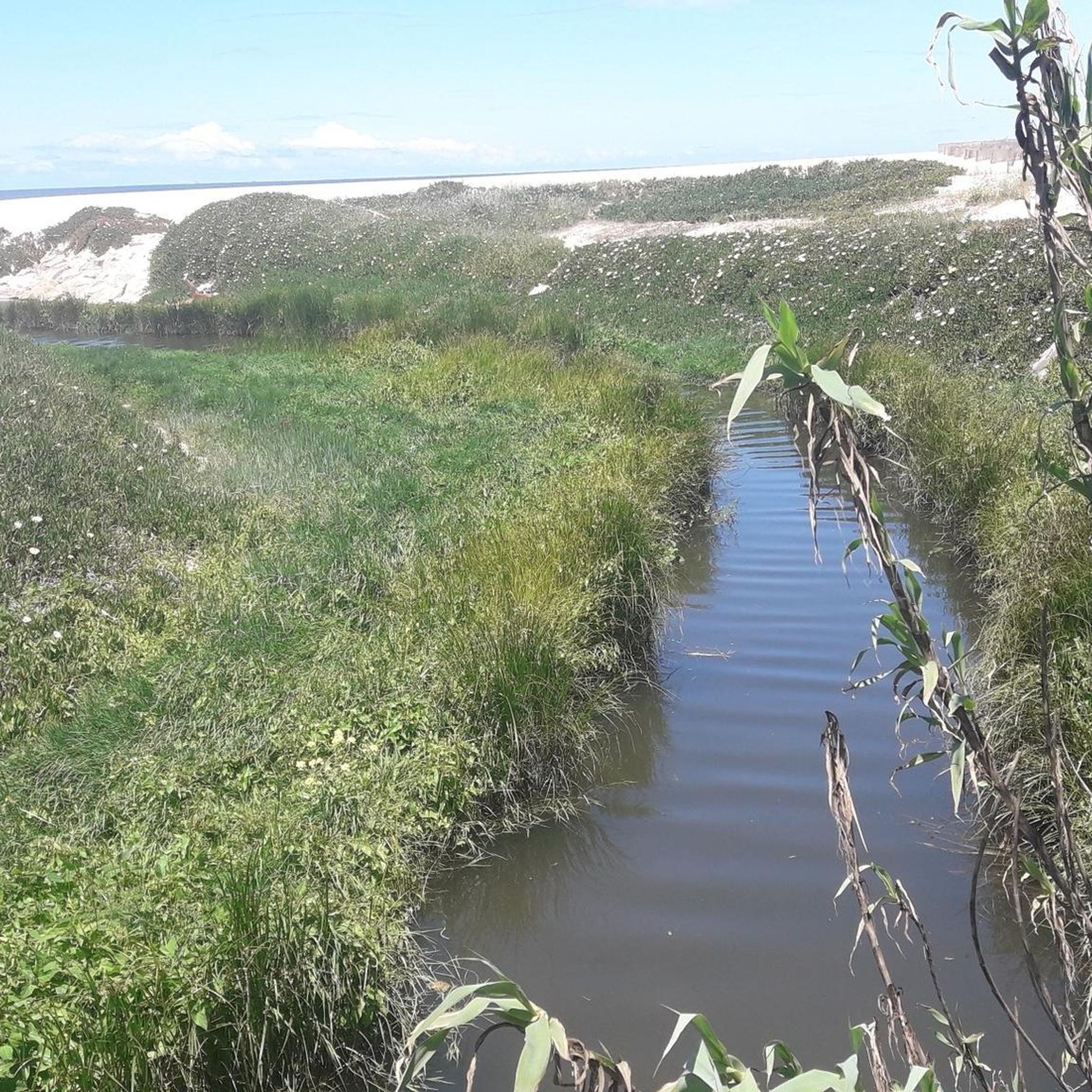
Barrinha de Esmoriz Nature Reserve
Highlight • Lake
Wonderful circuit; to drive well with children. With beach access.
Translated by Google •
Tip by

Aguda Dunes Park
Highlight • Beach
Translated by Google •
Tip by

Lavadores Beach
Highlight • Beach
Tip by

Start today with a free account
Your next adventure awaits.
Login or Signup

Tips from the Community

Cool view of a beautiful house
1
0

Preferably early in the morning or at the end of the day, when there are fewer people...
0
0

The Capela do Senhor da Pedra is one of Portugal's most iconic and photogenic chapels, located on a rocky promontory on Miramar Beach in Vila Nova de Gaia, about a 20-minute drive from downtown Porto.
1
0

I recommend it very beautiful
1
0

Stunning chapel on the beach – what is often overlooked is that this rock was a sacred place for worship for generations before christianity / catholicism built here. There is a real presence and energy about this place. Visit in the early morning to avoid the crowds, and enjoy a moment of quiet. Sunset is pretty much always busy here.
1
1

In the coastal village of Miramar, in Gulpilhares, Vila Nova de Gaia, stands a small chapel built on top of a rock, facing away from the sea. Small but monumental, fragile but strong, unreal and yet true, that is the beautiful Capela do Senhor da Pedra. Looking from afar, it seems as if the Atlantic will swallow it up on the first stormy night, but three centuries have passed since its construction, and it remains standing firm. Perhaps it is because of the rock on which it stands - a place of worship for over two thousand years. As the inscription on the tile mosaic framed at the entrance to the chapel attests, the giant stone originally housed a pagan temple, possibly Celtic. When Christianity arrived in Portugal, efforts were made to Christianise the territory and free it from its pagan roots. The site where the Capela do Senhor da Pedra now stands was then chosen to "reclaim" the land from heretics, but despite the conversion to the Christian faith, secret ceremonies linked to pagan worship still take place on full moon nights. It is said that it is common to find melted candles left by neo-pagan worshippers on the rocks and sand next to the chapel, but I did not see any.
0
0
The Chapel of Senhor da Pedra is located on Praia do Senhor da Pedra, in Gulpilhares, in the current parish of Gulpilhares and Valadares, in the Municipality of Vila Nova de Gaia, Porto District, in Portugal. The Chapel of Senhor da Pedra, built on a rocky massif, on the sands of Gulpilhares beach, was built on a rock by the sea in June 1763. It is believed that the origin of the cult at the Chapel of Senhor da Pedra may have its origins in an ancient pagan cult, of a naturalist nature, of pre-Christian peoples, whose deities were venerated in the midst of nature, having later been converted to Christianity.
1
0

The chapel was built later in 1673, causing the original nature cult to be eradicated by Christianity
8
0
Frequently Asked Questions
What are the main natural features to explore in São Félix da Marinha?
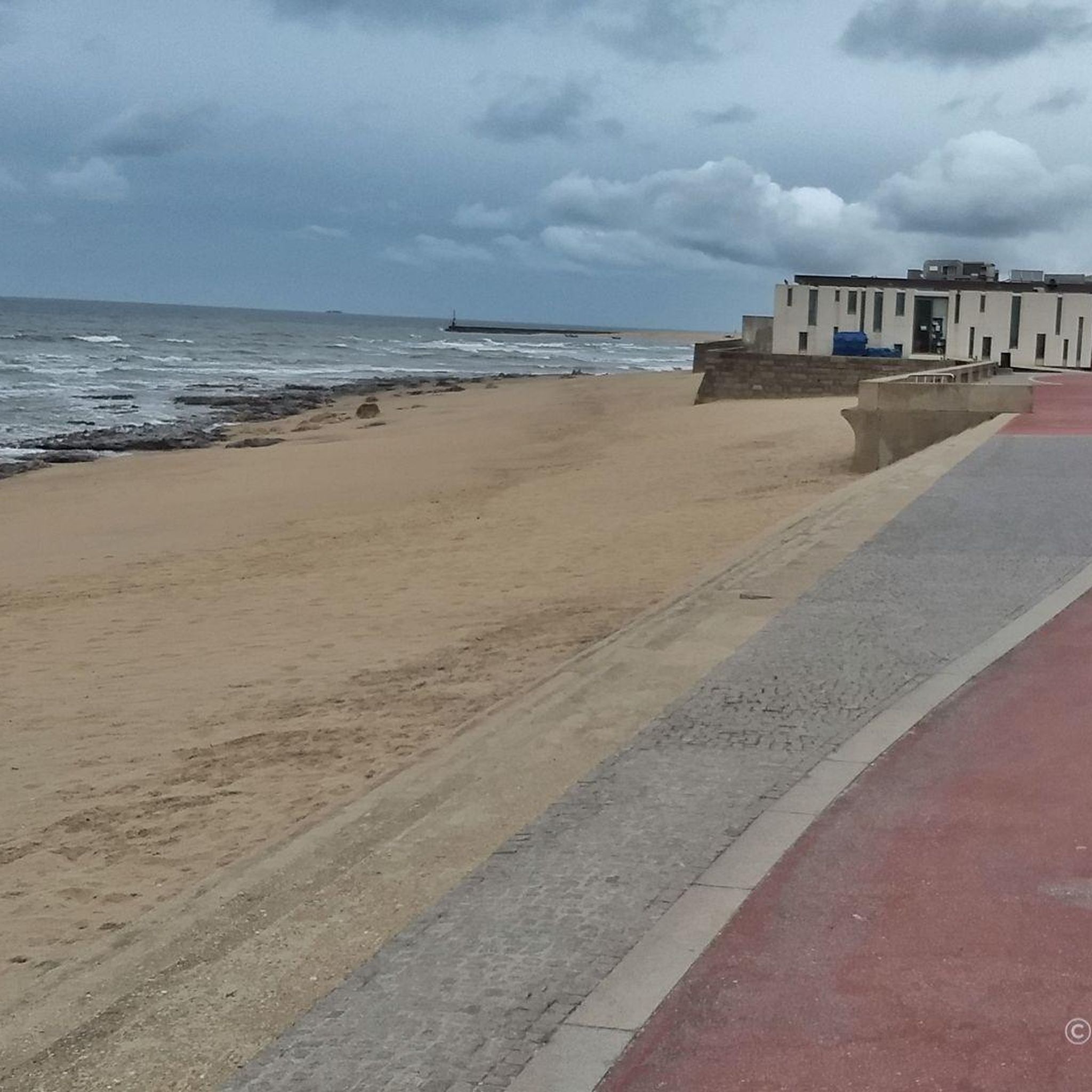
São Félix da Marinha offers a diverse coastal landscape. You can explore the extensive sandy stretches of Lavadores Beach, which also features iconic rocks polished by the Atlantic waves. Further south, the beaches become free of rocks, providing ample space for relaxation. The region also boasts elevated wooden walkways, known as Passadiços Beira-mar, offering panoramic views of the ocean and coastal scenery.
Are there any protected natural areas in São Félix da Marinha?
Yes, the region is home to the Barrinha de Esmoriz Nature Reserve, a coastal lagoon of brackish water known for its birdlife. Additionally, the Aguda Dunes Park is an extensive coastal natural park showcasing dunes formed by sand and wind, accessible by trails along the beach and inland roads.
Can I walk or cycle along the coast in São Félix da Marinha?
Absolutely. The region features "Passadiços Beira-mar," which are elevated wooden walkways running along the coast. These pathways are perfect for strolling or cycling while enjoying the scenic views of the Atlantic Ocean and the interplay of sand, rocks, and ocean.
What is unique about the Chapel of Senhor da Pedra?
The Chapel of Senhor da Pedra is a remarkable religious building constructed directly on rocks in the middle of the beach. It is believed to have origins in an ancient pagan cult, later converted to Christianity, making it a site of both natural beauty and historical significance. At high tide, the sea completely laps around the chapel, creating a spectacular sight.
What kind of outdoor activities are available near these natural monuments?
The area offers various outdoor activities. You can enjoy easy hikes, such as the "Praia de Brito ⛱️ – Chapel of Senhor da Pedra loop from São Félix da Marinha" or explore longer routes like the "Aguda Dunes Park – Chapel of Senhor da Pedra (Chapel of the Lord of the Rock) loop from São Félix da Marinha." Cycling is also popular, with routes like the "Atlantic Coast Route: Espinho to Vila Nova de Gaia." For more options, check out the easy hikes, general hiking, and cycling guides for São Félix da Marinha.
Are there family-friendly natural monuments around São Félix da Marinha?
Many natural monuments in the area are family-friendly. The Aguda Dunes Park and Barrinha de Esmoriz Nature Reserve both offer accessible trails suitable for families. The expansive sandy areas of beaches like Lavadores Beach are also ideal for family activities.
What is the best time to visit the São Félix da Marinha coast?
The coastal areas of São Félix da Marinha are enjoyable throughout the year. For beach activities, the warmer months from late spring to early autumn are ideal. However, for exploring the walkways and natural parks, spring and autumn offer pleasant temperatures and fewer crowds. Early mornings or late afternoons are often recommended for visiting popular spots like Lavadores Beach to avoid peak times.
What do visitors enjoy most about the natural monuments in São Félix da Marinha?
Visitors particularly appreciate the diverse coastal scenery, from the rugged rocky sections to the tranquil sandy shores. The unique setting of the Chapel of Senhor da Pedra and the extensive wooden walkways (Passadiços Beira-mar) are frequently highlighted. The opportunity for scenic walks, cycling, and observing marine life in tide pools also draws many visitors.
Is public transport available to access the beaches and natural areas?
Yes, São Félix da Marinha is part of Vila Nova de Gaia, and public transport options are available to reach the coastal areas and beaches. It's advisable to check local bus schedules for specific routes and stops that serve the natural monuments and coastal walkways.
Are the coastal walkways (Passadiços Beira-mar) accessible for everyone?
The Passadiços Beira-mar are elevated wooden pathways designed to offer easy access along the coast. While generally accessible, some sections might have gentle inclines or steps. They provide a relatively flat surface suitable for most visitors, including those with strollers or bicycles. For specific accessibility concerns, it's best to check local information upon arrival.
Can I find places to eat or stay near the natural monuments?
Yes, São Félix da Marinha and its surrounding areas offer various amenities. You can find cafes, pubs, and restaurants along the boardwalks and near the beaches, especially around areas like Praia da Granja. Accommodation options are also available in the vicinity, ranging from hotels to guesthouses.
What kind of terrain can I expect on the beaches and coastal trails?
The terrain varies along the coast. The northern and central parts of the main beach, Praia de São Félix da Marinha, feature a rocky coastline, which is interesting for exploring tide pools. Towards the south, the beach transitions into an extensive sandy area. The Passadiços Beira-mar are smooth wooden walkways, offering an easy surface for walking or cycling.
Most popular routes around São Félix Da Marinha
Most popular attractions around São Félix Da Marinha

Get inspired with the komoot mobile app


Explore more
Extend your search for the best caves by checking out these guides of the top ones around São Félix Da Marinha:
