Top 8 Natural Monuments around Fânzeres e São Pedro da Cova
Best natural monuments around Fânzeres e São Pedro da Cova offer a blend of geological significance and natural beauty within the Gondomar municipality. The region is characterized by features such as the schist and quartzitic ridges of Serra do Castiçal, providing diverse ecosystems and panoramic views. The area also holds historical natural context, particularly around the former Mina de São Pedro da Cova, where ancient geological formations reveal insights into the Earth's past. These natural features provide opportunities for outdoor…
Last updated: June 29, 2026
Infante Dom Henrique Garden
Highlight • Natural Monument
Translated by Google •
Tip by

Gardens of the Crystal Palace
Highlight • Natural
Translated by Google •
Tip by

Sign up now to discover places like this
Get recommendations on the best single tracks, peaks, & plenty of other exciting outdoor places.
Sign up for free
Plane Trees at Jardim da Cordoaria
Highlight • Natural Monument
Translated by Google •
Tip by
Jardim de João Chagas 🌳 Porto
Highlight • Natural
Inside you can also see various …
Translated by Google •
Tip by
Pico da Serra de Santa Justa
Highlight • Summit
Translated by Google •
Tip by

Sign up for free to discover even more natural monuments around Fânzeres e São Pedro da Cova.
Sign up for free
Already have an account?
Start today with a free account
Your next adventure awaits.
Login or Signup

Tips from the Community

The Cordoaria Garden, also known as the João Chagas Garden, is an example of how gardens represent an important nature-based solution in the urban environment. This green space, founded in 1865, combines historical elements with modern sustainable practices. Recently, a requalification was carried out that included improving the rainwater drainage system, replacing public lighting with more efficient options, and restoring and waterproofing the existing lake. In addition, the replacement of pavements with gravel and the planting of new landscaped areas reinforce support for local biodiversity and promote rainwater infiltration, reducing the risk of flooding in the area. This garden has about 160 trees, several classified as being of public interest, namely the Plane Tree Avenue, the Linden Tree Walk, American Oaks (some centuries old), Araucarias, Cedars and Sequoias, which throughout the year present its visitors with various colors and contrasts. Beyond its environmental function, it also has an important social function, being a thoroughfare for many visitors and residents, surrounded by a museum, university campuses, a hospital, and important tourist attractions in the city. It is a true green lung in the urban center of Porto. Various cultural events and activities take place in this garden, combining nature with the various needs of the population in that area. Ecological functions Improvement of quality of life; Promotion of biodiversity; Reduction of extreme weather events; Noise reduction; Regulation of air quality; Temperature regulation; Regulation of floods and inundations; Carbon sequestration
1
0

The plane trees in the Jardim da Cordoaria in Porto are one of the most striking features of this historic park. These are specimens of Platanus × hispanica (European plane), planted in the 19th century, which form two monumental rows along the garden's paths.
3
0
The Crystal Palace Gardens (Jardins do Palácio de Cristal) are one of Porto's most beautiful and iconic green spaces, ideal for strolling, relaxing, and enjoying spectacular views of the Douro River and the Atlantic Ocean.
2
0
The Crystal Palace Gardens in Porto are one of the city's most iconic and romantic green spaces, ideal for strolling, relaxing, and enjoying spectacular views of the Douro River and the Atlantic Ocean.
4
0

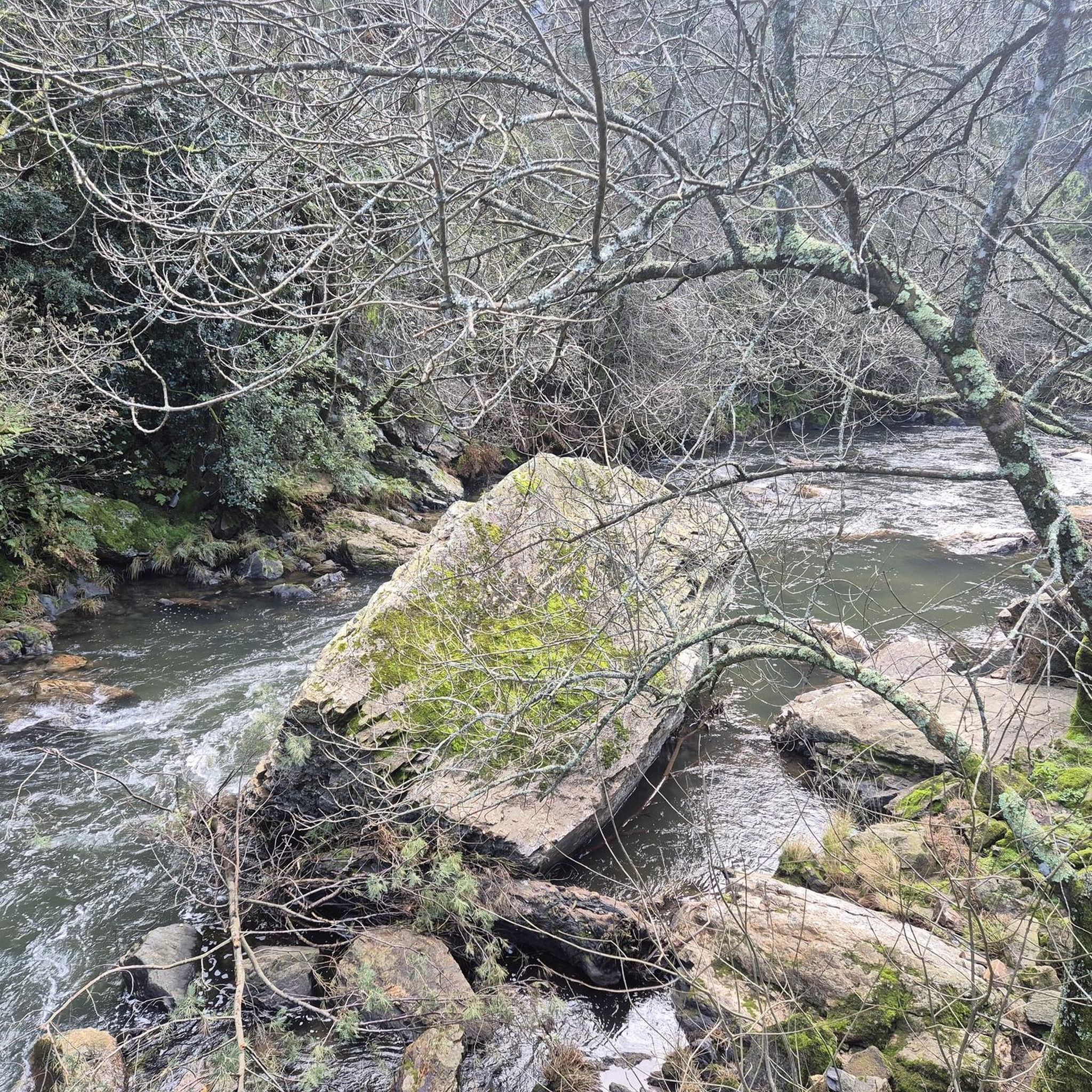
The lower part of the trunks is massively thickened. Is this a tree disease or what's going on here?
0
1

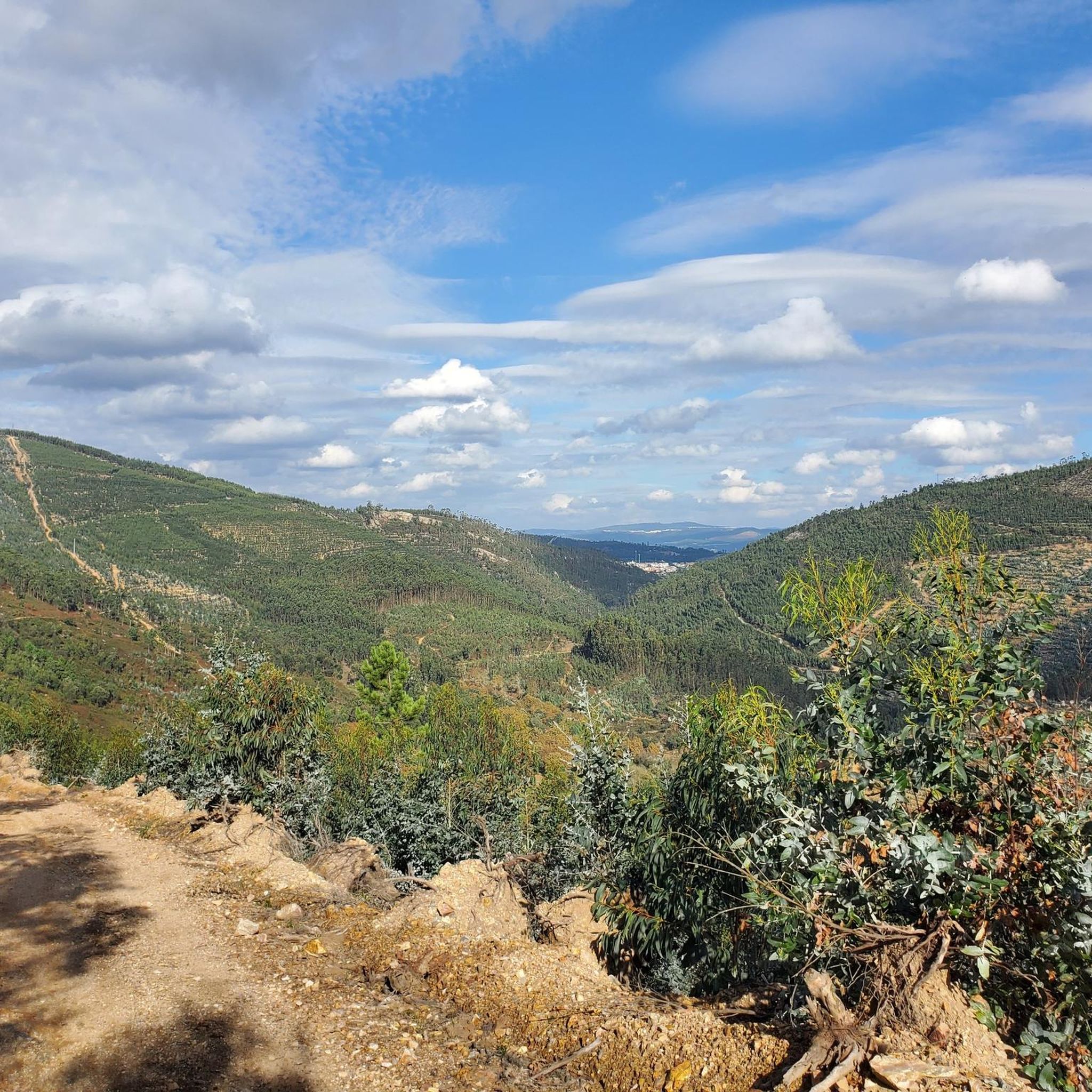
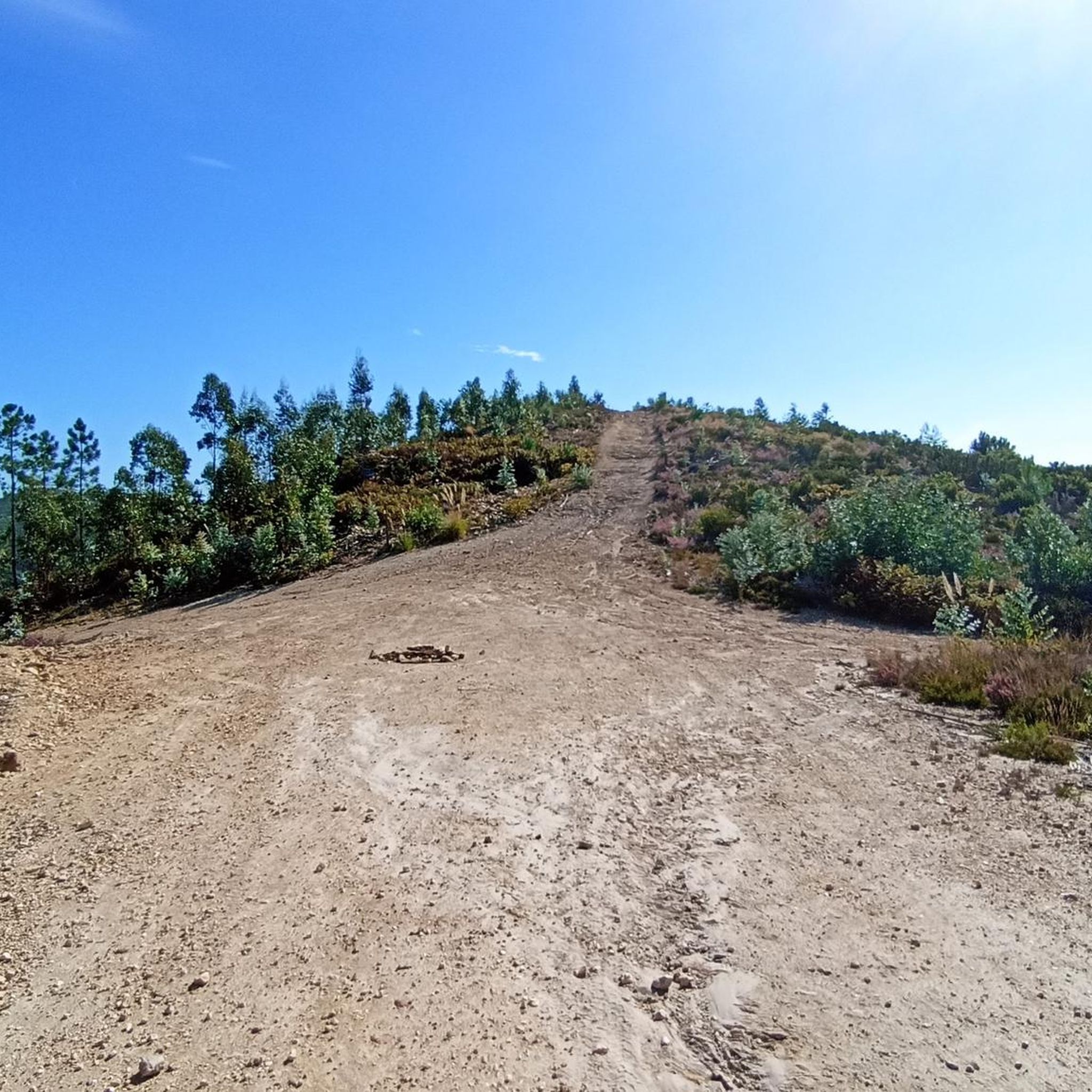
This is the highest point on the ridge of the Serra de Santa Justa. Along the quartzite ridges, the view opens up into an impressive panorama, revealing the grandeur of the landscape in all directions.
2
1

Free entry to the garden.
5
1

The name "Palácio de Cristal" comes from the old palace that once stood on the site, which was demolished in 1951. Today, the gardens are a place of great cultural and tourist importance for the city of Porto. The Jardins do Palácio de Cristal are a complex of public gardens located in the city centre of Porto, Portugal. It was created in 1860 and is considered one of the most important urban gardens in Europe.
2
1
Frequently Asked Questions
What are the most prominent natural features to explore in Fânzeres e São Pedro da Cova?
The region offers a blend of geological significance and natural beauty. Key features include the Serra do Castiçal, known for its schist and quartzitic ridges, diverse ecosystems, and panoramic views. Another significant area is the former Mina de São Pedro da Cova, which provides insight into the area's geological past and industrial heritage, with ancient rock formations and remnants of coal mining.
Are there good viewpoints to appreciate the landscape around Fânzeres e São Pedro da Cova?
Yes, the region boasts several excellent viewpoints. The Serra do Castiçal offers panoramic vistas over Gondomar, Porto, Vila Nova de Gaia, Paredes, and Valongo. Additionally, Pico da Serra de Santa Justa provides an impressive panorama from its quartzite ridges, and the Gardens of the Crystal Palace offer numerous scenic views over the river and the city.
What kind of hiking trails can I find near the natural monuments?
You can find various hiking opportunities. The Serra do Castiçal features a circular pedestrian trail (PR5 GDM-PRD Trilho do Castiçal), which is approximately 11.6 km long and takes about 3.5 hours, offering a medium-difficult challenge. For more options, you can explore the cycling and MTB guides for routes in the wider Fânzeres e São Pedro da Cova area.
Are there family-friendly natural monuments or parks in the area?
Absolutely. The Infante Dom Henrique Garden is a serene escape with lush greenery and inviting pathways, perfect for families. The Gardens of the Crystal Palace are also very family-friendly, featuring various gardens and open spaces. Additionally, the Plane Trees at Jardim da Cordoaria offer a historic urban green space suitable for all ages.
What is the geological significance of the natural monuments in Fânzeres e São Pedro da Cova?
The region is rich in geological history. The Serra do Castiçal is characterized by its schist geological formation and quartzitic ridges. The area around the former Mina de São Pedro da Cova is particularly significant, with coal deposits linked to an equatorial forest from the Carboniferous period (approximately 300 million years ago). The surrounding mountains, part of the Valongo anticline, contain rocks around 542 million years old, offering insights into Earth's ancient past and the presence of fossils like trilobites.
Can I learn about the history of the area through its natural monuments?
Yes, the natural landscape is deeply intertwined with the region's history. The Mina de São Pedro da Cova area, while an industrial heritage site, showcases how geological formations led to coal exploitation and shaped the community. The São Pedro da Cova Mining Museum, housed in former miners' accommodation, preserves and disseminates this unique geological and mining heritage. The Serra do Castiçal also features centennial farmhouses and artificial lagoons, remnants of early 20th-century coal exploration.
What kind of wildlife can be observed in the natural areas?
The diverse ecosystems of the Serra do Castiçal, including riparian areas, native woodlands, and dry heathlands, provide a natural habitat for a wide variety of fauna. Visitors may observe birds, mammals, herpetofauna (reptiles and amphibians), and various invertebrates.
Are there any specific natural monuments that are considered 'hidden gems' or less known?
While the main highlights are well-regarded, exploring the full extent of the Serra do Castiçal beyond the main viewpoints can reveal quieter spots. The artificial lagoons formed from early 20th-century coal exploration, with their unique green and blue hues, are a less commonly highlighted feature that offers a distinct natural experience within the Serra.
What outdoor activities, besides hiking, can I do near these natural monuments?
The wider Fânzeres e São Pedro da Cova area is excellent for various outdoor activities. You can find numerous routes for cycling, mountain biking, and road cycling, allowing you to explore the natural landscapes on two wheels.
What do visitors enjoy most about the natural monuments in Fânzeres e São Pedro da Cova?
Visitors frequently appreciate the impressive panoramic views offered by spots like Pico da Serra de Santa Justa and the Serra do Castiçal. The serene atmosphere and lush greenery of places like the Infante Dom Henrique Garden and the beauty of the Gardens of the Crystal Palace are also highly valued. The unique blend of natural beauty with historical and geological context, particularly around the old mining areas, provides a rich and engaging experience.
Is public transport available to reach the natural monuments or trailheads?
While specific public transport routes directly to all natural monuments are not detailed, the region is part of the Gondomar municipality, which has public transport links. For areas like the Serra do Castiçal, accessing trailheads might require a combination of public transport and a short walk or taxi. Urban green spaces like the Jardim da Cordoaria are typically well-served by public transport within Porto.
What is the best time of year to visit the natural monuments for outdoor activities?
The region generally offers pleasant conditions for outdoor activities for much of the year. Spring and autumn are often ideal, with milder temperatures and lush landscapes. Summer can be warm, but still suitable for early morning or late afternoon excursions. Winter can be cooler and wetter, but can also offer unique perspectives, especially in the higher elevations of the Serra do Castiçal.
Most popular routes around Fânzeres e São Pedro da Cova
Most popular attractions around Fânzeres e São Pedro da Cova

Get inspired with the komoot mobile app


Explore more
Extend your search for the best caves by checking out these guides of the top ones around Fânzeres e São Pedro da Cova:
