Top 5 Natural Monuments around Vialonga
Best natural monuments around Vialonga encompass a variety of natural landscapes, from expansive river estuaries to tranquil trails and dedicated birdwatching areas. The region is characterized by its proximity to the Tagus Estuary, a significant wetland ecosystem in Portugal. These natural features offer opportunities to observe local flora and fauna and experience the area's natural heritage. Vialonga's natural monuments provide diverse settings for outdoor exploration.
Best natural monuments around Vialonga
- The most popular natural monuments is Tagus Estuary, a…
Last updated: October 16, 2026
Tagus Estuary
Highlight • River
Translated by Google •
Tip by

EVOA – Birdwatching and Visitor Center
Highlight • Natural Monument
evoa.pt
Tip by

Sign up now to discover places like this
Get recommendations on the best single tracks, peaks, & plenty of other exciting outdoor places.
Shaded Trail with Waterfalls
Highlight • Trail
Tip by

Ponta da Erva
Highlight • River
Translated by Google •
Tip by

Fonte do Carvalhal
Highlight • Natural Monument
There is an old public washhouse.
Translated by Google •
Tip by

Start today with a free account
Your next adventure awaits.

Tips from the Community

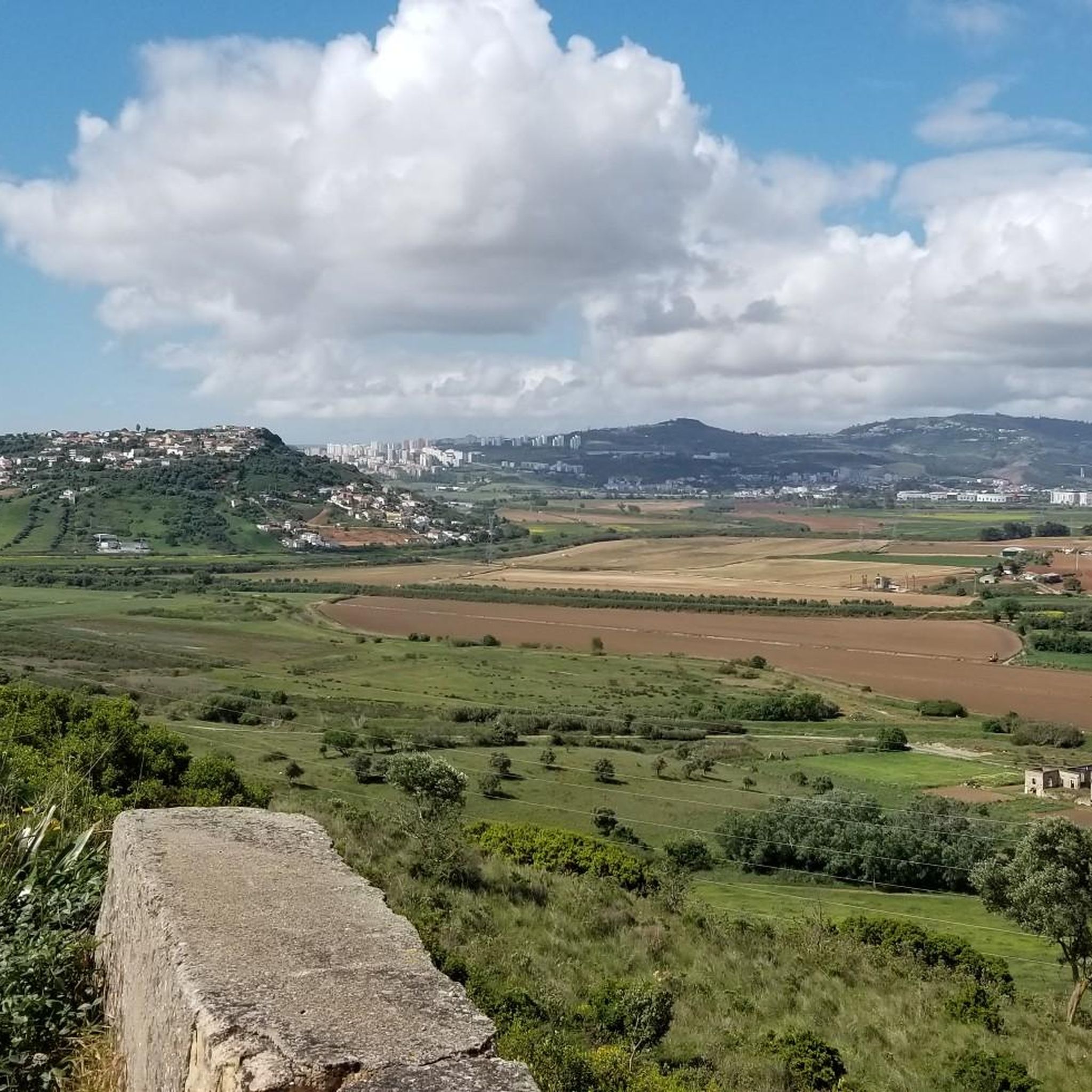
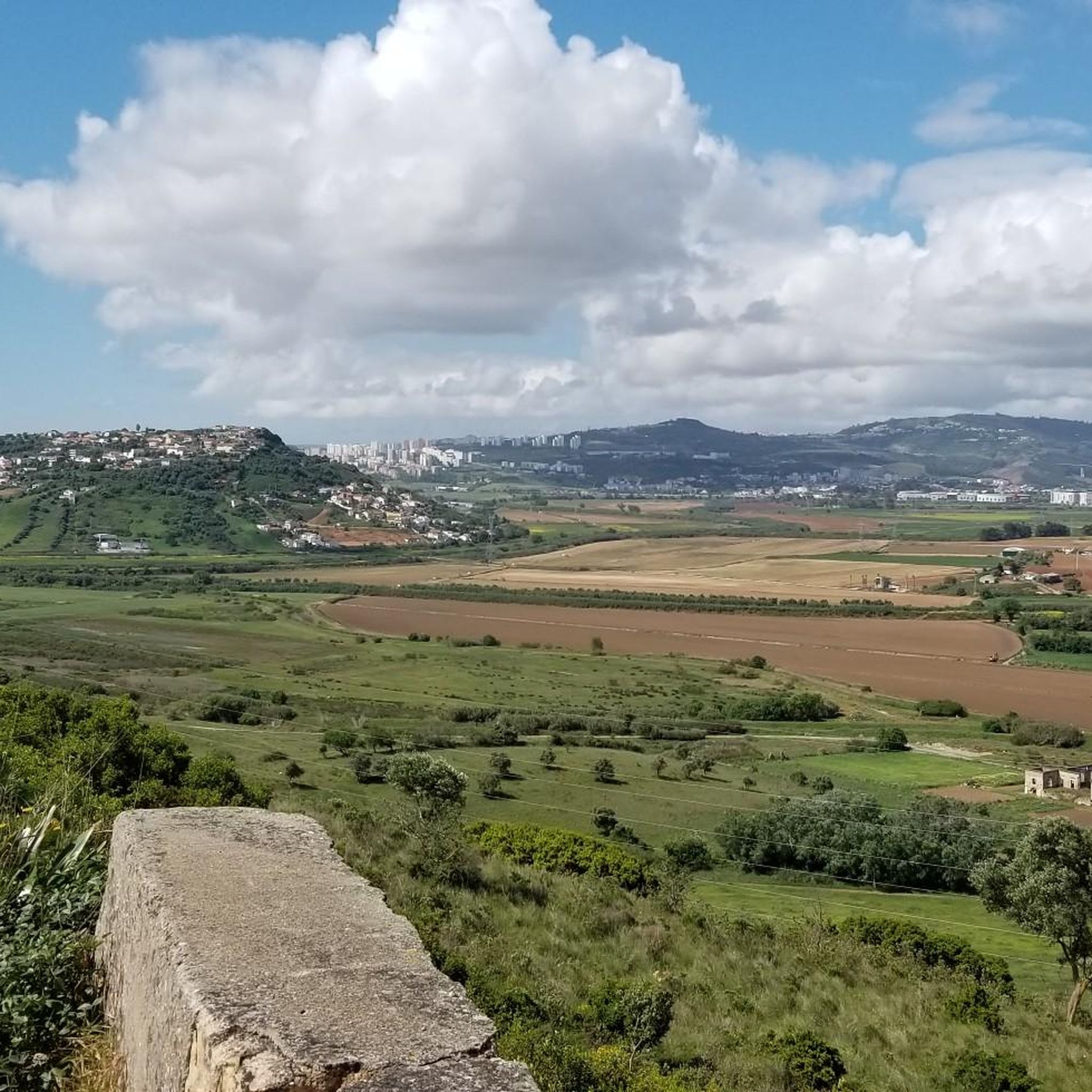
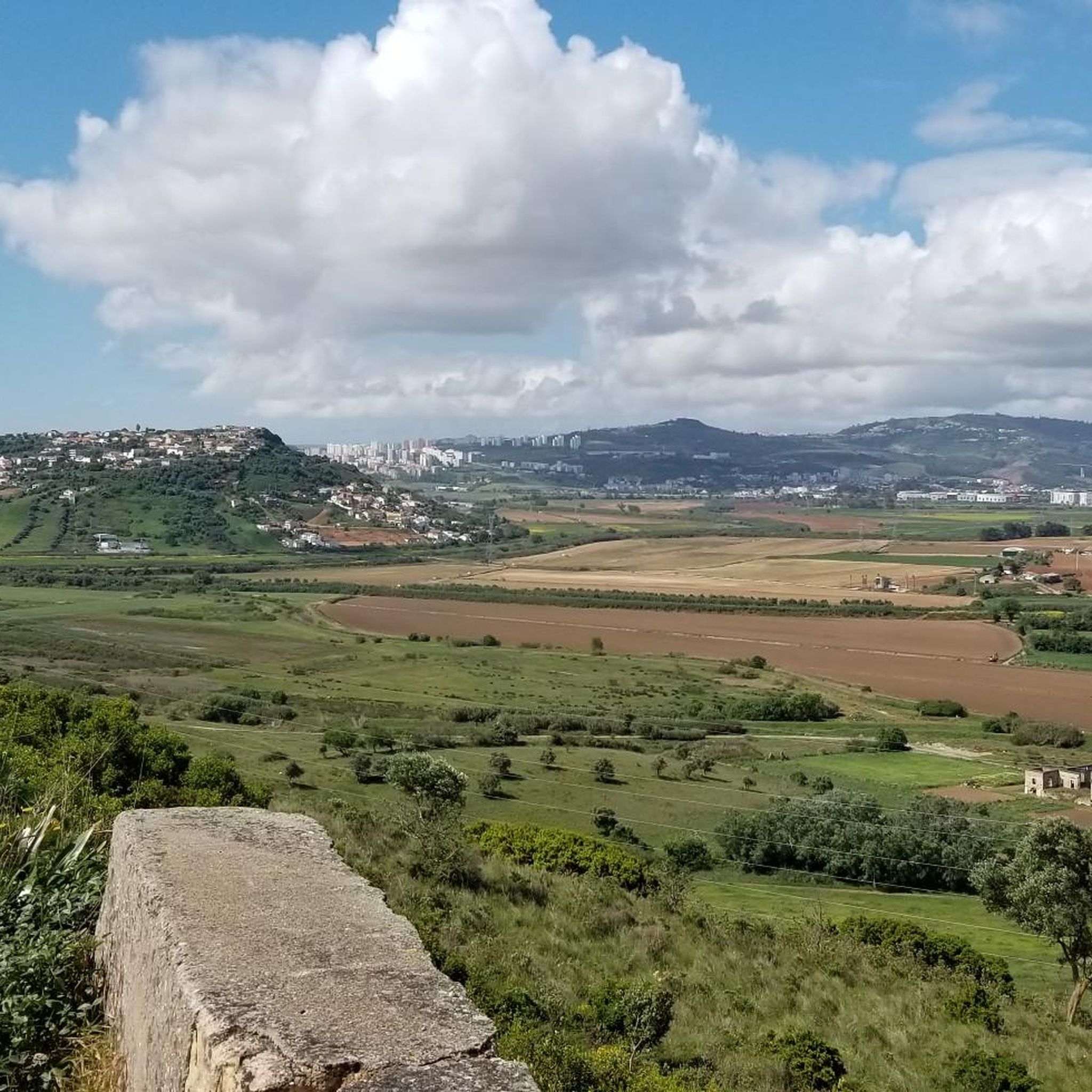
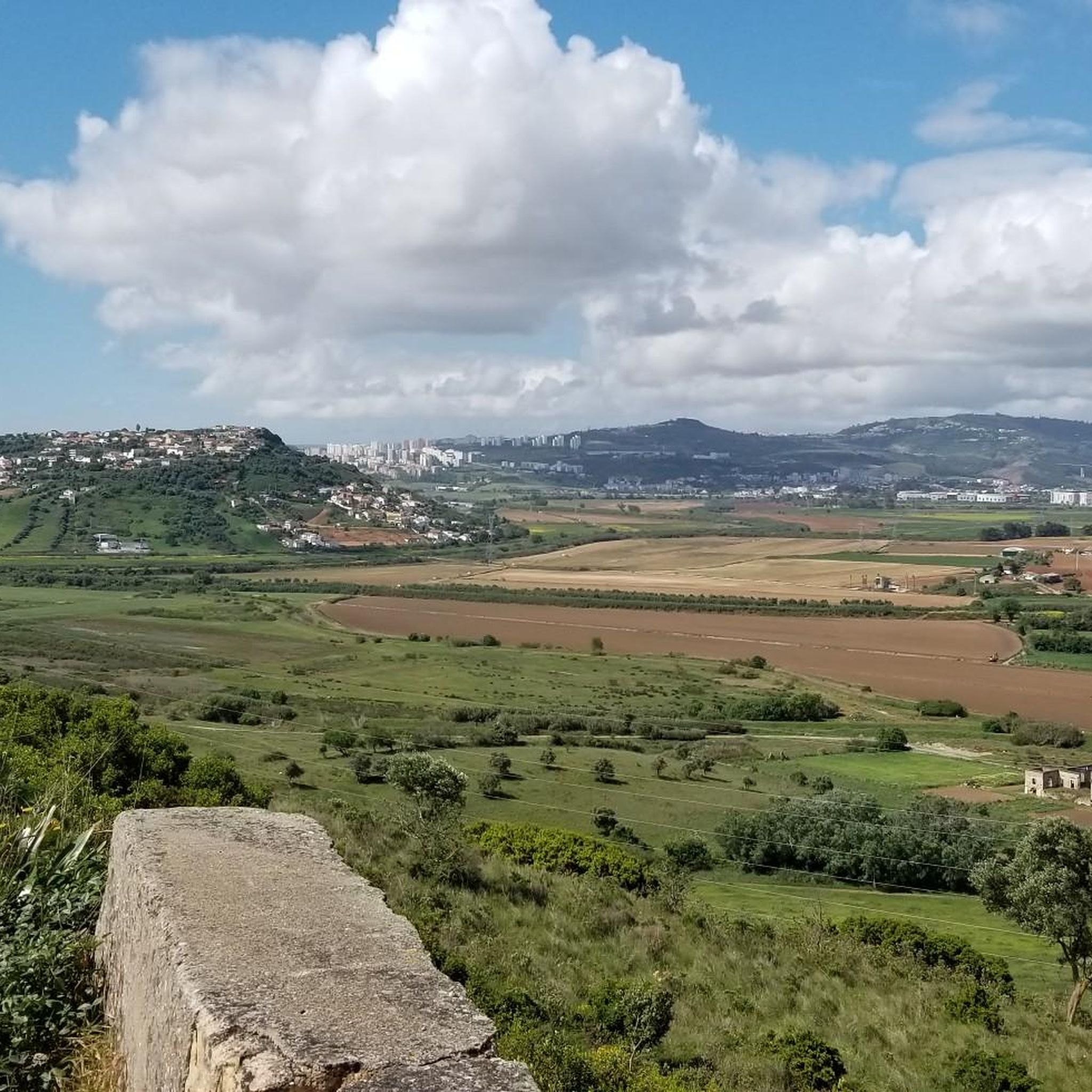
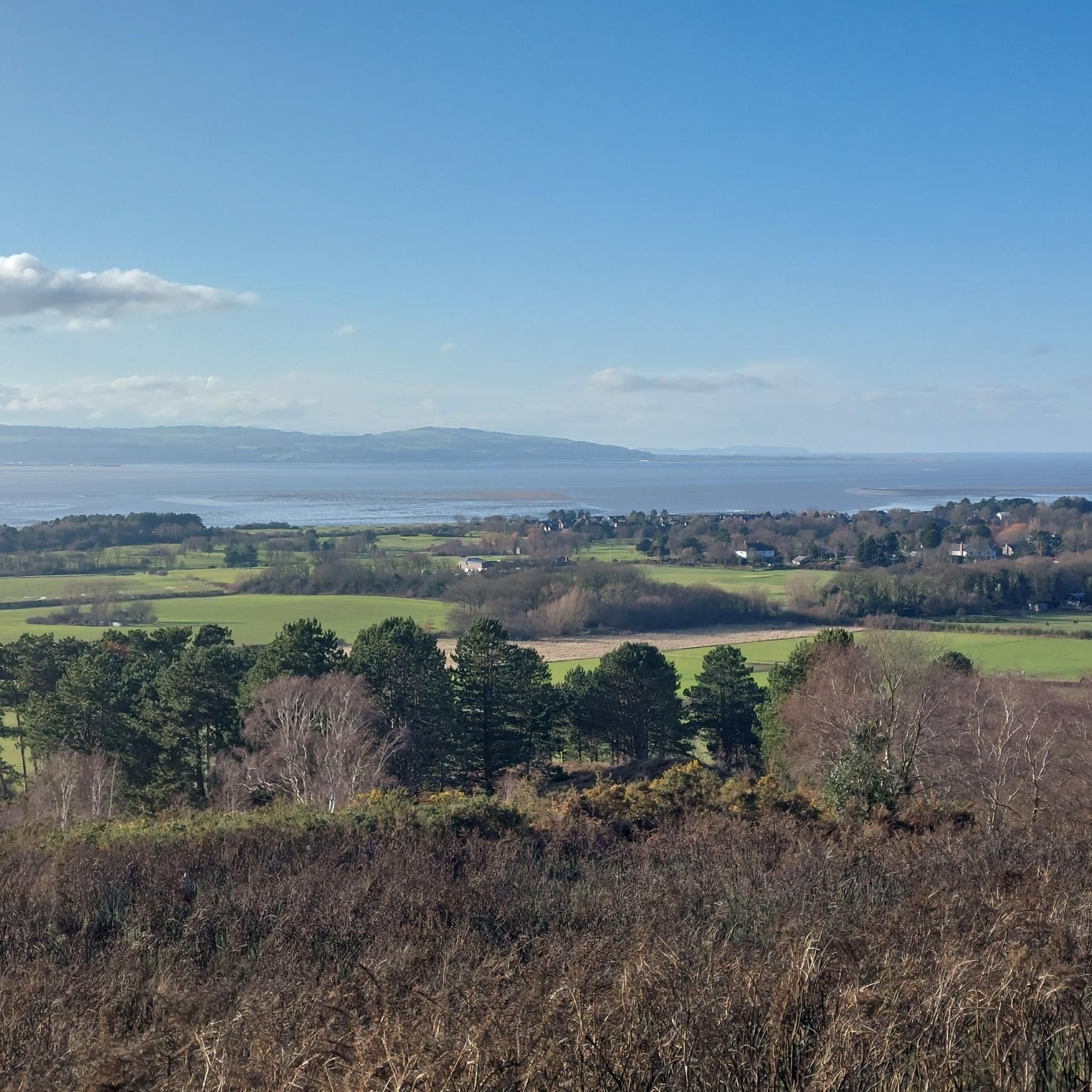
The Tagus Estuary Nature Reserve (RNET) is located in an area of high natural richness and diversity. Covering approximately 14,415 hectares, it is integrated into the largest wetland area in Portugal – the Tagus Estuary, including estuarine waters, sandbanks, salt pans, agricultural land, and cork oak forests. The connectivity of these habitats ensures the presence of a great diversity of living beings, such as mollusks, crustaceans, and small amphibians. It is also a nursery for various species of marine fish and a very important ecosystem for migratory fish. The estuary is also of great importance to aquatic birds, being one of the places with the most wintering birds in Europe.
1
0

Spring with good fresh water. In summer the water is often warm. There is an old public washhouse.
19
0

Located in the heart of the most important wetland in Portugal, the Tagus estuary, EVOA - Visitation and Bird Watching Space allows visitors to discover and enjoy the unique heritage, existing between the marshland and the Tagus estuary. EVOA includes three freshwater wetlands, totaling 70 ha. These lagoons are very important for birds, being used as a refuge area or even as a nesting place. In order to guarantee the tranquility of the birds and maximize the experience and comfort during the visit, three observatories are available on the banks of the lagoons, several camouflaged observation points and an Interpretation Center.
1
0
Although the maps show a short path from EVOA to this location, you will find a high gate that is normally closed and cannot be passed over or sideways. To get to Ponta D'erva, follow the path along the left bank of the Sorraia.
0
0

Must stop. Beautiful view over Tejo Estuary. on the way back, stop in Espaço Evoa.
0
0
Must go. One of the most beautiful places around Lisbon.
1
0

This waterfall is normally dry after 1 month of rain season, so by late march or early april it is normally dry. Then it should have water by november.
0
0
Frequently Asked Questions
What unique natural features can I explore around Vialonga?
Vialonga offers a variety of natural features, including the expansive Tagus Estuary, which is a significant wetland ecosystem. You can also discover a Shaded Trail with Waterfalls, and the unique EVOA – Birdwatching and Visitor Center. Beyond these, the region features hills like Serves and Serra d'Alrota, and the Sapal da Marinha (Marsh), offering diverse natural environments.
Are there opportunities for birdwatching near Vialonga's natural monuments?
Yes, the EVOA – Birdwatching and Visitor Center is specifically dedicated to birdwatching and environmental education. Located within the Tagus Estuary, it provides access to three freshwater wetlands and observation points for a wide array of bird species. The Tagus Estuary itself is one of Europe's most important wintering sites for aquatic birds.
Can I find trails with waterfalls in the Vialonga area?
Absolutely. The Shaded Trail with Waterfalls offers a refreshing experience within a forest setting. It's particularly beautiful when the waterfall is active after rainfall. Additionally, the Cascata da Mata do Paraíso is another waterfall recognized as part of Vialonga's natural heritage, offering scenic beauty and tranquil spots.
What kind of terrain can I expect on trails near Vialonga's natural monuments?
The terrain varies significantly. Around the Tagus Estuary and marsh areas like Sapal da Marinha, you might encounter flat, sometimes muddy paths, especially in winter, as noted for Ponta da Erva. Trails leading to waterfalls or through hills, such as those near Serves or Serra d'Alrota, can involve more varied elevations and forest paths. Some routes are easy, while others, like certain gravel biking loops, can be difficult.
Are there family-friendly natural monuments to visit in Vialonga?
Yes, several natural monuments are suitable for families. The EVOA – Birdwatching and Visitor Center is designed for visitors of all ages, offering educational experiences and easy access to bird observation points. Fonte do Carvalhal, a spring with an old public washhouse, also offers a pleasant, family-friendly spot. The Flamenga Urban Park, home to the ancient Dragoeiro tree, provides a green space for relaxation.
What outdoor activities are available near Vialonga's natural monuments?
The area around Vialonga is excellent for various outdoor activities. You can enjoy hiking on trails like the Loures Riverside Trail or the Pathway Through the Reeds near the Tagus Estuary. Cycling and gravel biking are also popular, with routes such as the Ponte Rainha D. Amélia loop or the Parque das Nações loop. For more detailed routes, you can explore guides like Hiking around Vialonga, Cycling around Vialonga, and Gravel biking around Vialonga.
When is the best time to visit the natural monuments, especially those with water features?
For waterfalls like the Shaded Trail with Waterfalls, the best time to visit is after rainfall, typically from November through late March or early April, as they can be dry during drier months. For birdwatching at EVOA and the Tagus Estuary, the winter months are ideal for observing migratory birds. Generally, spring and autumn offer pleasant temperatures for hiking and exploring.
Are there any significant natural viewpoints in the region?
Yes, the Tagus Estuary itself offers numerous scenic viewpoints, particularly for observing the vast wetland landscape. Ponta da Erva provides a beautiful view over the Tejo Estuary. Additionally, the surrounding hills such as Serves and Alto das Cabecas offer panoramic views of the local natural beauty.
What is the Tagus Estuary's significance as a natural monument?
The Tagus Estuary is part of the largest wetland area in Portugal and is recognized for its high natural richness and diversity. It's a crucial ecosystem for migratory birds, making it one of Europe's most important wintering sites. The estuary also serves as a nursery for various marine fish species and supports a wide diversity of living beings, including mollusks, crustaceans, and amphibians.
Are there any less-known natural spots worth discovering around Vialonga?
Beyond the more prominent sites, you might enjoy discovering Ponta da Erva, which offers a beautiful, serene view over the Tejo Estuary. Another interesting spot is Fonte do Carvalhal, a spring with fresh water and an old public washhouse, providing a glimpse into local heritage. The ancient Dragoeiro do Parque Urbano da Flamenga is also a striking botanical specimen within an urban park setting.
Can I go hiking near the natural monuments in Vialonga?
Yes, hiking is a popular activity. You can find various trails, including moderate options like the Loures Riverside Trail and the Pathway Through the Reeds near the Tagus Estuary. There are also easier routes, such as a 4.9 km loop around the Tagus Estuary from Póvoa. For more hiking options, consult the Hiking around Vialonga guide.
What wildlife can I expect to see around Vialonga's natural monuments?
The Tagus Estuary and EVOA – Birdwatching and Visitor Center are prime locations for wildlife spotting, especially birds. The estuary is a vital habitat for numerous aquatic bird species, including migratory birds. You might also encounter various mollusks, crustaceans, and small amphibians within the wetland ecosystems. The surrounding hills and marshes also support local flora and fauna.
Most popular attractions around Vialonga

Get inspired with the komoot mobile app


Explore more
Extend your search for the best caves by checking out these guides of the top ones around Vialonga:
