Top 8 Natural Monuments around Maxial
Best natural monuments around Maxial, a civil parish within the Torres Vedras municipality, offer diverse landscapes and geological formations. The region features limestone escarpments, varied brush, and protected areas like the Socorro and Archeira Mountains. These sites provide opportunities for outdoor activities and exploration of the natural environment. The area is characterized by its unique terrain and historical significance, making it a notable destination for natural features.
Best natural monuments around Maxial
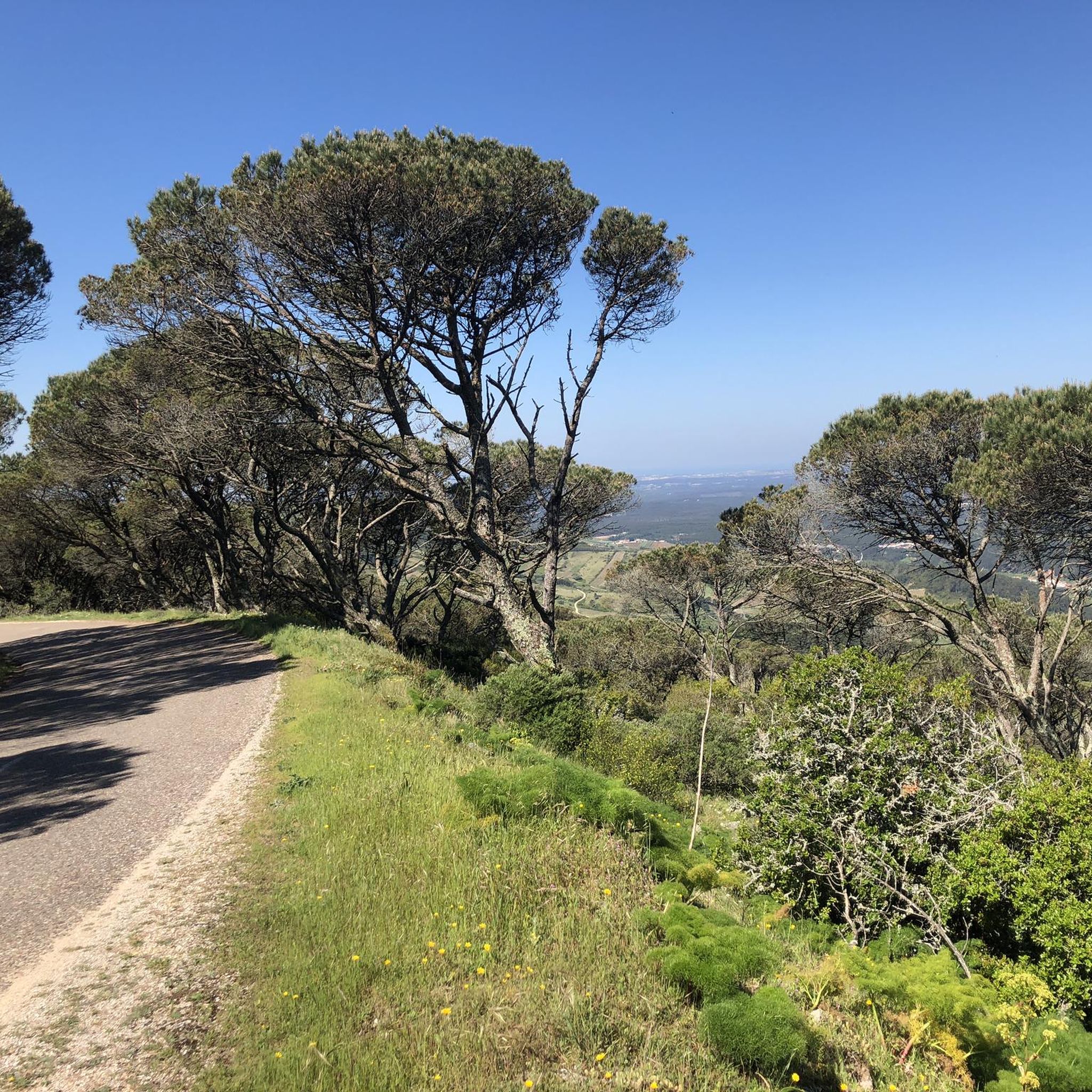
- The most popular natural monument is Serra de Montejunto Watchtower, a viewpoint that offers a panorama of the region north of the Serra. It can be accessed via a pastoral trail from a picnic park.
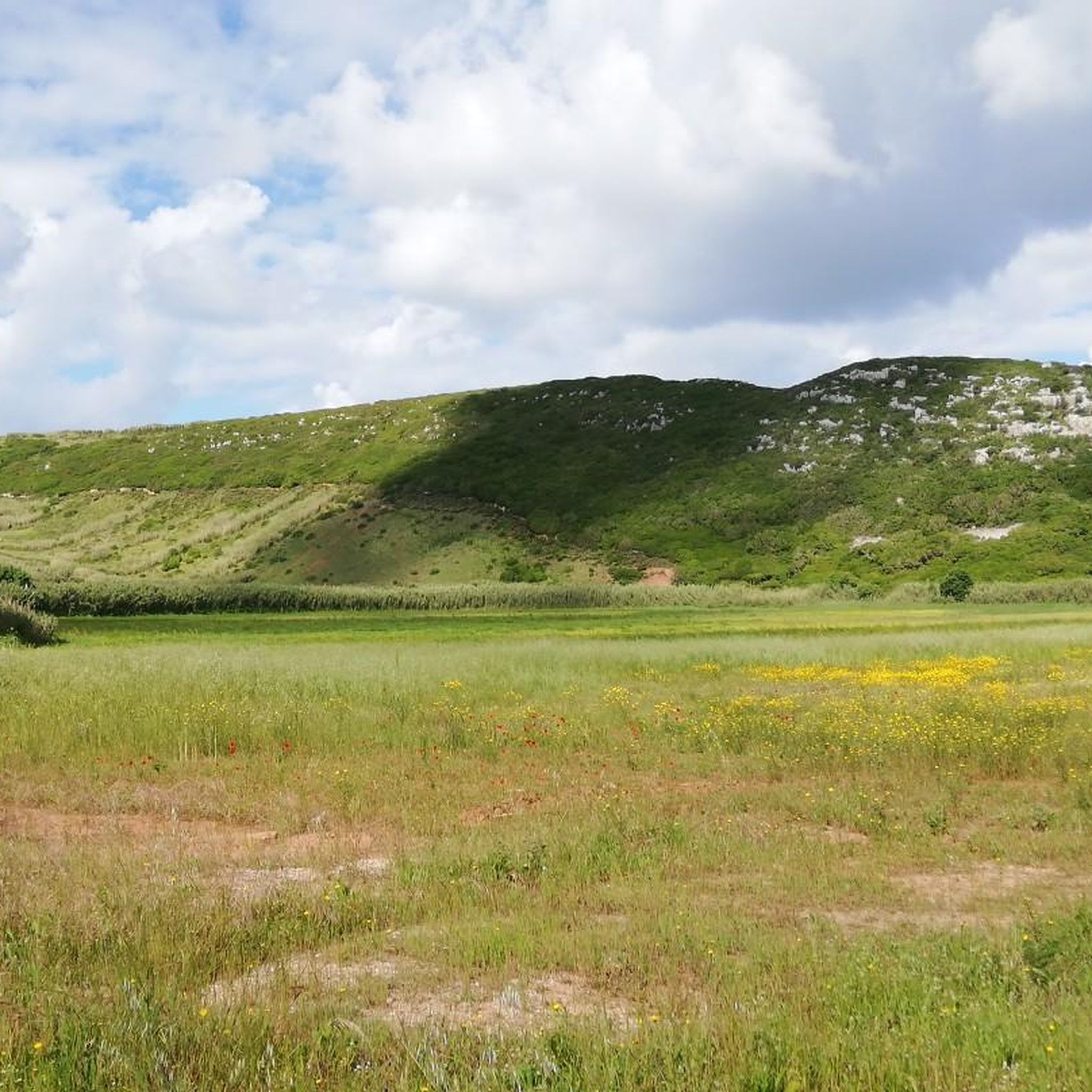
- Another must-see spot is Gravel Bend, a natural monument showcasing the karst landscape of Montejunto. This area features deep valleys, lakes, gravel pits, and lapiás, formed by water erosion over geological eras.
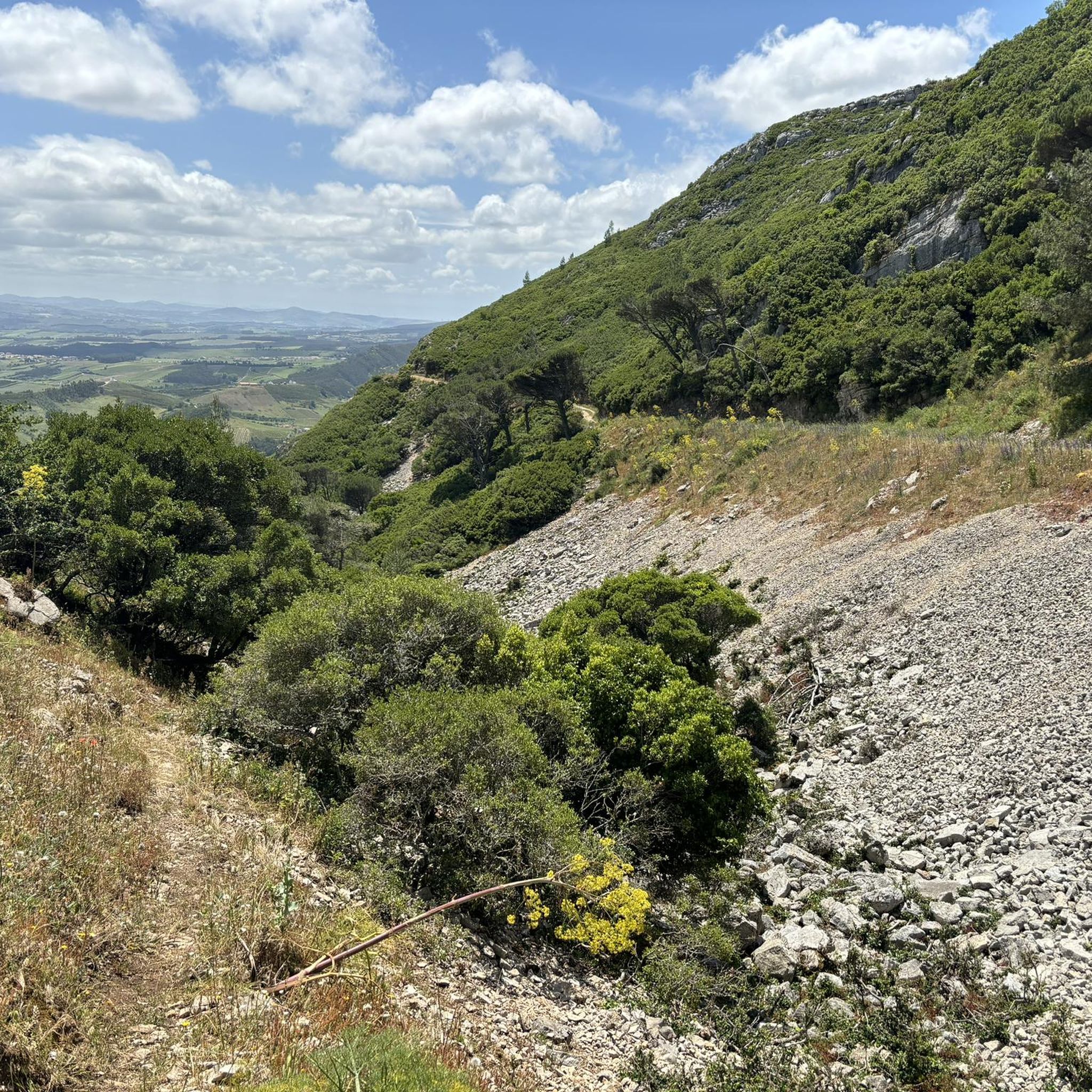
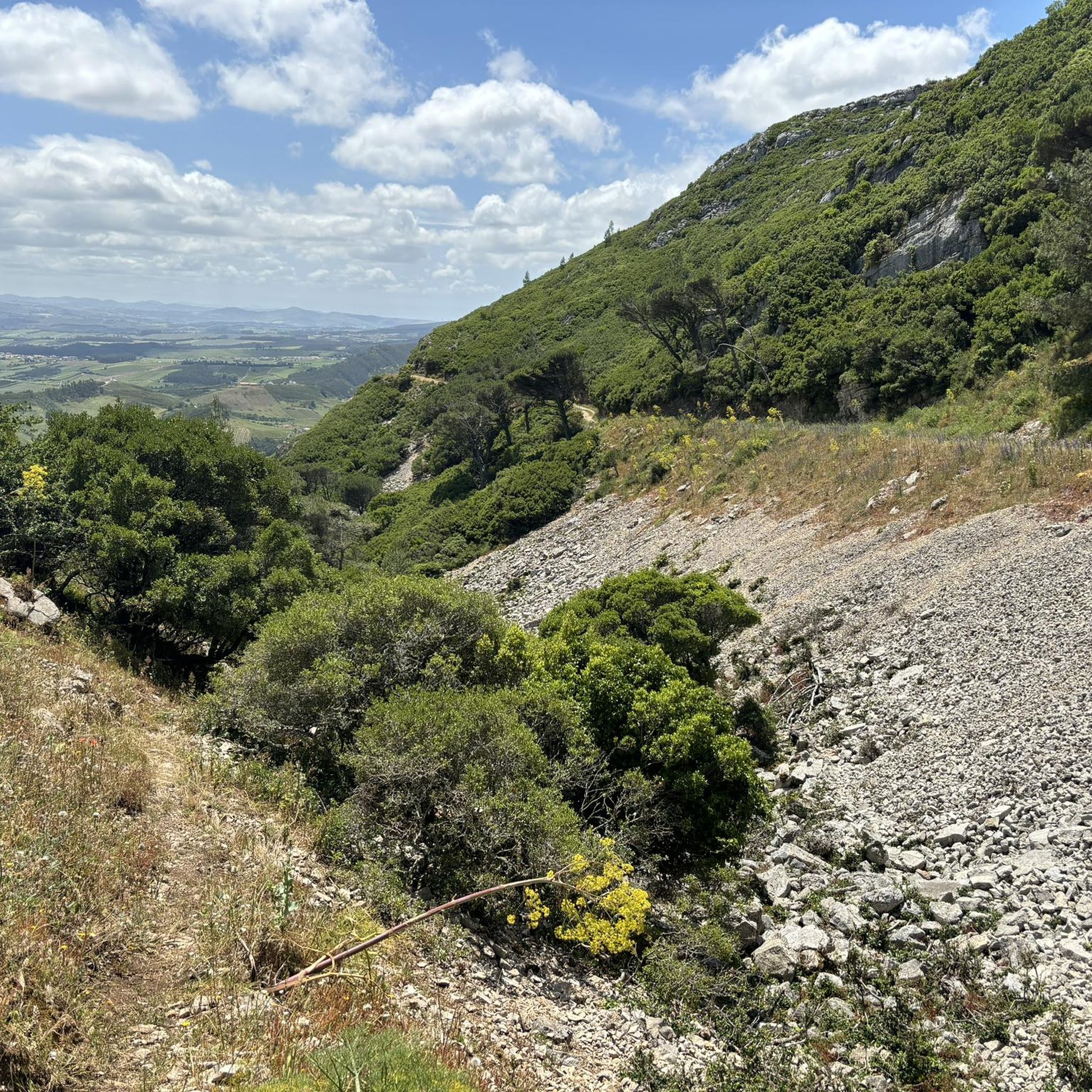
- Visitors also love Windmills of Serra de Montejunto, a trail that passes by several windmills, some of which have been recovered. The route includes sections with steep slopes, offering an interesting experience for hikers.
- Maxial is known for viewpoints, unique geological formations, and historical sites integrated into the natural landscape. The area offers a variety of natural monuments to see and explore, from karst features to elevated vantage points.
- The natural monuments around Maxial are appreciated by the komoot community, with 13 upvotes and 8 photos shared across the highlights.
Last updated: June 29, 2026
Serra de Montejunto Watchtower
Highlight • Viewpoint
Translated by Google •
Tip by

Gravel Bend
Highlight • Natural Monument
Water has been the protagonist in erosion phenomena over time. Several deposits of gravel pits result from the cracking of the outcrops caused by the expansion of the water which, when freezing, breaks the rock into small parts.
Source: montejunto.pt/natureza/paisagens
Translated by Google •
Tip by

Sign up now to discover places like this
Get recommendations on the best single tracks, peaks, & plenty of other exciting outdoor places.
Sign up for free
Castro de Pragança
Highlight • Historical Site
Translated by Google •
Tip by
Forte da Archeira
Highlight • Historical Site
Translated by Google •
Tip by
Windmills of Serra de Montejunto
Highlight • Monument
The trail has small sections with very steep slopes, so the easiest way to do it is downhill, that is, towards Serra de Montejunto, Vila Verde dos Francos. For those who are in Vila Verde dos Francos, it is preferable to go up the Estrada de Montejunto (N-115) to the sign that says Caminho dos Moinhos, and then turn right.
Translated by Google •
Tip by
Sign up for free to discover even more natural monuments around Maxial.
Sign up for free
Already have an account?
Start today with a free account
Your next adventure awaits.
Login or Signup

Tips from the Community

Forte da Archeira, part of the Lines of Towers defensive north of Lisbon during the Peninsular War, is a military fortification located at an altitude of 345 m. It was part of the 1st Defensive Line with the forts of Catefica and Feiteira. Despite not having gunboats, it has traces of a magazine. It forms part of the Lines of Torres, a system of 152 fortifications stretching over 80 km, built between 1809 and 1812 to prevent the advance of Napoleonic troops.
2
0
The Serra de Montejunto Forest Watch Station can be accessed via a pastoral trail from the picnic park. It offers a beautiful panorama of the region north of the Serra.
3
0
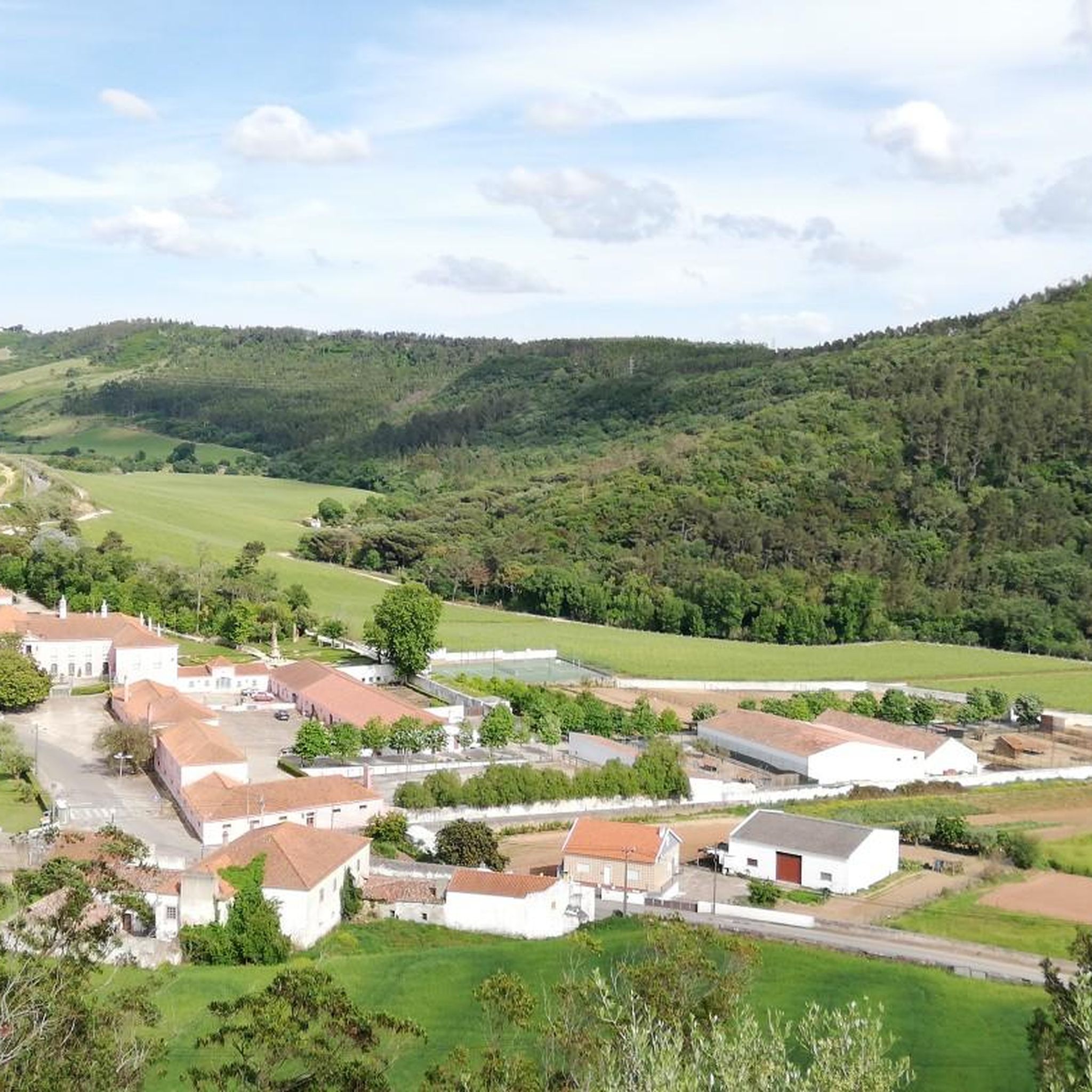
Castro de Pragança, located in Serra de Montejunto, is an archaeological site occupied from the Neolithic period to the Roman period. Discovered in 1893, its study revealed traces from various eras. Its archaeological collection is distributed across several national museums and, despite several excavation campaigns and studies, the Castro is currently in a state of abandonment. Its fortifications date back to the first half of the 3rd millennium BC, and the materials found include weights and metallic artefacts, indicating a prolonged and complex occupation.
1
0

The karst landscape of Montejunto constitutes the extreme southwest of the Estremenho Limestone Massif. Deep valleys, lakes, gravel pits and lapiás are some of the formations found here, testimonies of various geological eras. Water has been the protagonist in erosion phenomena over time. Several deposits of gravel pits result from the cracking of the outcrops caused by the expansion of the water which, when freezing, breaks the rock into small parts. Source: https://montejunto.pt/natureza/paisagens/
3
0
Interesting trail, which passes right next to several windmills, some of them recovered. The trail has small sections with very steep slopes, so the easiest way to do it is downhill, that is, towards Serra de Montejunto, Vila Verde dos Francos. For those who are in Vila Verde dos Francos, it is preferable to go up the Estrada de Montejunto (N-115) to the sign that says Caminho dos Moinhos, and then turn right.
1
0
It is located in Picoto do Castelo, close to Pragança, on the northwest slope of the Serra de Montejunto. It was discovered in 1893 and since then has been the subject of continued study. Traces found in the area indicate that it was a settlement occupied since the Late Neolithic, through the Copper, Bronze and Iron ages, and finally Romanized, with signs of occupation until the 1st century. several national museums, being considered very important for the study of Prehistory, Protohistory and the Romanization of the country. Castro de Pragança is currently in quite abandoned condition.
2
0
Frequently Asked Questions
What unique natural features can I explore near Maxial?
The region around Maxial, within the Torres Vedras municipality, offers diverse natural features. You can discover the fascinating karst landscape of Montejunto at Gravel Bend, characterized by deep valleys, lakes, gravel pits, and lapiás formed by water erosion. Another unique site is the Cabeço de Meca Quarry Lake, a former volcanic chimney and basalt quarry now featuring a lake within its crater.
Are there any protected natural areas in the Torres Vedras region?
Yes, the Protected Landscape Area of the Socorro and Archeira Mountains is a significant protected zone near Maxial. This area offers circular pedestrian routes and is home to the Ermida de Nossa Senhora do Socorro, which provides expansive natural viewpoints. It's also part of the larger Lines of Torres Vedras walking trail (GR30), blending natural beauty with historical significance.
Where can I find the best panoramic views around Maxial?
For breathtaking panoramic views, visit the Serra de Montejunto Watchtower, which offers a wide vista of the region north of the Serra. The Ermida de Nossa Senhora do Socorro in the Socorro and Archeira Mountains also serves as a prominent natural viewpoint in the Oeste region. Additionally, the Forte da Archeira, situated at an altitude of 345m, provides excellent vantage points.
Are there historical sites integrated with the natural landscape near Maxial?
Absolutely. The Forte da Archeira is a military fortification from the Lines of Torres Vedras, offering both historical context and natural views. The Windmills of Serra de Montejunto trail also combines historical man-made structures with natural scenery, passing by several recovered windmills. The broader Lines of Torres Vedras walking trail (GR30) itself is steeped in Napoleonic Wars history, winding through hills and valleys.
What outdoor activities can I do near these natural monuments?
The region around Maxial is excellent for outdoor activities. You can enjoy hiking on various trails, including those in the Protected Landscape Area of the Socorro and Archeira Mountains. The Rocky Landscape at Maceira is known for nature sports due to its challenging trails. For more structured routes, explore options like the 'Montejunto Peak Loop' or 'Serra de Montejunto Loop' for hiking, or various MTB and road cycling routes around Maxial. You can find more details on these activities at Hiking around Maxial, MTB Trails around Maxial, and Road Cycling Routes around Maxial.
Are there hiking trails near the natural monuments around Maxial?
Yes, there are numerous hiking trails. The Windmills of Serra de Montejunto offers an interesting trail with some steep sections. The Rocky Landscape at Maceira features several trails, including the Escarpas Passadiço walkway, providing picturesque views. The Protected Landscape Area of the Socorro and Archeira Mountains also has circular pedestrian routes, some of which are part of the GR30 Lines of Torres Vedras walking trail. For more hiking options, check out Hiking around Maxial.
What is the best time of year to visit the natural monuments near Maxial?
The Torres Vedras region, including Maxial, generally enjoys a mild climate. Spring (April to June) and autumn (September to October) are often ideal, offering pleasant temperatures for hiking and exploring without the intense heat of summer. During these seasons, the landscapes are vibrant, and the weather is comfortable for outdoor activities.
Are there family-friendly natural attractions around Maxial?
Many natural sites in the region can be enjoyed by families. The Escarpas Passadiço walkway at the Rocky Landscape at Maceira offers an accessible path with scenic views. While some trails have steep sections, many areas within the Protected Landscape Area of the Socorro and Archeira Mountains offer gentler circular routes suitable for family walks. Always check specific trail difficulties before heading out with children.
Are there dog-friendly walks near Maxial's natural monuments?
Many of the natural trails and protected areas around Maxial are generally dog-friendly, allowing you to explore with your canine companion. Areas like the Rocky Landscape at Maceira and the trails within the Socorro and Archeira Mountains are popular for walks. It's always advisable to keep dogs on a leash and ensure you clean up after them to preserve the natural environment for everyone.
What should I bring for hiking the natural monuments near Maxial?
When hiking near Maxial, it's recommended to bring appropriate footwear for varied terrain, especially if you plan to tackle trails with steep slopes like those near the Windmills of Serra de Montejunto. Essential items include water, sun protection (hat, sunscreen), snacks, and a fully charged phone. Depending on the season, layers of clothing are also advisable, as weather can change. A map or GPS device is also helpful for navigating trails.
Are there any less crowded natural sites to visit near Maxial?
While Serra de Montejunto is popular, the Rocky Landscape at Maceira and the Protected Landscape Area of the Socorro and Archeira Mountains can offer a more tranquil experience, especially on weekdays. These areas provide extensive trails and natural beauty without always being as frequented as the most prominent viewpoints. Exploring the various circular routes within the Socorro and Archeira Mountains can lead you to quieter spots.
What is the Rocky Landscape at Maceira, and how can I visit it?
The Rocky Landscape at Maceira is a significant natural feature in the Torres Vedras municipality, known for its impressive limestone escarpments and varied brush. It offers trails, including the Escarpas Passadiço, a kilometer-long walkway with picturesque views of green landscapes and the Atlantic Ocean. You can find more information about visiting this area on the official tourism website: visitetorresvedras.pt.
Most popular attractions around Maxial

Get inspired with the komoot mobile app


Explore more
Extend your search for the best caves by checking out these guides of the top ones around Maxial:
