Top 20 Natural Monuments around Sintra (Santa Maria E São Miguel)
Natural monuments around Sintra (Santa Maria E São Miguel) are found within the Sintra-Cascais Natural Park, offering a diverse landscape of mountains, coastline, and unique geological formations. This region is characterized by its dramatic cliffs, lush forests, and expansive ocean views. The area holds ecological and cultural significance, providing a blend of natural beauty and historical context. It is a destination for exploring varied ecosystems and notable landmarks.
Best natural monuments around Sintra (Santa Maria E São Miguel)
- The most…
Last updated: June 29, 2026
Pena Palace
Highlight • Castle
Translated by Google •
Tip by

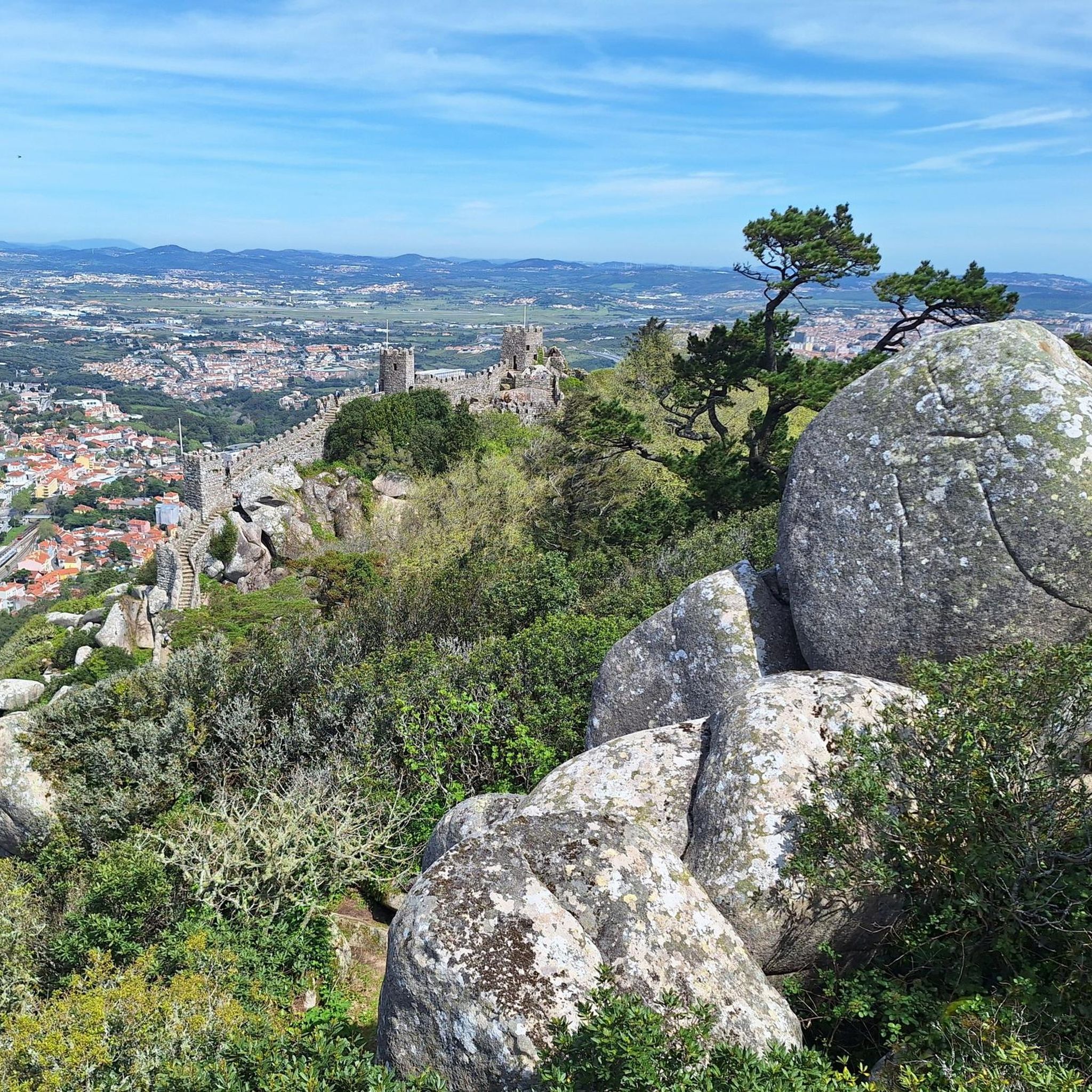
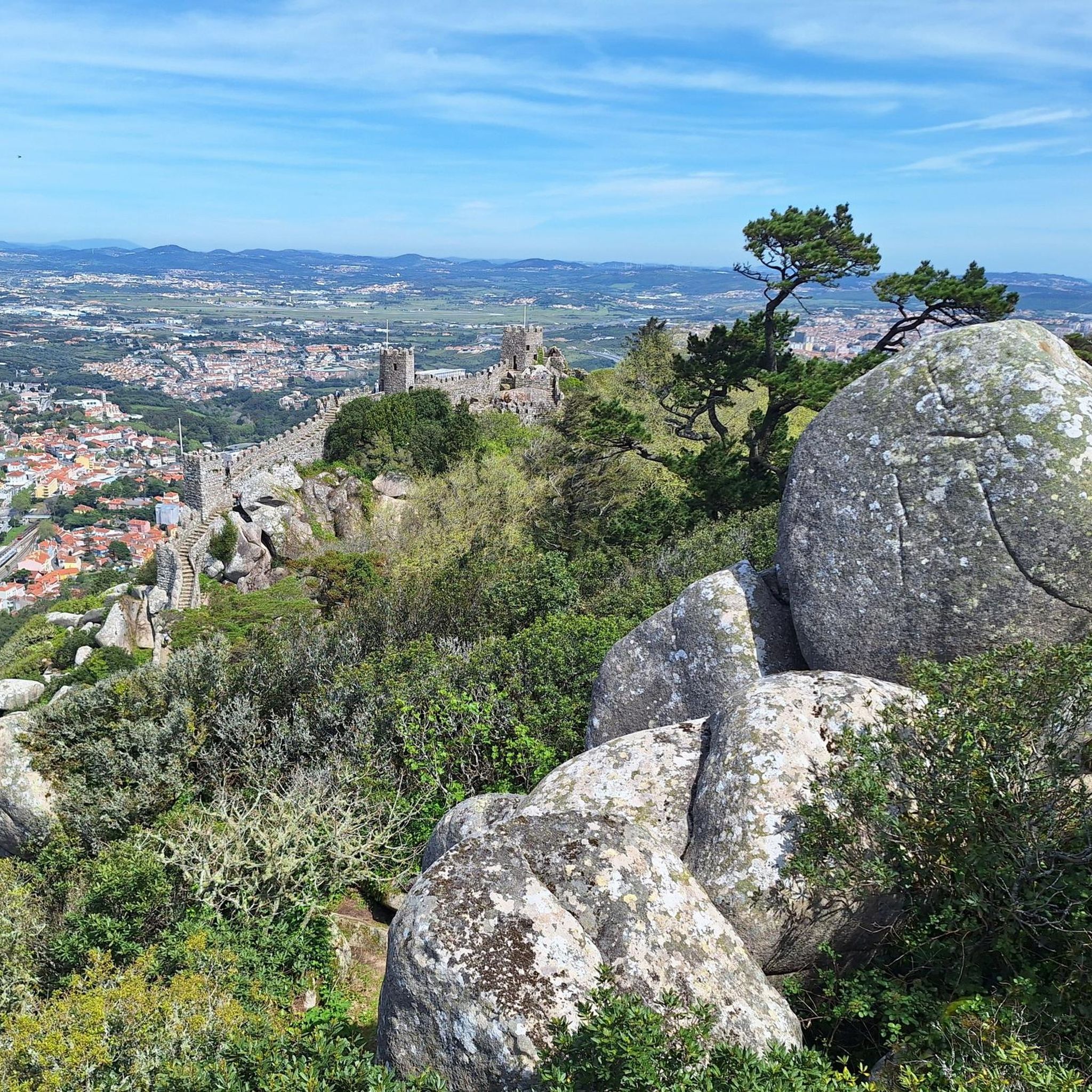
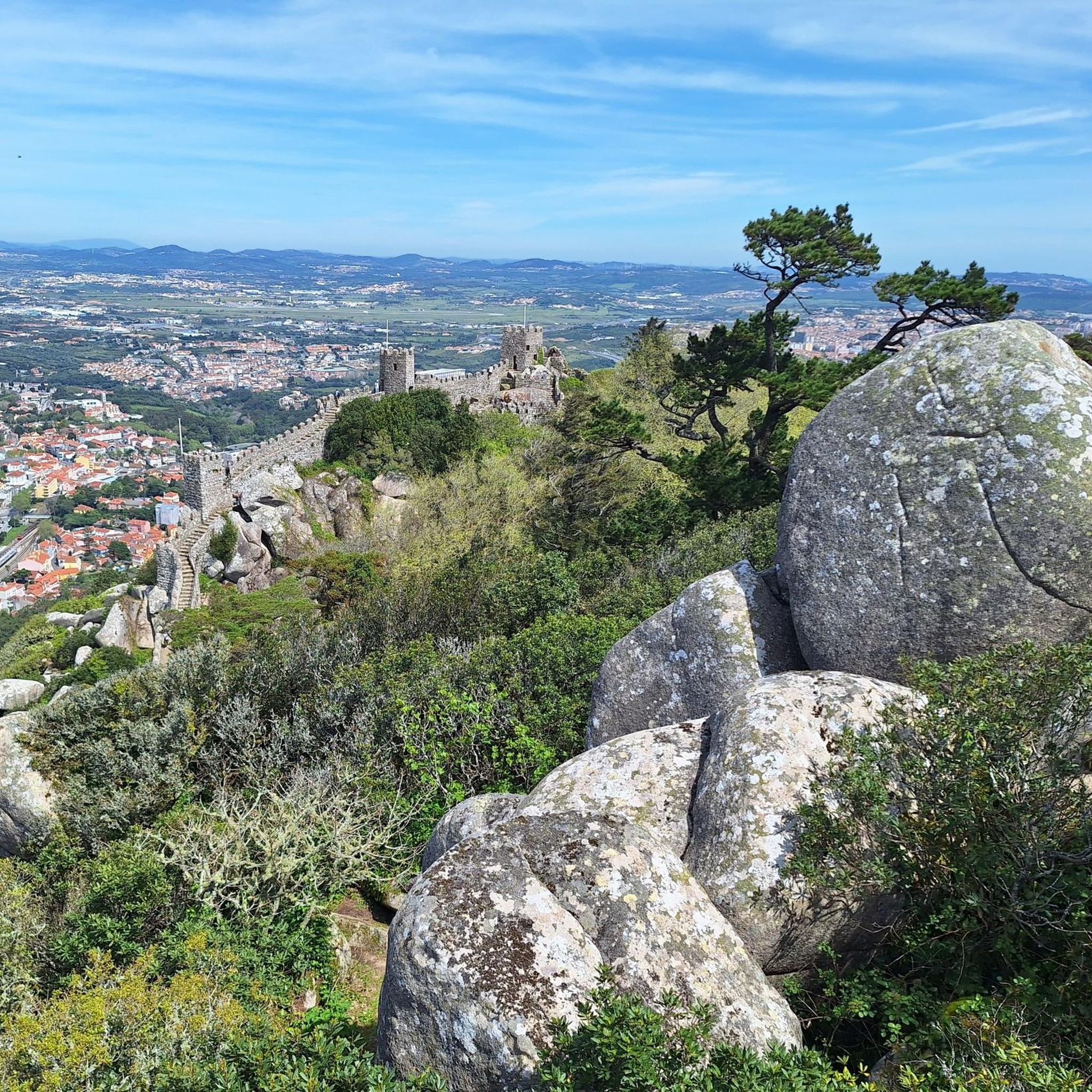
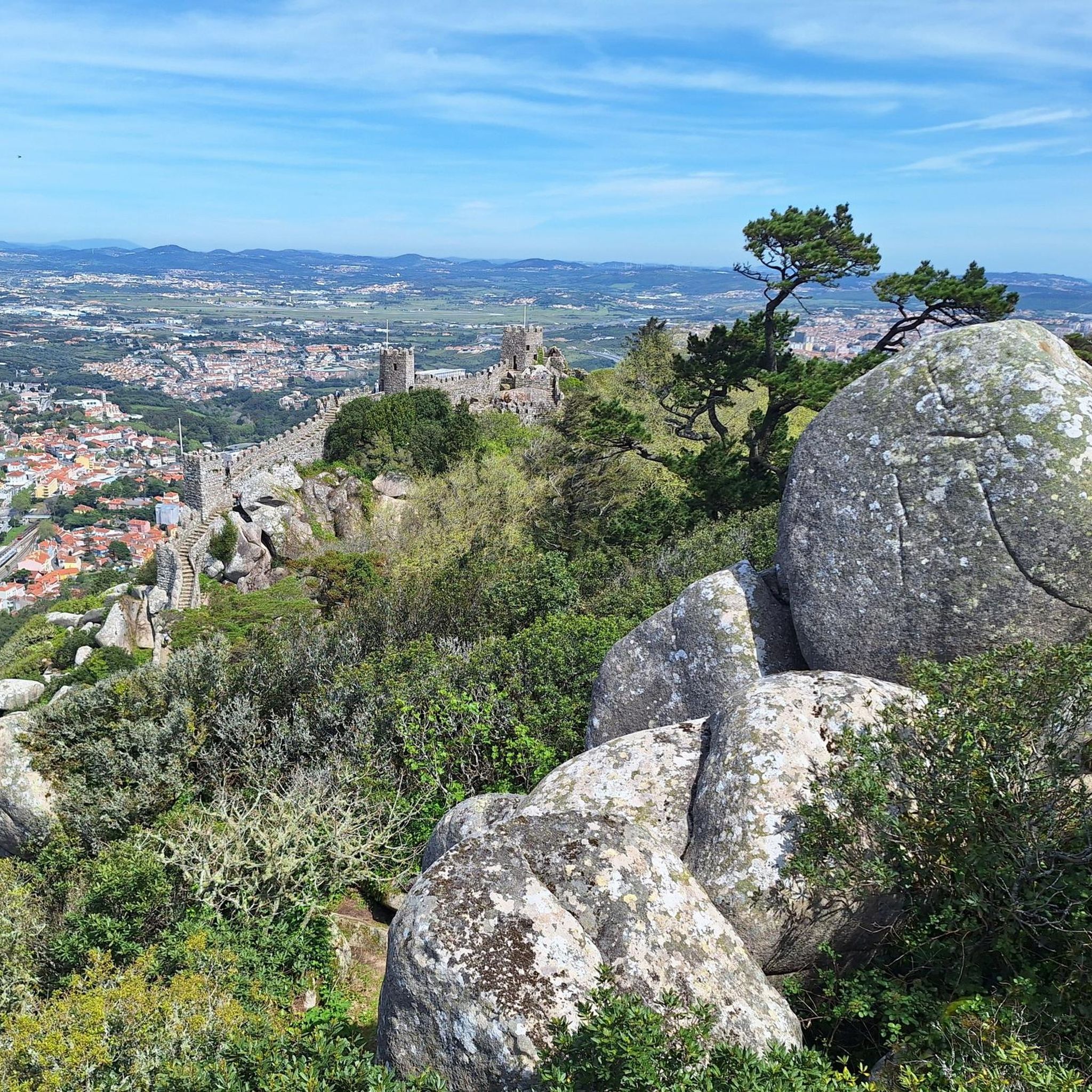
Castle of the Moors
Highlight • Castle
Translated by Google •
Tip by
Sign up now to discover places like this
Get recommendations on the best single tracks, peaks, & plenty of other exciting outdoor places.
Sign up for free
Cabo da Roca — Westernmost point of mainland Europe
Highlight • Viewpoint
Until the 14th century, Europeans thought it was the end of the world.
The highlight of Cabo da …
Translated by Google •
Tip by

Ursa Beach
Highlight • Beach
Translated by Google •
Tip by
Peninha Sanctuary
Highlight • Religious Site
Translated by Google •
Tip by

Sign up for free to discover even more natural monuments around Sintra (Santa Maria E São Miguel).
Sign up for free
Already have an account?
Start today with a free account
Your next adventure awaits.
Login or Signup
Popular around Sintra (Santa Maria E São Miguel)
Hiking around Sintra (Santa Maria E São Miguel)
Running Trails around Sintra (Santa Maria E São Miguel)
Road Cycling Routes around Sintra (Santa Maria E São Miguel)
Cycling around Sintra (Santa Maria E São Miguel)
MTB Trails around Sintra (Santa Maria E São Miguel)

Gravel biking around Sintra (Santa Maria E São Miguel)
Tips from the Community

The view of Pena Palace and Sintra from the Castelo dos Mouros is one of the most spectacular in the entire region. Walking along the castle walls, you'll discover a landscape that blends history, architecture, and nature in perfect harmony.
7
0
Cabo da Roca is a spectacular cape located in the Sintra-Cascais Natural Park in Portugal, known as the westernmost point of continental Europe. Its rugged beauty and remote location make it a very special destination for nature lovers and those interested in dramatic landscapes.
7
0
It was originally a Hieronymite monastery founded in the 16th century, dedicated to Our Lady of Sorrow. After the 1755 earthquake, it fell into ruins and was acquired by King Ferdinand II in 1838. Between 1842 and 1854, it became a summer palace for the Portuguese royal family. In 1910, following the end of the monarchy, it passed into state hands and was opened to the public.
20
0
The Pena Palace in Sintra is one of Portugal's most spectacular monuments and a jewel of European Romanticism. Located high in the Sintra Mountains, about 25 km from Lisbon, this palace looks like something out of a fairy tale with its colorful and eclectic architecture.
21
0

A sanctuary built by popular devotion. High above, at an altitude of 488 meters, the Peninha Sanctuary enchants with its unshakable magic and mystique. Built by popular devotion, the Chapel of Our Lady of Penha (Peninha) arose following a supposed apparition of Our Lady to a poor shepherdess. This architectural complex also includes the centuries-old chapel of São Saturnino and an enigmatic Romantic-Revival mansion commissioned in 1918 by António Augusto Carvalho Monteiro (owner of Quinta da Regaleira). Source: parquesde sintra.pt
3
1

I personally recommend climbing up from Sintra (From Lisbon there are many trains). Cycling on those roads gives you amazing landscapes, and from the peak with a clear day it is possible to see the whole of the Lisbon area, from bridge to bridge and much more. No bar nor facilities on the top, all the buildings are closed.
2
0

Mythical climb of the Serra de Sintra, from where you can see the entire Cascais coastline.
4
0

Beautiful viewpoint, very popular, many buses, early or late time is recommended
6
1
Frequently Asked Questions
What kind of natural landscapes can I expect to see around Sintra (Santa Maria E São Miguel)?
The region, primarily within the Sintra-Cascais Natural Park, offers a diverse range of natural landscapes. You can expect to see dramatic sea cliffs, such as those at Cabo da Roca — Westernmost point of mainland Europe, lush forests, expansive viewpoints like Peninha Sanctuary, and unique beaches with large rock formations, like Ursa Beach. The area is characterized by its blend of mountainous terrain and Atlantic coastline.
What are some notable geological features found in Sintra's natural monuments?
Sintra's natural monuments showcase interesting geological formations. At Cabo da Roca, you'll find towering cliffs composed of gabbro-diorite, volcanic breccia, granite, and limestone deposits. The Sintra-Cascais Natural Park also features unique formations like consolidated fossil dunes and the 'living' cliff in Azenhas do Mar, along with reported dinosaur footprints at Praia Grande.
Are there family-friendly natural monuments to visit in Sintra (Santa Maria E São Miguel)?
Yes, several natural monuments are suitable for families. Cabo da Roca — Westernmost point of mainland Europe is considered family-friendly, offering impressive views and a sense of being at the 'edge of the world'. While some paths to beaches can be steep, many viewpoints and general areas within the Sintra-Cascais Natural Park are enjoyable for all ages.
What is the best time of year to visit the natural monuments in Sintra?
The Sintra-Cascais Natural Park and its monuments are beautiful year-round. However, for hiking and enjoying the coastal views, spring (April-May) and early autumn (September-October) offer pleasant temperatures and fewer crowds. Summer can be warm and busy, especially at popular spots like Cabo da Roca, while winter can bring cooler, sometimes foggy, weather, which can add a mystical atmosphere to places like Peninha Sanctuary.
Can I reach the natural monuments in Sintra using public transport?
Yes, some natural monuments are accessible by public transport. For instance, Cabo da Roca has regular bus connections from Sintra and Cascais. However, reaching some more secluded spots like Ursa Beach might require a combination of public transport and a walk, or a rental car for more flexibility.
Are there historical or cultural sites integrated with the natural monuments?
Absolutely. The region beautifully blends natural beauty with historical significance. For example, the Peninha Sanctuary, perched atop a rocky outcrop, includes a historic chapel and palace. Similarly, the Castle of the Moors, while a historical fortification, is situated within a natural setting offering panoramic views over the landscape.
What outdoor activities can I do near the natural monuments in Sintra?
The area around Sintra's natural monuments is excellent for various outdoor activities. You can find numerous hiking trails, from easy walks within Pena Park to more challenging routes leading to secluded beaches like Ursa Beach. The Sintra-Cascais Natural Park is also popular for mountain biking and road cycling. For detailed routes, explore the MTB Trails around Sintra or Road Cycling Routes around Sintra guides.
Are there hiking trails suitable for different skill levels near these natural monuments?
Yes, the Sintra region offers a range of hiking trails. You can find easy paths within areas like Pena Park, which are perfect for leisurely strolls. More intermediate trails lead to viewpoints such as Peninha Sanctuary, while challenging routes, often steep, are required to access hidden gems like Ursa Beach. Always check the difficulty and terrain before setting out.
What do visitors enjoy most about the natural monuments in Sintra (Santa Maria E São Miguel)?
Visitors consistently praise the breathtaking panoramic views, especially at sunset, from locations like Cabo da Roca and Peninha Sanctuary. The wild, rugged landscapes, the unique rock formations at beaches like Ursa Beach, and the mystical atmosphere of the forested areas also receive high acclaim. The blend of natural beauty with historical elements, such as the Castle of the Moors, is also a significant draw.
Can I bring my dog to the natural monuments and trails in Sintra?
Many outdoor areas and trails within the Sintra-Cascais Natural Park are dog-friendly, allowing you to explore with your canine companion. However, it's always advisable to keep dogs on a leash, especially in protected areas or near cliffs, and to check specific regulations for individual sites or beaches before your visit. For example, while the general area around Cabo da Roca is open, access to certain buildings or very crowded spots might be restricted.
Are there any hidden gems or less-known natural spots worth exploring?
While popular sites like Cabo da Roca and Peninha Sanctuary are well-known, the Sintra-Cascais Natural Park is vast and holds many less-trodden paths. Exploring the diverse trails within the park can lead you to secluded viewpoints, quiet forest clearings, or lesser-known coastal stretches beyond the main attractions. Ursa Beach, though gaining popularity, still feels like a hidden gem due to its challenging access.
What should I wear for hiking in the natural areas of Sintra?
For hiking in Sintra's natural areas, comfortable and sturdy footwear is essential, especially for trails that can be steep or uneven, such as the descent to Ursa Beach. Layered clothing is recommended as coastal weather can change quickly, and it can be windy at viewpoints like Cabo da Roca. Don't forget sun protection, even on cloudy days, and bring enough water.
Most popular routes around Sintra (Santa Maria E São Miguel)
Most popular attractions around Sintra (Santa Maria E São Miguel)

Get inspired with the komoot mobile app


Explore more
Extend your search for the best caves by checking out these guides of the top ones around Sintra (Santa Maria E São Miguel):
