Top 10 Natural Monuments around Vermelha
Best natural monuments around Vermelha are found within a region characterized by its diverse geological structures and natural landscapes. This area, notably encompassing the Serra de Montejunto, offers a blend of elevated viewpoints, river valleys, and forested trails. Visitors can explore a limestone massif, observe marks of erosion, and appreciate varied agricultural landscapes. The natural features around Vermelha provide opportunities for outdoor exploration and appreciating the region's topography.
Best natural monuments around Vermelha
- The most popular natural monuments is Serra…
Last updated: June 29, 2026
Vale Cornaga Waterfall
Highlight • Waterfall
Tip by

Serra de Montejunto Watchtower
Highlight • Viewpoint
Translated by Google •
Tip by

Sign up now to discover places like this
Get recommendations on the best single tracks, peaks, & plenty of other exciting outdoor places.
Sign up for free
Castro de Pragança
Highlight • Historical Site
Translated by Google •
Tip by

Buddha Eden Garden
Highlight • Monument
Translated by Google •
Tip by

Arnóia River
Highlight • River
Nicely situated in the valley
Translated by Google •
Tip by

Sign up for free to discover even more natural monuments around Vermelha.
Sign up for free
Already have an account?
Start today with a free account
Your next adventure awaits.
Login or Signup
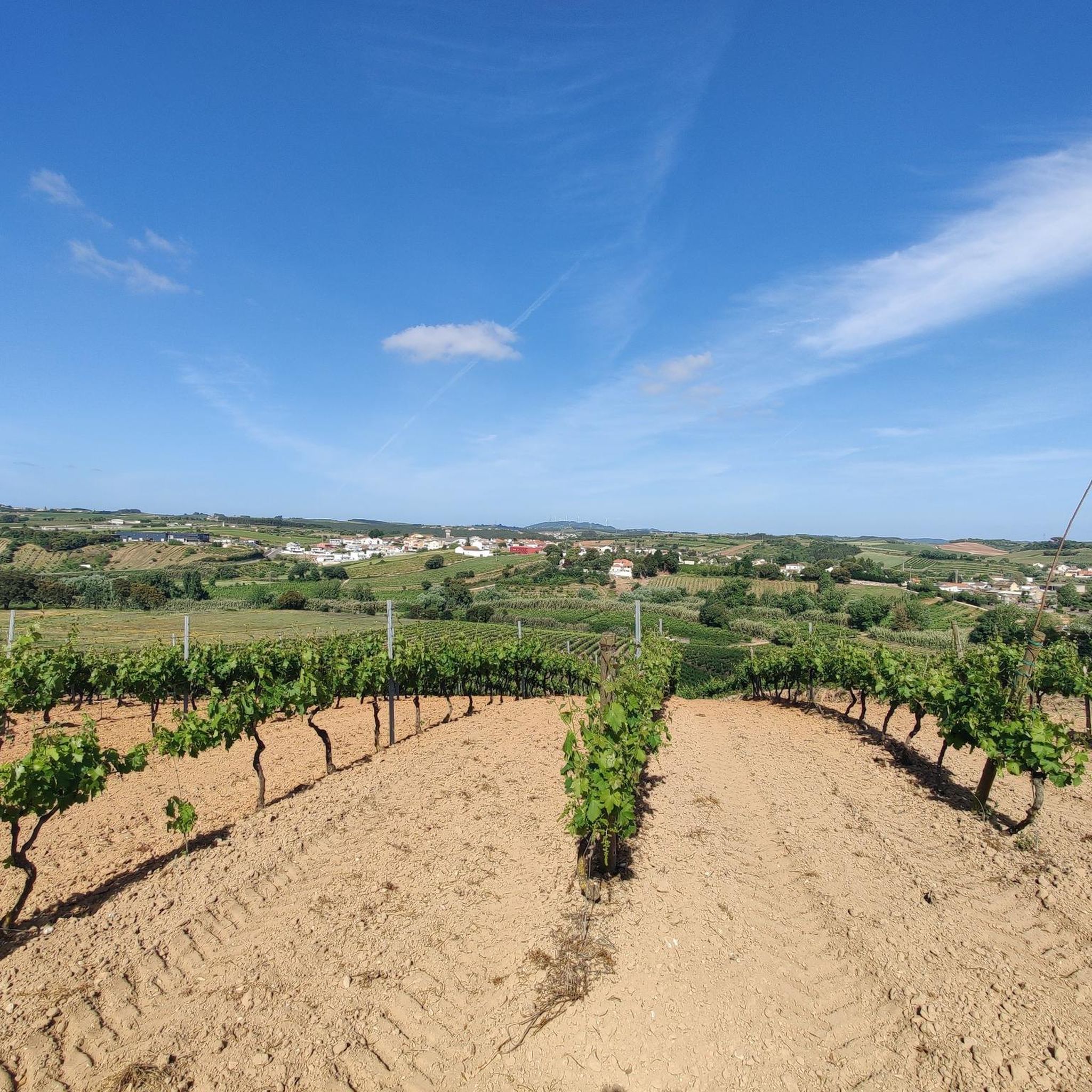
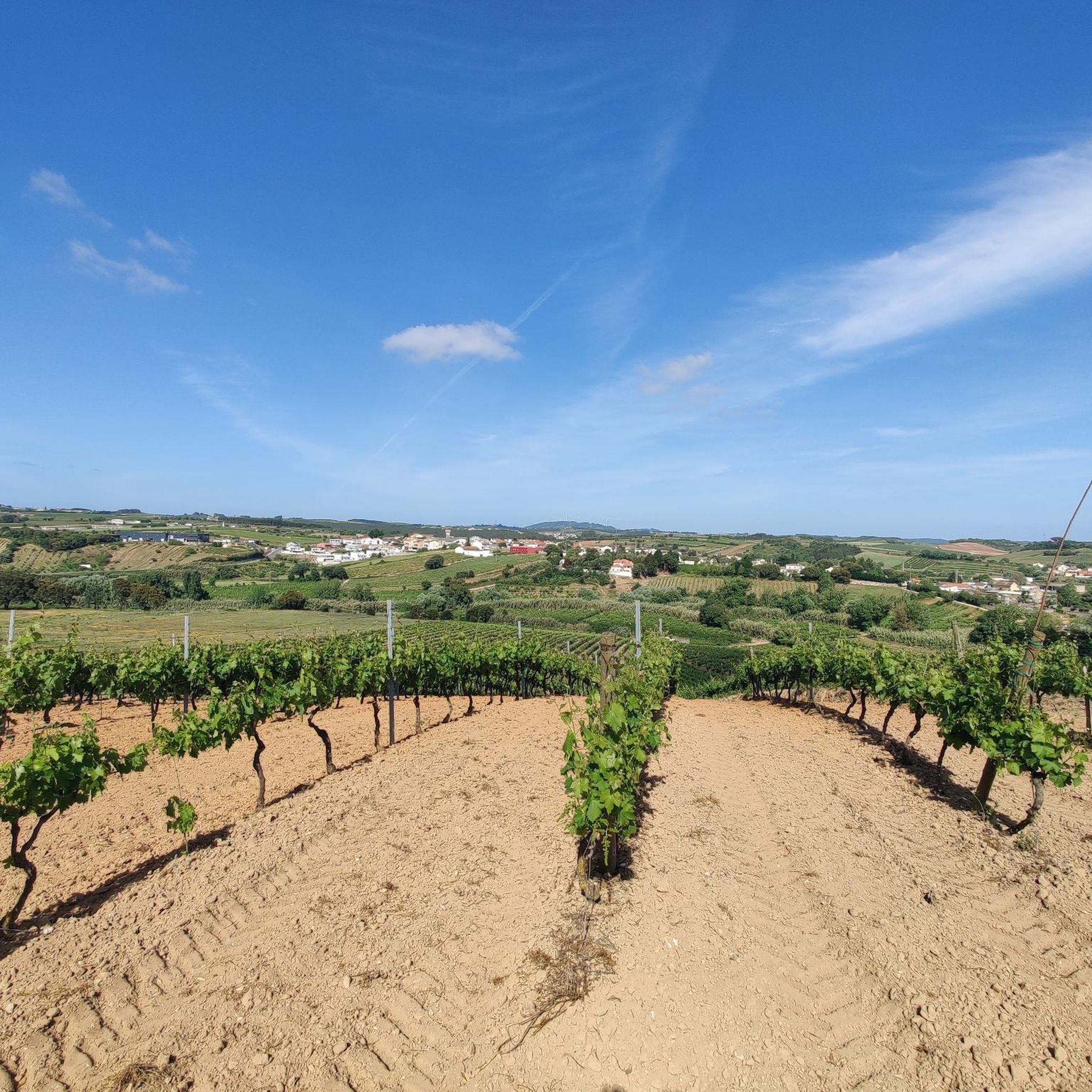

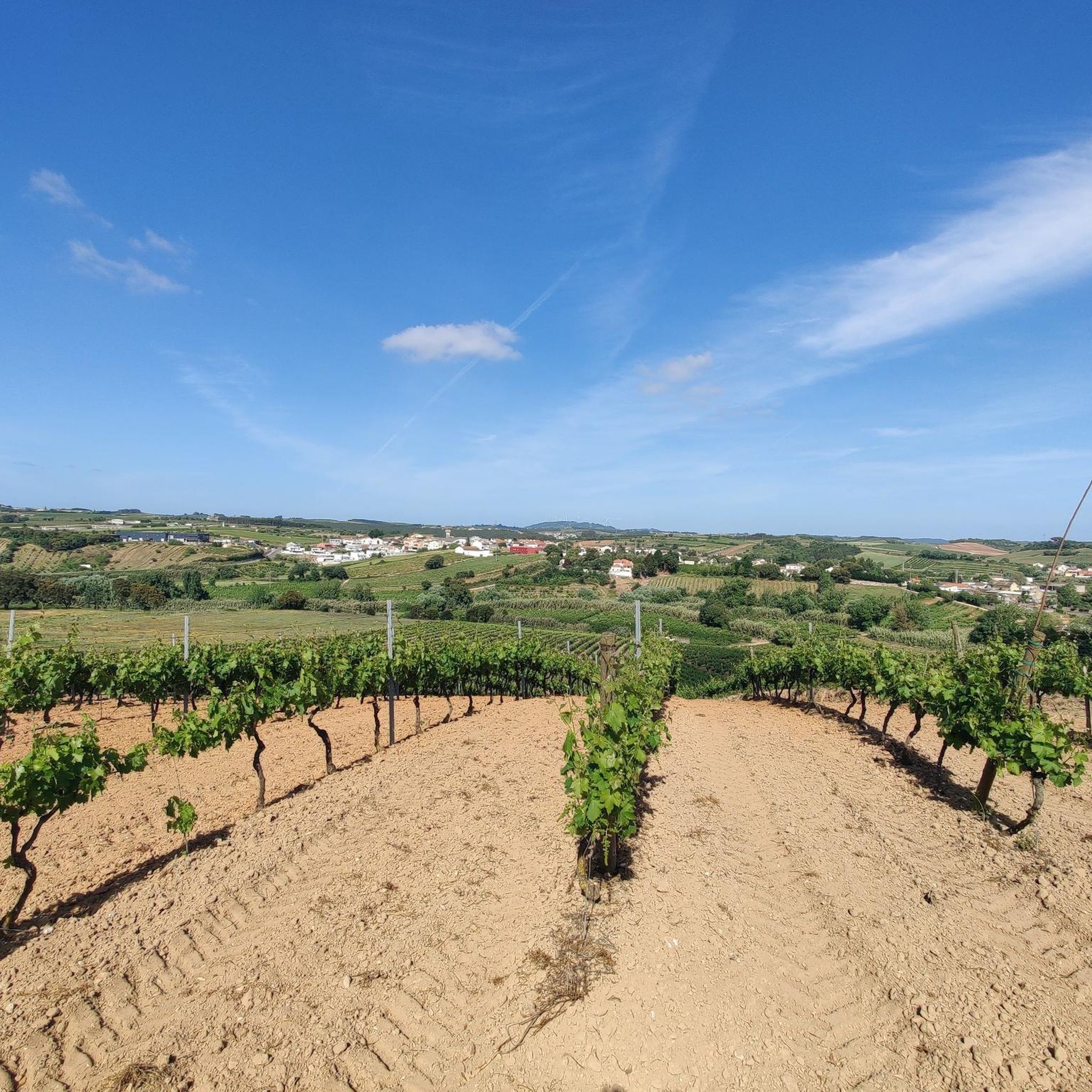
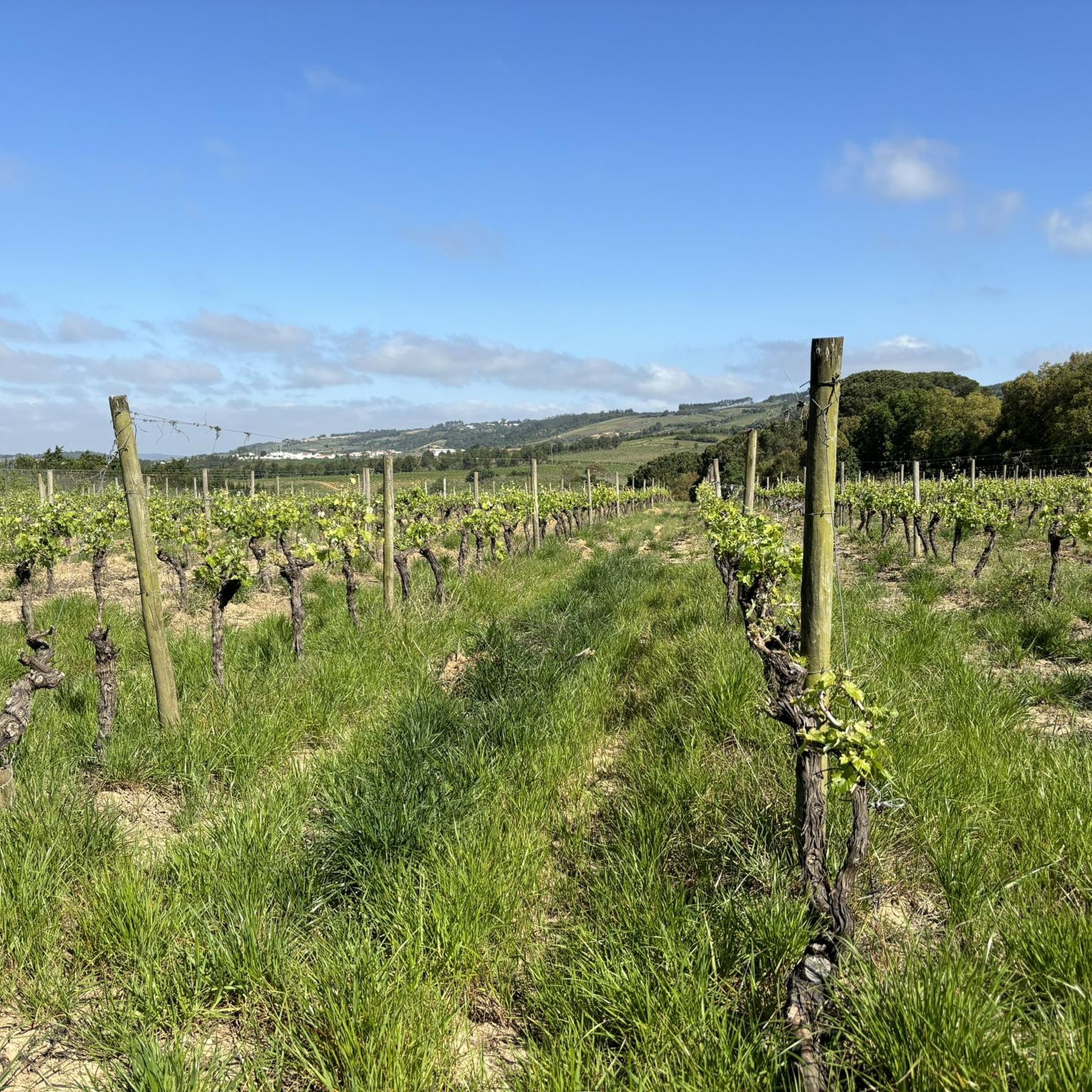
Tips from the Community


Regularly, the company owner, Commander José Berardo, shocked in 2001 by the destruction by the Taliban of the thousand-year-old statues of Buddha in the cultural landscape and archaeological ruins of the Bamiyan Valley, in Afghanistan, conceived the project of creating a garden as a tribute to the loss of this heritage of humanity.[4] As a result, a 35-hectare space was later opened on the farm, with vegetation where cork and oak trees coexist, and an artificial lake with Chinese carp was installed, surrounded by several terracotta, marble and granite statues of Buddha and other oriental deities, open to visits, initially free of charge, today with a symbolic fee.
1
0

The Arnóia River rises in the Serra de Todo o Mundo and flows for 30 km before flowing into the Óbidos Lagoon. A dam was built about one and a half kilometres from Óbidos, in the Horta Valley, whose reservoir was used to irrigate the area's crops.
1
0
Usually in summer there isn't much water there, but always a beautiful place to walk or bike.
1
0

great place to chill out. even have a bath. don't know if it will have water in summer though.
2
0
Cornaga Valley - This is a route to take slowly, enjoying the magnificent nature that surrounds you. Listen to the birds, hear the sound of water sliding between old stones.
1
0

The Serra de Montejunto Forest Watch Station can be accessed via a pastoral trail from the picnic park. It offers a beautiful panorama of the region north of the Serra.
3
0
Castro de Pragança, located in Serra de Montejunto, is an archaeological site occupied from the Neolithic period to the Roman period. Discovered in 1893, its study revealed traces from various eras. Its archaeological collection is distributed across several national museums and, despite several excavation campaigns and studies, the Castro is currently in a state of abandonment. Its fortifications date back to the first half of the 3rd millennium BC, and the materials found include weights and metallic artefacts, indicating a prolonged and complex occupation.
1
0
Frequently Asked Questions
What are some of the most notable natural monuments to explore around Vermelha?
The Vermelha region, particularly within the Serra de Montejunto, offers several impressive natural monuments. You can visit the Serra de Montejunto Watchtower, which provides a beautiful panorama of the northern Serra. Another must-see is the Vale Cornaga Waterfall, a serene spot in the Cornaga Valley. The Arnóia River, with its dammed reservoir, is also a significant natural feature in the area.
Are there opportunities for hiking or walking among the natural monuments in the Vermelha region?
Yes, the area around Vermelha is excellent for hiking. You can explore the Montejunto - Squirrel Trail, known for its stunning vegetation. Additionally, a pastoral trail leads to the Serra de Montejunto Watchtower, offering scenic views. The Cornaga Valley, home to the Vale Cornaga Waterfall, is also ideal for leisurely walks, allowing you to enjoy the sounds of nature and flowing water.
What kind of views can I expect from the viewpoints in the Vermelha area?
The viewpoints around Vermelha offer breathtaking panoramas. From the Serra de Montejunto Watchtower, you can see the expansive northern region of the Serra. The Salvé Rainha Viewpoint, also known as the 'balcony of Estremadura,' provides the highest vantage point in Portuguese Estremadura. From here, you can appreciate the geological structure of the Montejunto hills, marks of erosion, varied agricultural landscapes, and rural settlements like Pragança.
What are the natural features that define the Vermelha region?
The Vermelha region is characterized by a diverse landscape. It features a prominent limestone massif, the Serra de Montejunto, which shows significant marks of erosion. Key natural features include the Vale Cornaga Waterfall, the Arnóia River with its valley and reservoir, and extensive forested trails. The area's topography includes elevated viewpoints and varied agricultural lands, all contributing to its unique natural appeal.
Are there family-friendly natural monuments or activities around Vermelha?
Yes, the Arnóia River is considered family-friendly, offering a pleasant natural setting. While specific family-friendly trails are not detailed for all monuments, the general appeal of exploring waterfalls like Vale Cornaga Waterfall and enjoying scenic viewpoints can be suitable for families looking for outdoor experiences.
What do visitors enjoy most about the natural monuments in Vermelha?
Visitors particularly enjoy the tranquility and natural beauty of the area. Many appreciate the opportunity to relax by the Vale Cornaga Waterfall, listening to the sound of water. The panoramic views from the Serra de Montejunto Watchtower and Salvé Rainha Viewpoint are also highly praised. The unique vegetation and serene atmosphere of trails like the Montejunto - Squirrel Trail are also highlights for many.
What outdoor activities can I do near these natural monuments?
Beyond exploring the natural monuments themselves, the Vermelha region offers a variety of outdoor activities. You can find numerous routes for mountain biking, cycling, and running. For example, there are challenging MTB trails like the 'Óbidos Lagoon – View over the Lagoa de Óbidos loop' and scenic cycling routes such as the 'Baleal Beach and Village – Furninha Trail loop.' Runners can enjoy trails like 'Currais e Calçada Trail' or longer loops around viewpoints. You can find more details on these activities in the dedicated guides for MTB Trails around Vermelha, Cycling around Vermelha, and Running Trails around Vermelha.
What is the best time to visit the natural monuments around Vermelha?
While specific seasonal details for each monument are not provided, visitor tips suggest that the Vale Cornaga Waterfall might have less water in summer, but remains a beautiful place for a walk or bike ride year-round. Generally, spring and autumn offer pleasant temperatures for outdoor exploration and hiking in the region.
Are there any specific challenges or tips for exploring trails like the Montejunto - Squirrel Trail?
The Montejunto - Squirrel Trail is known for its dense vegetation. Visitors have noted that near the end, ferns and blackberry vines can make passage complicated. A tip is to look for a small footpath to the left before the densest section, which goes between trees and can be an alternative, though it might be sloping and slippery in winter. Always respect nature and be prepared for varying trail conditions.
How accessible are the natural monuments around Vermelha by public transport or car?
While specific public transport details are not extensively provided, the Serra de Montejunto Watchtower can be accessed via a pastoral trail from a picnic park, implying car access to the park. The Arnóia River's dammed lake is described as 'nicely situated in the valley,' suggesting it's reachable. For detailed parking and public transport information, it's advisable to check local resources for the specific monument you plan to visit.
What is the significance of the Serra de Montejunto in the Vermelha region?
The Serra de Montejunto is a significant limestone massif that forms the southern limit of the 'Massiço Calcário Estremenho.' It is often referred to as the 'balcony of Estremadura' due to its strategic location and the extensive views it offers. The Serra showcases unique geological structures and marks of erosion from saline winds, making it a key natural and geological feature of the Vermelha region.
Most popular routes around Vermelha
Most popular attractions around Vermelha

Get inspired with the komoot mobile app


Explore more
Extend your search for the best caves by checking out these guides of the top ones around Vermelha:
