Top 4 Natural Monuments around A Dos Negros
Best natural monuments around A Dos Negros showcase the region's diverse natural features within its rolling hills. This area in Portugal offers a landscape that combines cultural richness with opportunities for outdoor exploration. The natural monuments provide insights into the local geography and ecology. Visitors can experience the varied terrain and unique natural formations.
Best natural monuments around A Dos Negros
- The most popular natural monuments is Vale Cornaga Waterfall, a waterfall that offers a tranquil spot for relaxation…
Last updated: October 16, 2026
Vale Cornaga Waterfall
Highlight • Waterfall
Tip by

Bocas Gorge
Highlight (Segment) • Gorge
Translated by Google •
Tip by

Sign up now to discover places like this
Get recommendations on the best single tracks, peaks, & plenty of other exciting outdoor places.
Arnóia River
Highlight • River
Nicely situated in the valley
Translated by Google •
Tip by

Start today with a free account
Your next adventure awaits.
Tips from the Community


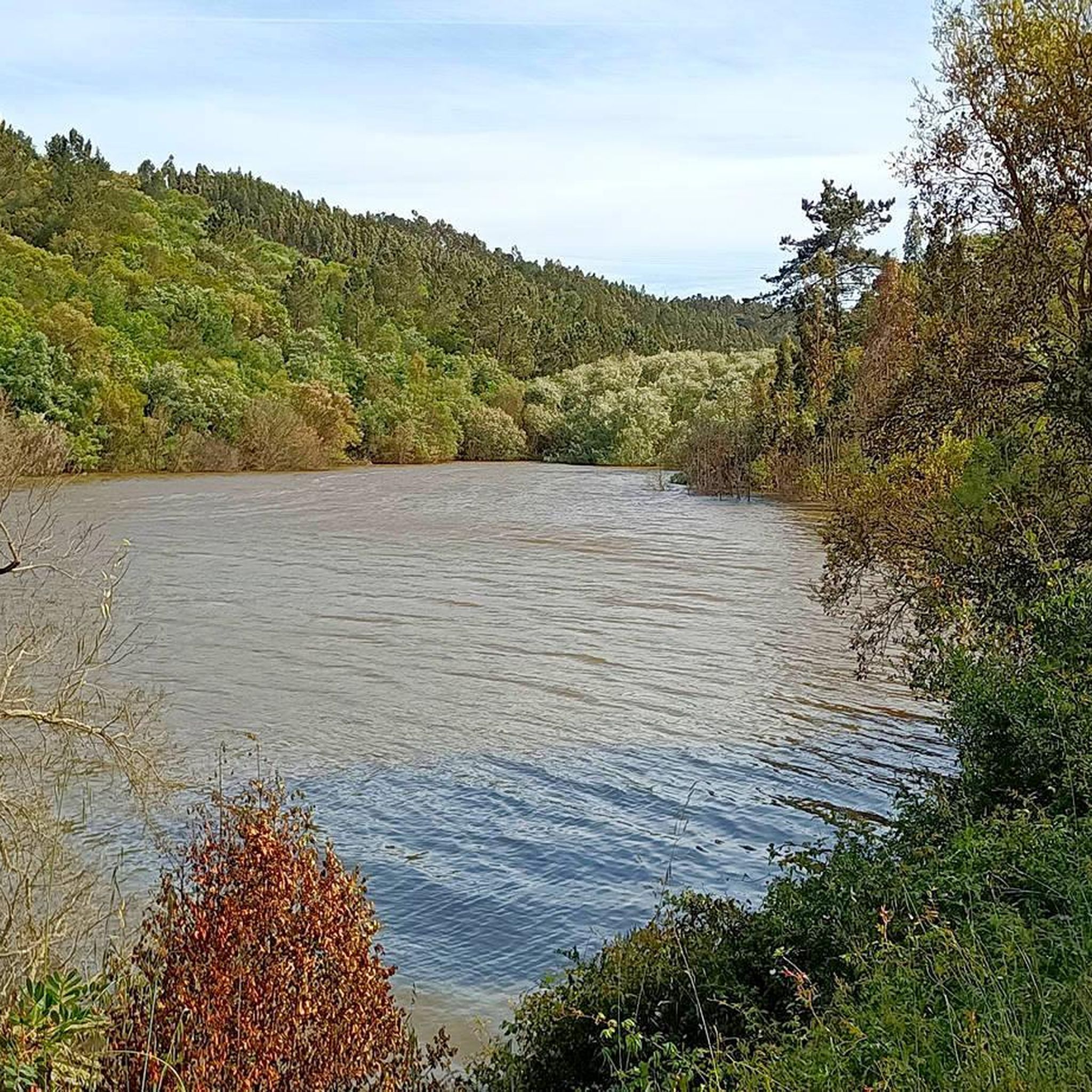
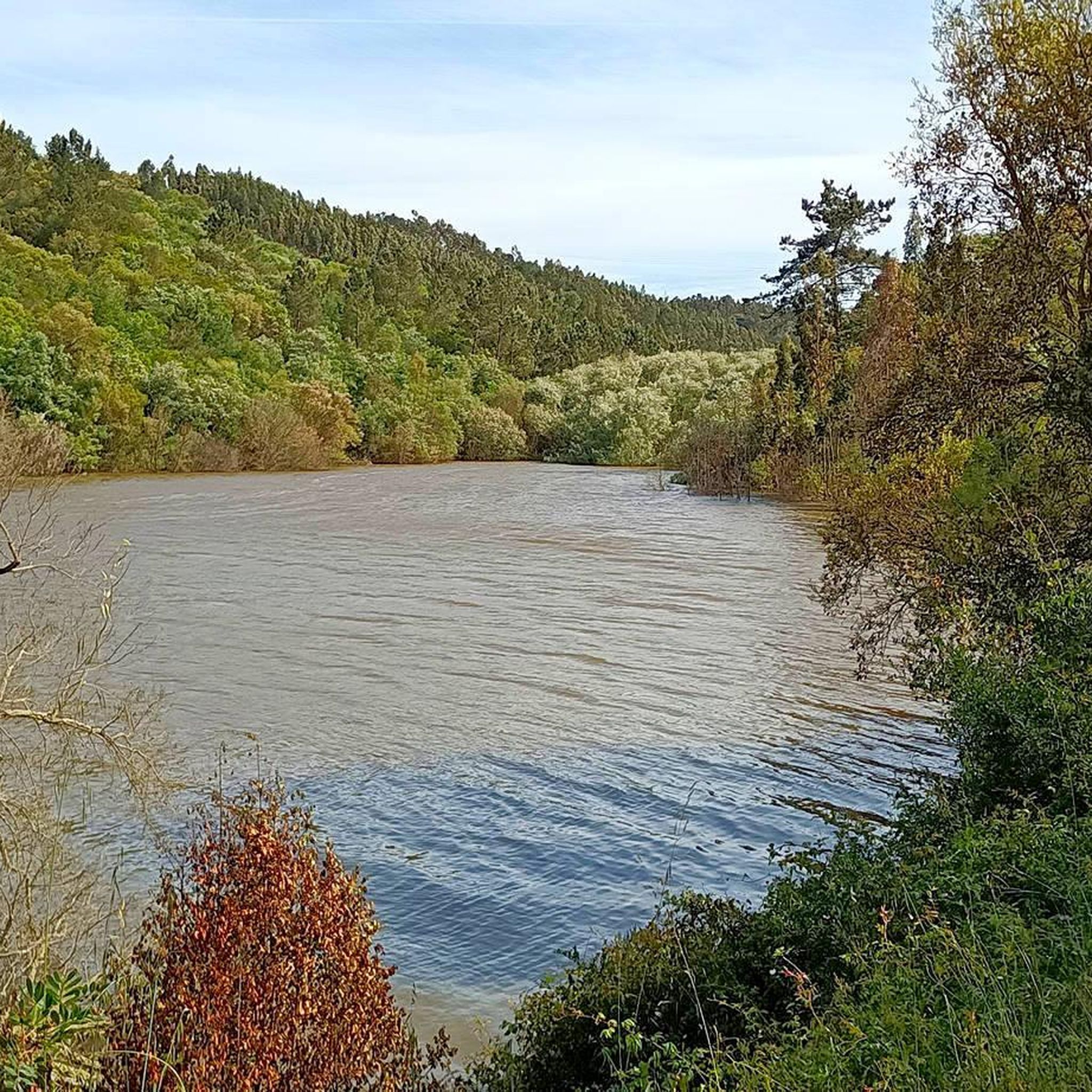
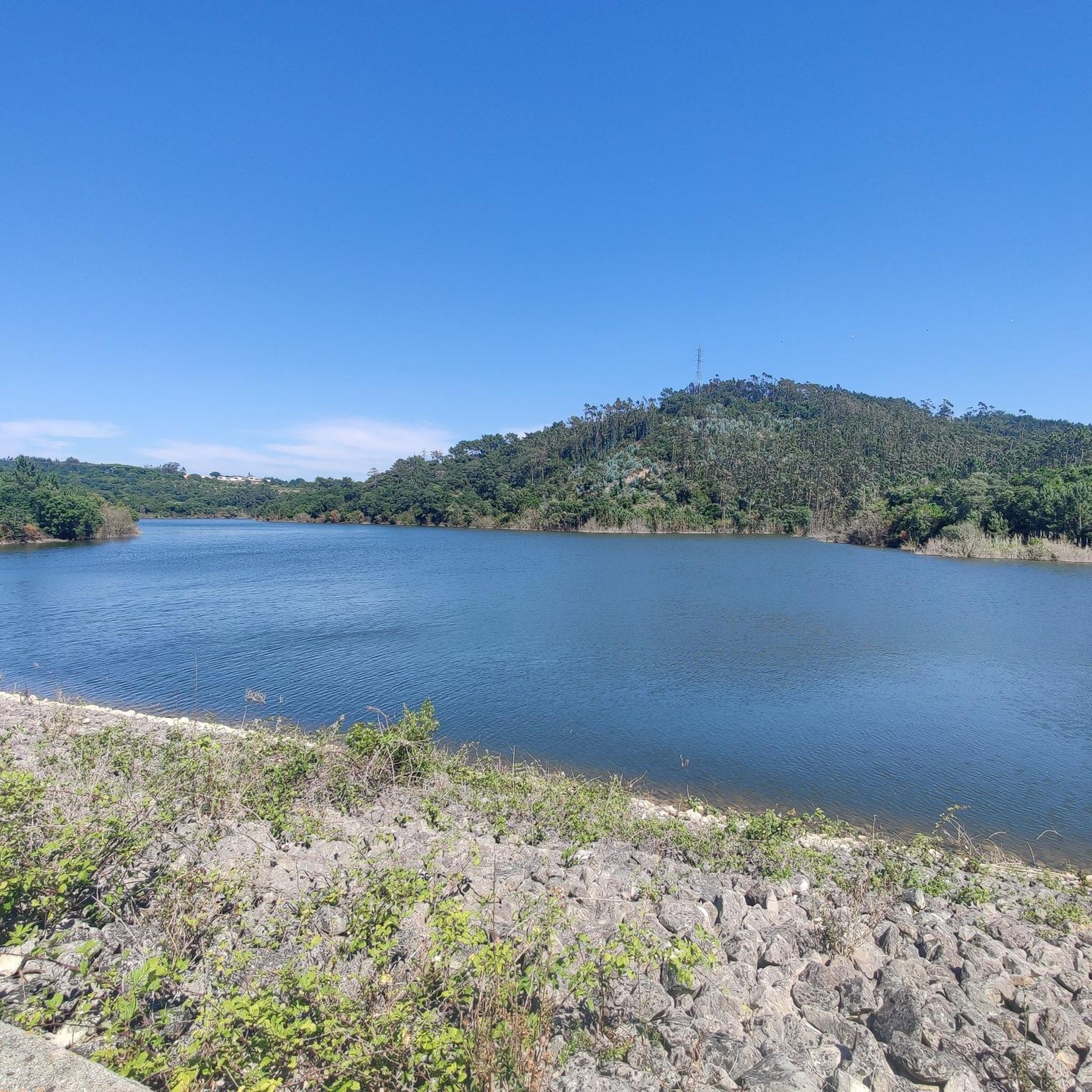
The Arnóia River rises in the Serra de Todo o Mundo and flows for 30 km before flowing into the Óbidos Lagoon. A dam was built about one and a half kilometres from Óbidos, in the Horta Valley, whose reservoir was used to irrigate the area's crops.
1
0
Usually in summer there isn't much water there, but always a beautiful place to walk or bike.
1
0

great place to chill out. even have a bath. don't know if it will have water in summer though.
2
0
Cornaga Valley - This is a route to take slowly, enjoying the magnificent nature that surrounds you. Listen to the birds, hear the sound of water sliding between old stones.
1
0
At the end of this segment, towards Rio Maior, on the right side of the road there is a small park where it is possible to stop and walk a little to observe the magnificent natural caves on the banks of the Rio Maior, a practically forgotten river that gave its name to the current city from Rio Maior. Currently, the flow of the river is very low, drying up completely in the summer months. A little of history: "The Rio Maior rises in a picturesque place called «Bocas», a large gorge that cuts the mountain range, through which the Santarém-Peniche road also passes, located west of the city of Rio Maior. the picnic on Good Summer Day. It is said that in the mid-19th century, still on the Maior river, in winter or in times of plenty of water, boats sailed, almost all sailing or rowing, approaching the Tagus to change the loads to other larger boats." Source: Memories of Rio Maior - https://memoriasderiomaior.blogs.sapo.pt/2023.html
3
0

Dammed lake for the water supply of Obidos. Nicely situated in the valley
2
0
Frequently Asked Questions
What types of natural monuments can I explore around A Dos Negros?
The area around A Dos Negros features diverse natural monuments, including waterfalls, gorges, and rivers. Notable examples include the tranquil Vale Cornaga Waterfall, the historically significant Bocas Gorge, and the scenic Arnóia River.
What is the most prominent natural monument near A Dos Negros?
The most significant natural monument in the vicinity of A Dos Negros is the Óbidos Lagoon (Lagoa de Óbidos). It is Portugal's most extensive coastal lagoon system, known for its ecological importance and recreational opportunities.
What makes the Óbidos Lagoon a special place to visit?
The Óbidos Lagoon is a designated Ramsar site, recognized for its international importance as a wetland. It's a biodiversity hotspot, home to diverse aquatic birds and fish species. Its shallow, calm waters and picturesque scenery make it ideal for nature observation and relaxation.
Are there opportunities for water sports at the Óbidos Lagoon?
Yes, the Óbidos Lagoon is a popular destination for water sports enthusiasts. Its calm waters are perfect for activities such as sailing, windsurfing, canoeing, rowing, kiteboarding, water skiing, and stand-up paddleboarding. Several facilities cater to both beginners and experienced participants.
Can I go hiking or cycling near these natural monuments?
Absolutely. The perimeter of the Óbidos Lagoon offers serene nature walks and cycling paths. For more structured routes, you can find various options for easy hikes, road cycling, and MTB trails around A Dos Negros, many of which pass by or offer views of the natural features.
Are there family-friendly natural monuments around A Dos Negros?
Yes, the Arnóia River is noted as family-friendly. Additionally, the Óbidos Lagoon, with its wide sandy stretches and picnic areas, offers a safe and relaxing environment for families to enjoy a day out.
What kind of wildlife can I expect to see at the Óbidos Lagoon?
The Óbidos Lagoon is a haven for diverse wildlife. You can expect to see various aquatic birds, including migratory species, making it an excellent spot for birdwatching. The lagoon also supports various fish species like sea bass, sole, and gilthead bream, as well as shellfish such as clams and cockles.
Are there any natural monuments with historical significance?
Yes, the Bocas Gorge holds historical significance. It's a large gorge that cuts through the mountain range, featuring natural caves along the banks of the Rio Maior. Historically, the Rio Maior, which flows through the gorge, was used for boat navigation.
What is the best time to visit the natural monuments around A Dos Negros?
The best time to visit depends on your activity. For water-based activities at the Óbidos Lagoon, the warmer months are ideal. For waterfalls like Vale Cornaga Waterfall, visiting outside of peak summer might ensure more water flow, though it remains a beautiful spot year-round for walks.
What are the features of the Arnóia River?
The Arnóia River flows for 30 km before reaching the Óbidos Lagoon. A dam built on the river creates a reservoir in the Horta Valley, which is used to irrigate local crops. It's a scenic river valley, offering pleasant views.
Are there any natural monuments with caves to explore?
Yes, the Bocas Gorge features magnificent natural caves along the banks of the Rio Maior. There's a small park near the end of the segment towards Rio Maior where you can stop and walk to observe these caves.
What do visitors enjoy most about the natural monuments in this region?
Visitors appreciate the tranquility and natural beauty. For instance, the Vale Cornaga Waterfall is loved for its serene environment and the soothing sound of water. The Óbidos Lagoon is cherished for its stunning views, especially at sunrise or sunset, and the opportunities for nature walks and water sports.
Most popular attractions around A Dos Negros

Get inspired with the komoot mobile app


Explore more
Extend your search for the best caves by checking out these guides of the top ones around A Dos Negros:
