Top 9 Natural Monuments around Tornada
Natural monuments around Tornada, located in the municipality of Caldas da Rainha, Portugal, offer diverse natural landscapes. The region is characterized by its coastal features, including beaches and lagoons, as well as significant wetland ecosystems. The Paul de Tornada Natural Reserve is a notable freshwater wetland, recognized for its biodiversity and ecological importance. This area provides opportunities to observe various natural formations and wildlife.
Best natural monuments around Tornada
- The most popular natural monuments is Foz do Arelho Beach,…
Last updated: June 29, 2026
Salir do Porto Dune
Highlight • Natural Monument
Translated by Google •
Tip by

Foz do Arelho Beach
Highlight • Beach
Translated by Google •
Tip by

Sign up now to discover places like this
Get recommendations on the best single tracks, peaks, & plenty of other exciting outdoor places.
Sign up for free
Fonte Pena da Colvina
Highlight • Natural Monument
Translated by Google •
Tip by
Dinosaur Footprints
Highlight • Natural Monument
Translated by Google •
Tip by

Penedo Furado Rock Arch
Highlight • Natural Monument
Translated by Google •
Tip by
Sign up for free to discover even more natural monuments around Tornada.
Sign up for free
Already have an account?
Start today with a free account
Your next adventure awaits.
Login or Signup

Tips from the Community

Penedo Furado dates back to the Jurassic period, when the sea bathed this inland area, close to Nadadouro. It is now a huge rock, light brown in colour and on the side facing the Óbidos Lagoon, signs of erosion are visible, with deep cavities and one of them ended up going through the rock, forming a passage.
1
0

At this exact spot there is only a turning circle for cars - and Google Maps also shows the spot a few 100m further to the southwest: so there is nothing right here!
0
0
The Pena da Gouvinha fountain used to serve the locals. There was a queue to fill the bottles, so much so that it was decided that each resident could only take eight bottles of water and would have to “give others a chance”. Today it serves as a stopping point to cool off during the walk and, if you wish, you can take advantage of the place to eat whatever you have prepared at home. There is a picnic area next to the fountain. The place name Pena da Gouvinha suggests that barbarians passed through here. Gouvinha is a personal name of Germanic origin, still documented in the 12th century as Gaudina.
3
0

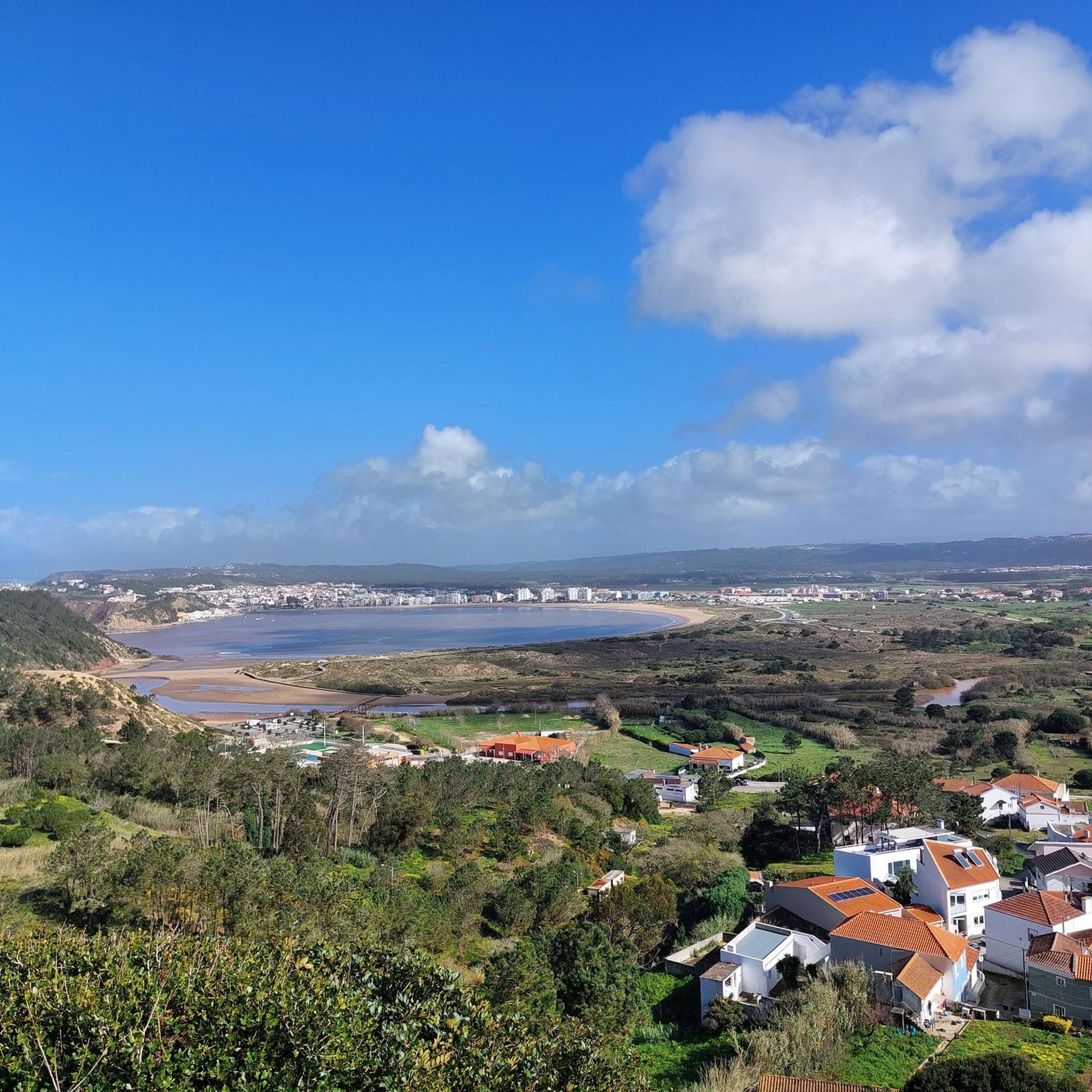
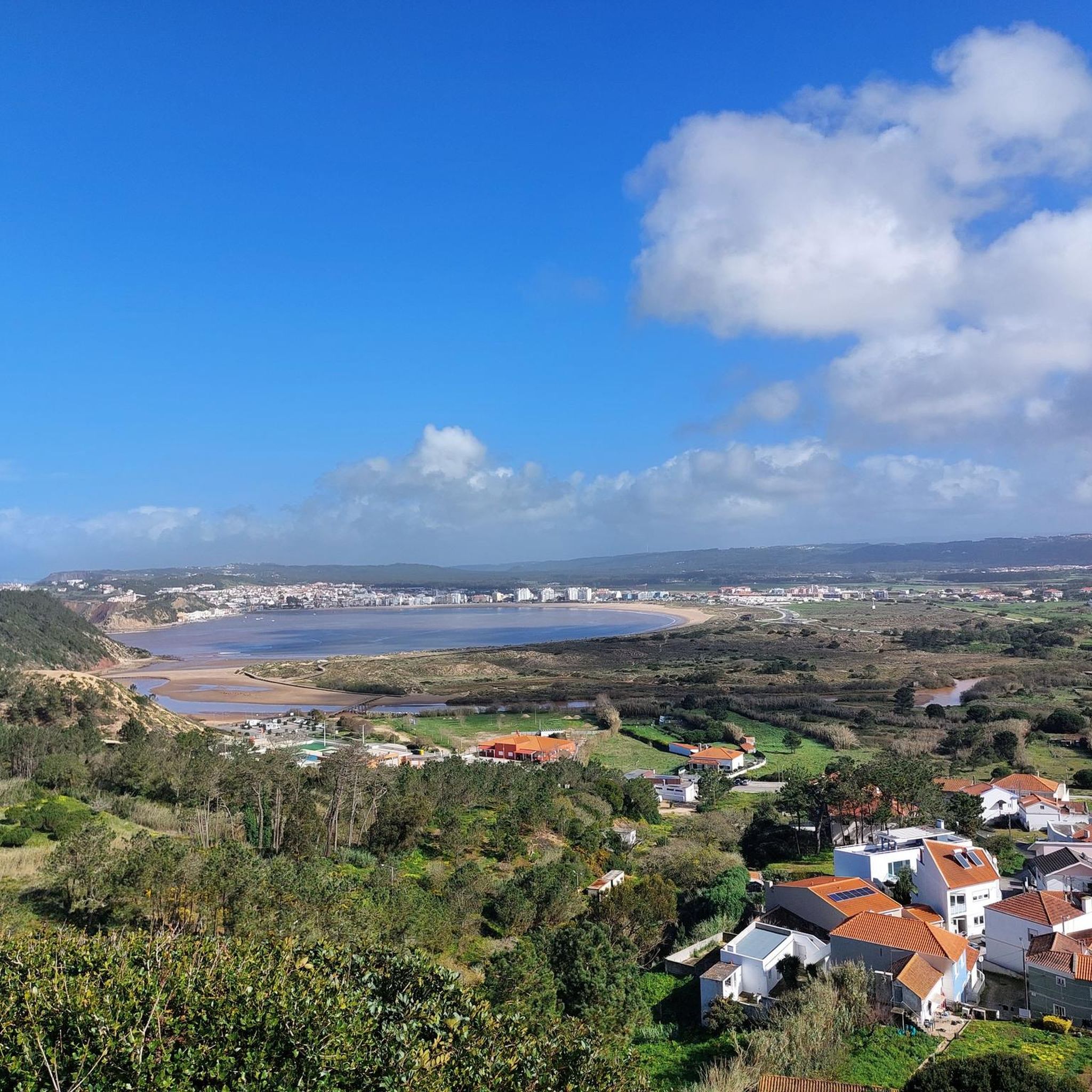
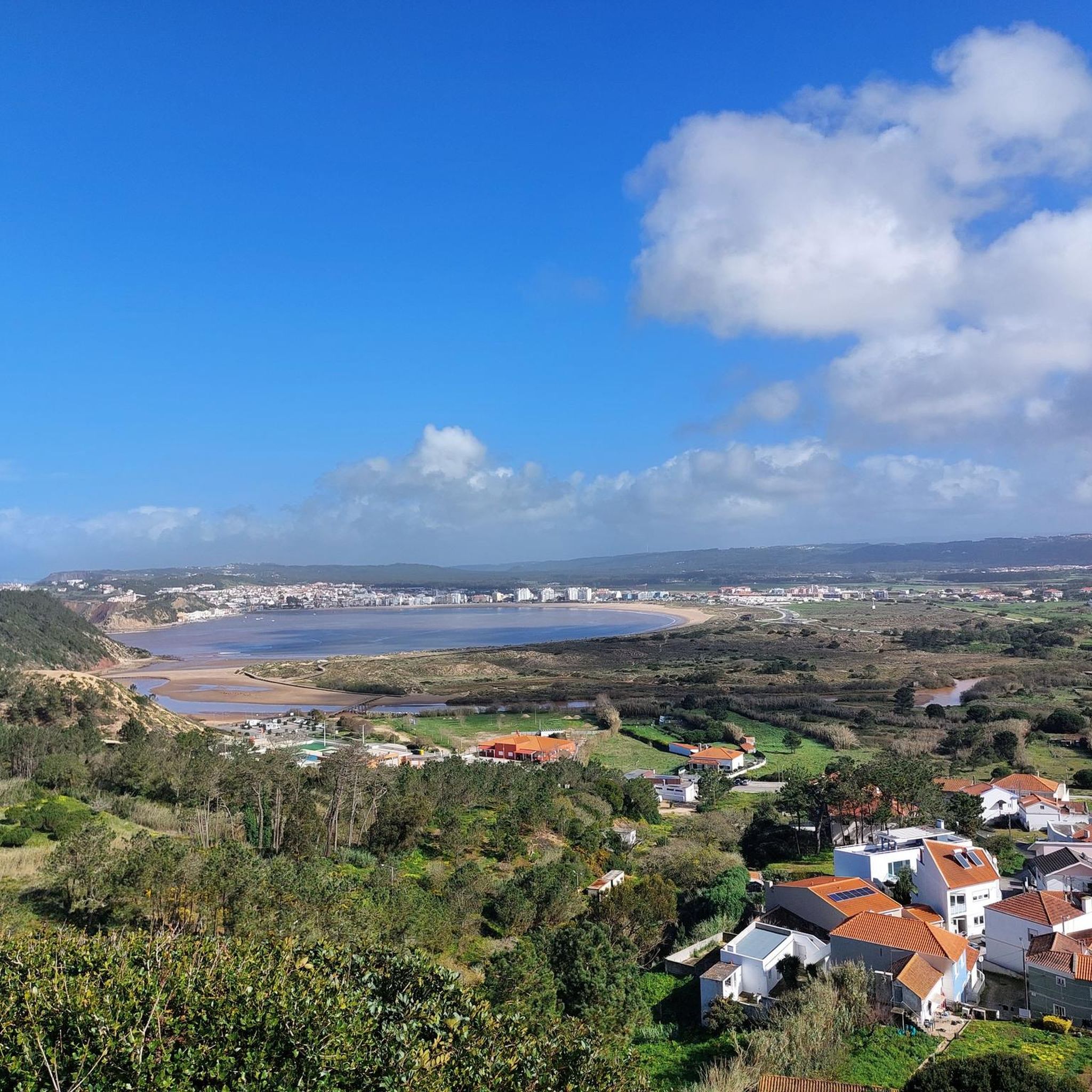
Salir do Porto has a river beach, on the bank of the Tornada River, which flows into the bay of São Martinho do Porto. Salir beach is famous for its sand dune about 50 meters high. Once the largest in Europe, the Salir Dune stands out in the dune landscape of São Martinho Bay. The core of the Dune is partly made up of red sandstone, a vestige of an older dune – a fossil dune. There are other rock beaches in the coastal area that are locally called Quebradas. It was in the Ruins of the artisanal Customs House of Salir that the caravels that participated in the discoveries and conquests were built during the reigns of D. Afonso V and D. João II. The extinct parish was made up of the towns of Salir do Porto, Casais de Salir do Porto and Bouro.
0
0

Climbing up the sand dune and sliding down from the top is the highlight for everyone
3
0
Be sure to go up there from the top, great view and slide down on your bum. Large dune that clings to the rocks there, perfect for hiking. At the foot of the dune, the Tornada river flows into the sea.
3
0
The Óbidos Lagoon is a fascinating combination of natural beauty, cultural heritage and adventure activities. This coastal lagoon with its unique ecosystem
1
1
Praia de Salir do Porto is next to the mouth of the Rio Tornada or Rio Salir on the south bank. The sand is very extensive, it is wider in the south and narrows as we walk north. This beach is known for its huge dune about 50 meters high, the highest in Portugal.
3
0
Frequently Asked Questions
What types of natural monuments can I explore around Tornada?
Around Tornada, you can explore a diverse range of natural monuments. These include significant wetland ecosystems like the Paul de Tornada Natural Reserve, coastal features such as wide sandy beaches and lagoons, and unique geological formations like rock arches and towering sand dunes. The area offers a mix of landscapes for nature enthusiasts.
Where can I go for birdwatching or to see wildlife near Tornada?
The Paul de Tornada Natural Reserve is an excellent destination for birdwatching and wildlife observation. This freshwater wetland is a crucial stopover for migratory birds and home to resident species like Mallards, Coots, Grey Herons, and Kingfishers. Beyond birds, you might spot otters, striped-neck terrapins, weasels, badgers, and various amphibians and reptiles.
Are there any natural monuments suitable for families with children?
Yes, several natural monuments are family-friendly. Foz do Arelho Beach offers both ocean waves and the calmer, shallow waters of the Óbidos Lagoon, which is very suitable for children. The Salir do Porto Dune is also popular, where kids often enjoy climbing the 50-meter high dune and sliding down. The Paul de Tornada Natural Reserve also has accessible walkways for exploring nature.
What are some unique geological features to see in the Tornada area?
The region boasts fascinating geological features. The Penedo Furado Rock Arch, dating back to the Jurassic period, showcases significant erosion with deep cavities and a natural passage through the rock. Additionally, the Salir do Porto Dune stands out as the highest sand dune in Portugal, offering impressive views where the Tornada river meets the sea.
Can I find places for picnics or rest stops at the natural monuments?
Yes, you can. The Fonte Pena da Colvina is a notable spot. It features a historic fountain that once served locals and now offers a picnic area with a BBQ spot, making it an ideal place to cool off and rest during your walk.
Are there hiking trails near the natural monuments around Tornada?
Yes, there are several hiking opportunities. For example, near Salir do Porto Dune, you can find trails like the 'Salir do Porto Dune – View of the Coastal Cliffs loop' or the 'Salir do Porto Dune – São Martinho do Porto Beach loop'. The Paul de Tornada Natural Reserve also features a 3.7 km circular walk with platforms for observation. You can find more hiking routes in the Hiking around Tornada guide.
What other outdoor activities can I do near these natural monuments?
Beyond hiking, the area around Tornada offers excellent cycling opportunities. You can explore routes like the 'Óbidos Lagoon – Lagoa de Óbidos Gravel Trail loop' for touring bicycles or the 'Swing at Serra do Bouro – Foz do Arelho Beach loop' for road cycling. Discover more options in the Cycling around Tornada guide and the Road Cycling Routes around Tornada guide.
What is the best time of year to visit the natural monuments in Tornada?
The Paul de Tornada Natural Reserve is particularly interesting for birdwatching during migration seasons, especially in winter when many species visit. For coastal natural monuments like Foz do Arelho Beach and Salir do Porto Dune, the warmer months offer pleasant conditions for beach activities and exploring. However, the mild climate of Portugal means these sites can be enjoyed year-round, with different seasons offering unique perspectives.
Are the natural monuments around Tornada accessible by public transport?
While specific public transport routes directly to every natural monument might vary, the municipality of Caldas da Rainha, where Tornada is located, has public transport options. For detailed information on reaching specific sites like the Paul de Tornada Natural Reserve, it's advisable to check local bus schedules or consider a combination of public transport and short walks.
What historical significance do the natural monuments hold?
The Paul de Tornada Natural Reserve has historical roots, known as Cornaga or 'Paul da Boa Vista do Extremo' in the 16th century and used for rice farming in the 20th century. It's a remnant of a time when the Tornada River was navigable and the sea extended further inland. The Penedo Furado Rock Arch also dates back to the Jurassic period, offering a glimpse into ancient geological history.
Is the Paul de Tornada Natural Reserve recognized internationally?
Yes, the Paul de Tornada Natural Reserve holds international recognition. It has been classified as a Wetland of International Importance by the Ramsar Convention since 2001 or 2009, highlighting its critical role in global biodiversity conservation. It is also the first local natural reserve in the area to be managed by environmental non-governmental organizations.
Can I find any educational facilities at the natural monuments?
The Paul de Tornada Natural Reserve features an Educational Ecological Center. This center provides valuable resources and information, making the reserve an excellent place for environmental education and understanding the importance of wetlands in preserving biodiversity.
Most popular attractions around Tornada

Get inspired with the komoot mobile app


Explore more
Extend your search for the best caves by checking out these guides of the top ones around Tornada:
