Top 3 Natural Monuments around Roliça
Best natural monuments around Roliça are found within the civil parish of Roliça, located in the municipality of Bombarral, Portugal. While historically significant for the Battle of Roliça, the area also presents natural features for exploration. The region offers a landscape with specific natural monuments, including waterfalls, rivers, and ancient trees. This guide details 3 such natural monuments, providing information for planning outdoor activities.
Best natural monuments around Roliça
- The most popular natural monuments is Vale Cornaga Waterfall, a…
Last updated: October 16, 2026
Vale Cornaga Waterfall
Highlight • Waterfall
Tip by

Arnóia River
Highlight • River
Nicely situated in the valley
Translated by Google •
Tip by

Sign up now to discover places like this
Get recommendations on the best single tracks, peaks, & plenty of other exciting outdoor places.
Ancient ashlar near the Church of São Sebastião
Highlight • Natural Monument
Tip by

Start today with a free account
Your next adventure awaits.

Tips from the Community


An ancient ash tree over 600 years old. The trunk's circumference at its base exceeds 12 meters.
0
0
The Arnóia River rises in the Serra de Todo o Mundo and flows for 30 km before flowing into the Óbidos Lagoon. A dam was built about one and a half kilometres from Óbidos, in the Horta Valley, whose reservoir was used to irrigate the area's crops.
1
0
Usually in summer there isn't much water there, but always a beautiful place to walk or bike.
1
0

great place to chill out. even have a bath. don't know if it will have water in summer though.
2
0
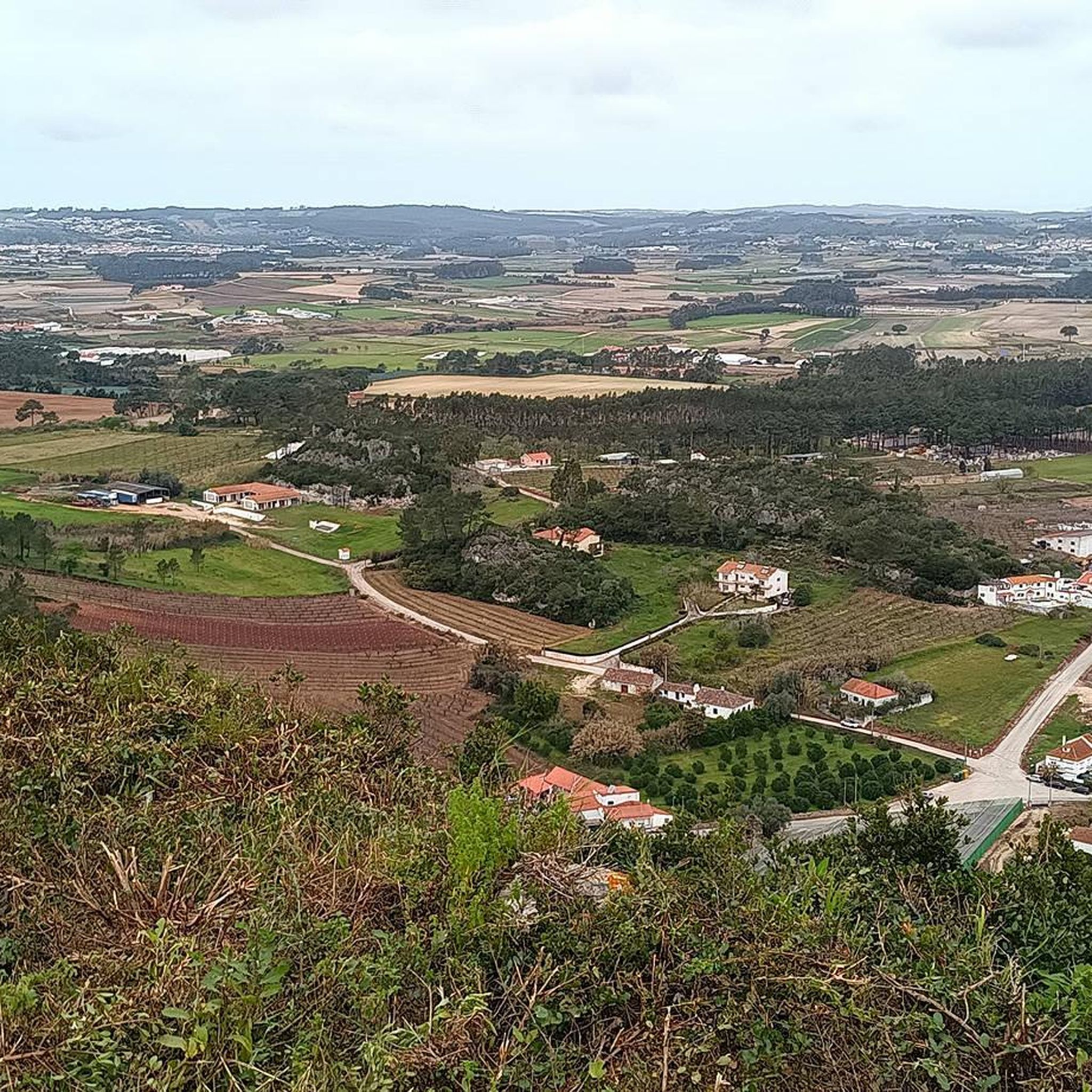
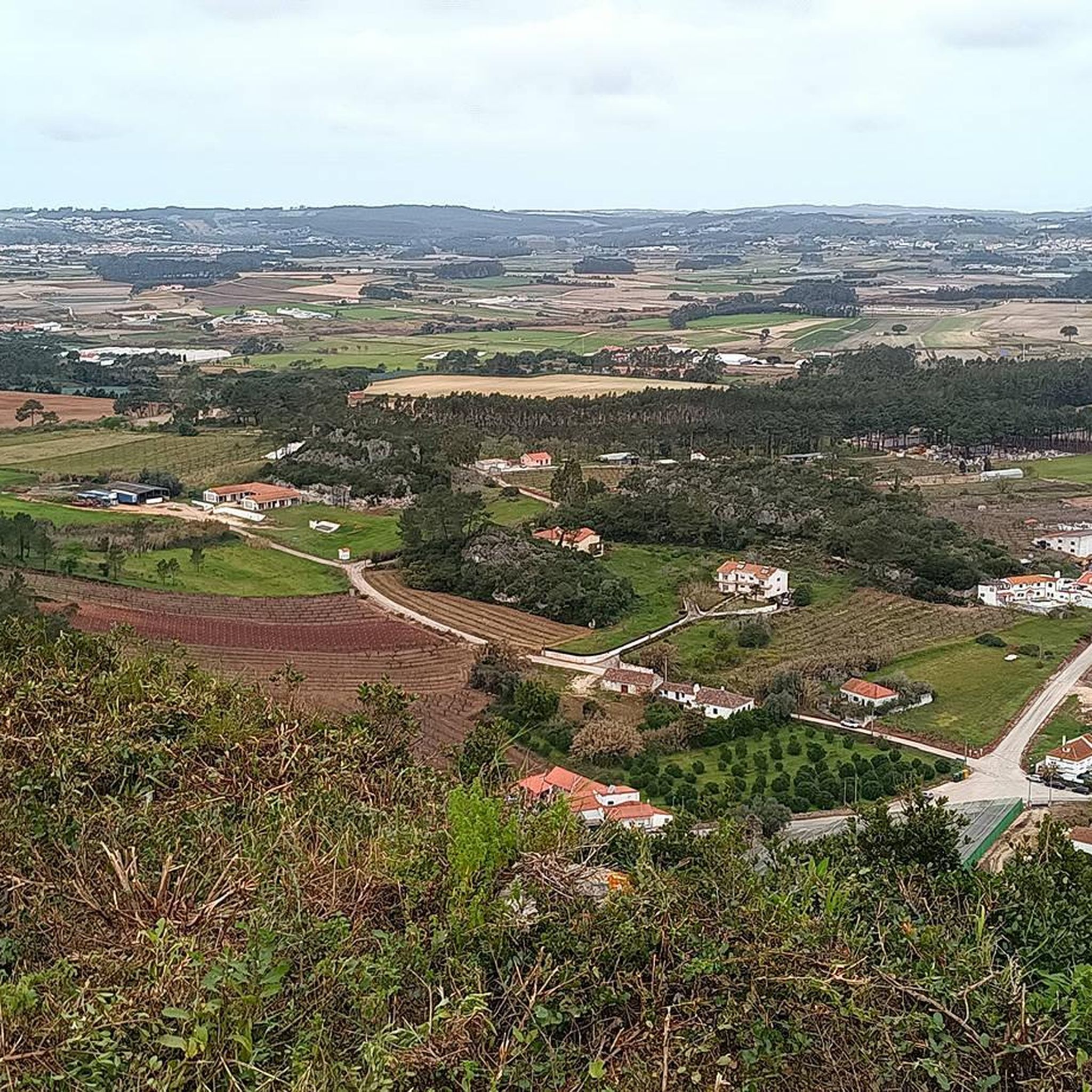
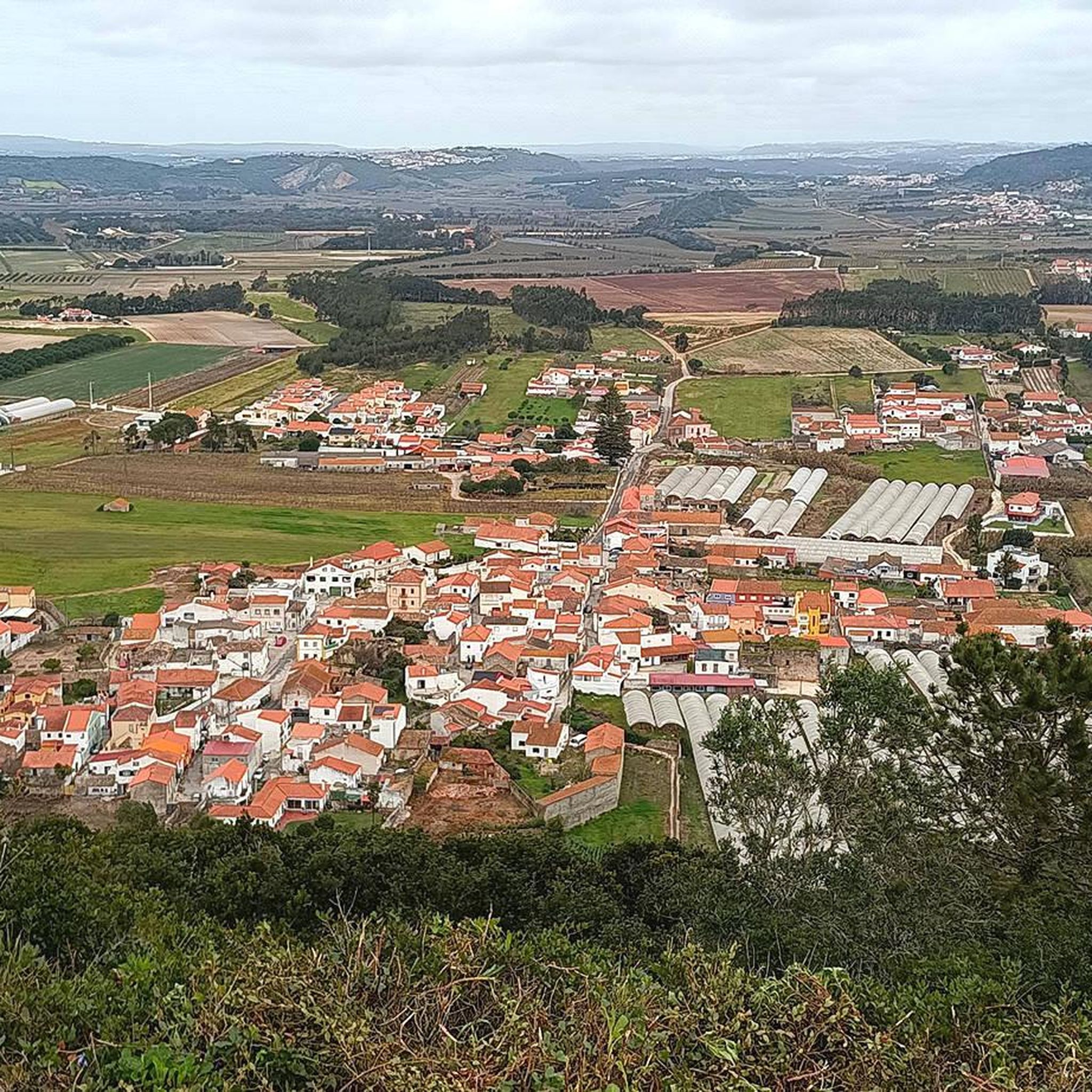
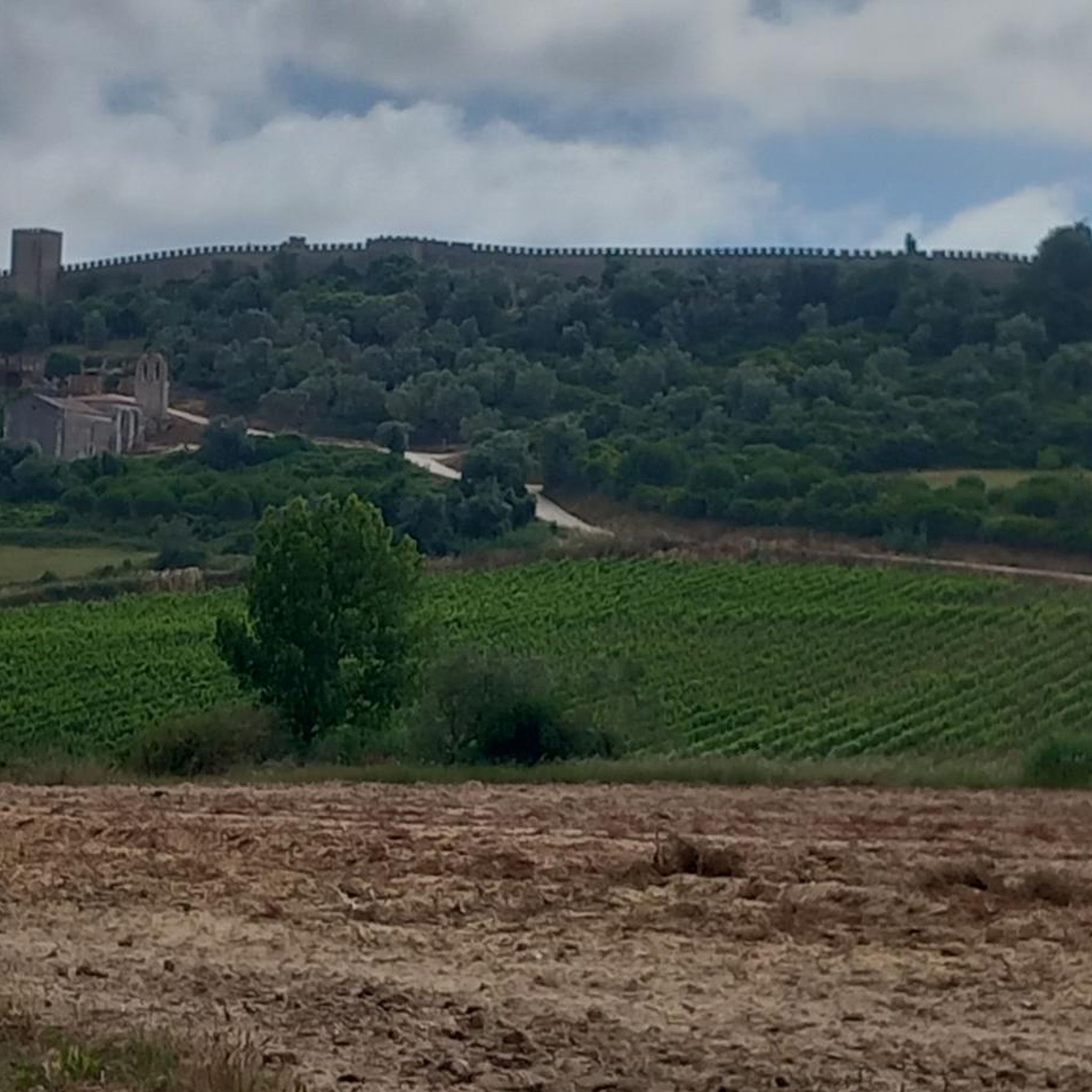
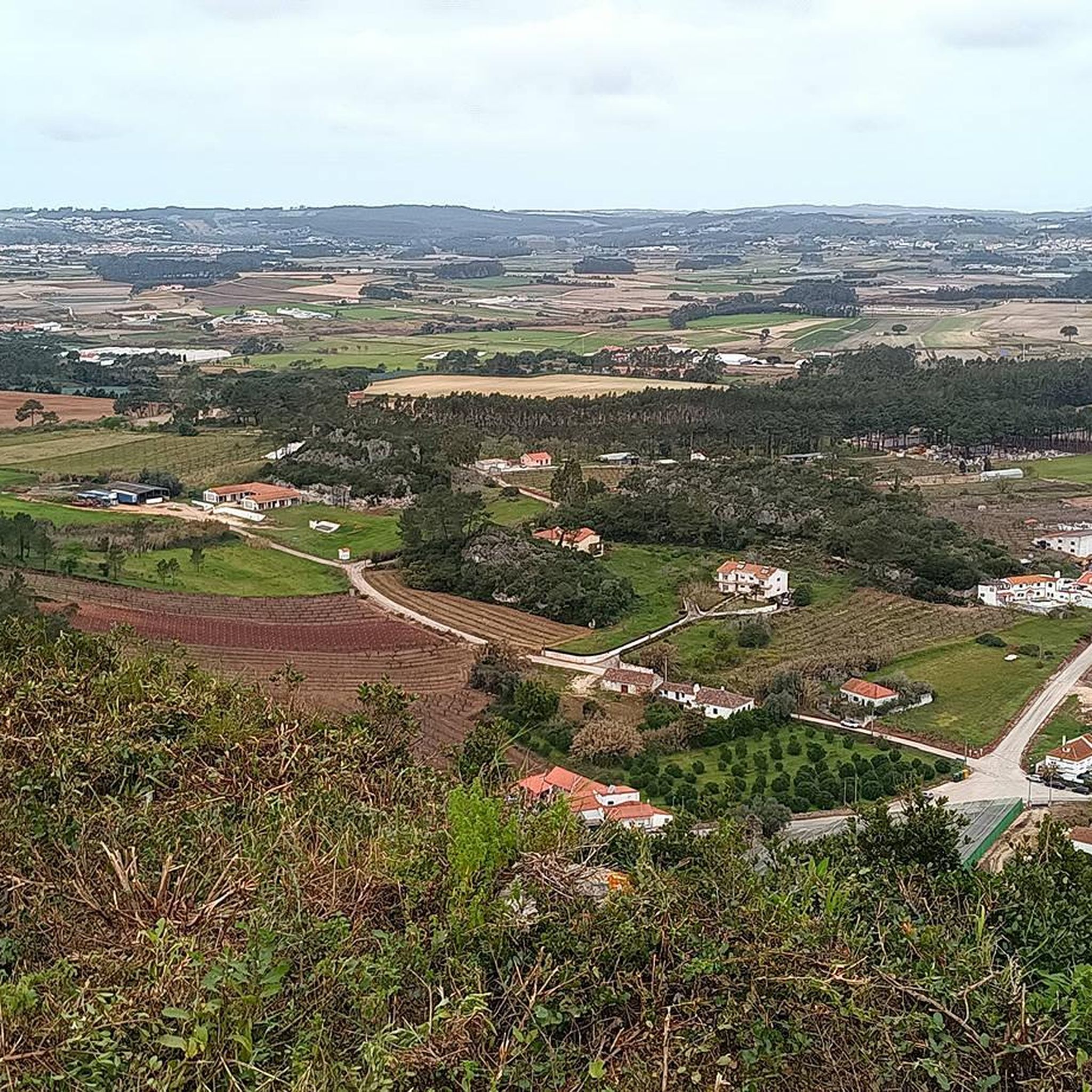
Cornaga Valley - This is a route to take slowly, enjoying the magnificent nature that surrounds you. Listen to the birds, hear the sound of water sliding between old stones.
1
0


Dammed lake for the water supply of Obidos. Nicely situated in the valley
2
0
Frequently Asked Questions
What types of natural monuments can I explore around Roliça?
Around Roliça, you can discover a variety of natural features, including the tranquil Vale Cornaga Waterfall, the flowing Arnóia River, and the ancient Ancient ashlar near the Church of São Sebastião, which is an impressive 600-year-old ash tree.
What is the best time of year to visit the natural monuments in Roliça?
The natural monuments around Roliça can be enjoyed throughout the year. For the Vale Cornaga Waterfall, visitors note that it's best to visit outside of summer if you wish to see more water flow. Spring and autumn generally offer pleasant temperatures for exploring the area's natural beauty.
Are there any family-friendly natural monuments or activities in Roliça?
The Arnóia River is categorized as family-friendly, offering a gentle natural setting. Exploring the river valley can be a pleasant activity for families. The Vale Cornaga Waterfall also provides a relaxing spot for a slow exploration, suitable for families looking for a calm natural experience.
What outdoor activities can I do near the natural monuments in Roliça?
The region around Roliça offers various outdoor activities. You can find easy hikes, such as those around Óbidos Castle and Óbidos Lagoon, which are detailed in the guide Easy hikes around Roliça. For more adventurous options, there are MTB trails and cycling routes available, including those around Óbidos Lagoon and towards the coast, as seen in the guides MTB Trails around Roliça and Cycling around Roliça.
What do visitors enjoy most about the natural monuments in Roliça?
Visitors particularly appreciate the tranquility and natural beauty. For instance, the Vale Cornaga Waterfall is praised as a great place to relax and enjoy the sounds of water and birds. The Arnóia River is noted for its scenic valley setting, and the Ancient ashlar near the Church of São Sebastião offers a unique encounter with a centuries-old natural landmark.
Are there any historical natural features in the Roliça area?
Yes, the Ancient ashlar near the Church of São Sebastião is a significant natural monument with historical value. This ash tree is over 600 years old and has a trunk circumference exceeding 12 meters, standing as a living testament to the region's long history near an old church.
How accessible are the natural monuments around Roliça?
Access varies by monument. The Ancient ashlar near the Church of São Sebastião is described as 'not easy to access' and is hidden down a slightly gravelly path. For other sites like the Vale Cornaga Waterfall, the approach is generally suitable for walking or biking, though specific accessibility details for wheelchairs or strollers are not widely available.
Can I find hiking trails that include these natural monuments?
While specific trails directly encompassing all natural monuments are not detailed, the region offers numerous hiking opportunities. You can explore various routes, including easy hikes around Óbidos, which is close to Roliça. These trails provide a chance to experience the natural landscape, and you can plan your route to pass by or near the natural monuments. Check the guide Easy hikes around Roliça for nearby options.
Is there parking available near the natural monuments?
Information on dedicated parking for each specific natural monument is limited. However, for exploring the general Roliça area and its natural features, it is advisable to look for parking in nearby villages or designated areas, especially if you plan to embark on a hike or bike ride. Some highlights might require parking a short distance away and continuing on foot.
What is the significance of the Arnóia River?
The Arnóia River rises in the Serra de Todo o Mundo and flows for 30 km, eventually reaching the Óbidos Lagoon. A dam near Óbidos creates a reservoir that is historically used for irrigating local crops, making it an important natural resource for the region.
Are dogs allowed on trails or near the natural monuments in Roliça?
While specific regulations for each natural monument are not provided, generally, dogs are welcome on many outdoor trails in Portugal, provided they are kept on a leash and owners clean up after them. It's always recommended to check local signage or specific park rules if available for the exact location you plan to visit.
Are there any viewpoints or scenic spots among the natural monuments?
The Vale Cornaga Waterfall is also listed as a viewpoint, offering a picturesque spot to enjoy the natural surroundings. The valley setting of the Arnóia River also provides scenic views as it winds through the landscape.
Most popular attractions around Roliça

Get inspired with the komoot mobile app


Explore more
Extend your search for the best caves by checking out these guides of the top ones around Roliça:
