Attractions and Places To See around Lomba - Top 7
Attractions and places to see around Lomba encompass a region rich in historical sites and natural landscapes. This area features ancient castles, historical villages, and scenic river crossings. Visitors can explore a variety of trails and natural monuments, offering insights into the region's heritage and geology. The diverse terrain provides opportunities for discovering both cultural landmarks and serene natural spots.
Best attractions and places to see around Lomba
- The most popular attractions is Sabugal Castle, a castle that preserves…
Last updated: June 29, 2026
Historic Village of Sortelha
Highlight • Historical Site
Translated by Google •
Tip by

Sabugal Castle
Highlight • Castle
Translated by Google •
Tip by

Sign up now to discover places like this
Get recommendations on the best single tracks, peaks, & plenty of other exciting outdoor places.
Sign up for free
Bridge over the Côa River
Highlight • Bridge
Translated by Google •
Tip by
At the base of Pedra Furada
Highlight • Trail
Translated by Google •
Tip by
Path with interesting rock formations
Highlight (Segment) • Natural Monument
Translated by Google •
Tip by
Sign up for free to discover even more attractions around Lomba.
Sign up for free
Already have an account?
Start today with a free account
Your next adventure awaits.
Login or Signup
Popular around Lomba

Tips from the Community

It's been a few years since I walked here with the hiking group from Évora. We loved it and recommend it.👍🥾
1
0

Sabugal Castle is one of the most imposing and well-preserved medieval fortifications in Portugal. It is known as the "Castle of the Five Corners" due to the unusual shape of its impressive pentagonal keep, the castle's most iconic feature. Its pentagonal (five-cornered) plan is considered unique in Portuguese military architecture. It is approximately 30 meters high and offers incredible views. The castle has a double ring of walls. You can walk along the ramparts on top of the walls for a panoramic view over the city and the Côa River. From the top, you can see the Côa River winding its way through the city and the natural landscape of the Serra da Malcata mountain range.
1
0
Sabugal, a town that deserves a visit to its castle and the entire surrounding area, especially the magnificent river beach on the Côa River.
1
0

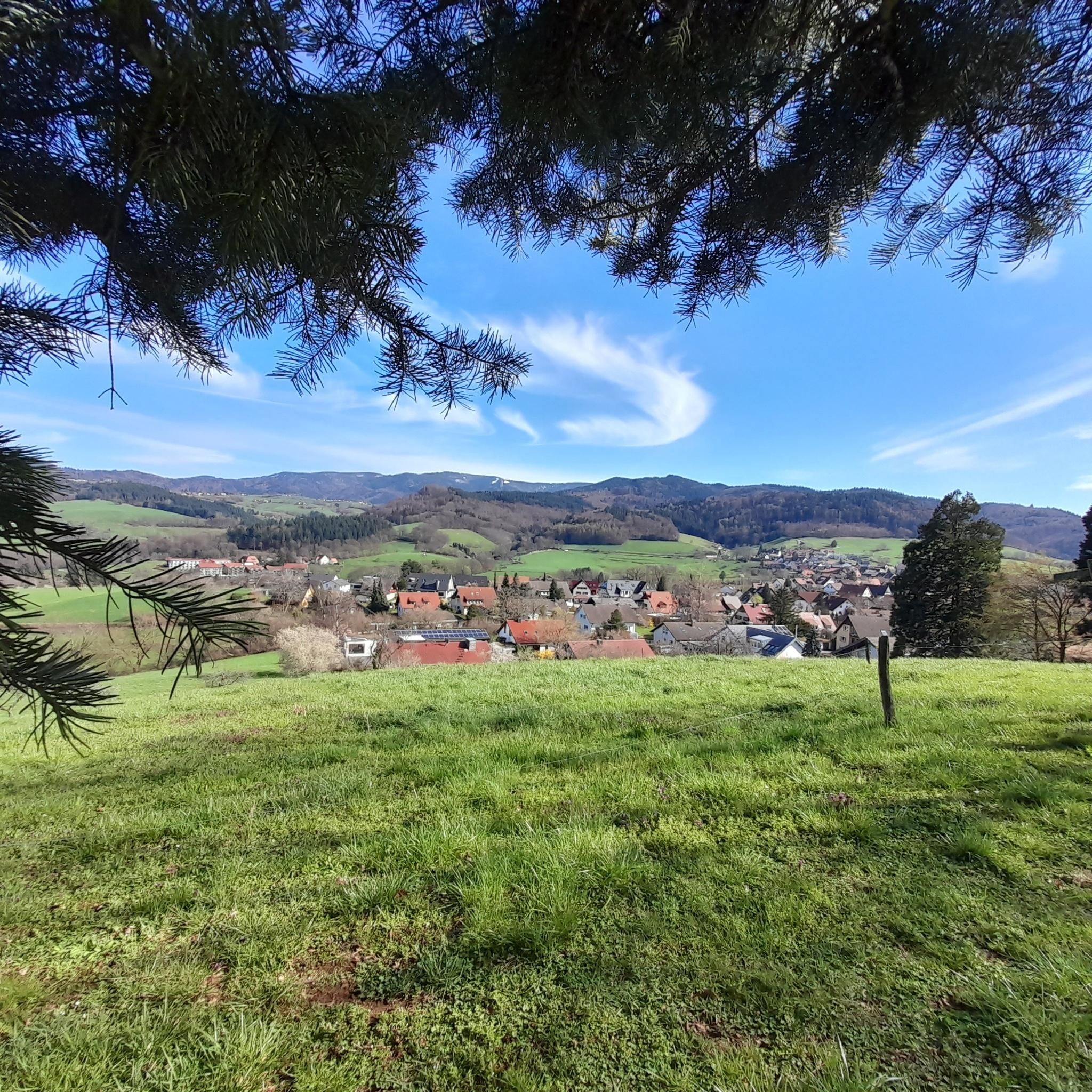
Here in Vale Verdinho, between the imposing Serra da Pedra Furada and the hill crowned by Sortelha Castle, the landscape exudes serenity. The mountain range rises as a backdrop to countless trails, shaping the landscape with its imposing and tranquil presence.
1
0
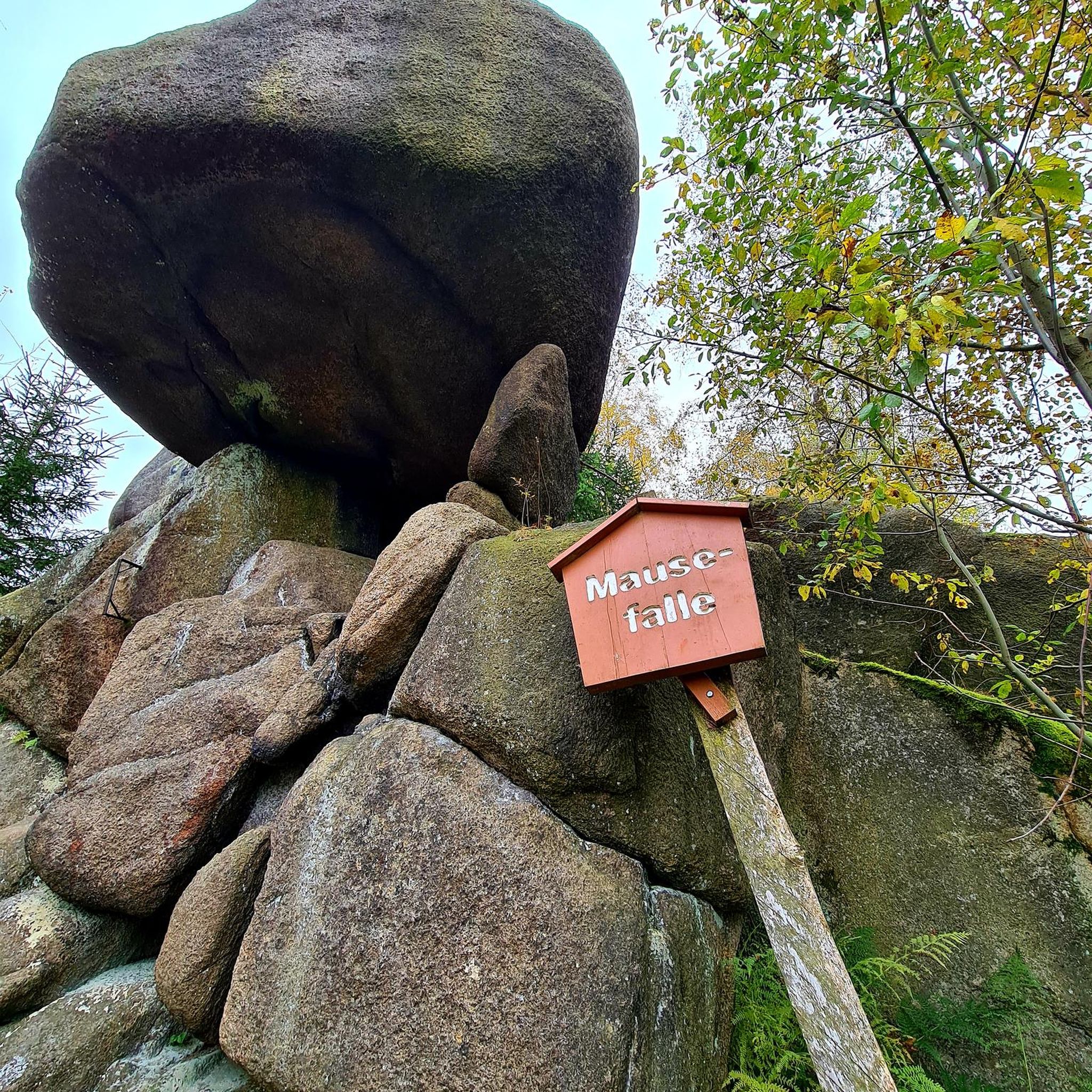
On the outskirts of Sortelha, in the granite foothills of the Serra de Opa, nature seems to have played sculptor. Among the most famous boulders are the "Pedra do Beijo" (Kissing Stone) and the "Cabeça da Velha" (Old Woman's Head), granite blocks that human imagination completes as if they were intentional works. But with a little exploration, you'll discover many other curiously shaped rocks, each with its own enigma.
1
0

Among the municipality's 37 listed, predominantly granite buildings are churches, manor houses, fountains, and former public buildings. Of particular note are the castle complex and city walls dating back to the 13th century.
3
0
Among the secret corners of Portugal, the Côa River is a discreet treasure. It rises in Fóios and flows through valleys and hills until it joins the Douro River in Vila Nova de Foz Côa. Even here, where it flows gently and seems like just a trickle, the valley reveals all its magic. It's the ideal place to rest for a moment, cool your feet, and let yourself be enveloped by the river's serenity before resuming your journey.
2
0
Built on the Côa River, Sabugal Castle preserves centuries of borders and memory. Once part of the Kingdom of León, it passed to Portugal in 1297 and became a strategic staging ground for the Portuguese-British troops during the Third French Invasion. Today, it continues to stand as a living testament to the long history of one of Europe's oldest nations.
2
0
Frequently Asked Questions
What historical sites can I explore around Lomba?
The region around Lomba is rich in history. You can visit the Sabugal Castle, known for its unique pentagonal keep and panoramic views. Another must-see is the Historic Village of Sortelha, a well-preserved site with a castle complex and city walls dating back to the 13th century, offering a deep dive into local heritage.
Are there any natural attractions or scenic viewpoints near Lomba?
Yes, the area offers several natural spots and viewpoints. You can enjoy the serenity of the Bridge over the Côa River, an ideal place to rest and appreciate the river. For unique geological features, explore the Path with interesting rock formations near Sortelha, where nature has sculpted granite boulders into curious shapes like the 'Pedra do Beijo' (Kissing Stone).
What outdoor activities are available around Lomba?
Lomba and its surroundings are great for outdoor enthusiasts. You can find various routes for road cycling, mountain biking, and touring. For example, there are challenging MTB trails like the 'Bridge over the Côa River – Sabugal Castle loop' or scenic road cycling routes such as the 'Belmonte Pillory loop'. You can explore more options on the dedicated guides for Road Cycling, MTB Trails, and Cycling around Lomba.
Are there hiking trails near the attractions in Lomba?
Absolutely. The region provides numerous trails, including those that lead to natural landmarks. For instance, you can find trails that take you At the base of Pedra Furada, offering serene landscapes between the imposing Serra da Pedra Furada and Sortelha Castle. Many trails also connect to the historical sites, allowing you to combine cultural exploration with a walk.
What do visitors enjoy most about the attractions around Lomba?
Visitors particularly appreciate the rich history and well-preserved medieval architecture, especially at Sabugal Castle and the Historic Village of Sortelha. The panoramic views from the castle ramparts are frequently highlighted. The tranquility and natural beauty of the Côa River are also a favorite for those seeking a peaceful escape.
Can I find family-friendly attractions in the Lomba area?
Yes, the Bridge over the Côa River is noted as family-friendly, offering a calm spot by the water. Exploring the historical villages like Sortelha can also be an engaging experience for families, allowing children to imagine life in medieval times amidst the granite buildings and castle walls.
What is the significance of Sabugal Castle?
Sabugal Castle is one of Portugal's most imposing and well-preserved medieval fortifications. It's famously known as the 'Castle of the Five Corners' due to its unique pentagonal keep, a rare feature in Portuguese military architecture. It played a strategic role in border defense and offers incredible views over the city and the Côa River.
What makes the Historic Village of Sortelha special?
The Historic Village of Sortelha is a captivating site with a castle complex and city walls dating back to the 13th century. It's an act of culture to spend time here, exploring its granite buildings, churches, manor houses, and fountains, which offer a tangible connection to Portugal's past.
Where can I find unique rock formations around Lomba?
Near Sortelha, in the granite foothills of the Serra de Opa, you can discover a Path with interesting rock formations. Here, nature has sculpted granite blocks into fascinating shapes, including the famous 'Pedra do Beijo' (Kissing Stone) and the 'Cabeça da Velha' (Old Woman's Head).
Are there any river spots for relaxation near Lomba?
Yes, the Bridge over the Côa River provides a discreet and serene treasure. It's an ideal place to rest, cool your feet, and enjoy the peaceful atmosphere of the river before continuing your journey. The Côa River itself flows through beautiful valleys and hills, offering many tranquil spots.
What kind of views can I expect from the attractions?
From Sabugal Castle, you can enjoy panoramic views over the city and the winding Côa River, extending to the natural landscape of the Serra da Malcata mountain range. The Historic Village of Sortelha also offers scenic vistas of the surrounding countryside from its ancient walls.
Most popular routes around Lomba

Get inspired with the komoot mobile app


Explore more
Still not found the Highlight you’re looking for? See guides of the top attractions in other regions:
