Attractions and Places To See around Parada - Top 5
Best attractions and places to see around Parada include historic villages, ancient fortifications, and natural river crossings. This region, situated in a historical border area, offers insights into medieval life and strategic importance. Visitors can explore well-preserved settlements and significant natural features, providing a glimpse into centuries of history. The area features a variety of historical sites and natural landscapes.
Best attractions and places to see around Parada
- The most popular attractions is Castelo Mendo Historic Village, a historical…
Last updated: June 29, 2026
Castelo Mendo Historic Village
Highlight • Historical Site
Translated by Google •
Tip by

Freineda
Highlight • Settlement
Translated by Google •
Tip by
Sign up now to discover places like this
Get recommendations on the best single tracks, peaks, & plenty of other exciting outdoor places.
Sign up for free
Ford of the Côa River
Highlight • River
Translated by Google •
Tip by
Vila Maior
Highlight • Settlement
Translated by Google •
Tip by
Malhada Sorda
Highlight • Settlement
Translated by Google •
Tip by
Start today with a free account
Your next adventure awaits.
Login or Signup
Popular around Parada
Tips from the Community

Not a safe crossing. Perhaps ok in summer but we went in April, the water was deep and the rapids were strong and knocked me off my feet.
0
0

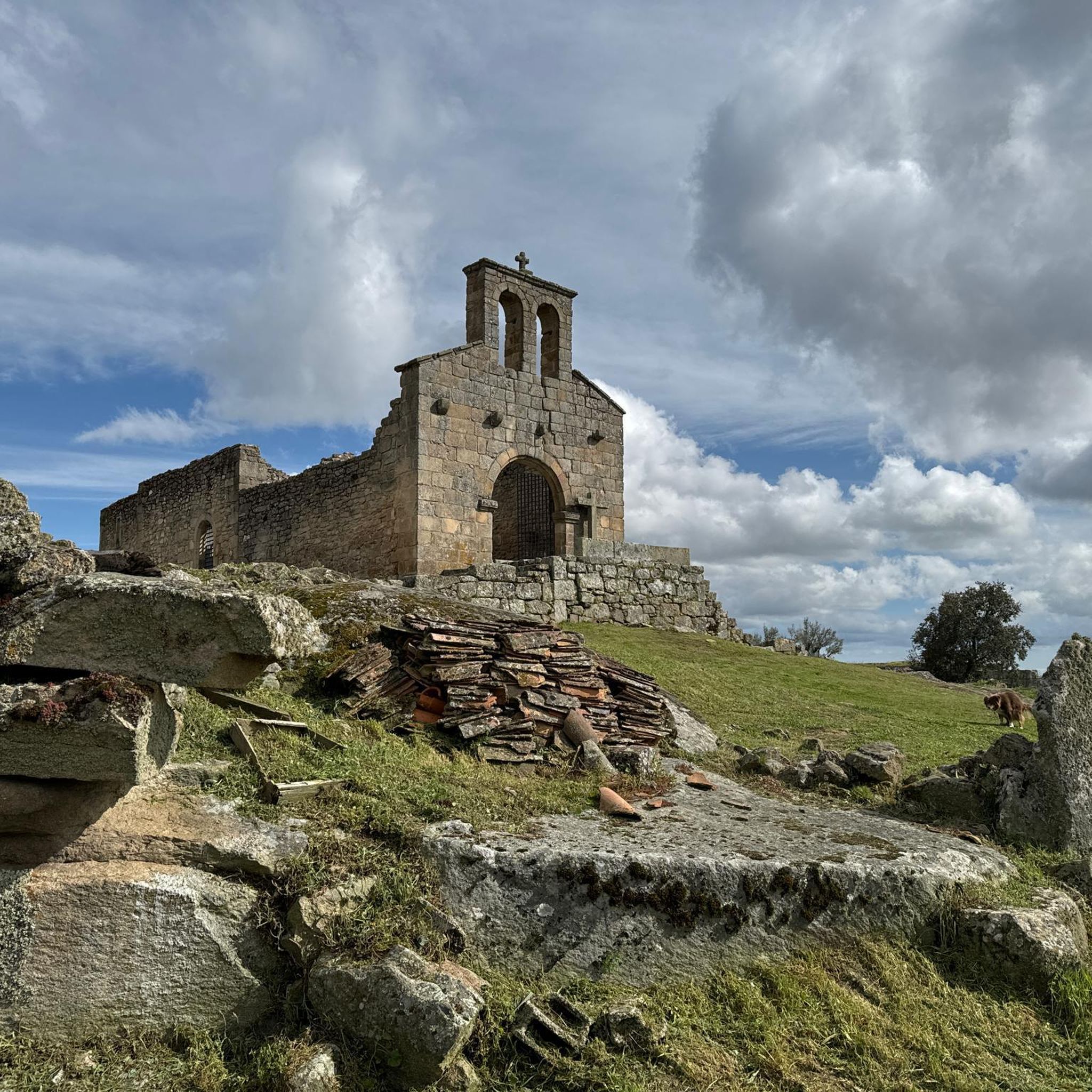
Castelo Mendo is a historic village with medieval roots, marked by two walls: the oldest, dating from the 12th century, surrounds the old town with its castle and the church of Santa Maria; the second, built by King Dinis in the 14th century, protected the Gothic suburb. The site was a living border between Portugal and León until the Treaty of Alcanices (1297), guarding strategic passages over the Côa River. At the entrance, two Vetón bellows, stone figures in the shape of wild boars, recall even more remote origins. Classified as a Property of Public Interest since 1984, Castelo Mendo today stands as a rare testament to the border region's history and Portuguese medieval splendor.
2
0
Descending the Côa Valley, the crossing today takes place near the river beach, where once there was a ferry. This ancient crossing point, used since ancient times, has left traces of its past: ceramics, coins, and Roman remains still bear witness to the place's long history.
1
0
Freineda, a small border village, welcomed Lord Wellington between late 1812 and the spring of 1813, during the Peninsular War. In a stone house next to the church, the general established his headquarters, while the rest of the general staff dispersed to neighboring villages. Although described at the time as poverty-stricken, the village became the scene of major military decisions. Today, it remains modest and small, but keeps the memory of that time alive: on the facade of the house where Wellington lived, a plaque commemorates his visit.
1
0
Malhada Sorda, a name evoking ancient sheepfolds and shepherds' huts, was born from the transhumance of cattle across the border. In the heart of the village stands the Church of São Miguel, dating from the late 16th century, flanked by a bell tower that once served as a prison and whose bells still echo manually during processions. Another landmark is the so-called Esnoga or Clock House, a recently restored 17th-century building, which popular tradition suggests may have been a secret synagogue.
1
0
Vilar Maior breathes history in every stone. From the 11th century until the Treaty of Alcanices in 1297, it passed from the Kingdom of León to Portugal under King Dinis, who reinforced the castle with the keep. Between medieval walls, the ruins of the Church of Santa Maria, the Manueline pillory, and prehistoric engravings, the place holds centuries of memory. Today, the streets descend from the old fortress to the plain, where manor houses, bridges, and churches continue to tell the long story of this border town.
2
0


Castelo Mendo is surrounded by a fortified wall with six medieval gates. Two wild boar sculptures stand to the left and right of the main entrance. The simple stone houses originally consisted of two floors. The ground floor housed livestock, while the upper floor served as a residential building. The extremely narrow streets made it relatively easy to defend the town, which was repeatedly a battlefield during the wars in which Portugal participated, especially against Spain.
2
2
Frequently Asked Questions
What historical sites can I explore around Parada?
The region around Parada is rich in history, featuring several significant sites. You can visit Castelo Mendo Historic Village, known for its medieval walls and castle, which guarded strategic passages over the Côa River. Another notable site is Vila Maior, a settlement with medieval walls, castle ruins, and prehistoric engravings. Additionally, Freineda holds historical significance as Lord Wellington's headquarters during the Peninsular War.
Are there any medieval villages to visit near Parada?
Yes, the area boasts well-preserved medieval villages. Castelo Mendo Historic Village is a prime example, featuring two sets of medieval walls and a castle. Its narrow streets and stone houses offer a glimpse into its past as a border town. Vila Maior also retains its medieval character with ancient walls and castle ruins.
What natural features can I explore around Parada?
The region offers natural river features, most notably the Ford of the Côa River. This ancient crossing point, used since Roman times, is now near a river beach and provides a serene natural setting. The Côa River itself is a significant natural landmark in the area.
Are there family-friendly attractions around Parada?
Yes, there are attractions suitable for families. Both Freineda and the Ford of the Côa River are considered family-friendly. Freineda offers a glimpse into history with its connection to Lord Wellington, while the Ford of the Côa River provides a natural setting for relaxation and exploration by the water.
What is the historical significance of Freineda?
Freineda is historically significant as it served as Lord Wellington's headquarters between late 1812 and spring 1813 during the Peninsular War. A plaque on the house where he resided commemorates his visit, highlighting the village's role in major military decisions of that era.
Can I see ancient fortifications or castles in the Parada region?
Absolutely. The region is known for its ancient fortifications. Castelo Mendo Historic Village features impressive medieval walls and a castle. Similarly, Vila Maior also boasts medieval walls and castle ruins, reflecting its long history as a border town.
Are there any unique historical buildings in Malhada Sorda?
Yes, Malhada Sorda features the Church of São Miguel, dating from the late 16th century, with a bell tower that once served as a prison. Another unique building is the recently restored 17th-century Esnoga or Clock House, which local tradition suggests may have been a secret synagogue.
What do visitors particularly enjoy about the attractions around Parada?
Visitors appreciate the rich history and well-preserved medieval character of the settlements. The strategic importance of the area, particularly its role as a border region, and the insights into medieval life are highly valued. The natural river crossings also add to the appeal, offering a blend of history and nature.
Are there opportunities for road cycling near Parada's attractions?
Yes, the area around Parada offers several road cycling routes. You can find routes like the 'Fortress of Almeida – Almeida Castle loop' or the 'Bridge over the Côa River – Cabeço Queimado loop'. For more details and route options, you can explore the Road Cycling Routes around Parada guide.
What is the best time of year to visit the attractions around Parada?
While specific seasonal recommendations are not provided, the historical sites and natural features can generally be enjoyed throughout much of the year. Spring and autumn often offer pleasant weather for exploring the villages and river areas. It's advisable to check local weather conditions closer to your visit.
Most popular routes around Parada

Get inspired with the komoot mobile app


Explore more
Still not found the Highlight you’re looking for? See guides of the top attractions in other regions:
