Top 12 Natural Monuments around Monte Gordo
Natural monuments around Monte Gordo showcase diverse ecosystems within the sun-soaked Algarve region of Portugal. The area features extensive wetlands, serene pine forests, and picturesque beaches. These sites offer opportunities to observe varied wildlife and explore unique landscapes shaped by both land and sea. Monte Gordo is situated near the Guadiana River and the Spanish border, contributing to its distinct natural environment.
Best natural monuments around Monte Gordo
- The most popular natural monuments is View of Cacela Velha and the…
Last updated: June 29, 2026
Cacela Beach
Highlight • Beach
Translated by Google •
Tip by

Manta Rota Beach
Highlight • Beach
Translated by Google •
Tip by

Sign up now to discover places like this
Get recommendations on the best single tracks, peaks, & plenty of other exciting outdoor places.
Sign up for free
Salt Pans of the Reserva Natural do Sapal de Castro Marim e Vila Real de Santo António
Highlight • Natural Monument
Translated by Google •
Tip by

View of Cacela Velha and the Ria Formosa
Highlight • Viewpoint
Translated by Google •
Tip by
Zonas húmidas de Castro Marim
Highlight • Natural Monument
Translated by Google •
Tip by

Sign up for free to discover even more natural monuments around Monte Gordo.
Sign up for free
Already have an account?
Start today with a free account
Your next adventure awaits.
Login or Signup
Tips from the Community


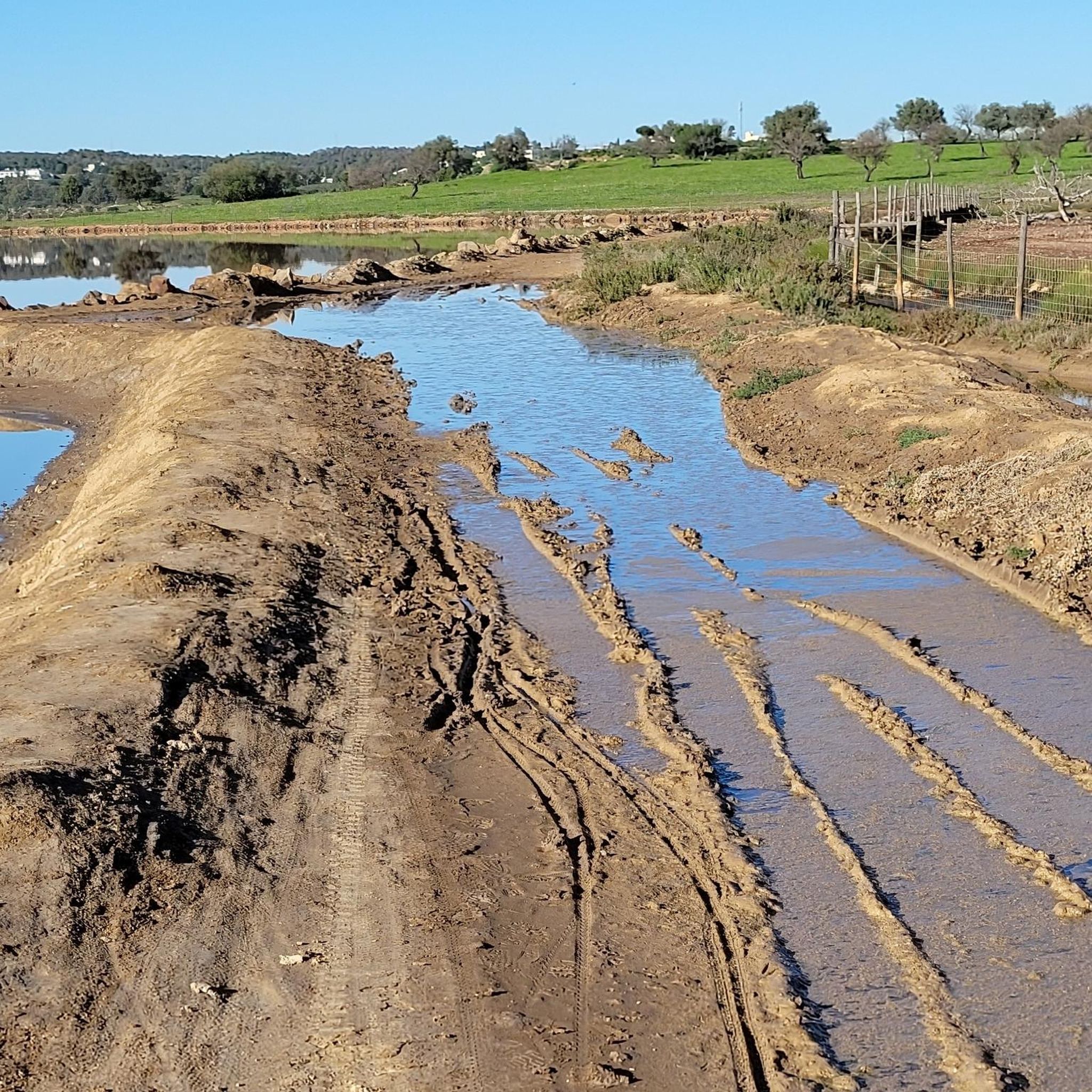
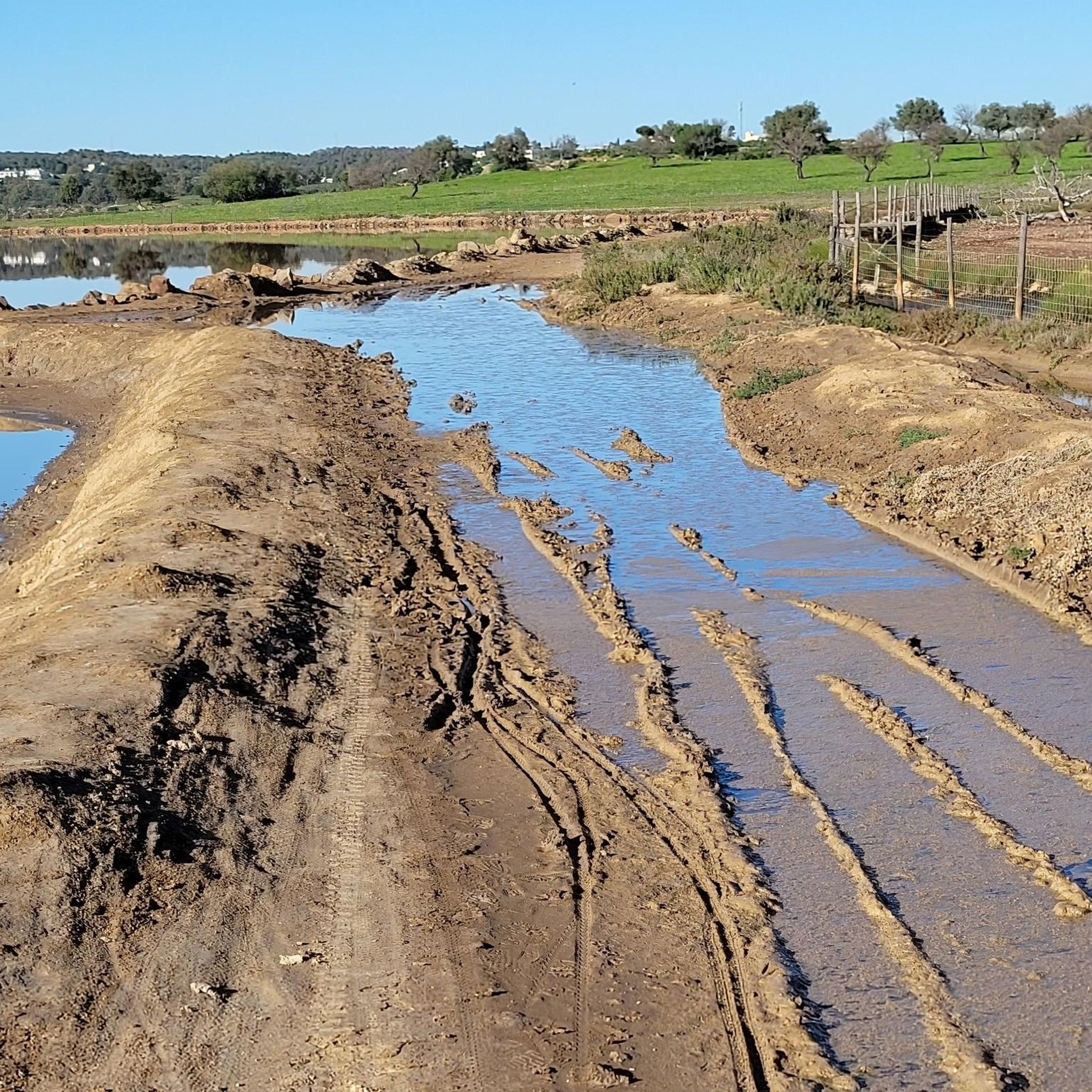
The Castro Marim Salt Pans, located in the Castro Marim and Vila Real de Santo António Salt Marsh Nature Reserve, are a historical and ecological landmark of the Algarve, where the artisanal production of salt and fleur de sel remains alive. 👍
1
0

At the mouth of the Guadiana River lies the Castro Marim and Vila Real de Santo António Marshland Nature Reserve, the first reserve created in Portugal (1975) and one of the country's most emblematic wetlands. With 2,300 hectares of salt marshes, salt marshes, estuaries, and brackish waters, this natural refuge stretches between Castro Marim and Vila Real de Santo António, revealing a unique landscape where biodiversity, tradition, and rivers coexist in perfect harmony.
2
0

An important natural product is extracted from the sea's saltwater here. Only through the power of the elements, sun and wind, which evaporate the water in the saltworks' shallow basins, does pure salt remain. Even today, you won't find a kitchen without salt to season dishes. But in earlier times, it had an additional significance: It was important for preserving food—making it so precious that salt was called "white gold."
3
0

The landscape is part of the Ria Farmosa. The Chameleon Trail also leads right past this charming little village. So always be careful 🤗
8
1

Parque Natural da Ria Farmosa You can walk for miles along the beach from Tavira to Fábricia. From there you can take a small boat to the town for €1.50. The beach is almost deserted for early June. Small and large shells line the path, in my opinion one of the most beautiful beaches in Europe.
6
1


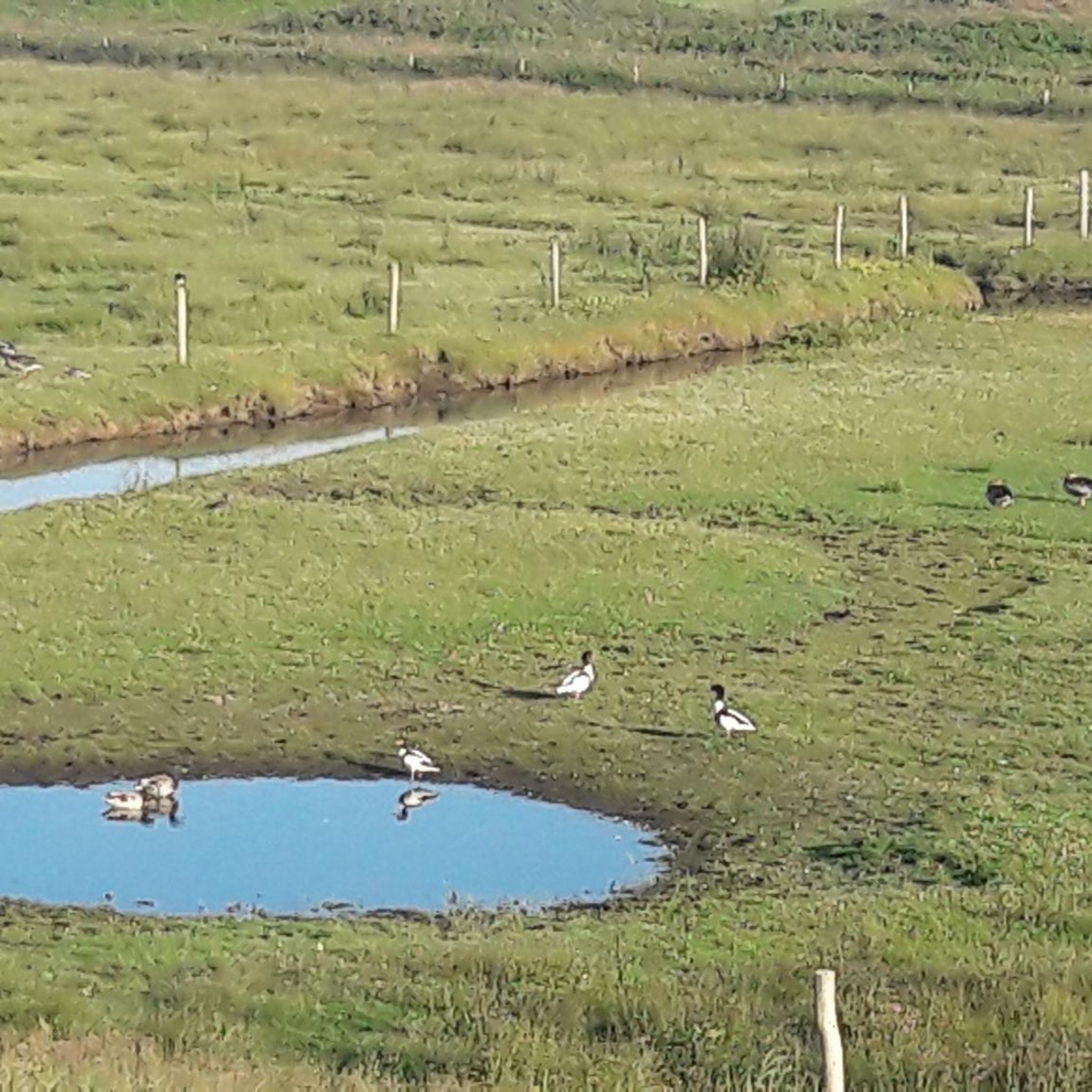
Salt mountains spread across the landscape - which could be mistaken for snow if we weren't in the Algarve. The entire area is part of an environmental protection area that has several species of birds, such as Flamingos.
2
1
Frequently Asked Questions
What kind of wildlife can I expect to see in the natural monuments around Monte Gordo?
The region is a haven for wildlife, especially birds. At the Salt Pans of the Reserva Natural do Sapal de Castro Marim e Vila Real de Santo António and the broader Sapal de Castro Marim and Vila Real de Santo António Nature Reserve, you can observe flamingos, storks, avocets, and sandpipers. The Ria Formosa Natural Park also offers excellent birdwatching opportunities. Keep an eye out for the elusive Mediterranean chameleon in the pine forests of Mata Nacional das Dunas de Vila Real de Santo António.
Are there family-friendly natural attractions around Monte Gordo?
Yes, several natural monuments are suitable for families. Manta Rota Beach is particularly family-friendly with its shallow, calm, and warm waters, and a playground. Cacela Beach, while requiring a short boat trip or wade, offers a unique and tranquil experience. The Salt Pans of the Reserva Natural do Sapal de Castro Marim e Vila Real de Santo António are also listed as family-friendly, offering a chance to see flamingos and learn about salt extraction.
What are the best natural features to explore beyond the main beaches?
Beyond the popular beaches, the region offers diverse natural features. The Salt Pans of the Reserva Natural do Sapal de Castro Marim e Vila Real de Santo António provide a unique wetland landscape with ancient salt pans and abundant birdlife. The Mata Nacional das Dunas de Vila Real de Santo António offers tranquil pine forests perfect for shaded walks. The Ria Formosa Natural Park, a short distance away, features a rich lagoon system, salt marshes, and sand dunes.
Are there hiking trails near Monte Gordo's natural monuments?
Yes, the natural areas around Monte Gordo offer various paths for walking and hiking. The Sapal de Castro Marim and Vila Real de Santo António Nature Reserve has well-marked paths for observing wildlife. The Mata Nacional das Dunas de Vila Real de Santo António provides tranquil footpaths through pine forests. For more structured routes, you can explore the Running Trails around Monte Gordo, which include routes like the 'Monte Gordo Dune Boardwalk' and 'Caminho do Talhão'.
What is the best time of year to visit the natural monuments around Monte Gordo?
The Algarve region enjoys a mild climate, making it suitable for visits year-round. Spring and autumn offer pleasant temperatures for outdoor activities like hiking and birdwatching, with fewer crowds. Summer is ideal for enjoying the beaches, though the pine forests provide a welcome escape from the heat. Winter is still mild and excellent for wildlife observation, especially for migratory birds.
Can I find accessible natural sites in the Monte Gordo area?
While specific accessibility details for all natural monuments are not always available, many of the beaches, such as Monte Gordo Beach and Manta Rota Beach, are wide and sandy, often with boardwalks leading to them, which can improve access. The well-marked paths in the Sapal de Castro Marim Nature Reserve are generally flat, making them easier to navigate.
What kind of cycling routes are available near these natural monuments?
The area around Monte Gordo is excellent for cycling. You can find various routes, from easy to difficult, that pass through or near natural monuments. For example, the Cycling around Monte Gordo guide features routes like 'Vila Real de Santo António – Castro Marim Castle loop' which is easy, and 'Old/Roman Bridge 🌉 Tavira – Gilão River 🌊 Tavira loop' which is moderate. There are also Road Cycling Routes that explore the wider region.
Are there any viewpoints offering panoramic views of the natural landscape?
Absolutely. The View of Cacela Velha and the Ria Formosa is a highly recommended viewpoint, offering expansive vistas over the Ria Formosa lagoon system. This historical location provides a stunning perspective of the unique coastal landscape. Many trails within the natural parks also offer scenic overlooks.
What makes <a href="https://www.komoot.com/highlight/679777" target="_blank" rel="noopener">Cacela Beach</a> a unique natural monument?
Cacela Beach is unique due to its location within the Ria Formosa National Park and its accessibility. It's situated on an island, reachable by walking a long beach, wading through a lagoon, or taking a short boat trip. This separation creates a tranquil spot with both Atlantic waters and a lagoon, offering a distinct landscape shaped by the sea and wind, perfect for exploration and shell collecting.
What are the Zonas húmidas de Castro Marim and why are they significant?
The Zonas húmidas de Castro Marim, or Castro Marim and Vila Real de Santo António Marshland Nature Reserve, is Portugal's first protected reserve, established in 1975. Located at the mouth of the Guadiana River, this extensive wetland area spans 2,300 hectares of salt marshes, salt pans, estuaries, and brackish waters. It's a crucial natural refuge known for its rich biodiversity, where unique landscapes, traditional salt extraction, and diverse ecosystems coexist in harmony.
Are there any natural monuments with historical significance in the area?
While primarily natural, some sites are intertwined with history. The View of Cacela Velha and the Ria Formosa is from a historical village bordered by a fortress, offering a glimpse into the past alongside natural beauty. The ancient salt pans within the Sapal de Castro Marim Nature Reserve also represent a long-standing traditional practice that has shaped the landscape.
What can I expect from the Mata Nacional das Dunas de Vila Real de Santo António?
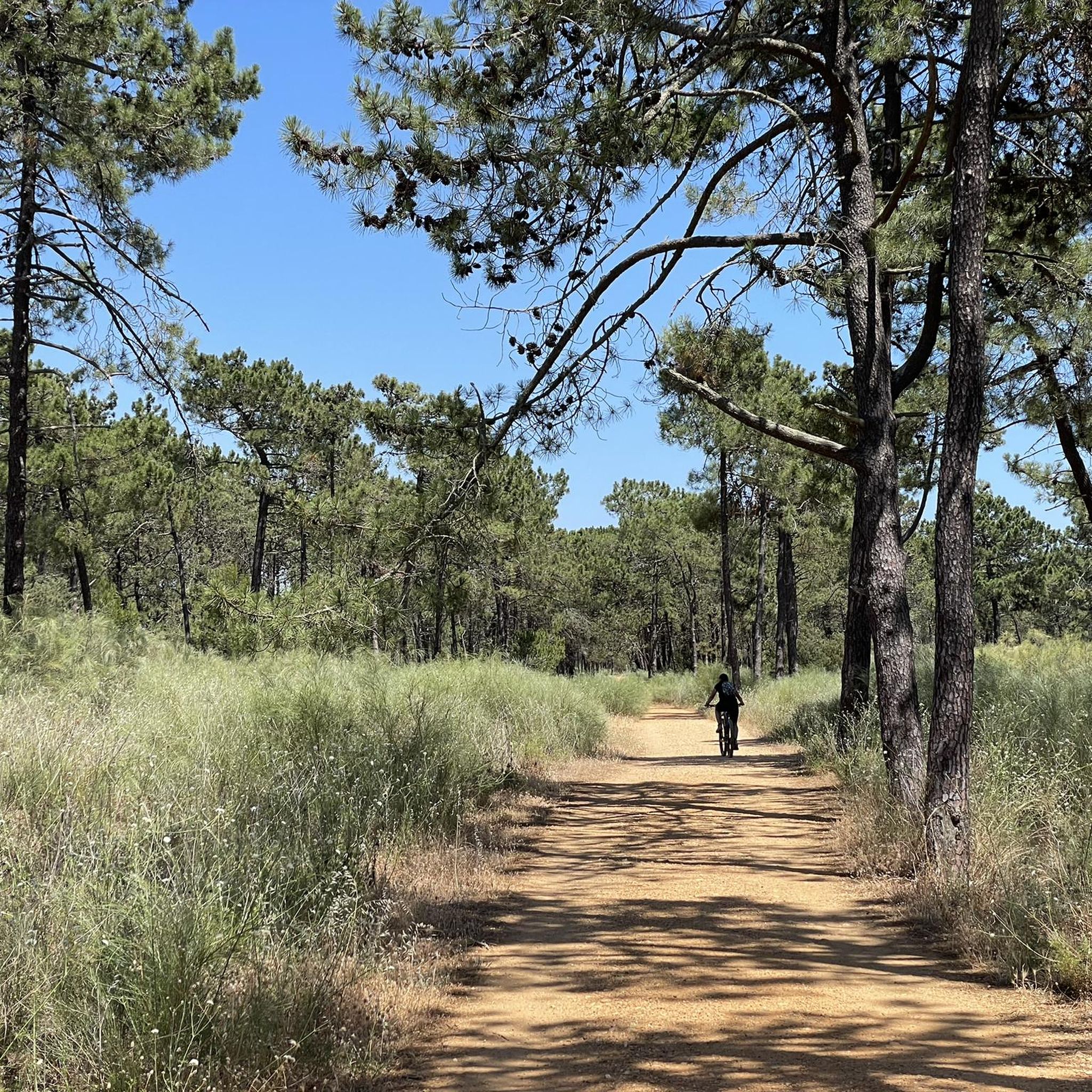
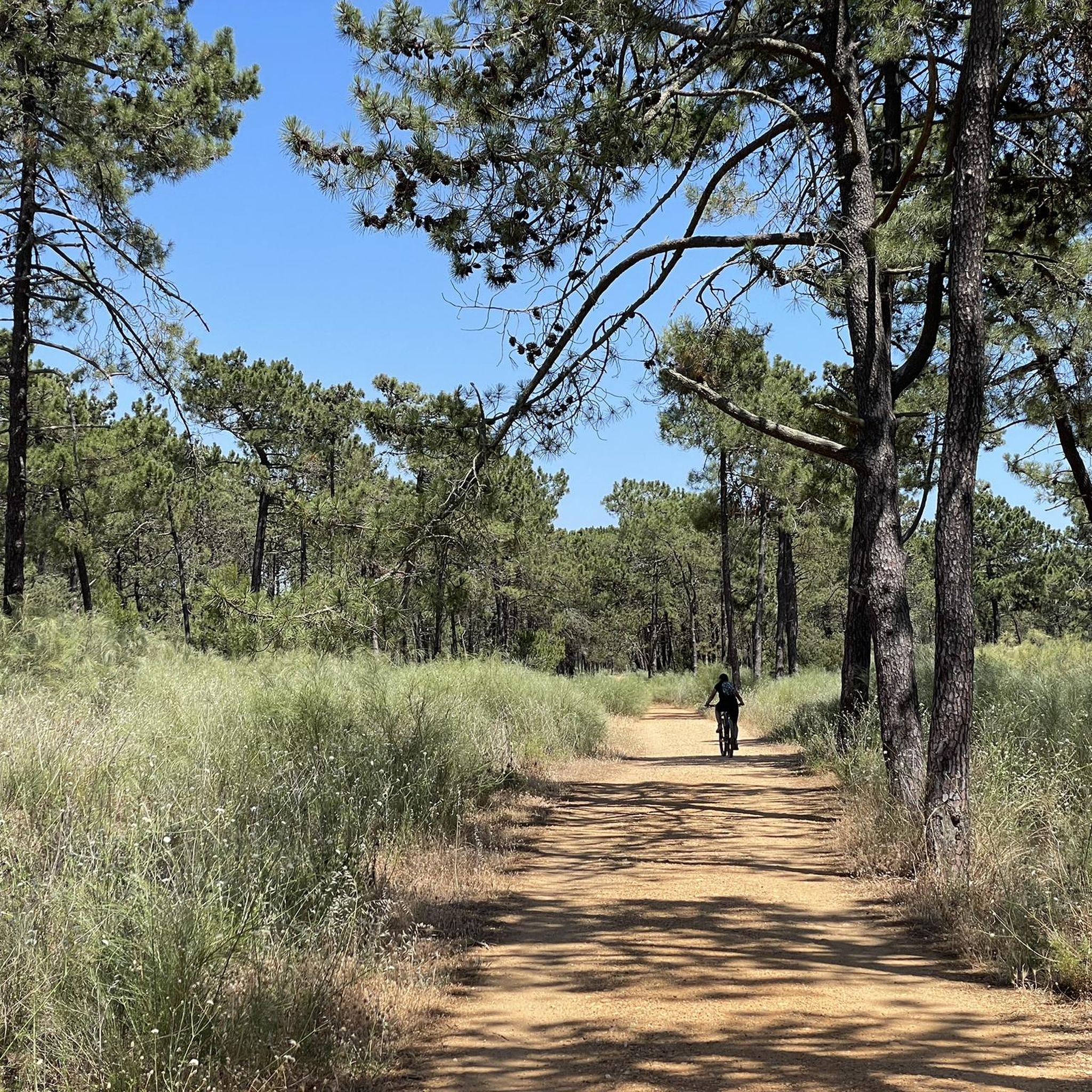
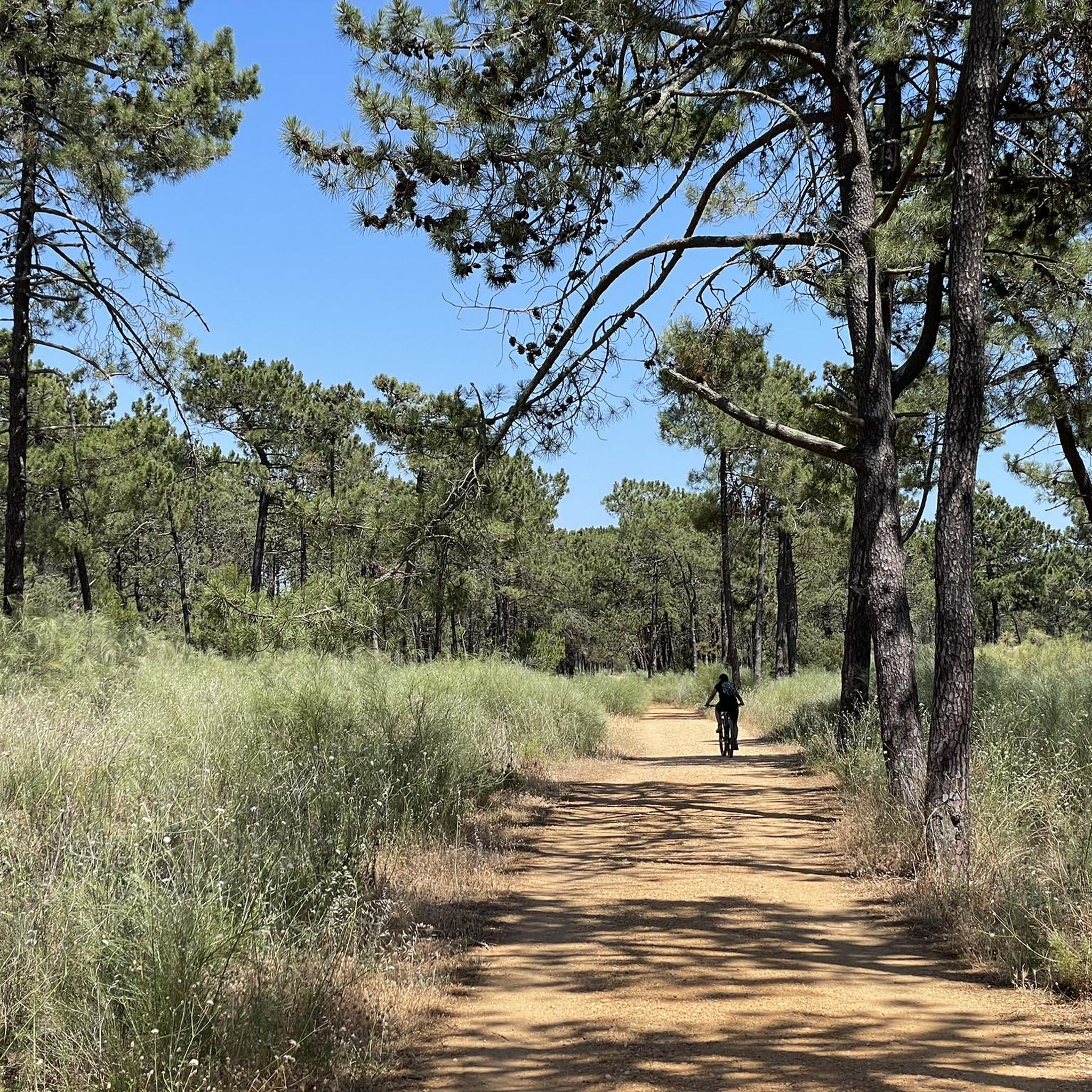
The Mata Nacional das Dunas de Vila Real de Santo António is a significant natural monument consisting of pristine pine forests. These forests were originally planted to stabilize the region's sand dunes. Today, they offer tranquil walks on shaded footpaths, providing a peaceful escape from the summer crowds. It's also a habitat for the elusive Mediterranean chameleon, making it an interesting spot for nature observation.
Most popular routes around Monte Gordo
Most popular attractions around Monte Gordo

Get inspired with the komoot mobile app


Explore more
Extend your search for the best caves by checking out these guides of the top ones around Monte Gordo:
