Top 14 Natural Monuments around Azinhal
Best natural monuments around Azinhal include diverse landscapes ranging from expansive wetlands and historic springs to scenic forests and dune habitats. The region, encompassing parts of both the Alentejo and Algarve, offers a variety of natural attractions. These areas are characterized by unique ecosystems, significant biodiversity, and historical landmarks. Visitors can explore environments shaped by rivers, coastlines, and traditional land use.
Best natural monuments around Azinhal
- The most popular natural monuments is Salt Pans of the Reserva Natural do Sapal…
Last updated: October 16, 2026
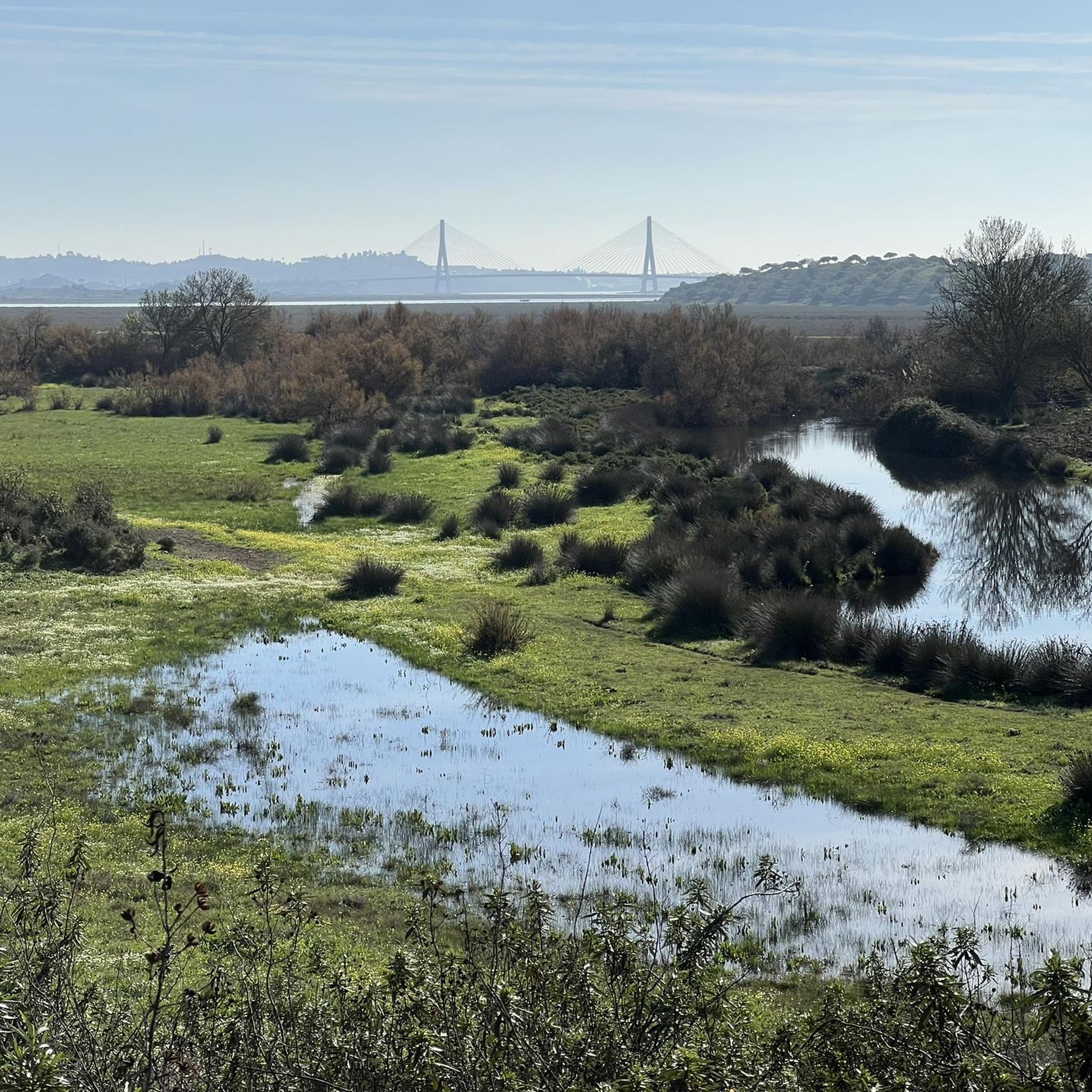
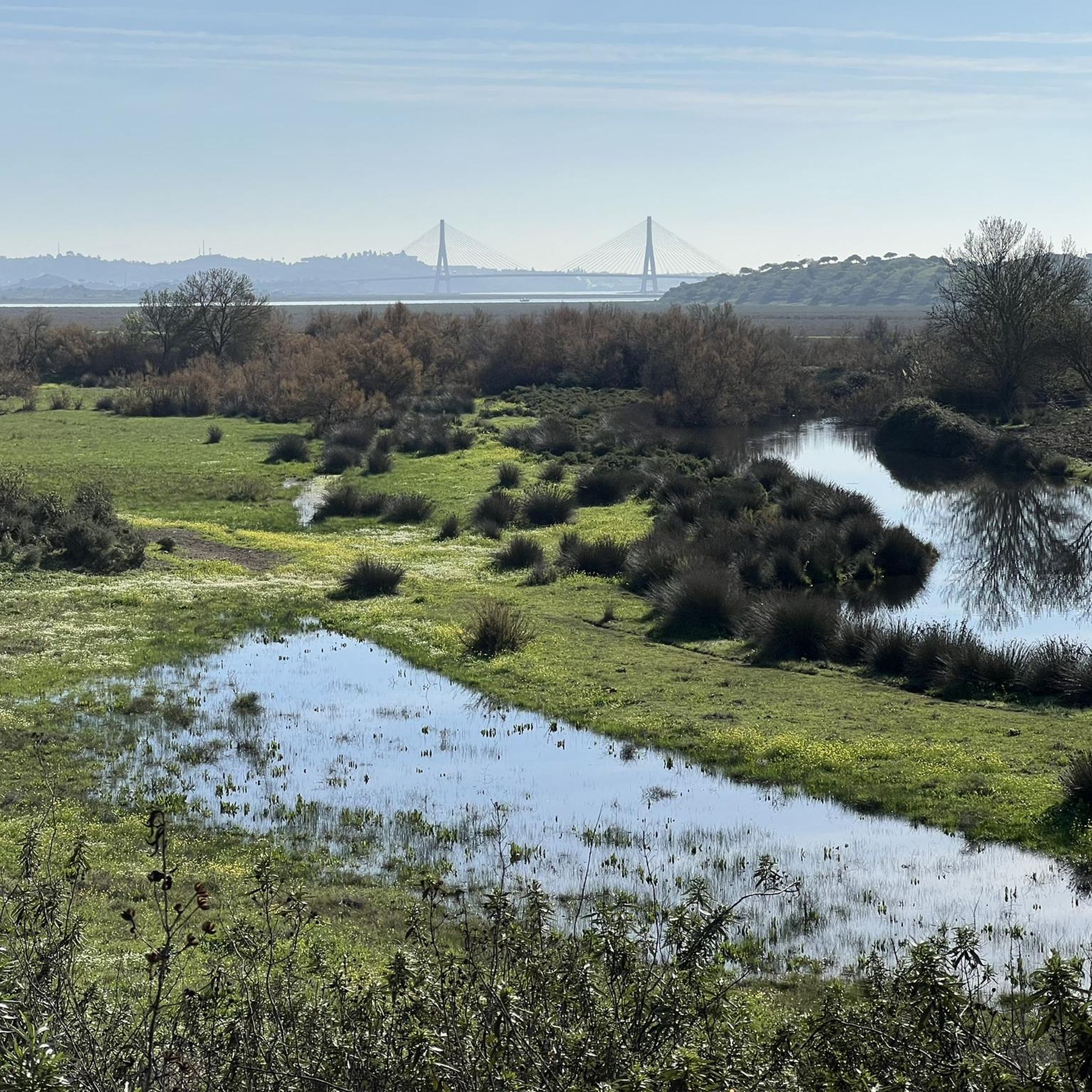
Salt Pans of the Reserva Natural do Sapal de Castro Marim e Vila Real de Santo António
Highlight • Natural Monument
Translated by Google •
Tip by

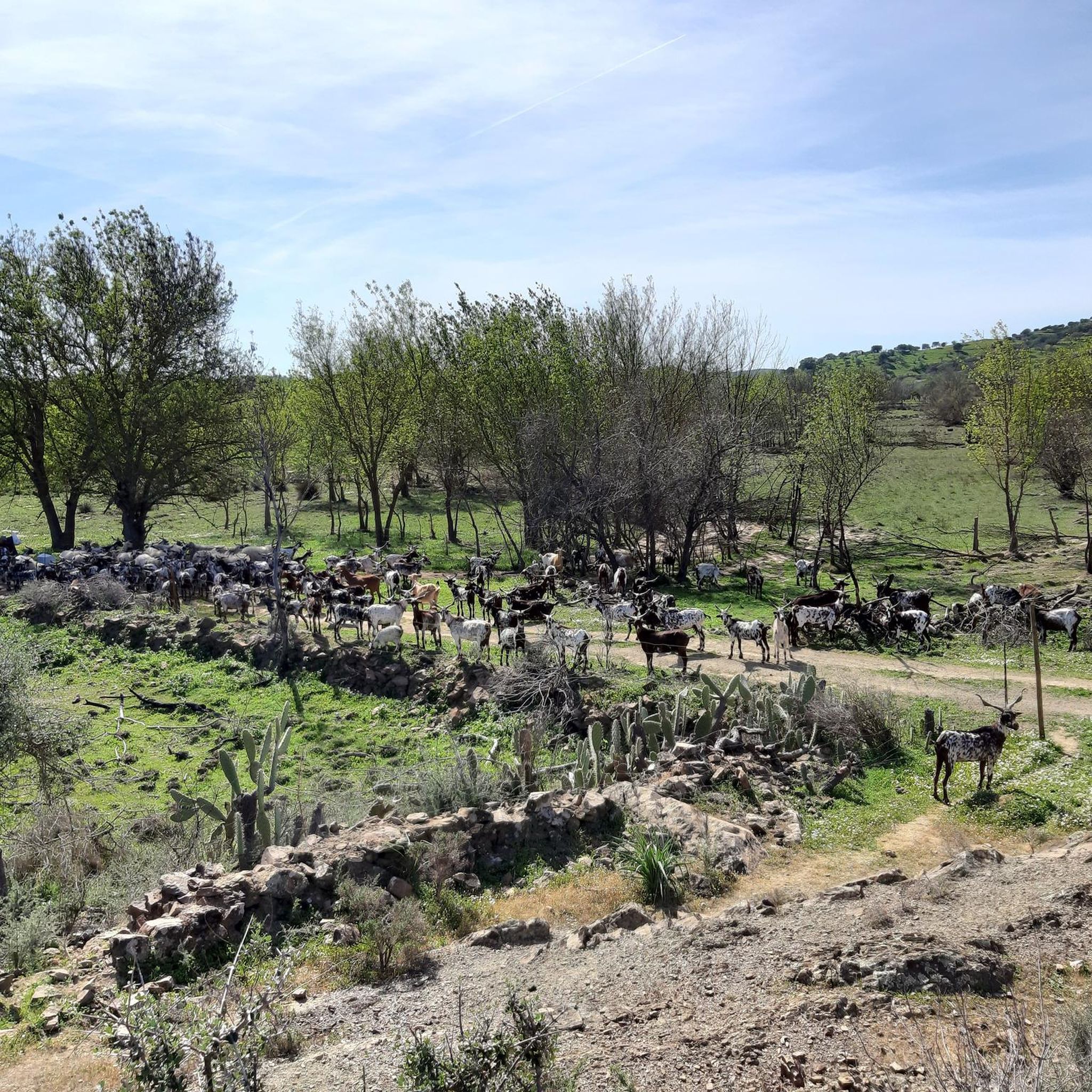
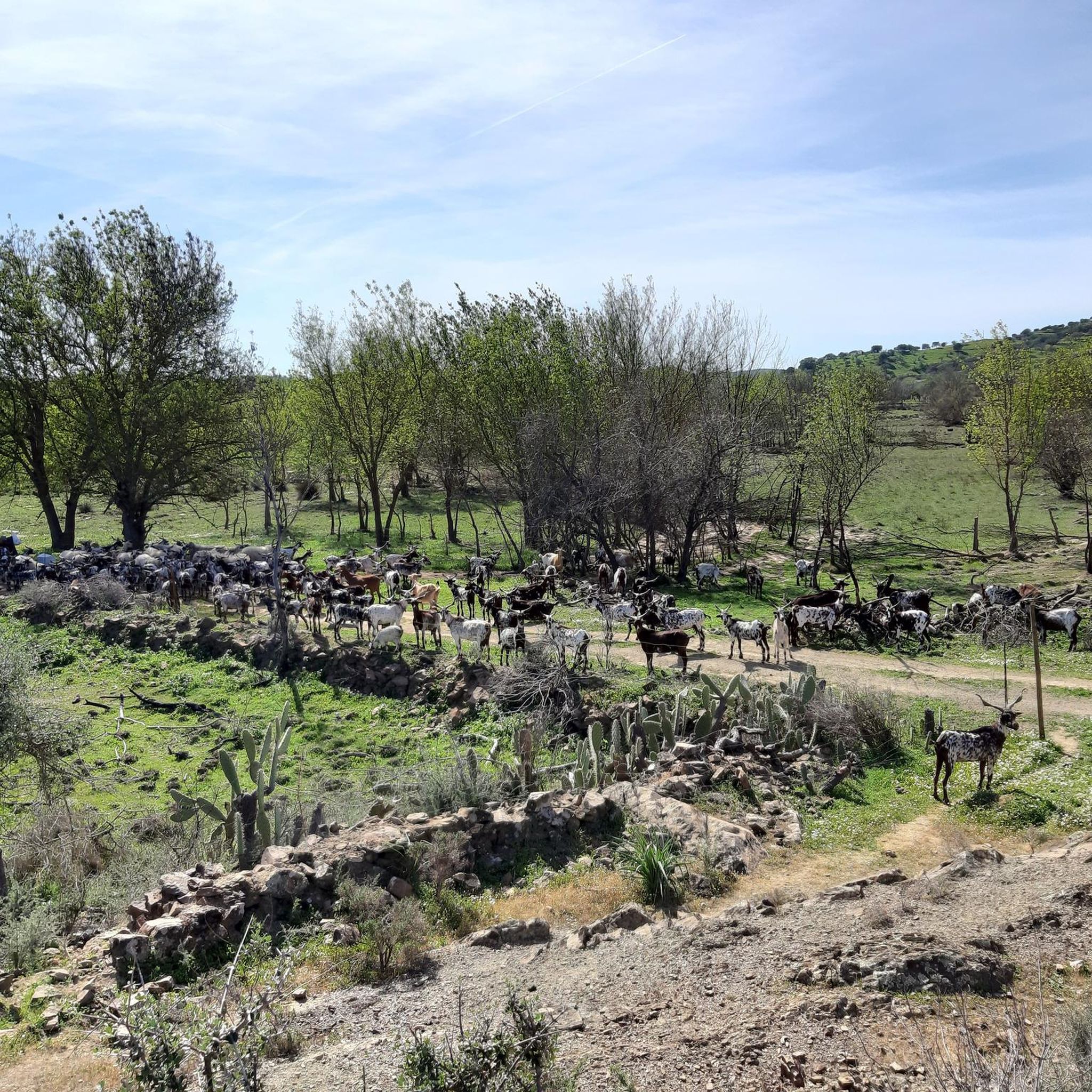
Cork Oak Forests of the Algarve
Highlight • Forest
Translated by Google •
Tip by

Sign up now to discover places like this
Get recommendations on the best single tracks, peaks, & plenty of other exciting outdoor places.
Pernadas Mill
Highlight • Structure
Translated by Google •
Tip by
Dune Habitat of Monte Gordo
Highlight • Natural
Translated by Google •
Tip by

View of the Beliche Dam
Highlight • Viewpoint
Tip by

Sign up for free to discover even more natural monuments around Azinhal.
Already have an account?
Start today with a free account
Your next adventure awaits.
Tips from the Community

The descent from the other side of the dam should be considered OFF-ROAD as it is falling apart… The view of the dam from this side is great…
0
0

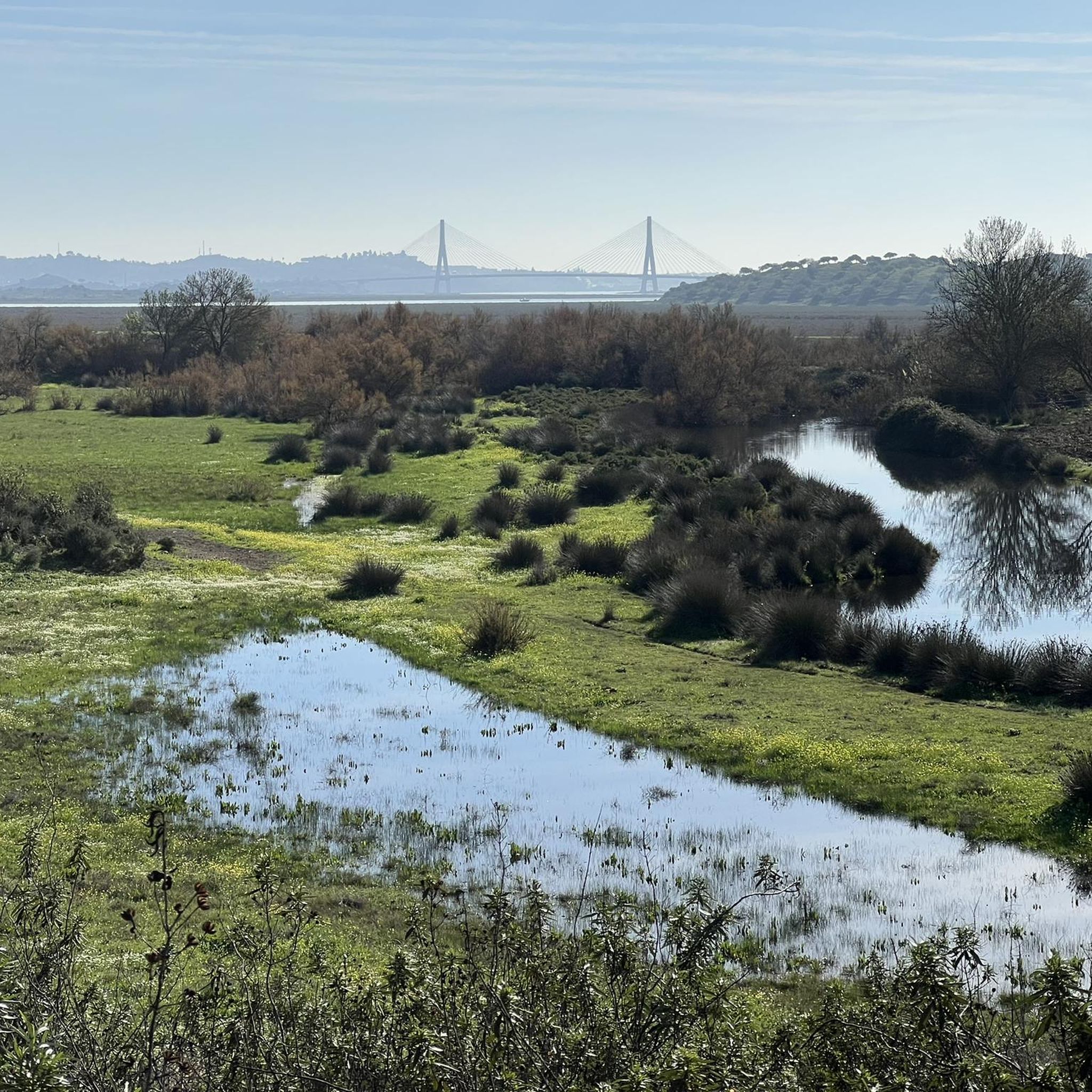
The Castro Marim Salt Pans, located in the Castro Marim and Vila Real de Santo António Salt Marsh Nature Reserve, are a historical and ecological landmark of the Algarve, where the artisanal production of salt and fleur de sel remains alive. 👍
1
0
In the images, what you see most are pine trees, not cork oaks. These are still beautiful images.👍🥾
1
0

An important natural product is extracted from the sea's saltwater here. Only through the power of the elements, sun and wind, which evaporate the water in the saltworks' shallow basins, does pure salt remain. Even today, you won't find a kitchen without salt to season dishes. But in earlier times, it had an additional significance: It was important for preserving food—making it so precious that salt was called "white gold."
3
0

Alternative to the beach. In summer hot but windy, take water with you. Towards the end nice bar with kind People to have some drink!
1
0

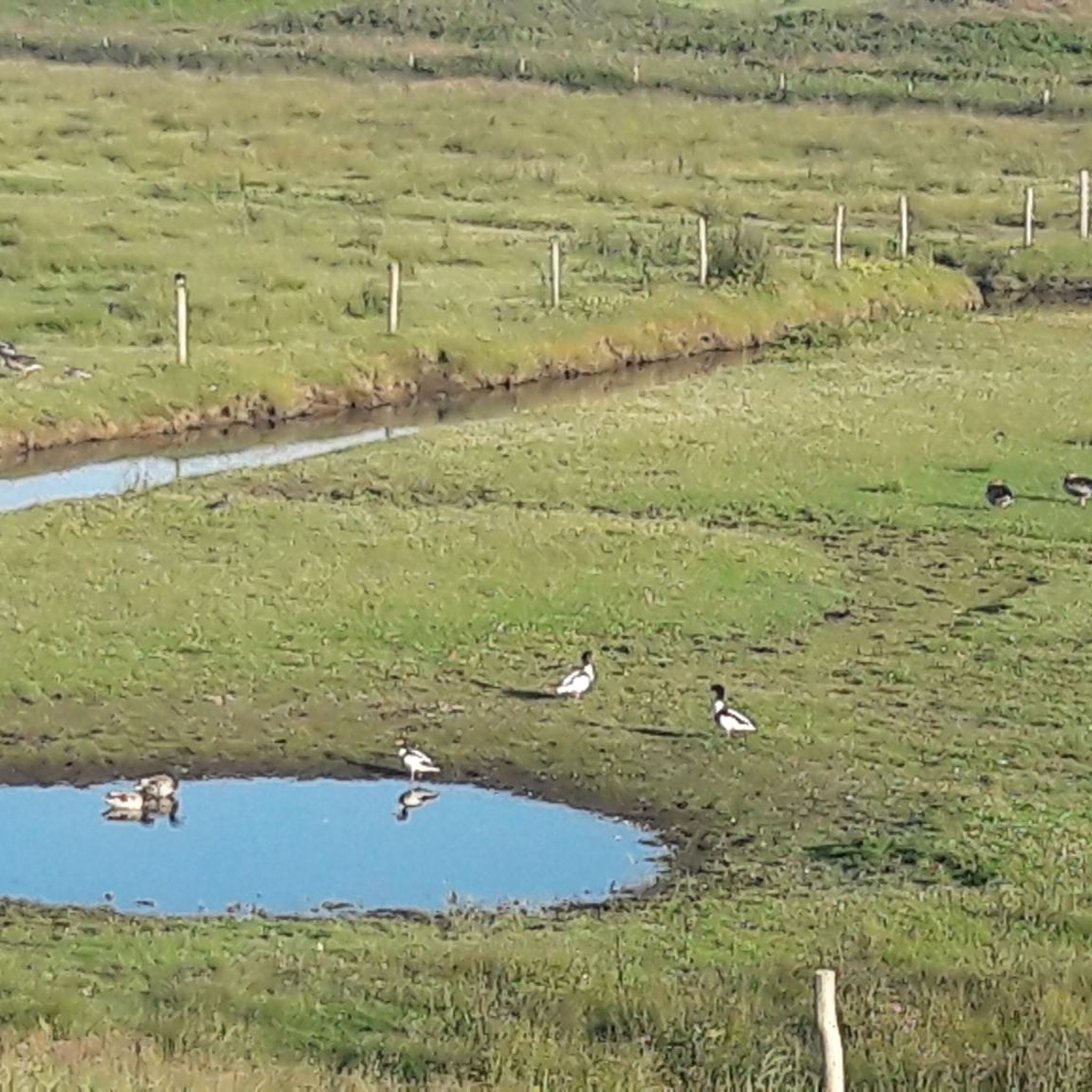
Salt mountains spread across the landscape - which could be mistaken for snow if we weren't in the Algarve. The entire area is part of an environmental protection area that has several species of birds, such as Flamingos.
2
1
The cork oak is notable for its bark, from which cork is extracted, and pine trees are often found in coastal and inland landscapes in southern Portugal, adapted to sandy soils and a climate with hot, dry summers.
2
1
Moinho das Pernadas is located on the right bank of the Odeleite river. It is an old hydraulic mill undergoing rehabilitation by the City Council. The mill was reactivated, after spending many years (since 1980) in oblivion.
2
0
Frequently Asked Questions
What are some of the best natural monuments to visit around Azinhal?
The region around Azinhal offers a variety of natural monuments. For a unique wetland experience, consider visiting the Salt Pans of the Reserva Natural do Sapal de Castro Marim e Vila Real de Santo António, known for its birdwatching opportunities and traditional salt extraction. Another excellent choice is the Dune Habitat of Monte Gordo, which boasts diverse plant life and is a spot where chameleons can be seen in summer.
Are there any family-friendly natural monuments in the Azinhal area?
Yes, several natural monuments around Azinhal are suitable for families. The Salt Pans of the Reserva Natural do Sapal de Castro Marim e Vila Real de Santo António and the Zonas húmidas de Castro Marim are both categorized as family-friendly, offering easy trails and opportunities for birdwatching. The Dune Habitat of Monte Gordo also provides a pleasant, accessible environment for all ages.
What unique natural features can I expect to see around Azinhal?
Azinhal is characterized by diverse natural features. You can explore extensive wetlands and salt pans, such as those found in the Reserva Natural do Sapal de Castro Marim e Vila Real de Santo António, which are crucial habitats for migratory birds. The region also features significant Cork Oak Forests of the Algarve, known for their distinctive trees and the cork extraction industry. Additionally, the area includes dune habitats and river valleys like the Mira River Valley, offering varied ecosystems.
What outdoor activities can I do near these natural monuments?
The Azinhal area is excellent for outdoor activities. You can enjoy hiking on trails like the 'Azinhal and Rio Guadiana — circular route (PR3)' or the 'Circuito do Beliche — circular route (PR2)'. For cycling enthusiasts, there are numerous road cycling and gravel biking routes. The Santa Clara Dam, though not a highlight in this guide, is a regional attraction perfect for nautical activities like canoeing, rowing, and sport fishing. Find more details in the hiking guide, road cycling guide, and gravel biking guide for Azinhal.
Are there any historical or cultural sites integrated with the natural monuments?
Yes, the region blends natural beauty with historical elements. The Pernadas Mill, located on the Odeleite river, is an old hydraulic mill undergoing rehabilitation, offering a glimpse into traditional industry. The Azinhal Fountain, built in the 19th century, is another historic site that once supplied water to Santa Clara-a-Velha and now serves as a charming picnic spot.
What is the best time of year to visit the natural monuments around Azinhal?
Spring (March to May) is often considered ideal for visiting, as the weather is pleasant, and wildflowers, such as cistus and lavender, are abundant, especially along trails like the Azinhal Trail. Autumn (September to November) also offers comfortable temperatures. Summers can be hot, particularly inland, but coastal areas like Monte Gordo offer refreshing sea breezes. Birdwatching is excellent during migratory seasons in spring and autumn at the wetlands.
What do visitors enjoy most about the natural monuments in Azinhal?
Visitors frequently highlight the tranquility and natural beauty. The Salt Pans of the Reserva Natural do Sapal de Castro Marim e Vila Real de Santo António are praised for birdwatching, especially flamingos, and the unique process of salt extraction. The diverse plant life in the Dune Habitat of Monte Gordo, including yellow dandelions in March, is also a popular feature. The peaceful atmosphere of the cork oak forests and river valleys provides a serene escape.
Are there opportunities for birdwatching in the Azinhal area?
Absolutely. The Reserva Natural do Sapal de Castro Marim e Vila Real de Santo António is a crucial habitat and a recognized paradise for birdwatching. It attracts over 200 species, including greater flamingos, spoonbills, Caspian terns, white storks, and the reserve's symbol, black-winged stilts. Walking trails with interpretive signs make it easy to explore this unique wetland ecosystem.
What kind of trails can I find near Azinhal's natural monuments?
You'll find a variety of trails, from easy to moderate. The wetlands offer walking trails with interpretive signs, perfect for observing nature. The Mira River Valley and surrounding forests feature paths, including ancient medieval and Roman roads, ideal for peaceful walks. The Azinhal Trail in the Eastern Algarve provides panoramic views and is known for its wildflowers. For specific routes, refer to the hiking guide for Azinhal.
Are there any natural monuments with significant geological features?
While not explicitly geological, the formation of the extensive marshlands and salt pans in the Reserva Natural do Sapal de Castro Marim e Vila Real de Santo António is a significant natural process, shaped by the Guadiana River and the sea. This creates a unique 'geometric patchwork' of land and water, supporting specialized plant species adapted to saline conditions.
Can I find any hidden gems or less-known natural spots around Azinhal?
Beyond the well-known highlights, the broader Mira River Valley offers picturesque scenery and tranquil settings for experiencing the Alentejo's rich flora and fauna, often away from more crowded spots. The historic Azinhal Fountain, with its pleasant picnic park, also provides a charming and peaceful stop that might be overlooked by some visitors.
What should I bring when visiting the natural monuments around Azinhal?
It's advisable to bring comfortable walking shoes, water, sun protection (hat, sunscreen), and binoculars for birdwatching, especially if visiting the wetlands. Depending on the season, a light jacket might be useful. If you plan to hike, a map or a GPS device is recommended. For the Santa Clara Dam, consider swimwear if you intend to enjoy the river beach.
Most popular attractions around Azinhal

Get inspired with the komoot mobile app


Explore more
Extend your search for the best caves by checking out these guides of the top ones around Azinhal:
