Top 20 Natural Monuments around Olhos De Água
Natural monuments near Olhos de Água showcase the Algarve region's distinctive coastal beauty. The area is characterized by its freshwater springs bubbling through the sand, giving the village its name. Ochre-shaded cliffs and intricate rock formations frame the coastline, featuring natural arches and sheltered coves. This landscape provides a setting for exploring unique geological features and diverse marine life.
Best natural monuments around Olhos De Água
- The most popular natural monuments is Falésia Beach, a beach known for its…
Last updated: October 16, 2026
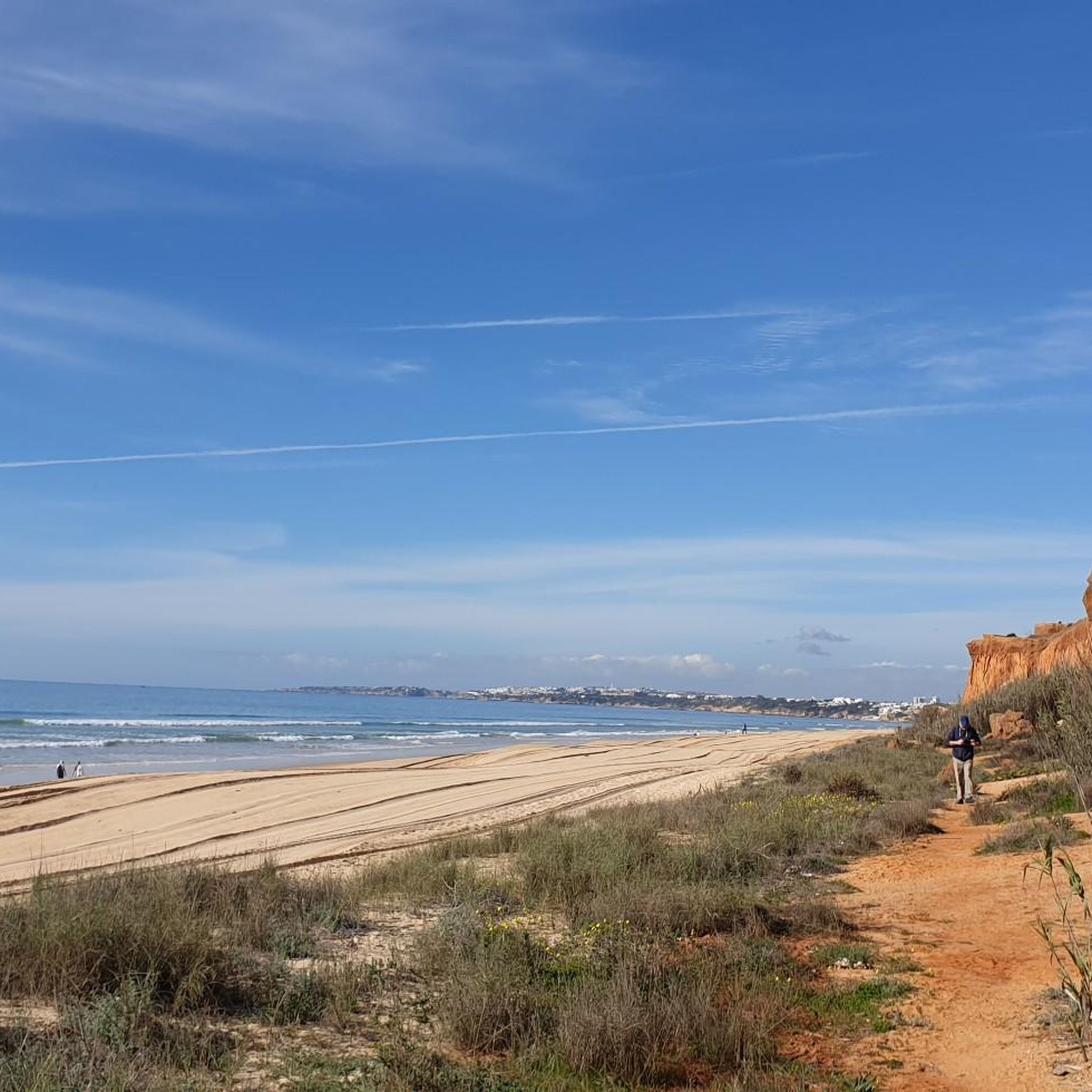
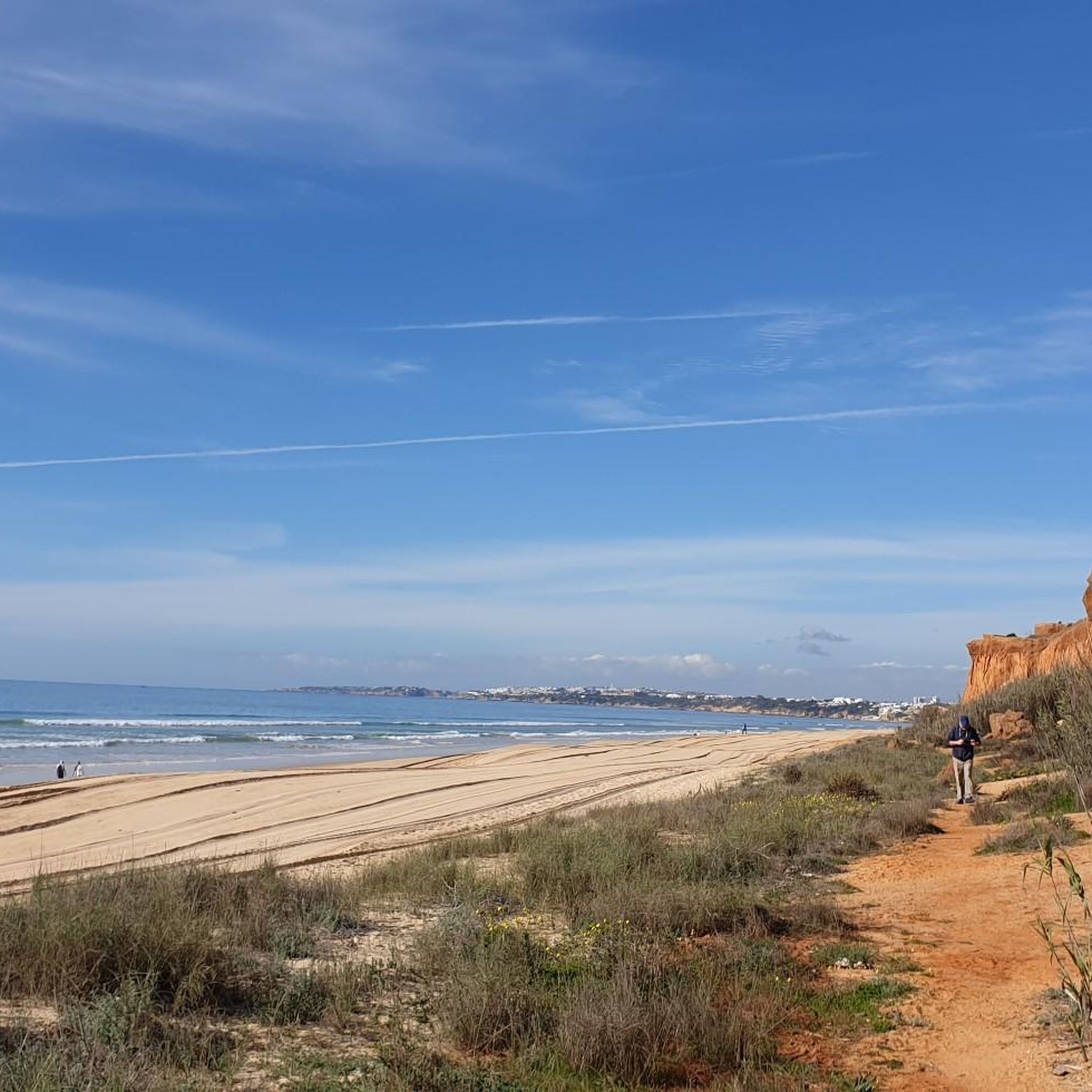
Falésia Beach
Highlight • Beach
Translated by Google •
Tip by

Falésia Beach
Highlight • Beach
Translated by Google •
Tip by

Sign up now to discover places like this
Get recommendations on the best single tracks, peaks, & plenty of other exciting outdoor places.
"Praia dos Piratas" / Pirates' Cove
Highlight • Natural Monument
Translated by Google •
Tip by

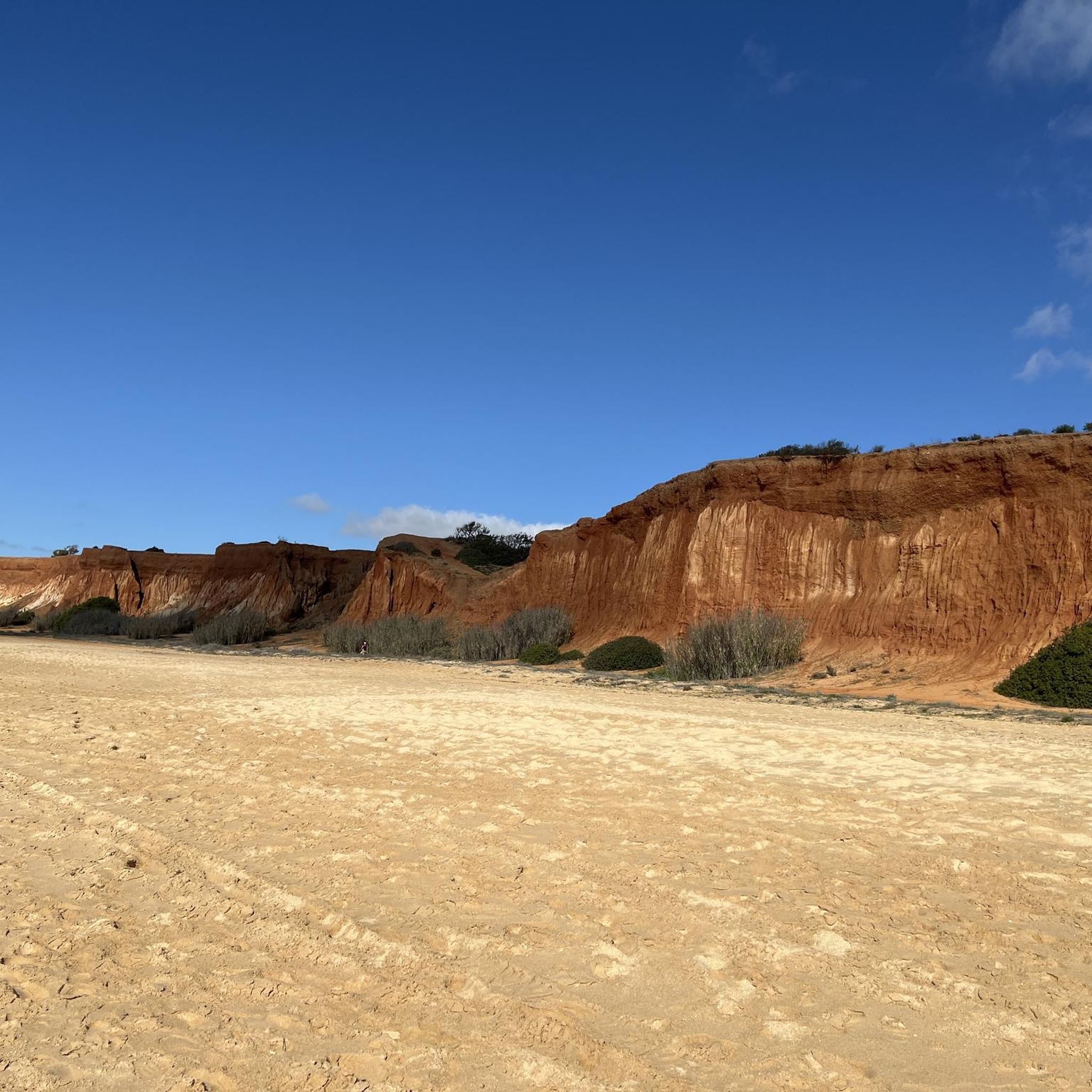
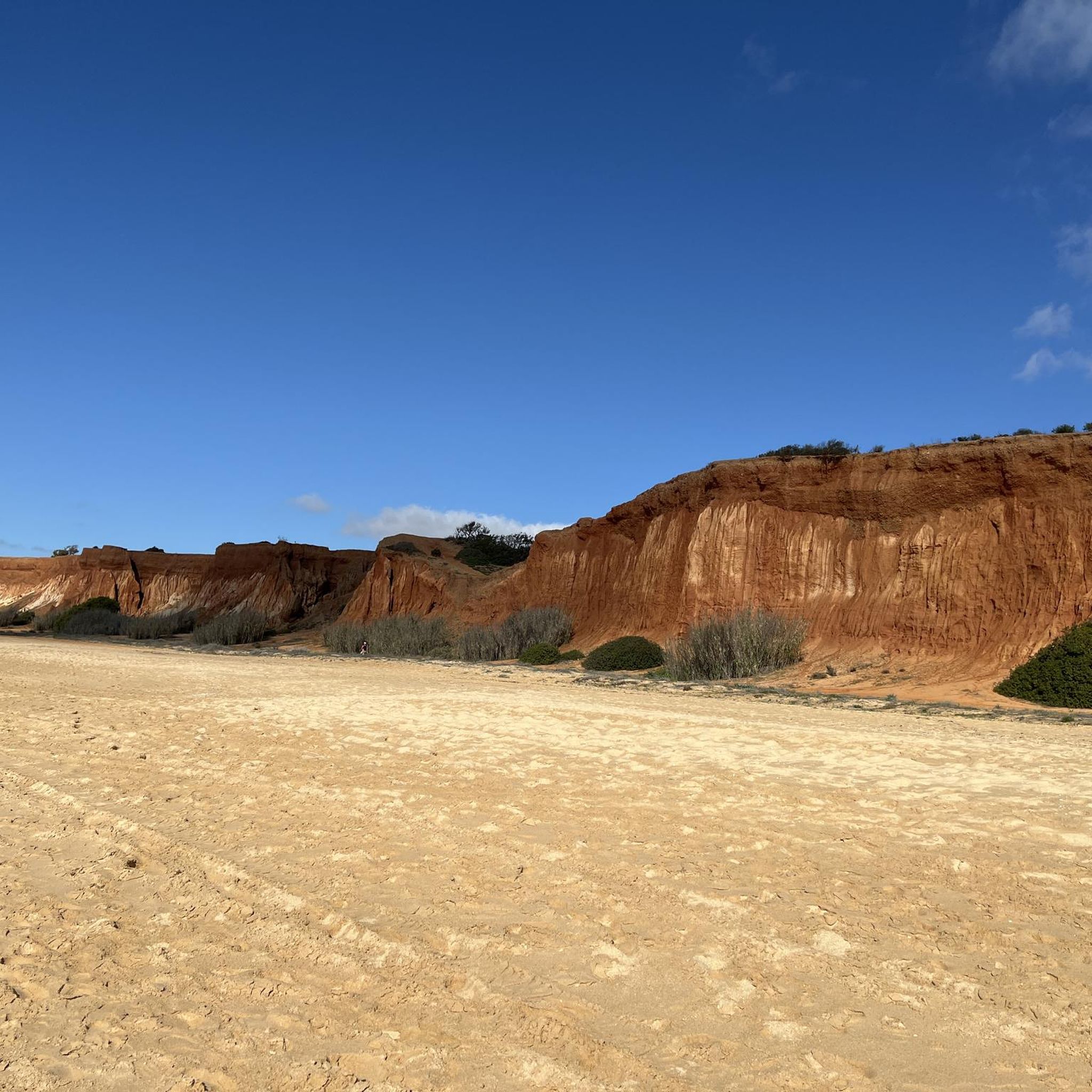
Praia da Falésia Cliffs
Highlight • Natural Monument
Translated by Google •
Tip by

Praia do Castelo Viewpoint
Highlight • Viewpoint
Showing Translation
Tip by

Sign up for free to discover even more natural monuments around Olhos De Água.
Already have an account?
Start today with a free account
Your next adventure awaits.
Tips from the Community

The name ('Kasteelstrand') comes from the eastern rock formations that, by their shape, resemble a castle wall or fortress, and from a nearby 16th-century watchtower that was built against pirates.
17
0

Even at the top of the plateau there is a great hiking trail. But beware! Steep cliffs without protection!
0
0
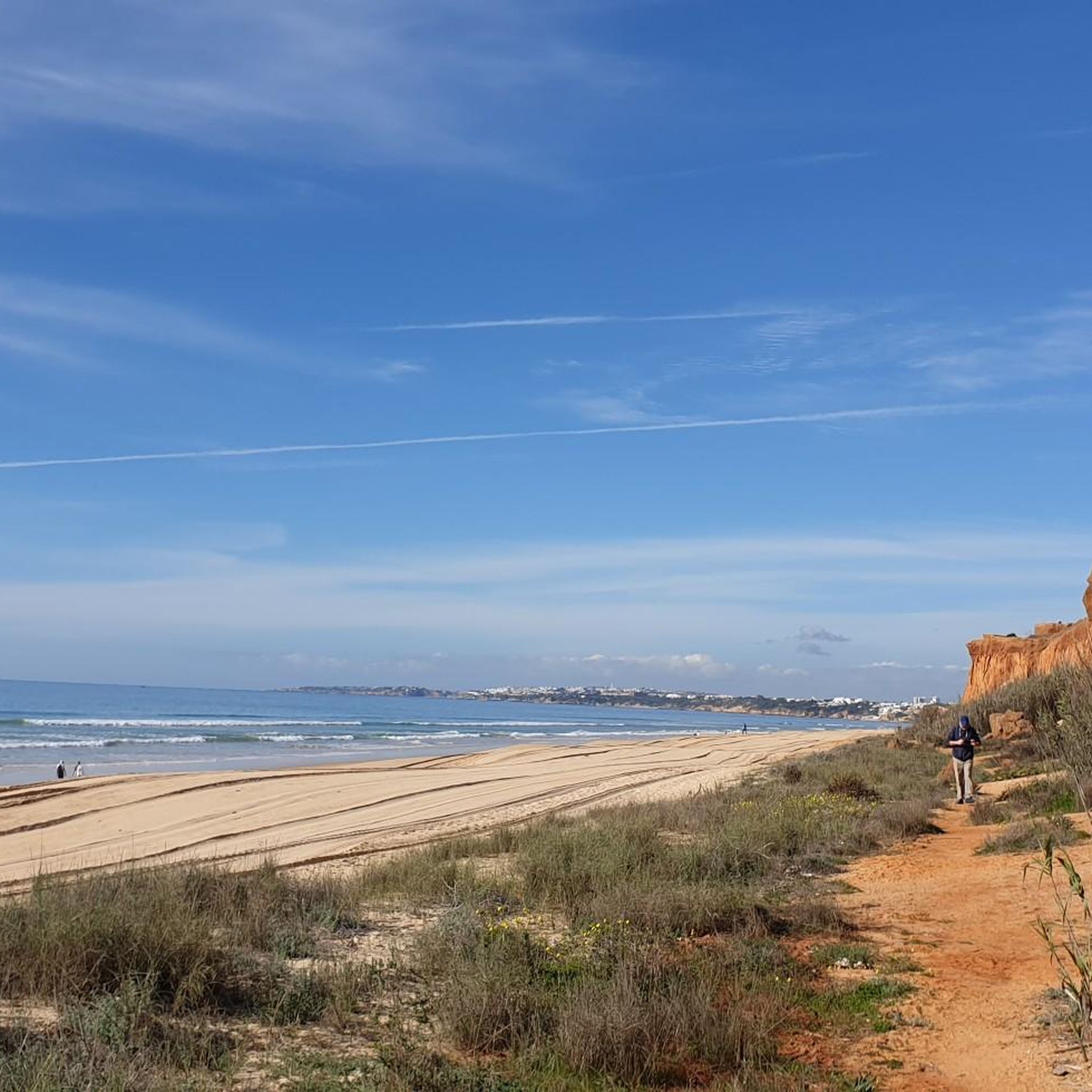
Picturesque scenery and great sea sounds on the beach.
0
0

The hike isn't exactly easy. At some point, not everyone dares to continue. The signs provided by Komoot are confusing: there are too many paths. Just follow the coastline.
1
0

It was along sandstone paths, of high aesthetic value, that I traveled this truly magical route. The cliffs reveal an impressive contrast of colors — shades of red, brown, and white — sculpted over time by the action of water and wind. This erosion gives rise to unique shapes, such as "fairy chimneys," and helps to nourish the extensive sandy area with fine sand. In addition to their geomorphological and landscape value, these cliffs constitute habitats of ecological importance, with plants well adapted to the location. Notable species include mastic tree (Pistacia lentiscus), camphor thyme (Thymus camphoratus), sandalwood (Osyris), stone pine (Pinus pinea), lavender (Lavandula spp.), and daphne (Thymelaea villosa),... which contribute to soil stability and the biodiversity of the area.
1
0

Moderate hike. Requires good physical fitness. Easily accessible trail. Suitable for all experience levels.
1
0
Moderate hike. Requires good physical fitness. Easily accessible trail. Suitable for all experience levels.
2
0

Beautiful pictures. 👍
2
1
Frequently Asked Questions
What unique natural features can I expect to see around Olhos de Água?
The area is renowned for its distinctive coastal beauty. You'll find freshwater springs bubbling up through the sand at low tide, giving the village its name. The coastline is framed by beautiful ochre-shaded cliffs and intricate rock formations, including natural arches and sheltered coves. The intertidal zone also offers a glimpse into diverse marine life.
Are there specific geological formations worth exploring near Olhos de Água?
Yes, the region is rich in geological wonders. The ochre-shaded cliffs along the coast, particularly towards the western end of Praia dos Olhos de Água, feature natural arches and caves. A notable example is "Praia dos Piratas" / Pirates' Cove, where erosion has created stunning landscape formations around a small bay, offering a spectacular coastal walk.
What makes Praia dos Olhos de Água unique among the natural monuments?
Praia dos Olhos de Água, meaning "Beach of the Eyes of Water," is unique due to its namesake freshwater springs that bubble up through the sand at low tide. This natural phenomenon is a captivating sight, especially for children, and provides a refreshing contrast to the saltwater. The beach also retains an authentic fishing village atmosphere.
Are the natural monuments around Olhos de Água suitable for families with children?
Many natural monuments in the area are very family-friendly. Praia dos Olhos de Água itself is easily accessible with calm waters, and children often enjoy exploring the freshwater springs. Falésia Beach and Praia da Falésia Cliffs are also considered family-friendly, offering ample space and accessible views of the stunning coastal landscape.
What outdoor activities can I do near these natural monuments?
The area offers excellent opportunities for outdoor activities. You can enjoy long walks along the extensive sandy beaches, explore the cliffs, or embark on various cycling and hiking routes. For detailed hiking options, check out the Hiking around Olhos De Água guide, or for cycling, the MTB Trails around Olhos De Água guide.
Are there hiking trails that offer views of the natural monuments?
Absolutely. Many hiking trails in the region provide stunning views of the natural monuments. For instance, routes like the "Praia da Falésia Cliffs – Praia da Falésia Cliffs loop from Olhos de Água" offer easy walks with incredible vistas of the colorful cliffs. You can find more options in the Hiking around Olhos De Água guide.
What is the best time to visit the natural monuments in Olhos de Água?
The Algarve region generally enjoys mild weather year-round. For exploring the natural monuments, especially for walks and hikes, the spring (April-May) and autumn (September-October) months are ideal, as temperatures are pleasant and the crowds are smaller than in peak summer. This allows for comfortable exploration of the beaches, cliffs, and trails.
What are some of the most popular natural monuments in the area?
Among the most popular natural monuments are Falésia Beach, known for its extensive sandy stretch and dramatic colored sand cliffs. Another highly regarded spot is Praia da Falésia Cliffs, offering incredibly beautiful views with many colors and shades. Visitors also enjoy "Praia dos Piratas" / Pirates' Cove for its unique geological formations.
Can I find hidden natural gems or less-known spots around Olhos de Água?
While the main beaches are popular, exploring the coastline can reveal less-known spots. For example, Swallow's Nest Beach is a smaller, beautiful stretch of beach formed behind a large rock opening, creating a natural pool with calm waters. It's not an official beach and access can sometimes be challenging, but it offers a more secluded experience.
What kind of marine life can be observed in the intertidal zone?
The intertidal zone of Praia dos Olhos de Água provides a fascinating glimpse into marine life. At low tide, you can observe various species such as limpets, periwinkles, barnacles, small gobies, anemones, and colorful algae clinging to the rocks and in tide pools.
Are there any natural monuments that are particularly good for photography?
The entire coastline around Olhos de Água offers fantastic photographic opportunities. The dramatic red and ochre-shaded cliffs of Praia da Falésia Cliffs and Falésia Beach are particularly striking, especially during sunrise or sunset when the colors are intensified. The unique rock formations and freshwater springs at Praia dos Olhos de Água also make for captivating subjects.
How accessible are the natural monuments for visitors?
Praia dos Olhos de Água is generally easily accessible, with facilities suitable for visitors. The Praia da Falésia Cliffs are also noted as being accessible for everyone, offering great views of the long sandy beach. However, some more secluded coves or specific rock formations might require a bit more effort to reach.
Most popular routes around Olhos De Água
Most popular attractions around Olhos De Água

Get inspired with the komoot mobile app


Explore more
Extend your search for the best caves by checking out these guides of the top ones around Olhos De Água:
