Top 10 Natural Monuments around Fresulfe
Best natural monuments around Fresulfe are found within the Montesinho Natural Park, a region characterized by its rich natural heritage. Fresulfe, a Portuguese village within the Municipality of Vinhais, serves as a gateway to these natural attractions. The area is known for its ecological significance and offers opportunities to explore diverse landscapes and unique flora and fauna.
Best natural monuments around Fresulfe
- The most popular natural monument is View of the Hills in Montesinho Natural Park, a viewpoint that…
Last updated: June 29, 2026
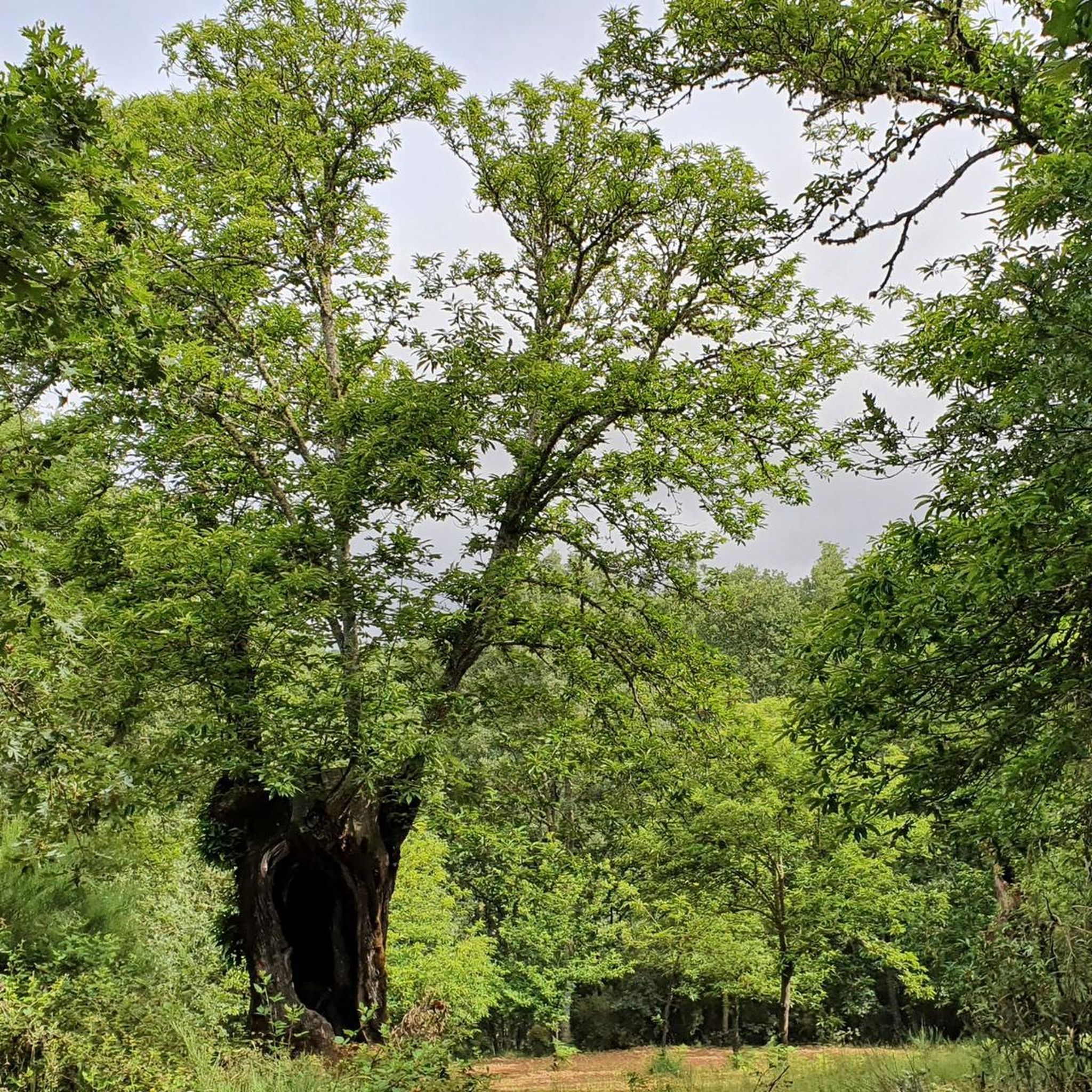
European chestnut (Castanea sativa)
Highlight • Natural Monument
Translated by Google •
Tip by

Biological Park of Vinhais
Highlight • Natural Monument
- Zoo
- Hiking
- Cycling
- Paintball
- Camping
...
parquebiologicodevinhais.com/en/home
Translated by Google •
Tip by

Sign up now to discover places like this
Get recommendations on the best single tracks, peaks, & plenty of other exciting outdoor places.
Sign up for free
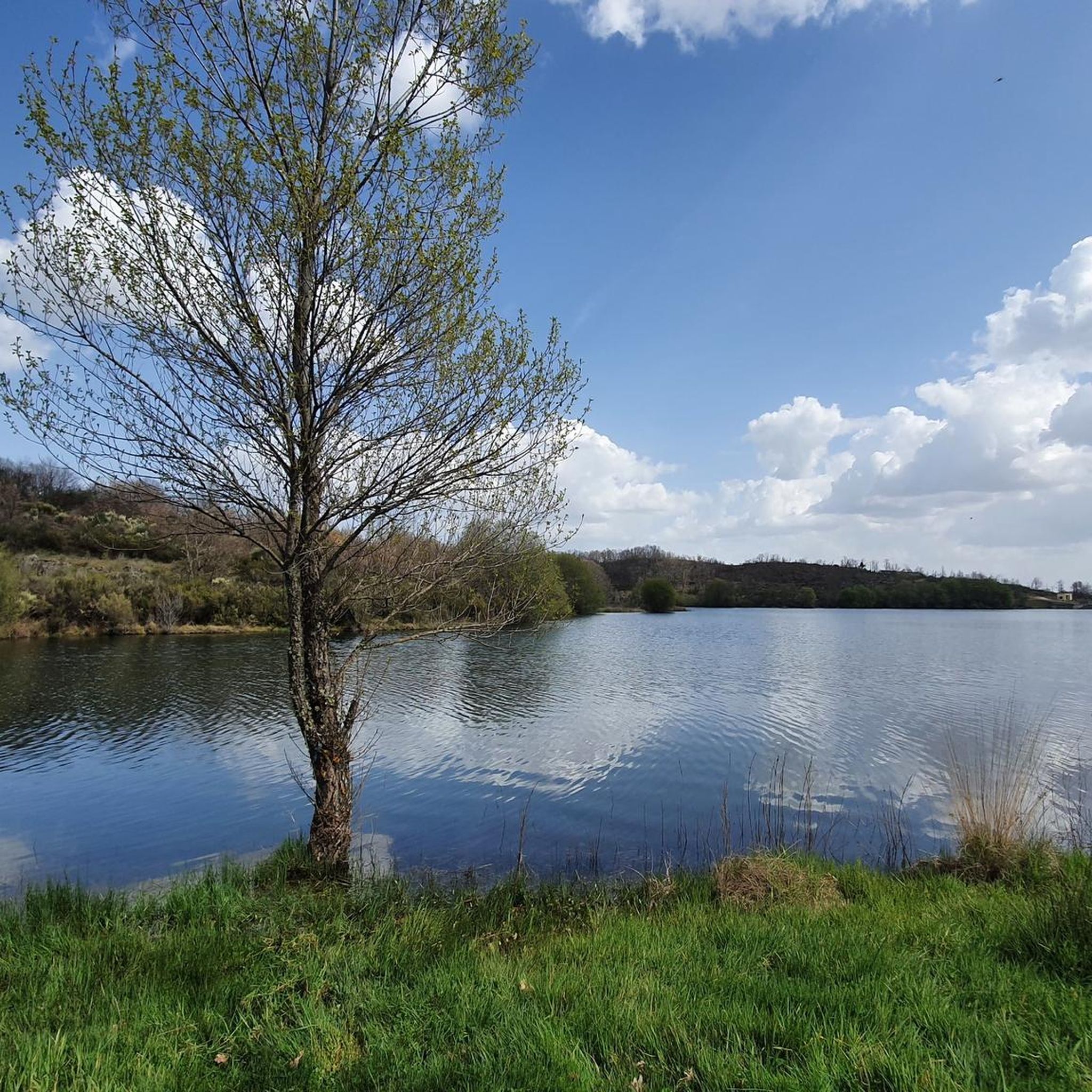
Albufeira de Prada
Highlight • Lake
Translated by Google •
Tip by

Ancient Sweet Chestnut Trees
Highlight • Natural Monument
Translated by Google •
Tip by

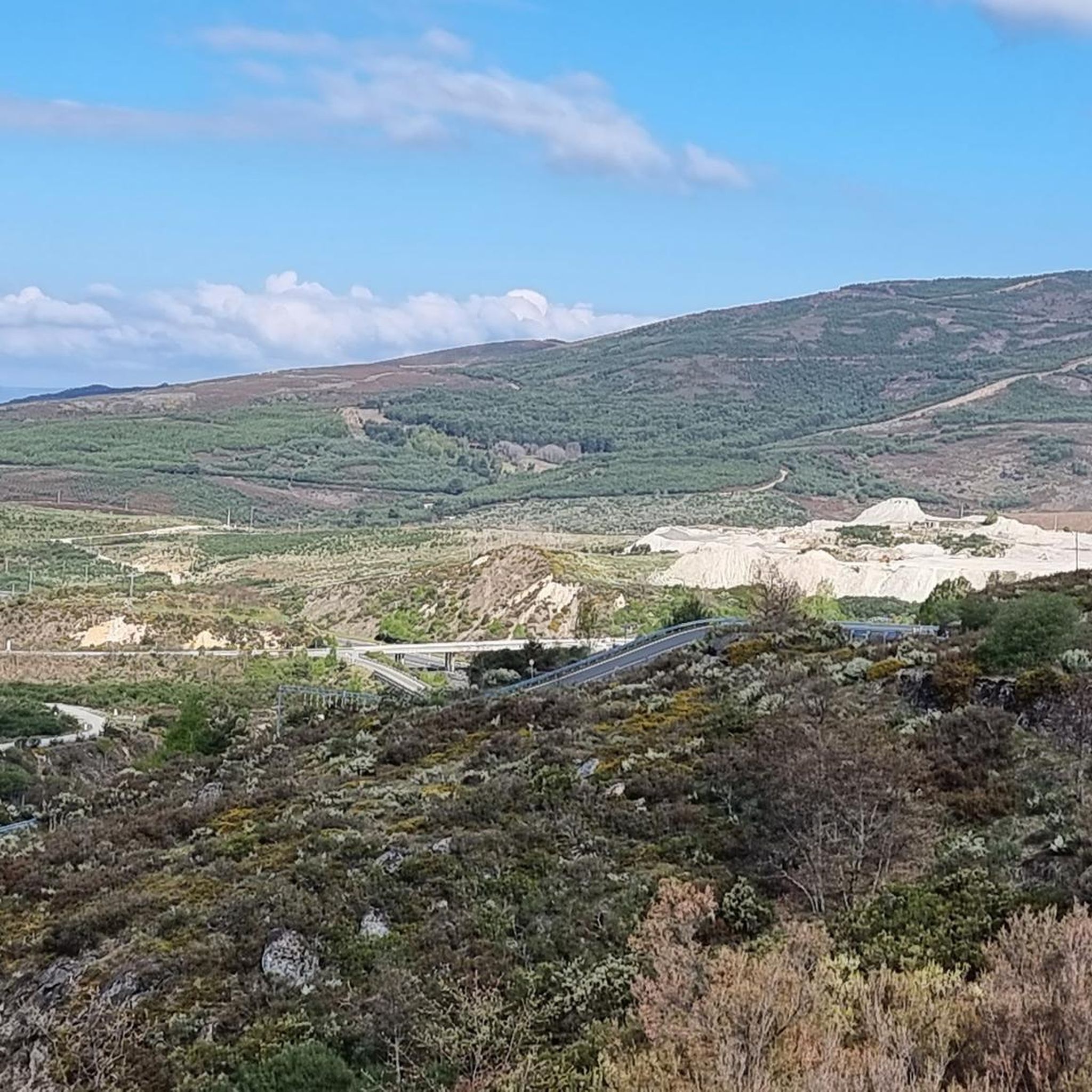
View of the Hills in Montesinho Natural Park
Highlight • Viewpoint
Translated by Google •
Tip by
Sign up for free to discover even more natural monuments around Fresulfe.
Sign up for free
Already have an account?
Start today with a free account
Your next adventure awaits.
Login or Signup


Tips from the Community

The Vinhais Biological Park is a protected natural area and conservation center located in the municipality of Vinhais, in northern Portugal, within the Montesinho Natural Park. This park plays an important role in the conservation of local biodiversity and in the promotion of environmental education.
0
0

This is a beautiful reservoir, with calm waters where you can even spot big fish, although fishing is prohibited. On sunny days (which is almost always), the view of the lake is simply breathtaking. You can cycle along the entire western side of the lake.
0
0

Located in the heart of the Montesinho Natural Park, the Vinhais Biological Park invites you to discover the local landscape in all its forms, from fauna and flora to geology, culture and history. A space dedicated to conservation, biodiversity and ecotourism.
1
0

Considered the “bread tree” in the regions north of the Tagus, the chestnut tree was the staple food before the arrival of the potato and the main source of carbohydrates in the north of the Iberian Peninsula. This deciduous tree can grow up to 30 to 35 metres in height and reach diameters of up to 12 metres, although the trunk becomes hollow as the tree ages. It is very long-lived and can live for over a thousand years. The European chestnut tree (Castanea sativa Miller) belongs to the Castanea genus and the Fagaceae family, the same family that includes cork oaks and oaks in general. The genus includes 12 to 13 species, five of which are of Asian origin and seven of which are North American. The common chestnut tree is the only one native to Europe. This is a tree that managed to survive the last glacial period (Würms glaciation) in some parts of central and Mediterranean Europe and is currently found all over the world, including North and South America and Australia. Several studies indicate that the natural distribution of the European chestnut tree corresponds to these refuge zones, where it remained during the glacial events. These areas later served as starting points for the colonization of other regions, before humanity dedicated itself to cultivating the species. One of these refuges is located in the Picos de Europa region and another between the south of Galicia and the north of Portugal, which is why the chestnut tree is considered an indigenous or native species of our country. The chestnut tree grows well in temperate climates and the ideal conditions for its development are found in places with average temperature and humidity, where rainfall reaches at least 600 mm per year – more than 100 mm in the summer. It is, however, sensitive to late frosts and very low temperatures. It prefers soils at least 50 cm deep, loose and rich in nutrients, slightly acidic (pH between 4.5 and 6.5) and not calcareous. Although it can grow in less suitable conditions, it develops and produces best in coastal or mountainous areas, at medium altitude, with hot and humid summers and mild winters.
2
0
The chestnut tree is a tall deciduous tree that can reach 35 m in height, generally imposing when adult and isolated; it has a broad, leafy crown, wide in isolated individuals. The trunk, thick, covered by rhytidome that changes color and texture with age, is thick and straight; the lower branches are compact and wide-spanning, while the upper branches are twisted.
0
0
The Biologic Park of Vinhais is a public facility installed by the Municipality of Vinhais, in the heart of the Montesinho Natural Park, more precisely in the old forest nursery of Vidoeira, in Prada, in the parish of Vila Verde, just 3 km from the village of Vinhais. The project of the Biologic Park of Vinhais was a pioneer with regard to the Trás-Os-Montes region, it was inaugurated on May 16th of 2008, and its main objectives are: Divulge of the Nature and Landscape of the Montesinho Natural Park; Environmental Education; Conservation of Nature and Biodiversity; Ecotourism
1
0
The Vinhais Biological Park is a public facility installed by the Vinhais Municipal Council, in the heart of the Montesinho Natural Park. Its purpose is to interpret the region's landscape in its natural (fauna, flora and geology), cultural and historical components; to conserve nature, promote biodiversity and ecotourism.
3
0
Frequently Asked Questions
What are the most significant natural monuments to explore near Fresulfe?
The region around Fresulfe, situated within the Montesinho Natural Park, offers several significant natural monuments. Key among them are the Biological Park of Vinhais, which promotes nature conservation and ecotourism, and the widespread presence of the European chestnut (Castanea sativa), known for its historical and ecological importance as a 'bread tree' in the region.
Are there family-friendly natural attractions near Fresulfe?
Yes, the Biological Park of Vinhais is an excellent family-friendly option. It features a diverse range of animals, interpretive centers, and an adventure park with activities like tree climbing, a slide, and archery. Additionally, the Albufeira de Prada, a beautiful lake, is also considered family-friendly and offers scenic views.
What kind of wildlife and flora can I expect to see in the natural monuments around Fresulfe?
The Biological Park of Vinhais is home to approximately 30 species of animals, many of which are wild animals from recovery centers. The park also boasts a wide variety of plants. Throughout the Montesinho Natural Park, you'll encounter the ecologically significant European chestnut (Castanea sativa), which contributes to the region's diverse flora and provides habitat for various species.
What outdoor activities can I do near these natural monuments?
The area around Fresulfe and its natural monuments is ideal for various outdoor activities. You can find numerous hiking, mountain biking, and running trails. For example, there are several hiking routes like the Prada Dam Trail, and MTB trails such as the Ring Tour from the Biological Park of Vinhais. The Biological Park of Vinhais itself offers hiking, mountain biking, and an equestrian center for horse or buggy rides.
Are there any historical or cultural aspects associated with the natural monuments in this region?
Yes, the European chestnut (Castanea sativa) holds significant historical and cultural importance. It was historically known as the 'bread tree' and served as a staple food and primary carbohydrate source in the region before potatoes were introduced. Its presence also indicates areas that served as refuges during glacial periods, highlighting its ecological resilience and historical role in the landscape.
What is the best time of year to visit the natural monuments around Fresulfe?
While specific seasonal considerations for all monuments are not detailed, the Montesinho Natural Park, where Fresulfe is located, offers scenic beauty throughout the year. The European chestnut forests are particularly beautiful during autumn when their leaves turn yellow and the fruits mature. Temperate climates with average temperature and humidity are ideal for the region's natural development, suggesting spring and early autumn could be pleasant for exploration.
Where can I find impressive viewpoints to appreciate the natural beauty of the Montesinho Natural Park?
For expansive vistas of the unique nature and landscapes of the Montesinho Natural Park, visitors highly recommend the View of the Hills in Montesinho Natural Park. This viewpoint provides opportunities to appreciate the diverse terrain and natural beauty of the region.
Are there any specific natural features like lakes or rivers to visit?
Yes, the Albufeira de Prada is a very beautiful lake near Fresulfe. It's a popular spot for scenic views and offers a tranquil natural setting, though fishing is forbidden.
What makes the European chestnut trees in this area special?
The European chestnut (Castanea sativa) trees in this region are special due to their impressive size, longevity (some living over a thousand years), and deep historical and cultural significance as a former staple food source. They are also the only native species of their genus in Europe, indicating their ecological importance as survivors of glacial periods and contributors to the landscape's biodiversity.
What kind of facilities and activities are available at the Biological Park of Vinhais?
The Biological Park of Vinhais offers a wide range of facilities and activities. These include seeing approximately 30 animal species, three interpretive centers (Iberian Wolf, Mycological, and Portuguese Autochthonous Breeds), hiking trails, mountain biking routes, an adventure park with tree climbing and archery, and an equestrian center. It also provides bungalows and areas for tents/motorhomes, along with a unique biological pool.
Can I find trails specifically focused on the ancient chestnut trees?
Yes, there are trails that highlight the region's ancient chestnut trees. For instance, you can find the 'Ancient Sweet Chestnut Trees loop' which starts from Praia Fluvial de Fresulfe or Dine, offering a chance to experience these magnificent trees up close. These are part of the hiking routes around Fresulfe.
Most popular attractions around Fresulfe

Get inspired with the komoot mobile app


Explore more
Extend your search for the best caves by checking out these guides of the top ones around Fresulfe:
