Top 17 Natural Monuments around Freixo de Espada à Cinta e Mazouco
Natural monuments around Freixo de Espada à Cinta e Mazouco are situated within the Douro International Natural Park, a region characterized by dramatic river landscapes and ancient geological formations. The area features deeply embedded valleys with steep, often granite, banks known as "arribas." This border region with Spain also holds significant archaeological sites, reflecting its historical and natural value. The landscape transitions from plateau to open valley, supporting diverse ecosystems.
Best natural monuments around Freixo de Espada à Cinta e…
Last updated: June 29, 2026
Castro de São Paulo
Highlight • Historical Site
Translated by Google •
Tip by

Hinojosa de Duero
Highlight • Settlement
Translated by Google •
Tip by

Sign up now to discover places like this
Get recommendations on the best single tracks, peaks, & plenty of other exciting outdoor places.
Sign up for free
Ponte de Santa over the Ribeira do Mosteiro
Highlight • Bridge
Translated by Google •
Tip by
La Barca (jetty)
Highlight • River
Translated by Google •
Tip by
Castillo de Vilvestre Viewpoint
Highlight • Viewpoint
Translated by Google •
Tip by
Sign up for free to discover even more natural monuments around Freixo de Espada à Cinta e Mazouco.
Sign up for free
Already have an account?
Start today with a free account
Your next adventure awaits.
Login or Signup
Tips from the Community

Hinojosa de Duero is a charming village in the El Abadengo region (Salamanca), located right on the border with Portugal and within the Arribes del Duero Natural Park, making it an ideal destination for rural tourism, nature and gastronomy.
3
0
What to see in Hinojosa de Duero Church of San Pedro 16th century, Gothic style with later renovations. Its Baroque altarpieces are particularly noteworthy. Hermitage of Christ of Mercy Located on San Pedro hill, with a 13th-century Romanesque carving and spectacular views. Monument to the Sacred Heart of Jesus Erected during the Second Republic, in the upper part of the town, surrounded by crosses and a Calvary. El Corralito and Plaza de la Constitución Former town hall meeting place, now a local gathering spot. Ethnographic Museum Collections on traditional life and local culture. Natural viewpoints Peña La Vela, Mirador del Contrabando, Cachón del Camaces, and Cachón de la Diabla offer unique views of the Duero River and the Arribes del Duero Natural Park.
2
0
Hinojosa de Duero is a charming village in the El Abadengo region (Salamanca), located right on the border with Portugal and within the Arribes del Duero Natural Park, making it an ideal destination for rural tourism, nature, and gastronomy. [turismocas...ayleon.com], [pte.es]
1
0

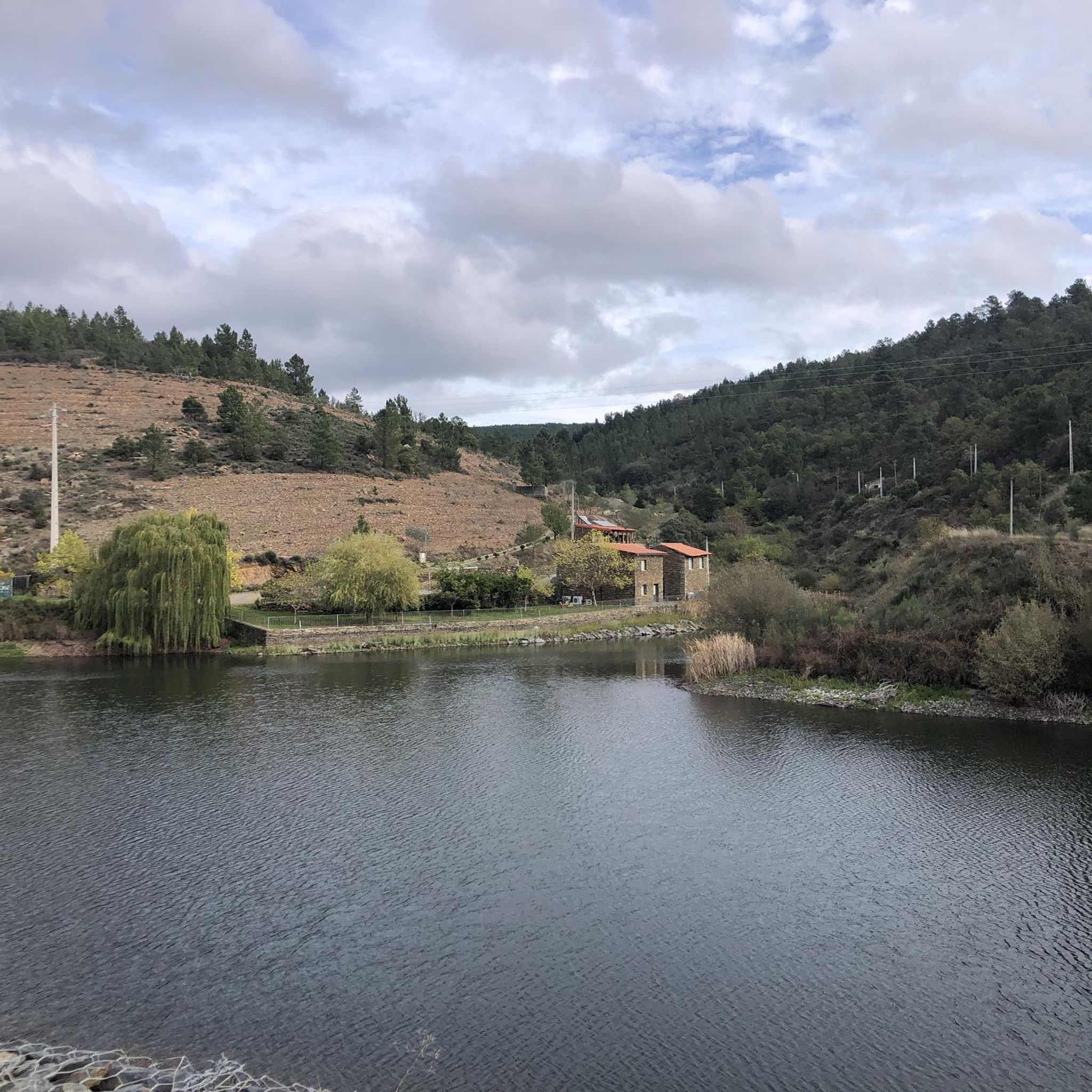
The Ponte de Santa bridge stretches over the Ribeira do Mosteiro. Beneath it, amidst the whispering water and the gentle warmth of the sun, you can rest on one of the large stone slabs that are spread out there, as if they were made to welcome travelers in need of rest. The scenery around you is pure enchantment: the schist slopes are torn apart by impressive quartzite outcrops that burst from the earth, erected in almost sculptural forms, a geological spectacle that is as intriguing as it is beautiful.
2
0
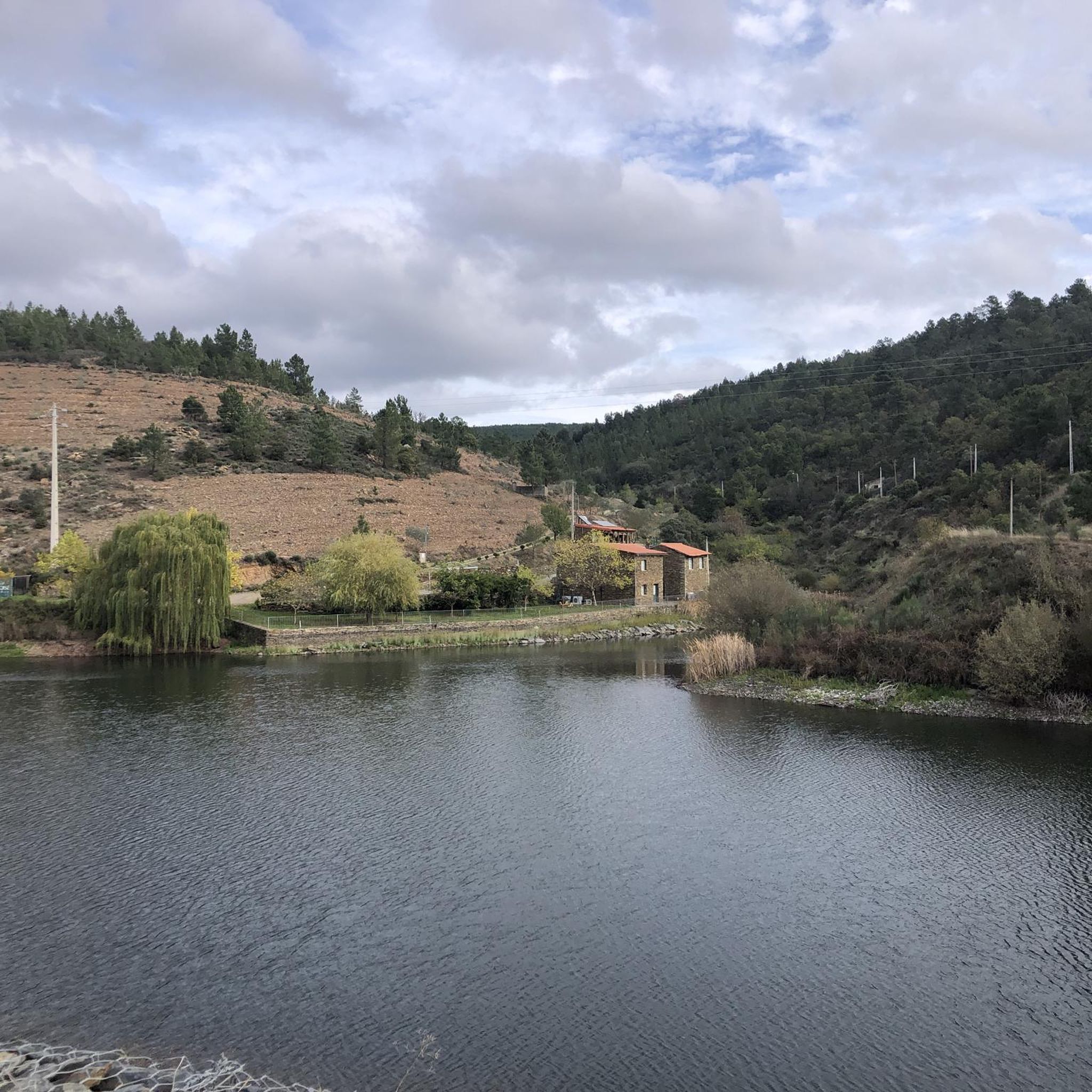
This place holds ancient memories, with remains dating back to the Bronze Age, with fragments of pottery that reveal human presence since ancient times. But the story did not end there: occupation extended into the Iron Age and continued during Roman rule. The ancient defensive walls of Castro de São Paulo, now almost gone, were worn down by time or transformed into terraces by the hands of farmers who, over the centuries, shaped the landscape to suit their needs.
3
0
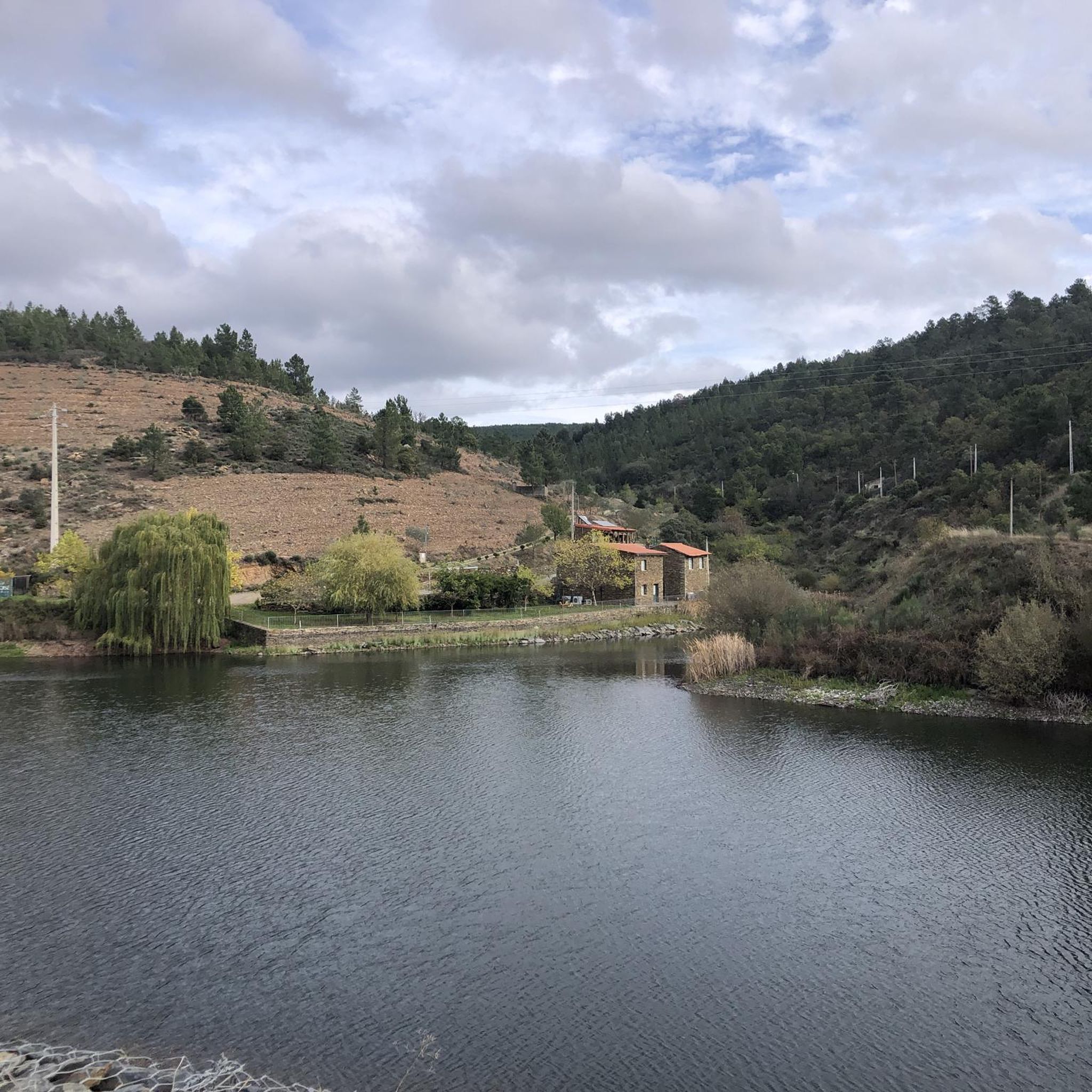
The Embarcadero de La Barca is located in Vilvestre, Salamanca, and is a starting point for boat trips along the Duero River. From here, the boats take routes that allow you to enjoy the impressive landscapes of the Duero Internacional and Arribes del Duero Natural Parks. These trips usually last around an hour and a half and offer the opportunity to observe the rich flora and fauna of the region, including birds of prey such as the golden eagle and the griffon vulture. In addition, the route allows you to contemplate the natural beauty of the cliffs and the Mediterranean microclimate of the area. 😊
6
0

Hinojosa de Duero is a municipality in the province of Salamanca located in the Arribes del Duero Natural Park. Beautiful viewpoints, fountains, waterfalls and hermitages are located a few meters from the urban area.
1
0
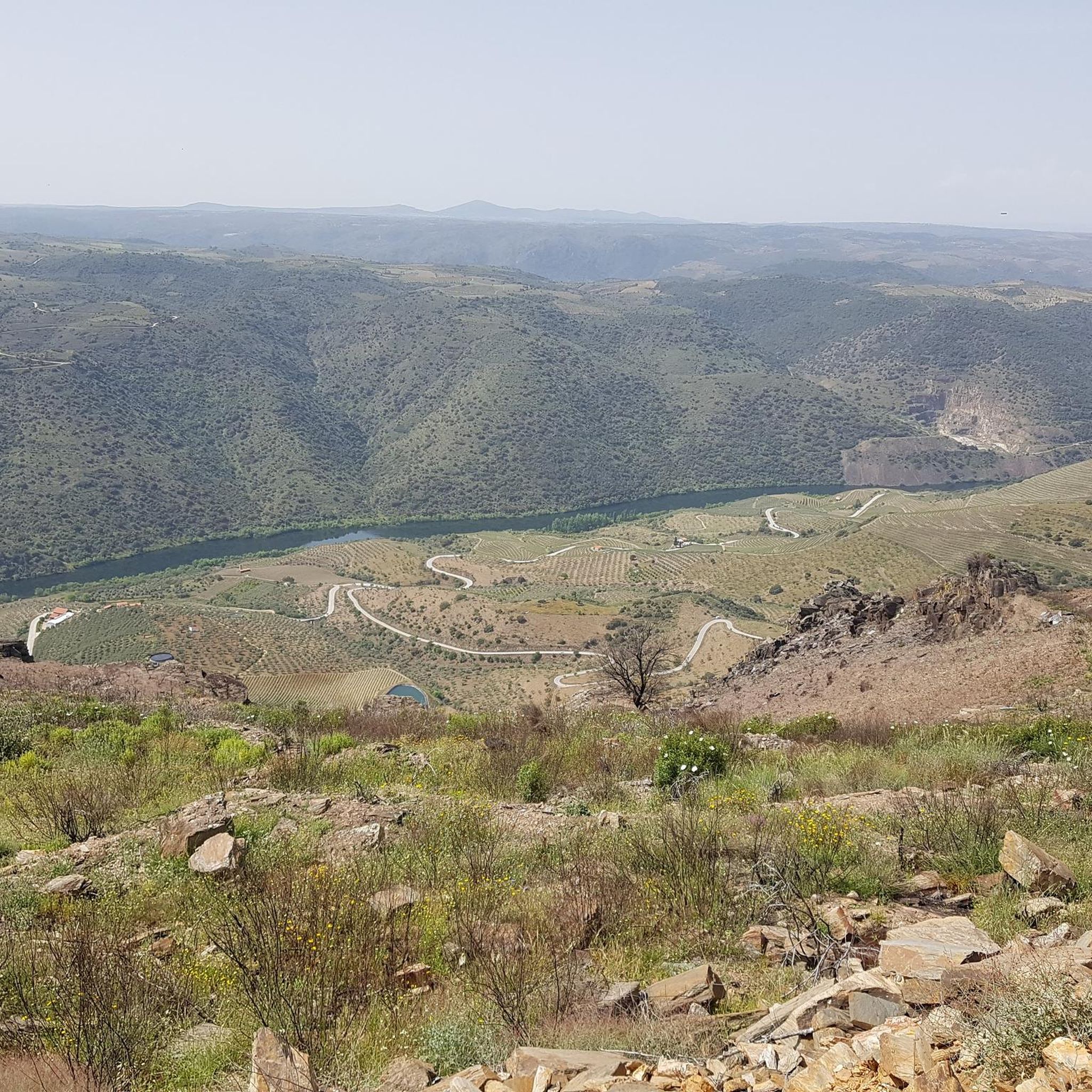
View of the Duero from the viewpoint of the Castillo de Vilvestre, Salamanca province, Castilla y León, Spain. The other side of the river belongs to Portugal.
9
0
Frequently Asked Questions
What natural features can I explore around Freixo de Espada à Cinta e Mazouco?
The region is characterized by the dramatic river landscapes of the Douro International Natural Park, featuring deeply embedded valleys with steep, granite banks known as "arribas." You can also see impressive quartzite outcrops and schist slopes, particularly around the Ponte de Santa over the Ribeira do Mosteiro. The landscape transitions from a plateau to an open valley, supporting diverse ecosystems.
Are there any notable viewpoints in the area to appreciate the scenery?
Yes, the rugged terrain offers numerous panoramic viewpoints. Key ones include Penedo Durão, Assumadouro, Carrascalinho, and Colado. The Saucelle Viewpoint also provides beautiful views of the Duero River and the Saucelle reservoir. From Hinojosa de Duero, you can access viewpoints like Peña La Vela and Mirador del Contrabando.
What historical or archaeological sites are there to visit?
The region is rich in history. You can visit the Castro de São Paulo, an archaeological site with remains from the Bronze Age, Iron Age, and Roman rule. Additionally, the Mazouco Rock Engravings, featuring the famous "Cavalo do Mazouco," offer a glimpse into Paleolithic art and human presence thousands of years ago.
What kind of wildlife can be spotted in the Douro International Natural Park?
The Douro International Natural Park is vital for its rich biodiversity, especially its avifauna. Birdwatchers can look for endangered species like the Egyptian vulture, as well as other birds of prey such as the golden eagle and the griffon vulture, particularly during boat trips from places like La Barca (jetty).
What outdoor activities can I do near these natural monuments?
The area is excellent for outdoor activities. You can enjoy cycling, mountain biking, and road cycling on various routes. For example, there are challenging cycling routes like the "Climb to Salto de Saucelle" or mountain biking trails such as "Mirador Peña de la Vela – circular desde Hinojosa de Duero." You can find more details on these activities in the cycling guide, MTB trails guide, and road cycling routes guide for Freixo de Espada à Cinta e Mazouco.
Are there family-friendly natural monuments or activities in the region?
Yes, several spots are suitable for families. The La Barca (jetty) offers boat trips along the Duero River, which are ideal for all ages to enjoy the landscapes and wildlife. The Saucelle Viewpoint is also easily accessible and provides beautiful views for the whole family. The Castro de São Paulo historical site can also be an engaging visit for families interested in ancient history.
What is the best time to visit Freixo de Espada à Cinta e Mazouco for natural monuments?
The region experiences diverse microclimates. Spring and autumn are generally ideal for visiting, offering pleasant temperatures for hiking, cycling, and exploring the viewpoints. These seasons also showcase the natural beauty of the Douro International Natural Park with vibrant flora or rich autumn colors.
Can I go hiking near the natural monuments?
Yes, the Douro International Natural Park offers numerous walking routes that allow you to explore its diverse landscapes and observe wildlife. Many of the viewpoints, such as Penedo Durão, are incorporated into these walking routes. While specific hiking trails are not detailed here, the region is well-suited for on-foot exploration.
What is unique about the geological formations in this area?
The geology of Freixo de Espada à Cinta e Mazouco is quite distinctive. The region is characterized by deeply embedded valleys with steep, often granite, banks known as "arribas." You can also observe impressive quartzite outcrops and schist slopes, particularly around the Ponte de Santa over the Ribeira do Mosteiro. The geological formations around Mazouco, including schist and metagraywacke rocks, date back approximately 500 million years.
What do visitors enjoy most about the natural monuments in Freixo de Espada à Cinta e Mazouco?
Visitors appreciate the stunning scenic views, especially from the numerous viewpoints overlooking the Douro River and its dramatic gorges. The blend of natural beauty with significant historical and archaeological sites, such as the Mazouco Rock Engravings and Castro de São Paulo, also makes the region a compelling destination for outdoor exploration and cultural discovery.
Are there any settlements or villages worth visiting near the natural monuments?
Yes, Hinojosa de Duero is a charming settlement located within the Arribes del Duero Natural Park, right on the border with Portugal. It offers cultural sites like the Church of San Pedro and various natural viewpoints overlooking the Duero River, making it an ideal destination for rural tourism, nature, and gastronomy.
Most popular routes around Freixo de Espada à Cinta e Mazouco
Most popular attractions around Freixo de Espada à Cinta e Mazouco

Get inspired with the komoot mobile app


Explore more
Extend your search for the best caves by checking out these guides of the top ones around Freixo de Espada à Cinta e Mazouco:
