Top 8 Natural Monuments around Baçal
Best natural monuments around Baçal are situated within the wider municipality of Bragança, a region known for its natural beauty, particularly the Montesinho Natural Park. Baçal's landscape features open plains used for farming, set within this significant natural area. The Montesinho Natural Park, established in 1979, spans over 74,000 hectares, safeguarding distinct natural and cultural elements. This area offers diverse landscapes, ranging from forests and woods to granite mountains, with elevations varying over 1,000 meters.
Best natural monuments around Baçal
…Last updated: June 29, 2026
European chestnut (Castanea sativa)
Highlight • Natural Monument
Translated by Google •
Tip by

Weir and Boardwalk of the Rio Onor
Highlight • River
Translated by Google •
Tip by

Sign up now to discover places like this
Get recommendations on the best single tracks, peaks, & plenty of other exciting outdoor places.
Sign up for free
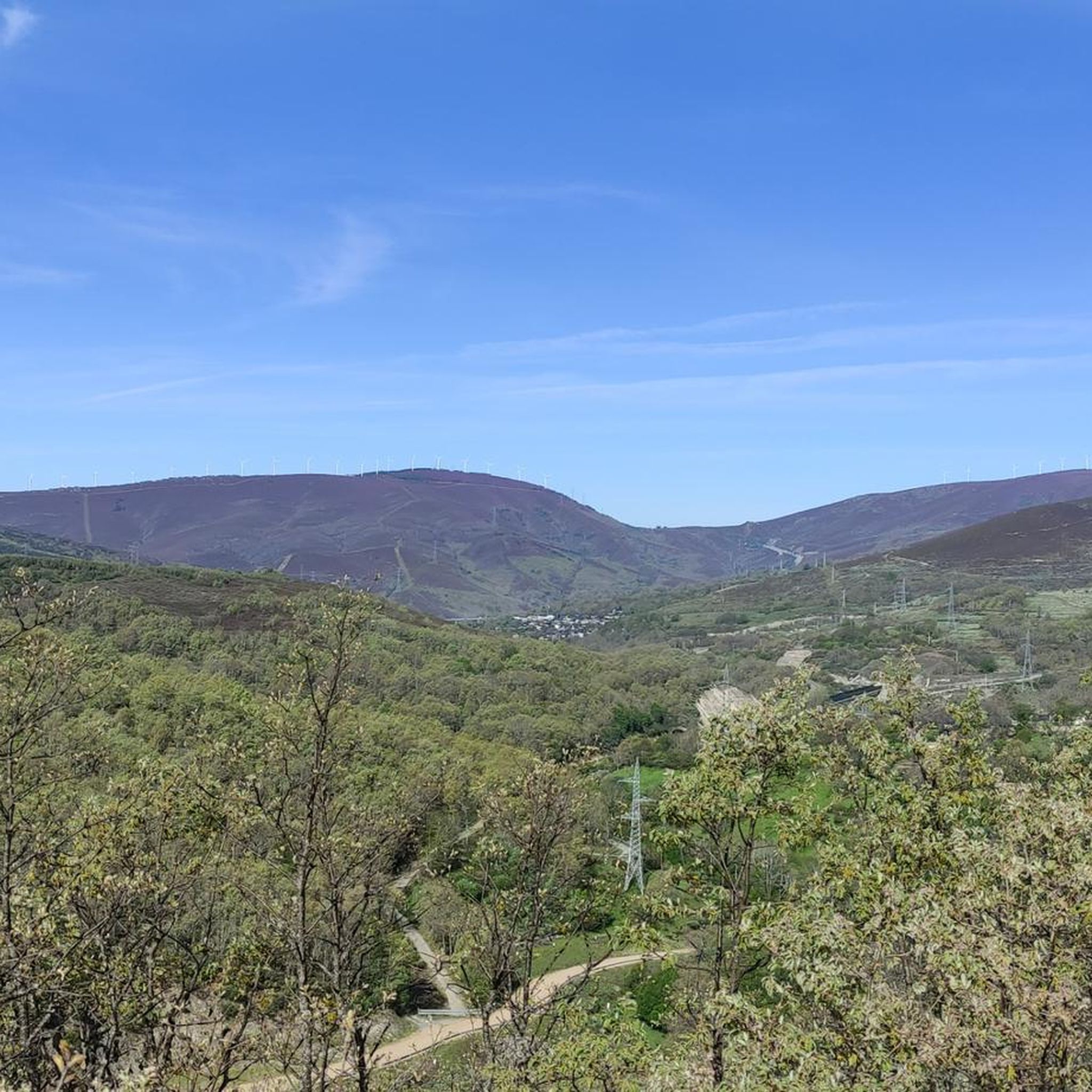
View of São Julião in the Montesinho Natural Park
Highlight • Viewpoint
Translated by Google •
Tip by

Centennial Pyrenean Oak (Carvalho-Negral)
Highlight • Natural Monument
Translated by Google •
Tip by
Along the Sabor River
Highlight (Segment) • River
Translated by Google •
Tip by
Sign up for free to discover even more natural monuments around Baçal.
Sign up for free
Already have an account?
Start today with a free account
Your next adventure awaits.
Login or Signup



Tips from the Community

The trail follows the banks of the River Onor until it takes you to a charming weir, or small dam, where you can cross the river with the water murmuring beneath your feet. An idyllic spot, where the landscape is dazzling and the sound of the stream soothes you.
2
0
As you walk along the trails of Rio de Onor, prepare to be surprised by a silent giant: a majestic, centuries-old Pyrenean oak, declared a Tree of Public Interest in 2012. Its grandeur is a sight to behold and invites you to contemplate.
1
0
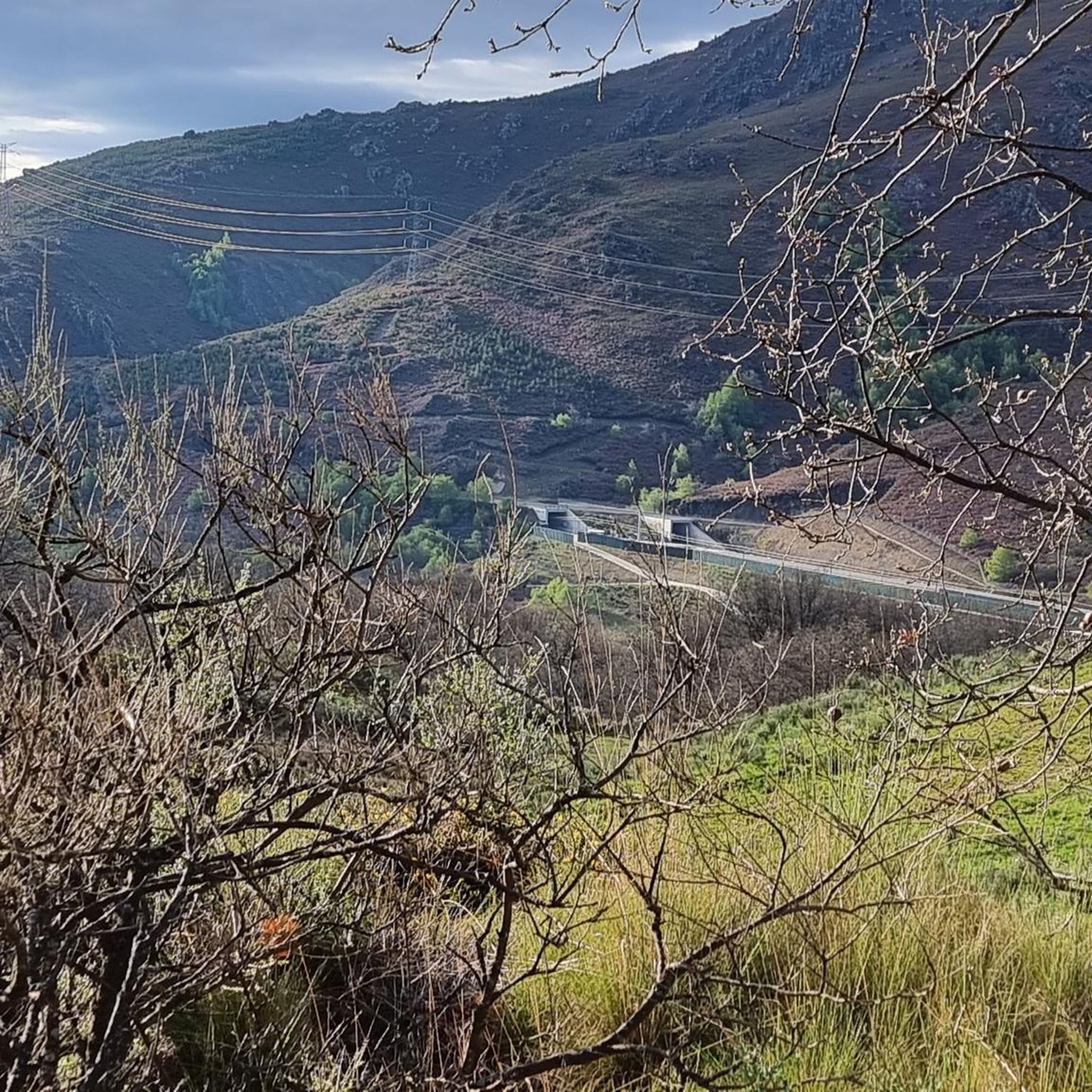
This dirt track winds alongside the Sabor River, which flows through a valley covered in green alder, ash and poplar trees. All around, immense cliffs rise up like natural walls, making you feel tiny amidst the grandeur of the landscape.
2
0

Considered the “bread tree” in the regions north of the Tagus, the chestnut tree was the staple food before the arrival of the potato and the main source of carbohydrates in the north of the Iberian Peninsula. This deciduous tree can grow up to 30 to 35 metres in height and reach diameters of up to 12 metres, although the trunk becomes hollow as the tree ages. It is very long-lived and can live for over a thousand years. The European chestnut tree (Castanea sativa Miller) belongs to the Castanea genus and the Fagaceae family, the same family that includes cork oaks and oaks in general. The genus includes 12 to 13 species, five of which are of Asian origin and seven of which are North American. The common chestnut tree is the only one native to Europe. This is a tree that managed to survive the last glacial period (Würms glaciation) in some parts of central and Mediterranean Europe and is currently found all over the world, including North and South America and Australia. Several studies indicate that the natural distribution of the European chestnut tree corresponds to these refuge zones, where it remained during the glacial events. These areas later served as starting points for the colonization of other regions, before humanity dedicated itself to cultivating the species. One of these refuges is located in the Picos de Europa region and another between the south of Galicia and the north of Portugal, which is why the chestnut tree is considered an indigenous or native species of our country. The chestnut tree grows well in temperate climates and the ideal conditions for its development are found in places with average temperature and humidity, where rainfall reaches at least 600 mm per year – more than 100 mm in the summer. It is, however, sensitive to late frosts and very low temperatures. It prefers soils at least 50 cm deep, loose and rich in nutrients, slightly acidic (pH between 4.5 and 6.5) and not calcareous. Although it can grow in less suitable conditions, it develops and produces best in coastal or mountainous areas, at medium altitude, with hot and humid summers and mild winters.
2
0

at the exit of Saint-Juliao take the direction quintanilha on a tarmac road with the formidable landscape very little traffic of beautiful descents will enchant your walk.
0
0
Frequently Asked Questions
What natural features can I expect to see around Baçal?
The region around Baçal, particularly within the Montesinho Natural Park, offers diverse landscapes. You can find forests of oak and chestnut, granite mountains, and river features. Notable natural monuments include the ancient European chestnut (Castanea sativa), which can live for over a thousand years, and the scenic Weir and Boardwalk of the Rio Onor.
What kind of views can I find in the natural monuments near Baçal?
The area boasts several viewpoints offering expansive vistas. The View of the Montesinho Hills provides broad views of the Montesinho Natural Park, which spans approximately 75,000 hectares and includes the Serra do Montesinho with a peak at 1,486 meters. Another excellent spot is the View of São Julião in the Montesinho Natural Park.
What makes the Montesinho Natural Park a significant natural monument?
The Montesinho Natural Park, established in 1979, is a prominent natural monument spanning over 74,000 hectares. It's dedicated to safeguarding the distinct natural and cultural elements of the region, featuring diverse landscapes from forests to granite mountains and a rich biodiversity, including about 80% of Portugal's mammal species.
Are there any unique cultural or historical aspects associated with the natural monuments in this region?
Yes, the Montesinho Natural Park preserves traditional mountain agricultural landscapes and cultural heritage. The village of Rio de Onor, partly in Portugal and Spain, is a notable example within the park, characterized by its well-preserved dark schist houses with wooden balconies, showcasing traditional architecture and community life.
What is the best time of year to visit the natural monuments around Baçal?
The Montesinho Natural Park, where many natural monuments are located, offers diverse experiences throughout the year. For hiking and enjoying the landscapes, spring and autumn generally provide pleasant temperatures and vibrant scenery. Summer is ideal for enjoying river beaches, such as those along the Onor River, while winter can offer a unique, tranquil experience, though some trails might be more challenging due to weather conditions.
Are there family-friendly natural monuments or trails near Baçal?
Many areas within the Montesinho Natural Park are suitable for families. The Weir and Boardwalk of the Rio Onor offers an idyllic spot with a charming weir where you can cross the river, providing a pleasant and accessible experience. For easy hikes, consider routes like 'The Portuguese Side of Rio de Onor (PR 11)' or 'Montesinho Natural Park – Montesinho village loop', which are listed as easy hikes around Baçal.
Can I bring my dog to the natural monuments and trails?
Generally, dogs are permitted on trails within natural parks like Montesinho, but it's always recommended to keep them on a leash to protect wildlife and ensure the safety of other visitors. Specific rules may apply in certain protected areas or near sensitive habitats, so check local signage.
What outdoor activities can I do near these natural monuments?
The region around Baçal and the Montesinho Natural Park offers various outdoor activities. You can enjoy hiking on trails like 'The Portuguese Side of Rio de Onor (PR 11)' or explore the park's diverse landscapes. Mountain biking and road cycling are also popular, with routes such as 'View of the Montesinho Hills – Montesinho Village loop' for MTB or 'Bragança Castle – Gimonde loop' for road cycling. You can find more details on these activities in the Easy hikes around Baçal, MTB Trails around Baçal, and Road Cycling Routes around Baçal guides.
Are there specific natural monuments related to rivers in the area?
Yes, the region features several river-related natural monuments. The Weir and Boardwalk of the Rio Onor is a charming spot where the trail follows the banks of the River Onor. Additionally, you can explore Along the Sabor River, a dirt track winding through a valley with green alder, ash, and poplar trees, surrounded by immense cliffs.
What kind of trees are considered natural monuments in this region?
The European chestnut (Castanea sativa) is a significant natural monument in the area. This deciduous tree is native to Europe, can reach heights of 30 to 35 meters, and is known for its longevity, often living for over a thousand years. It was historically a staple food in the region.
What kind of wildlife can be observed in the natural monuments around Baçal?
The Montesinho Natural Park is renowned for its rich biodiversity, hosting approximately 80% of Portugal's mammal species. Visitors might spot wild boar, red deer, and roe deer. The diverse forests also provide habitat for various bird species, making it an excellent location for wildlife observation.
Are there any hidden gems among the natural monuments near Baçal?
While not explicitly 'hidden,' the entire Montesinho Natural Park, with its vast and varied landscapes, offers many tranquil and less-traveled spots. Exploring the smaller villages within the park, like Rio de Onor, provides a glimpse into traditional life amidst stunning natural beauty, often away from more crowded tourist paths.
Most popular attractions around Baçal

Get inspired with the komoot mobile app


Explore more
Extend your search for the best caves by checking out these guides of the top ones around Baçal:
