Top 14 Natural Monuments around São Brás
Best natural monuments around São Brás feature a landscape shaped by volcanic activity and historical human interaction. This region offers a variety of geological formations, including volcanic vents and ancient pathways. Visitors can explore unique natural features and historical trails that reveal the area's past. The terrain presents diverse natural monuments, from geothermal sites to caves and old cart routes.
Best natural monuments around São Brás
- The most popular natural monuments is Sulphur Furnaces, a volcano that features sulphurous…
Last updated: June 29, 2026
Sulphur Furnaces
Highlight • Volcano
Tip by

Algar do Carvão Cave
Highlight • Cave
It is a volcanic vent that you climb into. The upper part …
Translated by Google •
Tip by

Sign up now to discover places like this
Get recommendations on the best single tracks, peaks, & plenty of other exciting outdoor places.
Sign up for free
Passagem das Bestas
Highlight (Segment) • Trail
Translated by Google •
Tip by

Wagon Wheels of the Primitivo Trail
Highlight • Historical Site
Translated by Google •
Tip by
Costa das Quatro Ribeiras Viewpoint
Highlight • Viewpoint
Translated by Google •
Tip by
Sign up for free to discover even more natural monuments around São Brás.
Sign up for free
Already have an account?
Start today with a free account
Your next adventure awaits.
Login or Signup
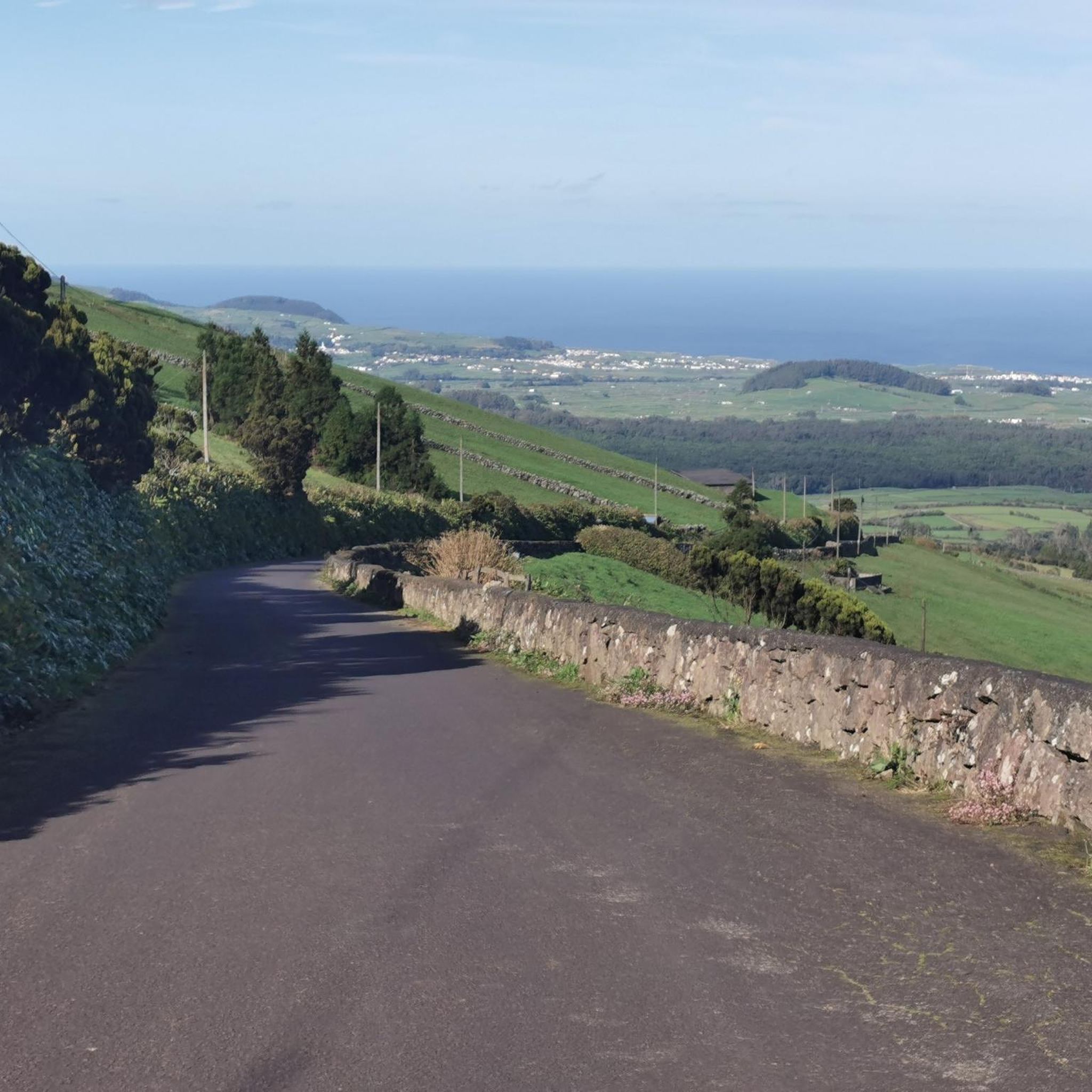
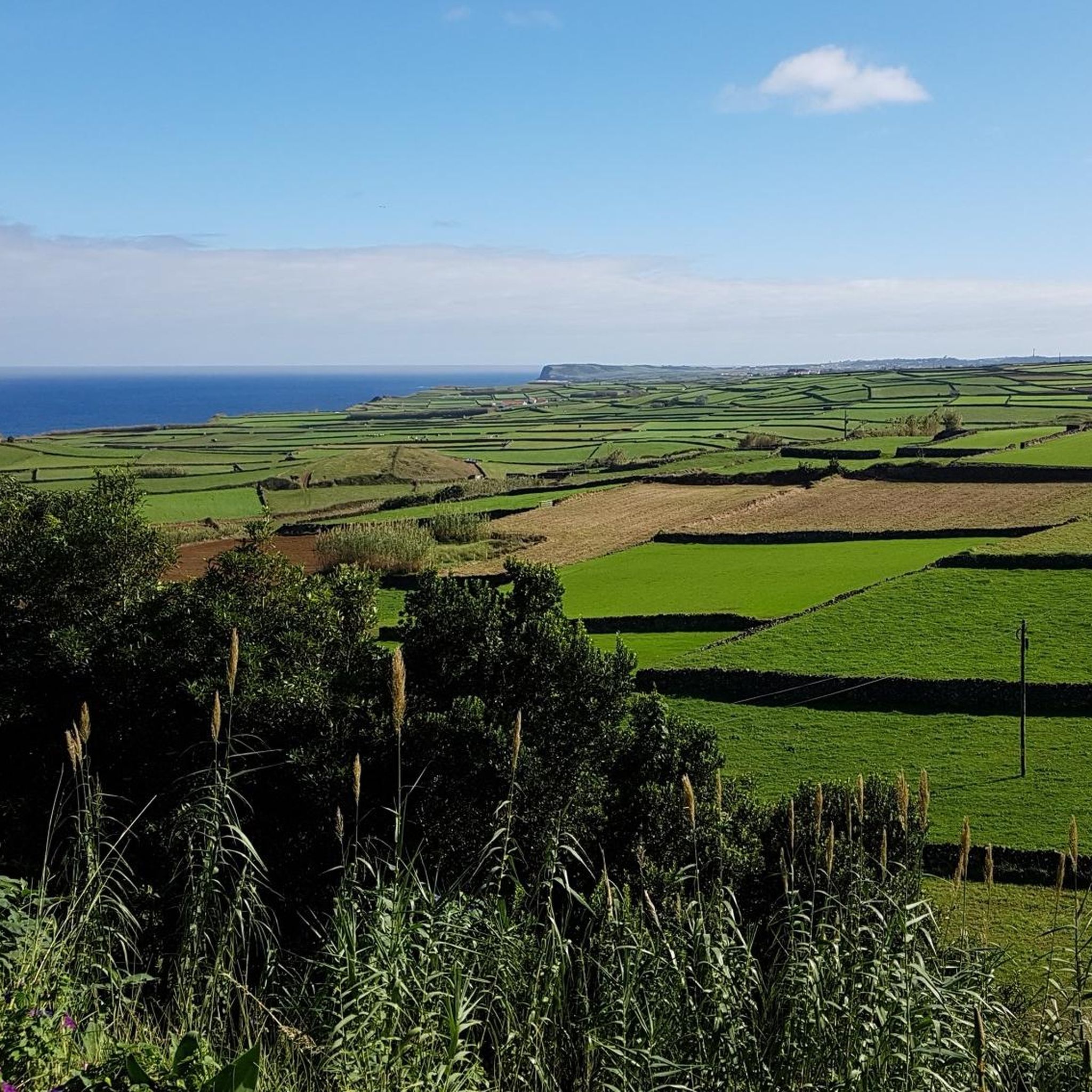
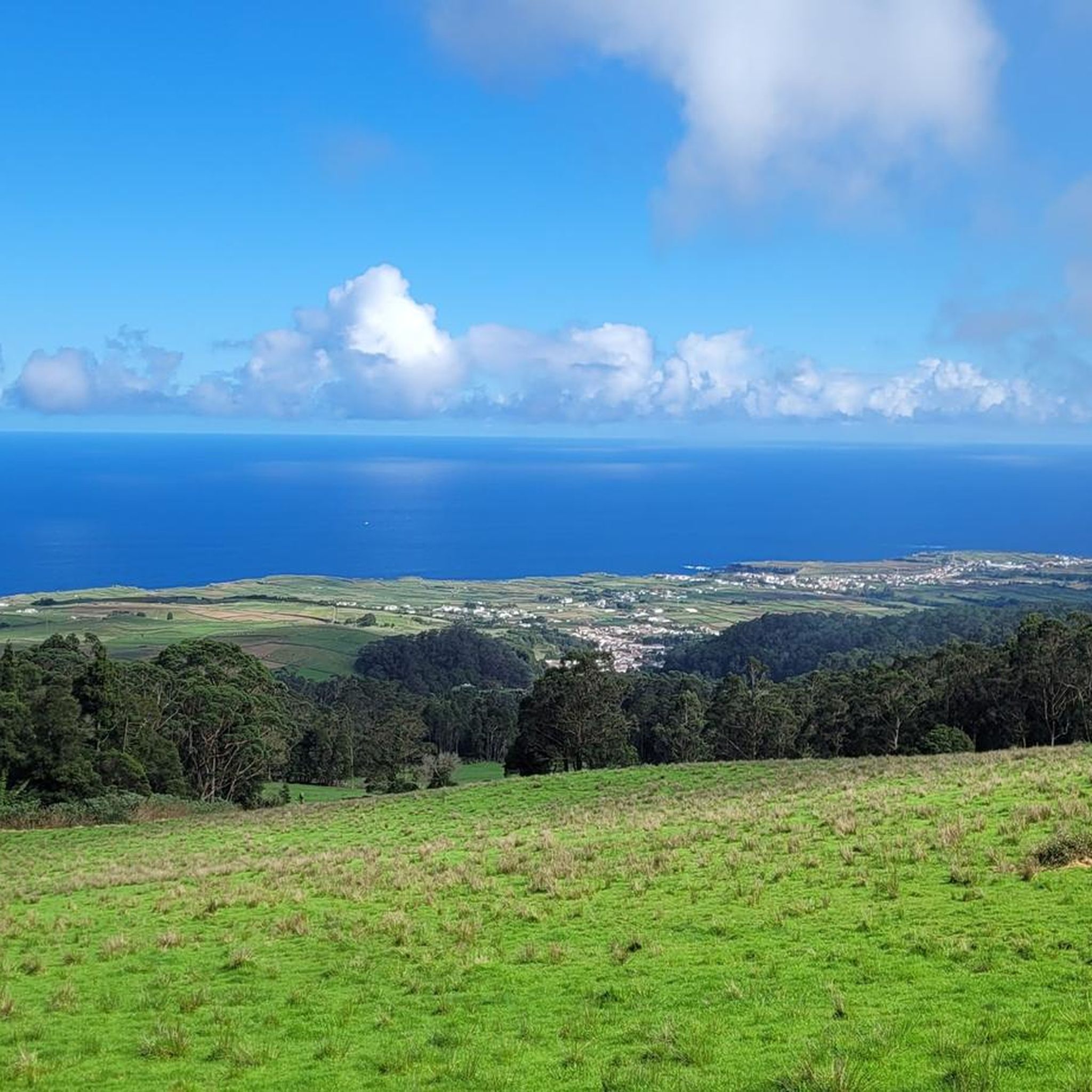
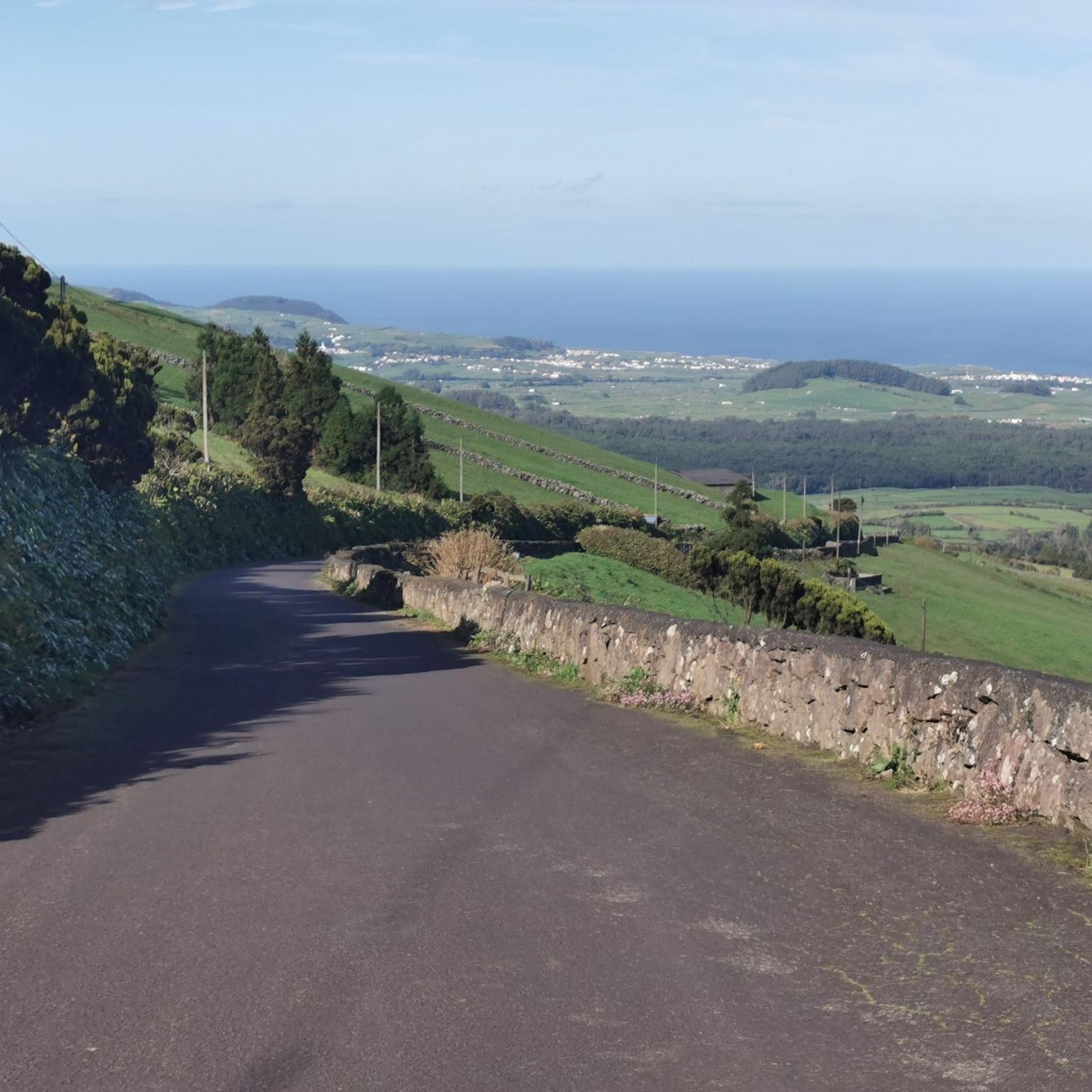
Tips from the Community

As of April 2026: The cave is largely closed due to construction work and only accessible with severe restrictions. Currently (until the end of May) only between 2 PM and 5 PM.
0
0

The trail is well marked. Some truly beautiful viewpoints!
0
0

It's a beautiful hike, but I'd classify it as moderately difficult. It's quite steep uphill at one point, and the paths are very uneven.
1
0

If you catch a nice day and it is not very busy, the short hike is an impressive experience - volcanism you can touch and smell. We were almost alone there and thought it was fantastic. It shouldn't rain though
1
0

Very cool historical artifact: the original wheels of one of the ox carts that marked the trail of the same name. The entrance to the route is exposed. It is not possible to travel on a road bike; Still, it's interesting to admire.
0
0
Very cool historical artifact: the original wheels of one of the ox carts that marked the trail of the same name. The entrance to the route is exposed.
1
0
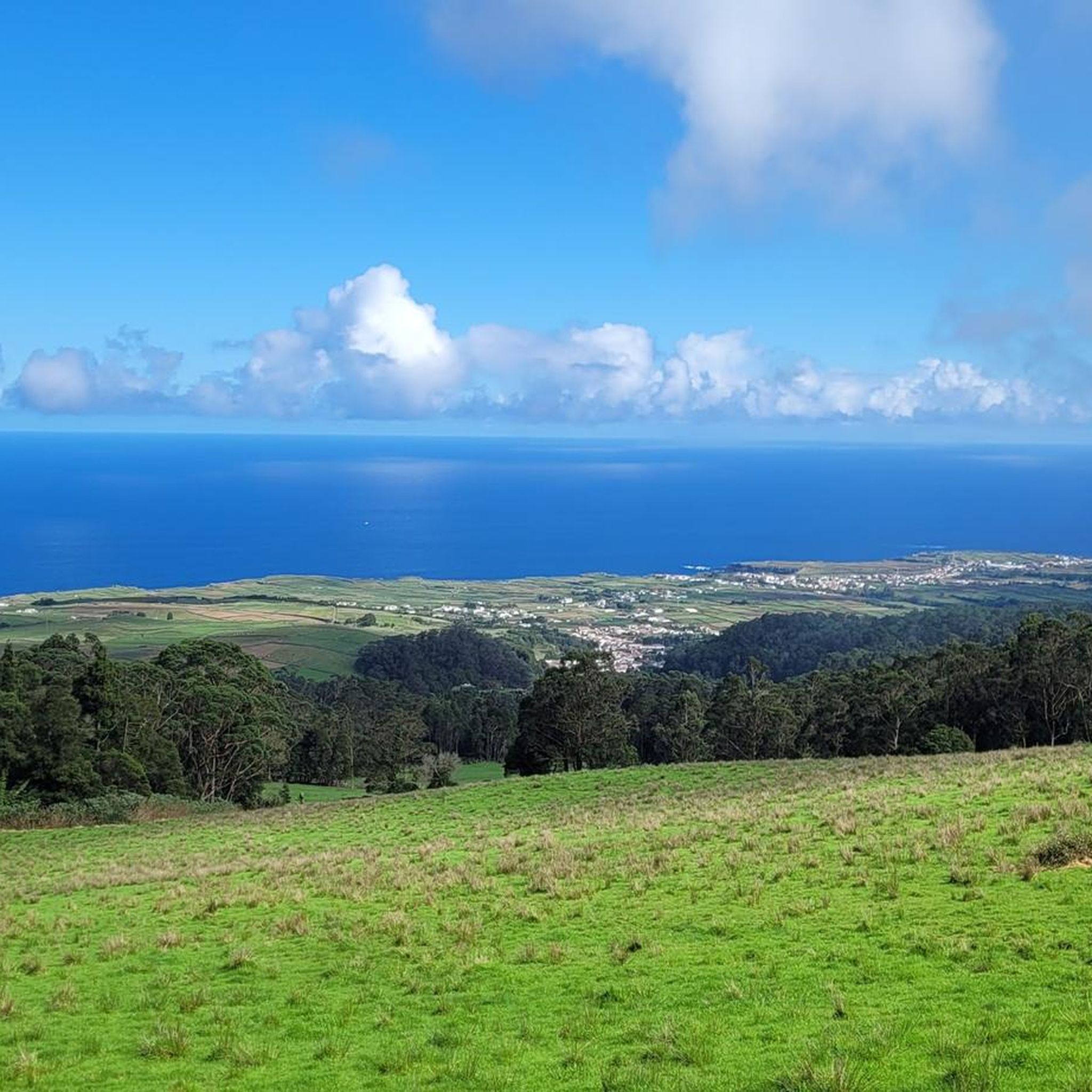
A place to contemplate the sea and remember who is in charge. The imposing waves carve the coast with volcanic rocks; content yourself with admiring the view from the unique viewpoint of the north coast of Terceira Island.
0
0
Passagem das Bestas is, as its name suggests, an old path followed by ox carts. The trail, immersed in nature, reveals traces still present from the cars that passed through here.
1
0
Frequently Asked Questions
What are some of the most unique natural monuments to explore around São Brás?
The São Brás area, particularly on Terceira Island, offers several unique natural monuments shaped by volcanic activity and historical human interaction. You can explore the Sulphur Furnaces, where you can observe sulphurous gases emanating from the ground, or venture into the Algar do Carvão Cave, a volcanic vent with impressive internal views. Additionally, discover historical pathways like Passagem das Bestas and the Relheiras of São Brás, which showcase ancient ox cart tracks.
What kind of natural features can I expect to see in the São Brás area?
The São Brás region is characterized by its volcanic origins. Visitors can expect to see active geothermal sites like the Sulphur Furnaces, impressive volcanic caves such as the Algar do Carvão Cave, and unique geological formations. The landscape also features ancient pathways and forests, providing a diverse natural experience.
Are there any historical or cultural natural monuments in the São Brás region?
Yes, the area around São Brás is rich in historical natural monuments. The Wagon Wheels of the Primitivo Trail are a cool historical artifact, showing the original wheels of ox carts that marked the trail. Similarly, Relheiras of São Brás are grooves in the rock caused by centuries of ox cart passages, serving as an open-air monument of cultural and natural importance.
What outdoor activities can I do near these natural monuments?
The natural monuments around São Brás are excellent starting points for various outdoor activities. You can find numerous hiking trails, such as the circular routes of Passagem das Bestas, Baías da Agualva, and Relheiras de São Brás. For mountain biking enthusiasts, there are routes like the Church of São Sebastião – Viewpoint of Serra do Cume loop. Cycling tours, including a Tour of Terceira Island, are also popular.
Are there family-friendly natural monuments around São Brás?
Absolutely! Several natural monuments in the São Brás area are suitable for families. The Sulphur Furnaces offer an engaging experience with display boards explaining the volcanic activity. The Wagon Wheels of the Primitivo Trail provide an interesting historical stop. Many trails, including parts of Passagem das Bestas, are considered family-friendly, offering a chance to explore nature together.
What is the best time to visit the natural monuments around São Brás?
The Azores generally have a mild climate year-round. However, for hiking and outdoor exploration of natural monuments, the spring (April to June) and early autumn (September to October) often offer the most pleasant weather with fewer crowds and lush landscapes. Summer can be warm and popular, while winter might bring more rain and wind.
What should I wear when visiting the natural monuments in São Brás?
Given the varied terrain and potential for volcanic activity or cave exploration, it's advisable to wear comfortable, sturdy walking shoes or hiking boots. Layers of clothing are recommended as weather can change, and a waterproof jacket is always a good idea. For places like the Algar do Carvão Cave, a light jacket might be useful due to cooler temperatures inside.
Are there viewpoints offering scenic vistas of the natural monuments?
Yes, many natural monuments in the São Brás area offer stunning viewpoints. The Sulphur Furnaces area itself provides a unique perspective on the island's volcanic landscape. While not explicitly listed as a viewpoint, the trails around these monuments often lead to elevated sections with picturesque views of the surrounding nature and coastline.
How long does it typically take to visit these natural monuments?
The duration of your visit depends on the specific monument and your level of exploration. For instance, a visit to the Sulphur Furnaces or the Algar do Carvão Cave might take 1-2 hours each, including time for observation and photography. Longer trails like Passagem das Bestas can take a few hours to complete, depending on your pace.
What do visitors enjoy most about the natural monuments around São Brás?
Visitors frequently praise the immersive experience of the natural monuments. They particularly enjoy breathing in the sulphurous gases at the Sulphur Furnaces, which offers a vivid reminder of the island's volcanic origins. The Algar do Carvão Cave is often described as 'very impressive' for its unique insight into the earth's interior. The historical significance of the ancient cart tracks like Passagem das Bestas and Relheiras of São Brás also captivates many.
Are there any specific permits required to visit the natural monuments?
Generally, no specific permits are required for visiting the natural monuments themselves, such as the Sulphur Furnaces or the Algar do Carvão Cave, though some may have entrance fees. For hiking trails, it's usually free to access, but always check local regulations or official park websites for any updates before your visit.
Can I bring my dog to the natural monuments and trails?
While many outdoor areas in the Azores are dog-friendly, it's always best to check specific rules for each natural monument or trail. For example, some protected areas or caves might have restrictions to protect wildlife or ensure visitor safety. Always keep your dog on a leash and clean up after them.
Are there any cafes or facilities near the natural monuments?
Facilities vary by location. Popular sites like the Sulphur Furnaces or the Algar do Carvão Cave often have visitor centers, restrooms, and sometimes small cafes or shops nearby. For more remote trails like Passagem das Bestas, facilities might be limited, so it's wise to bring your own water and snacks.
Most popular attractions around São Brás

Get inspired with the komoot mobile app


Explore more
Extend your search for the best caves by checking out these guides of the top ones around São Brás:
