Top 13 Natural Monuments around Lajes
Best natural monuments around Lajes are found across the volcanic islands of Pico and Terceira in the Azores. This region features unique geological formations, including towering volcanoes, extensive lava tubes, and coastal areas shaped by volcanic activity. The landscape also includes culturally significant sites like vineyard terraces and historical trails. These natural features offer diverse exploration opportunities.
Best natural monuments around Lajes
- The most popular natural monuments is Costa das Quatro Ribeiras Viewpoint, a viewpoint that offers views of…
Last updated: June 29, 2026
Algar do Carvão Cave
Highlight • Cave
It is a volcanic vent that you climb into. The upper part …
Translated by Google •
Tip by

Passagem das Bestas
Highlight (Segment) • Trail
Translated by Google •
Tip by

Sign up now to discover places like this
Get recommendations on the best single tracks, peaks, & plenty of other exciting outdoor places.
Sign up for free
Wagon Wheels of the Primitivo Trail
Highlight • Historical Site
Translated by Google •
Tip by
Costa das Quatro Ribeiras Viewpoint
Highlight • Viewpoint
Translated by Google •
Tip by
Ponta do Mistério
Highlight • Viewpoint
Translated by Google •
Tip by
Sign up for free to discover even more natural monuments around Lajes.
Sign up for free
Already have an account?
Start today with a free account
Your next adventure awaits.
Login or Signup


Tips from the Community

As of April 2026: The cave is largely closed due to construction work and only accessible with severe restrictions. Currently (until the end of May) only between 2 PM and 5 PM.
0
0

The trail is well marked. Some truly beautiful viewpoints!
0
0

It's a beautiful hike, but I'd classify it as moderately difficult. It's quite steep uphill at one point, and the paths are very uneven.
1
0

Very cool historical artifact: the original wheels of one of the ox carts that marked the trail of the same name. The entrance to the route is exposed. It is not possible to travel on a road bike; Still, it's interesting to admire.
0
0
Very cool historical artifact: the original wheels of one of the ox carts that marked the trail of the same name. The entrance to the route is exposed.
1
0
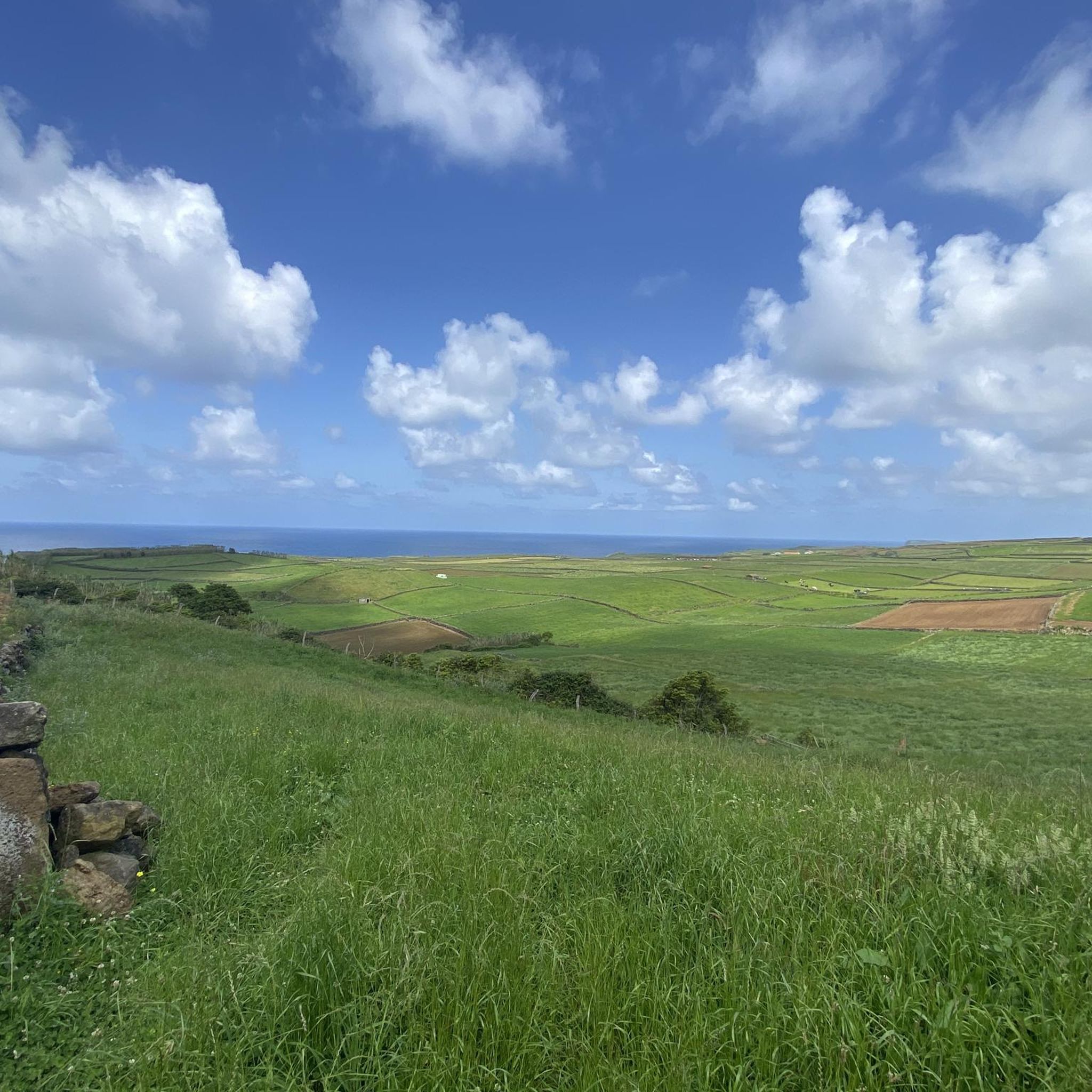
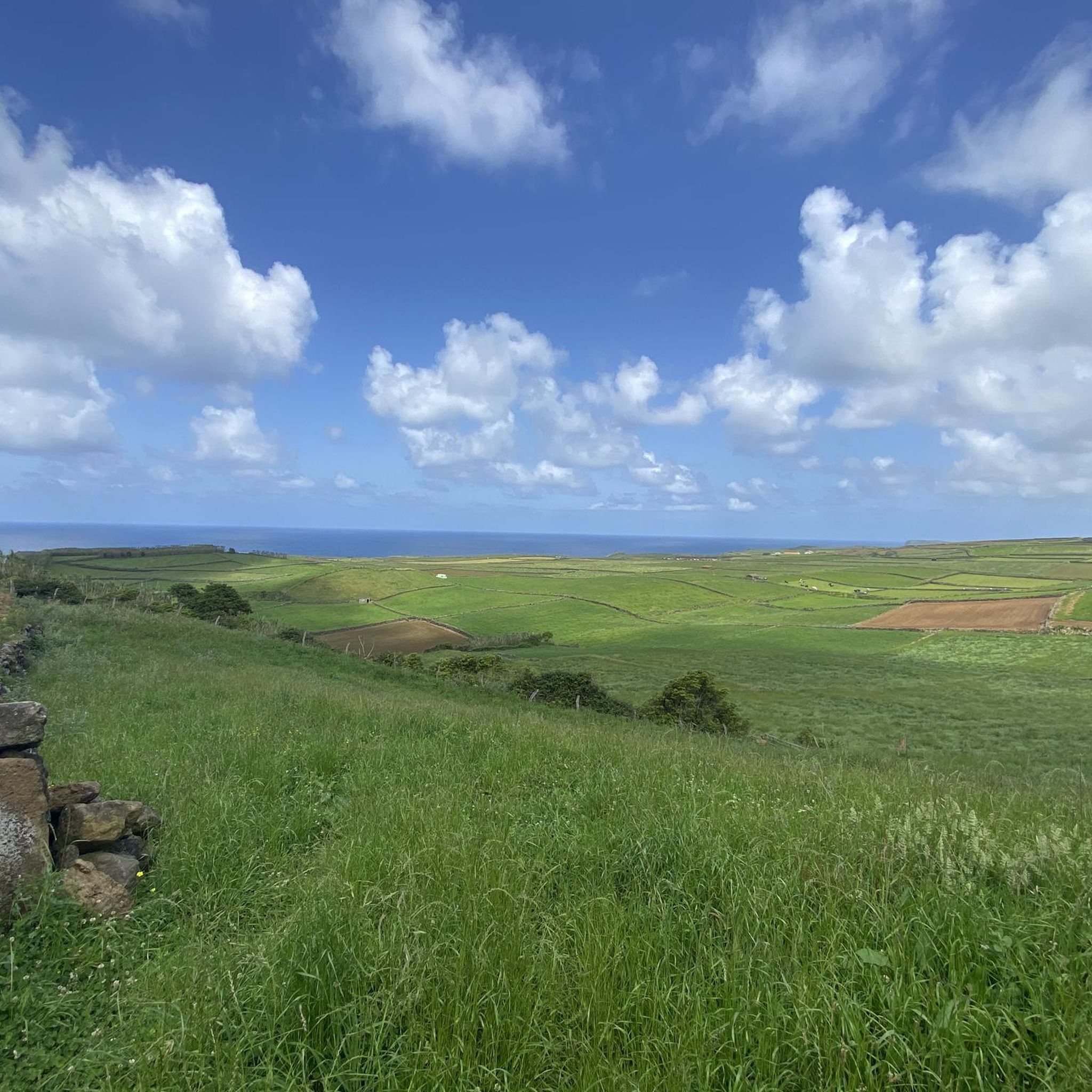
A place to contemplate the sea and remember who is in charge. The imposing waves carve the coast with volcanic rocks; content yourself with admiring the view from the unique viewpoint of the north coast of Terceira Island.
0
0
Little-known area of the Azores - and what is unknown is also beautiful. Simply incredible site that provides a unique view of the north coast of Terceira Island.
1
0
Passagem das Bestas is, as its name suggests, an old path followed by ox carts. The trail, immersed in nature, reveals traces still present from the cars that passed through here.
1
0
Frequently Asked Questions
What are some of the most popular natural monuments around Lajes?
Visitors frequently enjoy the unique geological formations and scenic spots. Highly rated natural monuments include the Costa das Quatro Ribeiras Viewpoint on Terceira Island, known for its dramatic coastal views. Another favorite is the Algar do Carvão Cave, where you can explore a volcanic vent. The Passagem das Bestas, an old trail immersed in nature, is also very popular.
What unique geological features can I explore near Lajes?
The Lajes area, spanning Pico and Terceira islands, is rich in volcanic geology. You can explore the impressive Algar do Carvão Cave, a volcanic chimney on Terceira, or delve into the extensive Gruta das Torres lava tube on Pico. Other features include the geothermal activity at Furnas do Enxofre and the natural swimming pools of Biscoitos, both on Terceira, formed by volcanic rock.
Are there family-friendly natural monuments to visit in the Lajes area?
Yes, several natural monuments are suitable for families. The Costa das Quatro Ribeiras Viewpoint offers safe and stunning coastal views. The Wagon Wheels of the Primitivo Trail is a historical site that can be interesting for children, offering a glimpse into the past. The Biscoitos Natural Pools on Terceira provide a safe and enjoyable environment for swimming in volcanic rock formations.
Can I find historical or cultural natural monuments around Lajes?
Absolutely. The region boasts a blend of natural and cultural heritage. On Pico Island, the UNESCO-listed Vineyard Culture Landscape showcases traditional viticulture within basalt stone walls. On Terceira, the Wagon Wheels of the Primitivo Trail and the Relheiras of São Brás are examples of historical trails marked by ox carts, offering a unique cultural insight into the island's past.
What kind of outdoor activities can I do near these natural monuments?
The Lajes area offers diverse outdoor activities. You can enjoy cycling tours, such as the 'Tour of Terceira Island' or 'Paúl da Praia da Vitória loop from Lajes,' which can be found in the Cycling around Lajes guide. For mountain biking, explore routes like 'Church of São Sebastião – Viewpoint of Serra do Cume loop' in the MTB Trails around Lajes guide. Hiking is also popular, with options like the 'Relheiras de São Brás — circular route' available in the Easy hikes around Lajes guide.
Are there easy hiking trails to natural monuments around Lajes?
Yes, there are several easy hiking options. The 'Relheiras de São Brás — circular route on Terceira Island (PRC 8 TER)' is an easy 5 km trail that takes you past the historical Relheiras of São Brás. Another easy option is the 'Impressive Cliffs loop from Área Protegida para a Gestão de Habitats ou Espécies da Costa das Quatro Ribeiras,' which is just over 3 km. You can find more easy hikes in the Easy hikes around Lajes guide.
Where can I find impressive viewpoints of the coast or landscape?
The region is dotted with spectacular viewpoints. On Terceira Island, the Costa das Quatro Ribeiras Viewpoint offers dramatic views of the volcanic coastline. Serra do Cume provides an iconic 'patchwork' landscape view of Terceira's interior and northern coast. On Pico Island, climbing Mount Pico offers unparalleled panoramic views of the entire island and neighboring Azores islands on clear days. Lagoa do Capitão also provides picturesque reflections of Mount Pico.
Are there any natural swimming spots or coastal attractions?
Yes, the Biscoitos Natural Pools on Terceira Island are a must-visit. These natural swimming pools are carved into volcanic rock formations, offering a unique and refreshing experience. The Lajes do Pico Coastal Area on Pico Island also features open lagoons, bays, and inlets, including the saltwater Lagoa de Cima and Lagoa da Maré, which are important for marine life.
What is the best time of year to visit the natural monuments around Lajes?
The Azores generally have a mild climate year-round. However, the best time to visit for outdoor activities and to fully enjoy the natural monuments is typically from late spring to early autumn (May to October). During these months, the weather is usually warmer and drier, making it ideal for hiking, exploring caves, and enjoying coastal areas. Clearer skies also enhance views from elevated points like Mount Pico or Serra do Cume.
Are any natural monuments around Lajes accessible for visitors with limited mobility?
While many natural monuments involve uneven terrain or steps, some viewpoints and coastal areas may offer better accessibility. The Costa das Quatro Ribeiras Viewpoint on Terceira Island is generally accessible, allowing visitors to enjoy the coastal scenery. For specific accessibility details, it's always recommended to check local information or contact visitor centers directly before your visit.
What are some less crowded natural attractions or 'hidden gems' near Lajes?
For a quieter experience, consider exploring the Lajes do Pico Coastal Area on Pico Island, which features marine abrasion platforms and is a significant spot for migratory birds. While popular, the Gruta das Torres lava tube on Pico offers guided tours that manage visitor numbers, providing a more intimate exploration of its underground wonders. Seeking out smaller, local trails, like those found in the Easy hikes around Lajes guide, can also lead to less crowded natural spots.
Can I bring my dog to the natural monuments around Lajes?
Policies for bringing dogs vary by specific location. While many outdoor trails and natural areas in the Azores are dog-friendly, some protected areas, caves, or indoor attractions may have restrictions. It's best to keep dogs on a leash and ensure you clean up after them. Always check specific regulations for each natural monument before visiting, especially for sites like the Algar do Carvão Cave or the Vineyard Culture Landscape.
What should I wear when visiting the natural monuments, especially for hiking?
Given the volcanic terrain and often changeable weather, it's advisable to wear comfortable, sturdy hiking shoes with good grip. Layers of clothing are recommended, as temperatures can vary, especially when climbing to higher elevations like Mount Pico or exploring caves. A waterproof jacket is also a good idea, as rain showers can occur. Don't forget sun protection, even on cloudy days.
Most popular routes around Lajes
Most popular attractions around Lajes

Get inspired with the komoot mobile app


Explore more
Extend your search for the best caves by checking out these guides of the top ones around Lajes:
