Top 20 Natural Monuments around Algarvia
Best natural monuments around Algarvia showcase a diverse landscape, from volcanic lakes and hot springs to waterfalls and forests. This region offers a variety of natural formations shaped by geological activity and erosion. Visitors can explore unique ecosystems and dramatic scenery. The area provides opportunities for observing natural phenomena and engaging with the environment.
Best natural monuments around Algarvia
- The most popular natural monuments is Prego Waterfall, a waterfall that offers a well-signposted hike. It is appreciated for its…
Last updated: June 29, 2026
Furnas Caldeiras (Hot Springs)
Highlight • Natural Monument
Translated by Google •
Tip by

Prego Waterfall
Highlight • Waterfall
Translated by Google •
Tip by

Sign up now to discover places like this
Get recommendations on the best single tracks, peaks, & plenty of other exciting outdoor places.
Sign up for free
Furnas Lake
Highlight • Lake
Translated by Google •
Tip by

Terra Nostra Thermal Pool
Highlight • Lake
Translated by Google •
Tip by

Blue Pool
Highlight • Lake
Translated by Google •
Tip by
Sign up for free to discover even more natural monuments around Algarvia.
Sign up for free
Already have an account?
Start today with a free account
Your next adventure awaits.
Login or Signup
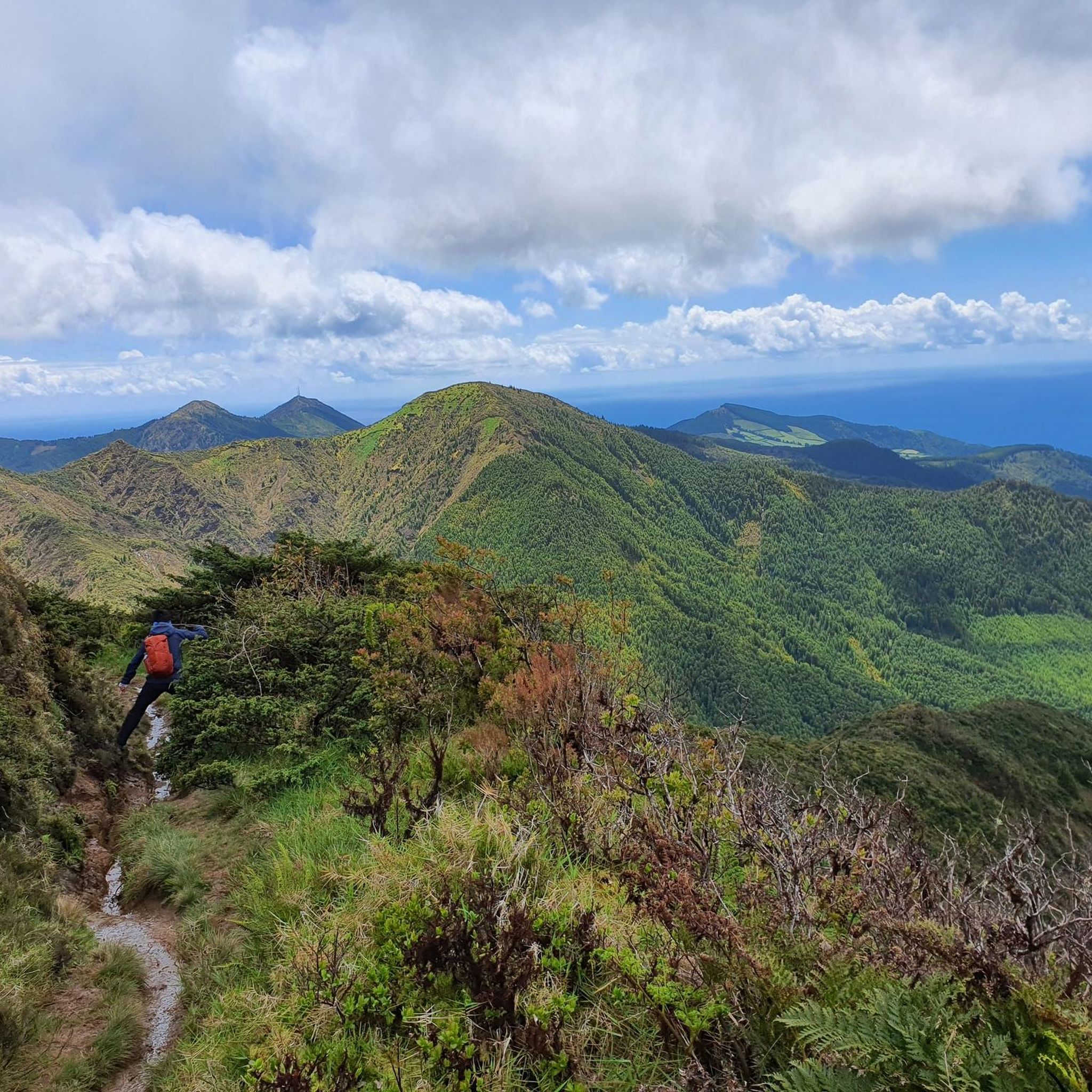
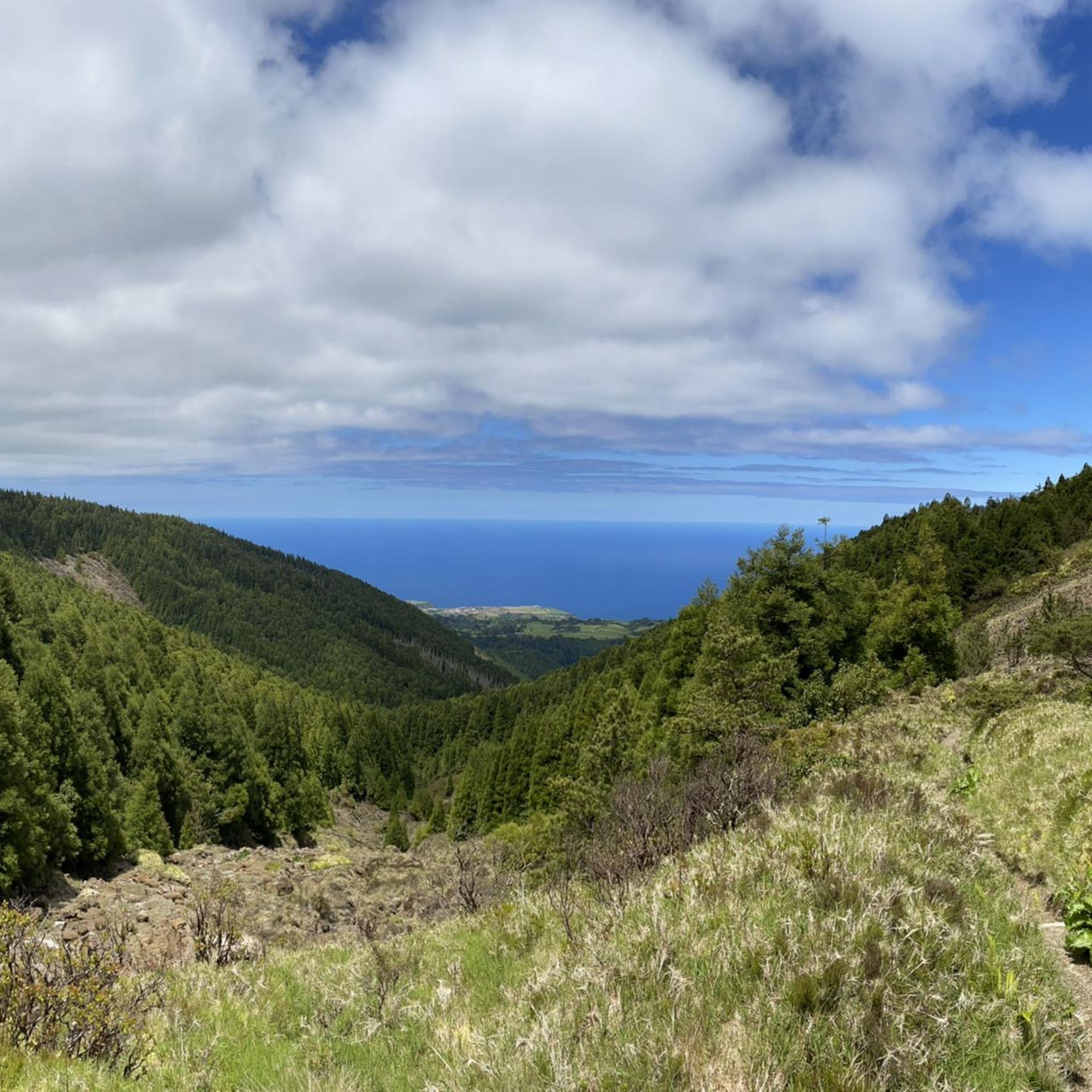
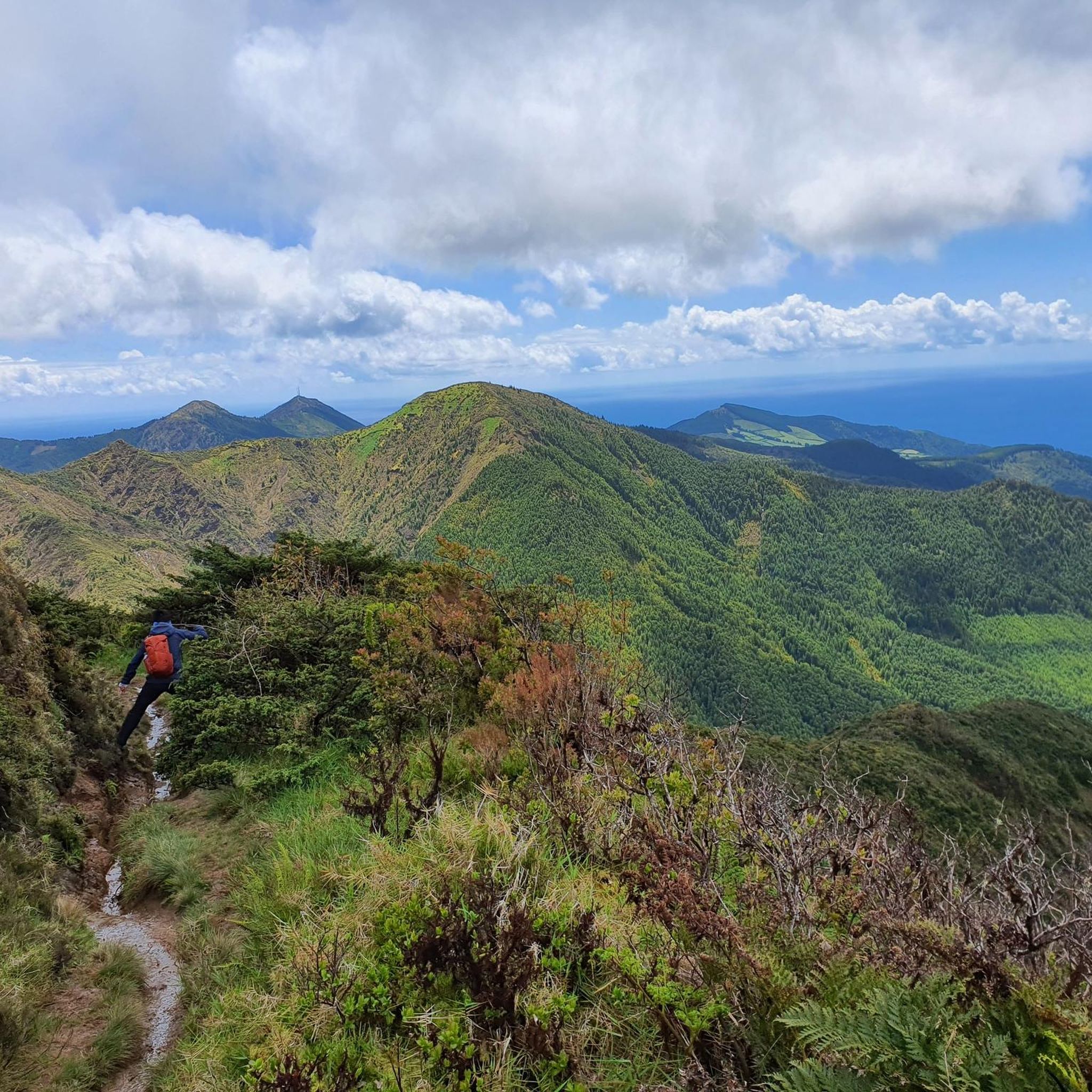
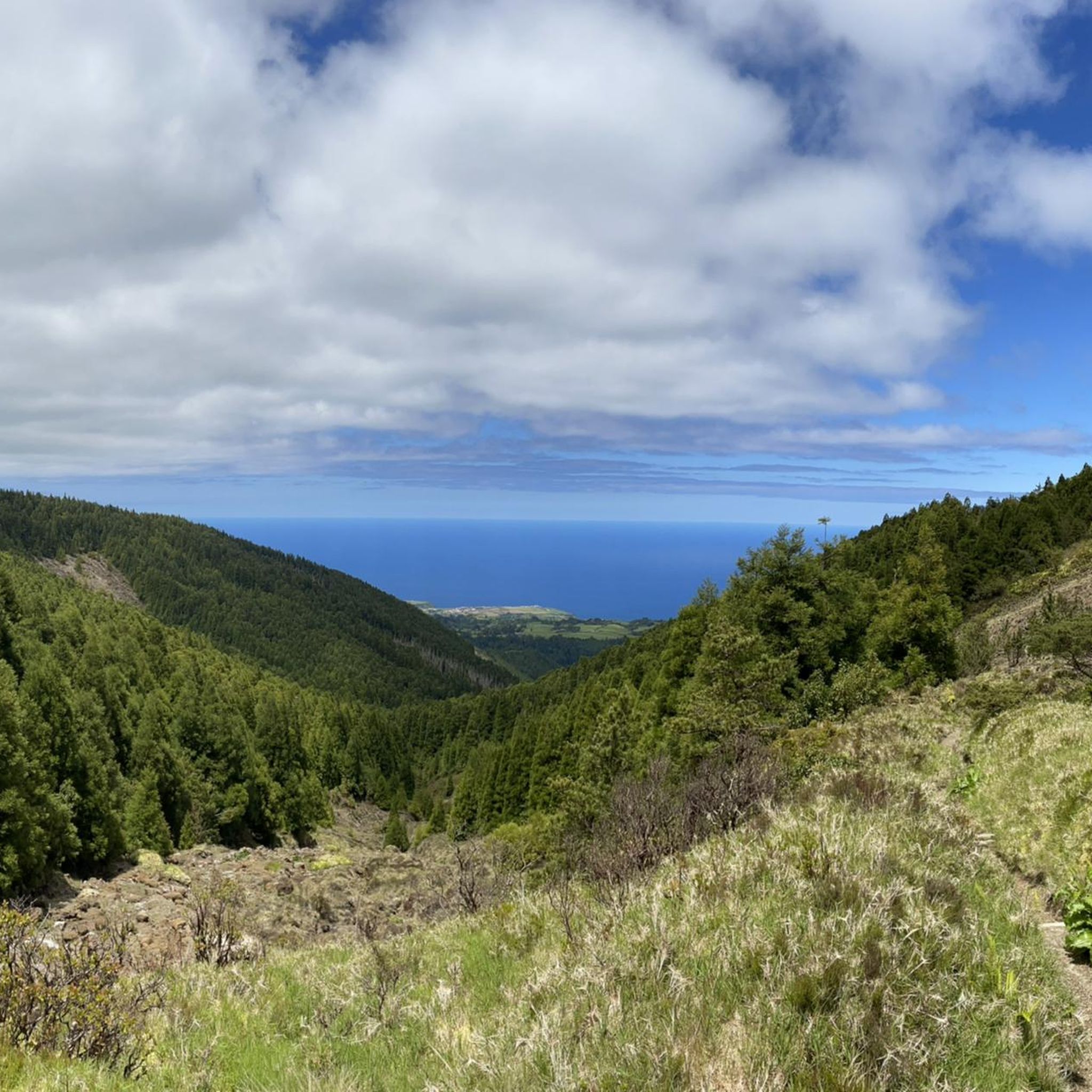
Tips from the Community

Proud entrance fees for visiting a park …
0
0

Crystal-clear, shimmering blue water. Opportunity for a short refreshment break.
1
0


I don't understand the warnings about the "intensely coloring water." Maybe on swimwear, but not on the skin. I liked it.
0
0


It smells a bit strongly of sulfur here. It's smoking and bubbling everywhere.
0
1
Frequently Asked Questions
What are some unique natural features to explore in Algarvia?
Algarvia offers a diverse range of natural features. You can explore dramatic coastal formations like the sea arches and grottos at Ponta da Piedade, or the unique interior of the Benagil Cave with its iconic 'eye' opening. Inland, discover geothermal activity at Furnas Caldeiras (Hot Springs) and the tranquil Furnas Lake, or the rich biodiversity of the Ria Formosa Natural Park with its labyrinth of canals and barrier islands.
Are there family-friendly natural monuments in Algarvia?
Yes, several natural monuments are suitable for families. Furnas Lake is known for its volcanic lagoon and offers a monitoring center for environmental education. The Terra Nostra Thermal Pool provides a unique bathing experience. Ria Formosa Natural Park is also great for families, offering boat trips and easy trails to explore its diverse ecosystem.
What outdoor activities can I do near Algarvia's natural monuments?
Near Algarvia's natural monuments, you can enjoy a variety of outdoor activities. Hiking is popular, especially on trails like the Seven Hanging Valleys Trail, or around Prego Waterfall. You can also find running trails, such as the Poço Azul route, and cycling routes like those around Furnas. For more adventurous options, explore MTB trails around Algarvia. Many coastal areas offer kayaking, paddleboarding, and boat tours, particularly around Ponta da Piedade and Benagil Cave.
What is the best time to visit Algarvia's natural monuments?
The best time to visit Algarvia's natural monuments is generally during the spring (April to June) and early autumn (September to October). During these periods, the weather is pleasant, ideal for hiking and exploring, and the crowds are typically smaller than in the peak summer months. This allows for a more comfortable and immersive experience.
Are there any natural monuments in Algarvia with historical significance?
Yes, Rocha da Pena, an inland rocky outcrop, features ancient stone walls dating back to the Iron Age and the Algar dos Mouros, one of the Algarve's largest karst galleries. The Southwest Alentejo and Vicentine Coast Natural Park also has a rich history tied to its traditional fishing communities and ancient migratory routes.
Can I swim in any of the natural monuments?
Yes, you can swim in several natural monuments. The Prego Waterfall is known for offering the opportunity to swim. The Blue Pool is described as an ideal setting for relaxation and swimming. Additionally, the Terra Nostra Thermal Pool provides a unique warm water bathing experience.
What kind of wildlife can I expect to see in Algarvia's natural parks?
Algarvia's natural parks are rich in wildlife. Ria Formosa Natural Park is a significant wetland for migratory birds, including flamingos and the purple swamphen, and hosts Europe's largest seahorse population. The Southwest Alentejo and Vicentine Coast Natural Park is a crucial migration point for birds of prey and storks, with over 750 plant species. Rocha da Pena is home to various birds of prey, small mammals, and bats.
Are there accessible natural monuments for visitors with mobility challenges in Algarvia?
While many natural monuments involve trails and uneven terrain, some areas offer easier access. The clifftops at Ponta da Piedade have well-maintained boardwalks for scenic walks, providing expansive views. For specific accessibility information, it's always recommended to check with local visitor centers or official park websites before your visit.
What do visitors enjoy most about Algarvia's natural monuments?
Visitors particularly enjoy the breathtaking panoramic views, unique geological formations, and the opportunity for immersive nature experiences. The bubbling and steaming hot springs at Furnas Caldeiras (Hot Springs) are found to be exciting, and the tranquility of places like the Blue Pool is highly appreciated. The diverse landscapes and opportunities for photography are also frequently highlighted.
Can I find accommodation or restaurants near Algarvia's natural monuments?
Yes, many natural monuments are located near towns or villages that offer accommodation and dining options. For example, Ponta da Piedade is near Lagos, and the Benagil Cave is close to the fishing town of Benagil. Areas around Furnas Lake and Caldeiras also have facilities. For remote areas like parts of the Southwest Alentejo and Vicentine Coast Natural Park, options might be more spread out, so planning ahead is advisable.
Are there any specific tips for visiting the Benagil Cave?
The Benagil Cave is accessible only by sea. Popular ways to enter and admire its grandeur include boat tours, kayaks, and paddleboards. It's a highly sought-after spot for photography, so consider visiting during off-peak hours for a less crowded experience. Always check sea conditions before planning your visit.
What should I wear when visiting natural monuments in Algarvia?
When visiting Algarvia's natural monuments, it's advisable to wear comfortable walking shoes, especially if you plan on hiking or exploring trails, as some can be slippery. Layers of clothing are recommended to adapt to changing weather conditions. If you plan to swim in thermal pools or waterfalls, bring appropriate swimwear, keeping in mind that the mineral-rich water at places like Terra Nostra Thermal Pool can stain light-colored fabrics.
Most popular attractions around Algarvia

Get inspired with the komoot mobile app


Explore more
Extend your search for the best caves by checking out these guides of the top ones around Algarvia:
