Top 20 Natural Monuments around Lajes Do Pico
Best natural monuments around Lajes Do Pico are found on Pico Island, an area shaped by volcanic origins and rich biodiversity. The region features diverse natural landscapes, including volcanic craters, dramatic coastal formations, and the highest peak in Portugal. These sites offer opportunities to observe the island's geology and unique ecosystems. Lajes Do Pico itself is built on a lava delta, showcasing the island's volcanic history.
Best natural monuments around Lajes Do Pico
- The most popular natural monument is Pico…
Last updated: June 29, 2026
Pico Mountain Summit
Highlight • Summit
Good condition necessary for the ascent.
Descent extremely impassable.
Translated by Google •
Tip by

Mountain House (Pico Mountain House)
Highlight • Rest Area
Translated by Google •
Tip by

Sign up now to discover places like this
Get recommendations on the best single tracks, peaks, & plenty of other exciting outdoor places.
Sign up for free
Terra Alta Viewpoint
Highlight • Viewpoint
Translated by Google •
Tip by
Captain's Lagoon
Highlight • Lake
Translated by Google •
Tip by
Convent of São Pedro de Alcântara and The Wishing Tree
Highlight • Religious Site
Translated by Google •
Tip by
Sign up for free to discover even more natural monuments around Lajes Do Pico.
Sign up for free
Already have an account?
Start today with a free account
Your next adventure awaits.
Login or Signup
Tips from the Community

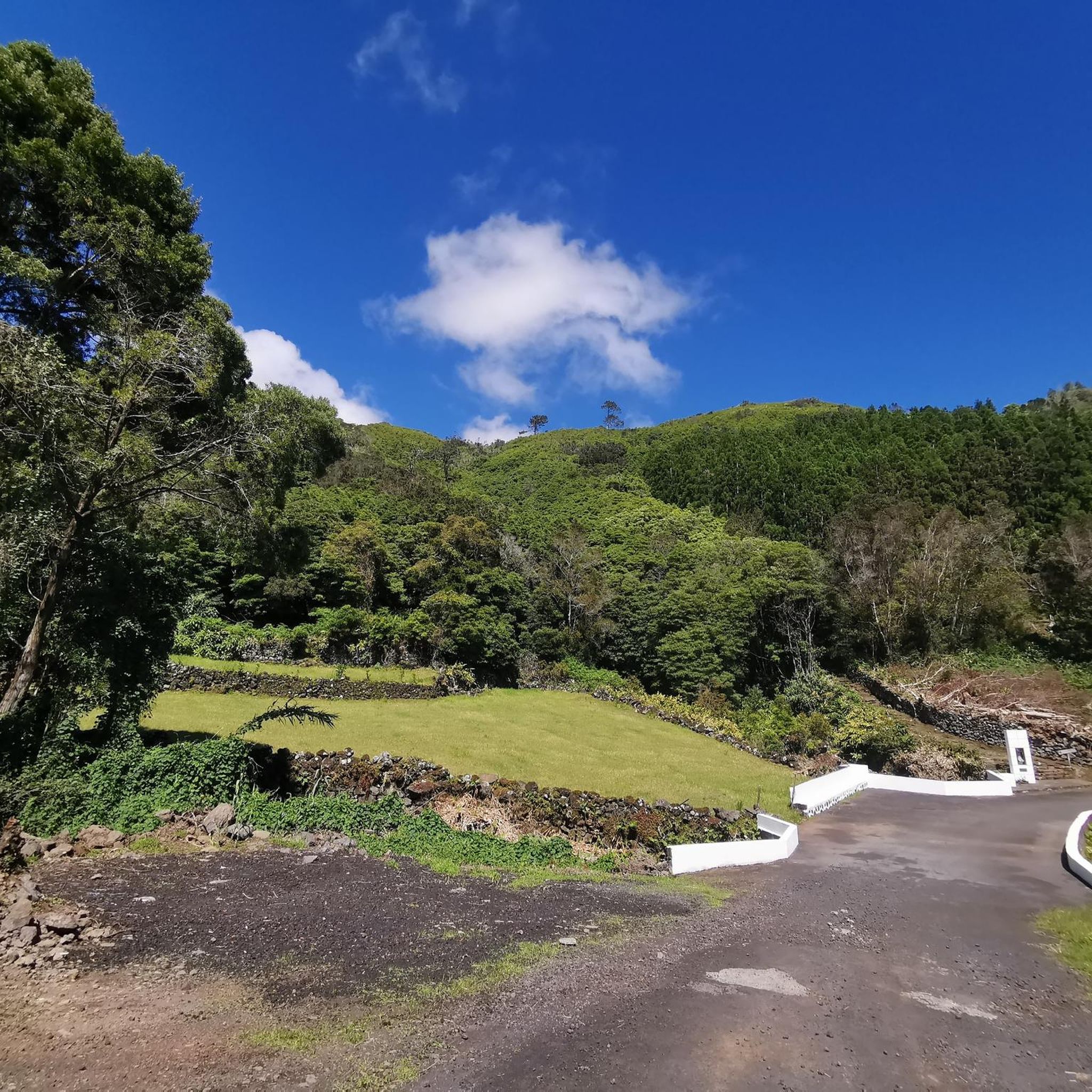
Close your eyes, make a wish, walk around the tree forward 3 times and backward 3 times, and then enjoy your wish fulfilled 🤗 (Be careful of the large roots and please don't fall while doing this 😱) Mighty tree that is a natural monument.
0
0

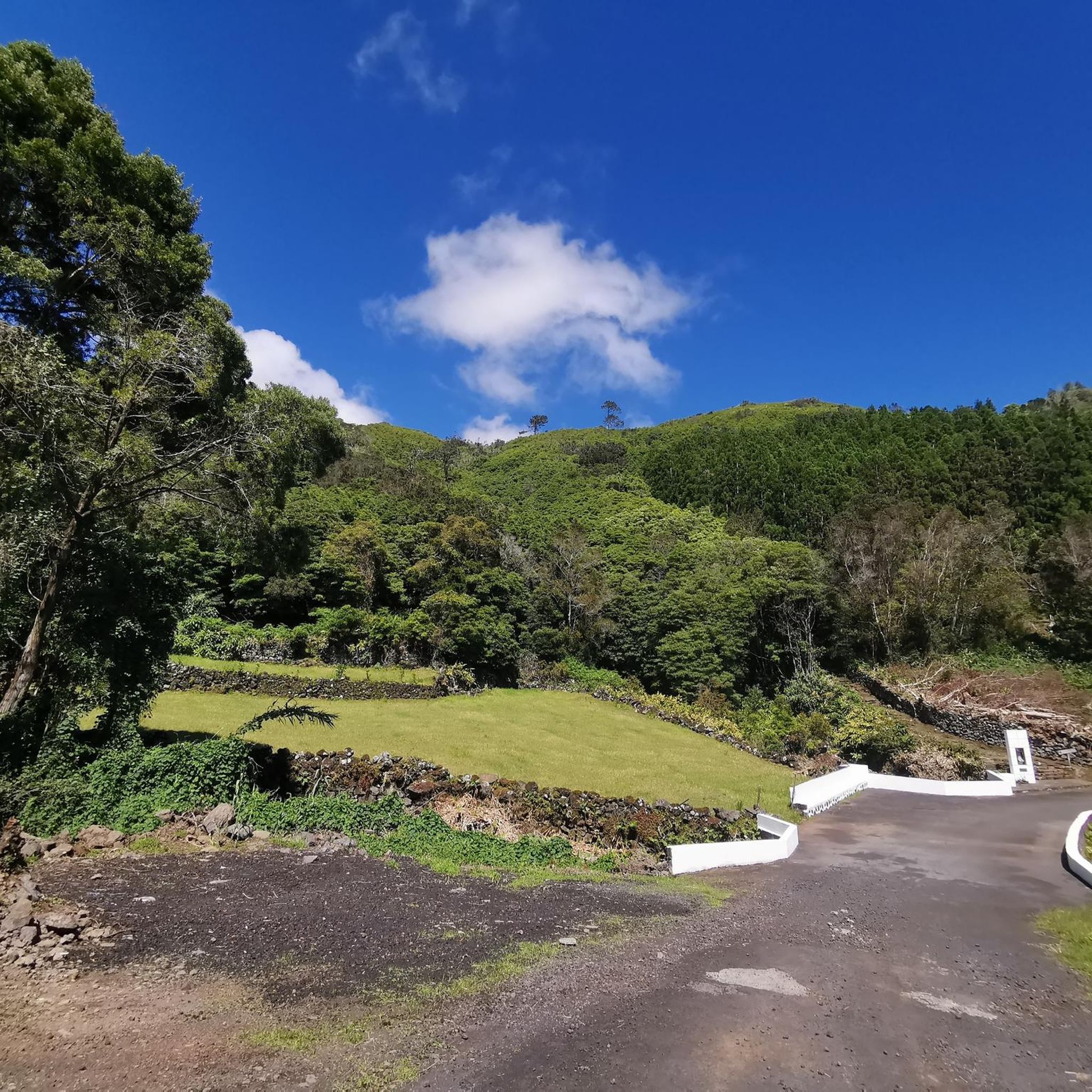
A bit of a shame to see, if you walk about 10 minutes further there is a beautiful view of the sea.
0
1

Cold and hot drinks! Ice cream! Enjoy!
0
0
It is the highest mountain in Portugal, the third highest mountain in the Atlantic, and on top of that, you can experience the heat emanating from a virtually extinct volcano at the summit!
1
0

Fascinating lagoon on Pico Island, reached by bus via ER 3-2, with parking nearby, or on foot via PR 13. At 826 meters above sea level, it offers views of unique fauna, as well as Pico Mountain ( which is typically surrounded by clouds).
0
0

Permission for the climb is necessary and can be applied for online, costs 25€ per person.
3
1

For those who are going to venture up Pico Mountain, Casa da Montanha is a mandatory stop. Its function is to register and control those who decide to venture towards the summit. A prior authorization request must be made. For those who just come to cycle, it is possible to find something to eat.
0
0
Mandatory stop before starting the climb to the top of Pico Mountain. Its function is to register and control those who decide to venture towards the peak. A prior authorization request must be made. There are educational panels on site and you can find something to eat as a snack.
1
0
Frequently Asked Questions
What diverse natural features can I explore around Lajes do Pico?
The region around Lajes do Pico, shaped by its volcanic origins, offers a variety of natural features. You can discover tranquil lagoons like Caiado Lagoon, which is the highest located on Pico Island and known for its biological interest. The coastline features dramatic formations such as Ponta da Queimada and Ponta do Arrife, showcasing the island's rugged beauty. Additionally, the Terra Alta Viewpoint provides panoramic views of forested landscapes characteristic of the Macaronesian Laurisilva forests.
Are there family-friendly natural monuments or activities near Lajes do Pico?
Yes, several natural monuments around Lajes do Pico are suitable for families. Captain's Lagoon is a beautiful spot offering views of unique fauna and Mount Pico, perfect for a leisurely visit. The Terra Alta Viewpoint is also family-friendly, providing stunning vistas and often serving as a starting point for easy walks. For a unique experience, the natural swimming pools along the coast, such as Poça das Mujas, offer safe and refreshing opportunities to swim in volcanic rock formations.
What is the best time of year to visit the natural monuments around Lajes do Pico?
The best time to visit the natural monuments around Lajes do Pico is generally during the warmer, drier months, typically from late spring to early autumn (May to October). During this period, the weather is more favorable for outdoor activities like hiking, whale watching, and exploring coastal areas. However, the island's natural beauty can be appreciated year-round, with each season offering a different perspective on its landscapes.
What kind of wildlife can I expect to see near Lajes do Pico's natural monuments?
Lajes do Pico is a prime location for wildlife observation, especially marine life. It's a renowned center for whale and dolphin watching, where you can embark on boat trips to see various species that reside in or pass through Azorean waters. The Lajes do Pico Protected Area, with its open lagoons like Lagoa de Cima and Lagoa da Maré, is also a crucial habitat and resting point for migratory birds from Europe and America, making it an excellent spot for birdwatching.
Where can I find impressive viewpoints to appreciate the landscape around Lajes do Pico?
For breathtaking panoramic views, the Terra Alta Viewpoint is an excellent choice. Situated atop a cliff, it offers spectacular vistas of Pico Island's forested landscapes and overlooks the Island of São Jorge. Another significant spot is the Fajã Lávica das Ribeiras Viewpoint, which provides compelling coastal scenery and insights into the island's volcanic history, formed by ancient lava flows.
Are there opportunities for hiking or running near the natural monuments?
Yes, there are numerous opportunities for hiking and running. For instance, you can explore trails around the lagoons, such as the 'Caminho das Lagoas' running route, which is a challenging 21 km path. For a moderate running experience, consider the 'Red Coastal Gravel Trail loop from Lajes do Pico' or the 'Moinho do Juncal – Church of the Holy Trinity loop from Lajes do Pico'. You can find more details on these and other routes in the Running Trails around Lajes Do Pico guide.
Can I go cycling near the natural monuments of Lajes do Pico?
Absolutely. The region offers various cycling routes that allow you to explore the natural monuments. For a challenging ride, consider the 'Lagoas do Capitão, Seca e do Caiado' circular route, which covers over 25 km. Another option is the 'Lagoons Trail', a difficult 36 km route. More cycling options, including road cycling, can be found in the Cycling around Lajes Do Pico guide and the Road Cycling Routes around Lajes Do Pico guide.
What is the São João Forest Reserve and what does it offer?
The São João Forest Reserve is a lovely green space near Lajes do Pico, considered one of the top tourist attractions for those seeking a peaceful immersion in nature. It offers visitors a chance to explore the great outdoors amidst lush vegetation, providing a serene environment away from the more dramatic volcanic landscapes.
What is the Lajes do Pico Protected Area known for?
The Lajes do Pico Protected Area is significant for its diverse natural features, including the largest marine abrasion platform of the Azores, open lagoons, bays, inlets, fossil cliffs, pebble beaches, and coastal sea-cliffs. It's a vital habitat and resting point for migratory birds and contains saltwater lagoons like Lagoa de Cima and Lagoa da Maré, which serve as important nurseries for fish species. The village itself is built on a lava delta, showcasing unique pahoehoe lava flows.
Are there any natural pools for swimming around Lajes do Pico?
Yes, the coastal areas around Lajes do Pico feature natural swimming pools formed by volcanic rock. These provide unique and refreshing opportunities to swim in clear Atlantic waters. An example is Poça das Mujas, located in Calheta de Nesquim, offering a distinctive swimming experience.
What should I know about visiting the Mountain House before climbing Mount Pico?
The Mountain House (Pico Mountain House) is a mandatory stop before starting the climb to the summit of Mount Pico. It serves as a registration and control point for climbers, and a prior authorization request is necessary. You'll find educational panels on site and can get snacks before your ascent. It's recommended to register in advance to streamline your visit.
What other lagoons can I visit on Pico Island besides Captain's Lagoon and Caiado Lagoon?
Beyond Captain's Lagoon and Caiado Lagoon, Pico Island features several other notable volcanic crater lagoons. These include Lagoa Seca, Lagoa da Rosada, and Lagoa do Peixinho. These lagoons are valuable for appreciating the island's endemic vegetation and its unique volcanic geology.
Most popular attractions around Lajes Do Pico

Get inspired with the komoot mobile app


Explore more
Extend your search for the best caves by checking out these guides of the top ones around Lajes Do Pico:
