Top 4 Natural Monuments around São Paio De Oleiros
Natural monuments around São Paio De Oleiros feature diverse coastal landscapes and significant natural attractions. The region, located in Santa Maria da Feira, Portugal, is characterized by dynamic dune systems, coastal natural parks, and protective forests. These areas offer unique ecosystems and opportunities for outdoor activities. Visitors can explore varied terrain, from flat coastal paths to more undulating sections further inland.
Best natural monuments around São Paio De Oleiros
- The most popular natural monuments is Aguda Dunes Park, a…
Last updated: June 29, 2026
Chapel of Senhor da Pedra (Chapel of the Lord of the Rock)
Highlight • Religious Site
Translated by Google •
Tip by

Senhor da Pedra Chapel
Highlight • Religious Site
Translated by Google •
Tip by

Sign up now to discover places like this
Get recommendations on the best single tracks, peaks, & plenty of other exciting outdoor places.
Sign up for free
Barrinha de Esmoriz Nature Reserve
Highlight • Lake
Wonderful circuit; to drive well with children. With beach access.
Translated by Google •
Tip by

Bridge over the Barrinha de Esmoriz
Highlight • Bridge
Translated by Google •
Tip by

Barrinha de Esmoriz Boardwalks
Highlight • Trail
Translated by Google •
Tip by

Sign up for free to discover even more natural monuments around São Paio De Oleiros.
Sign up for free
Already have an account?
Start today with a free account
Your next adventure awaits.
Login or Signup
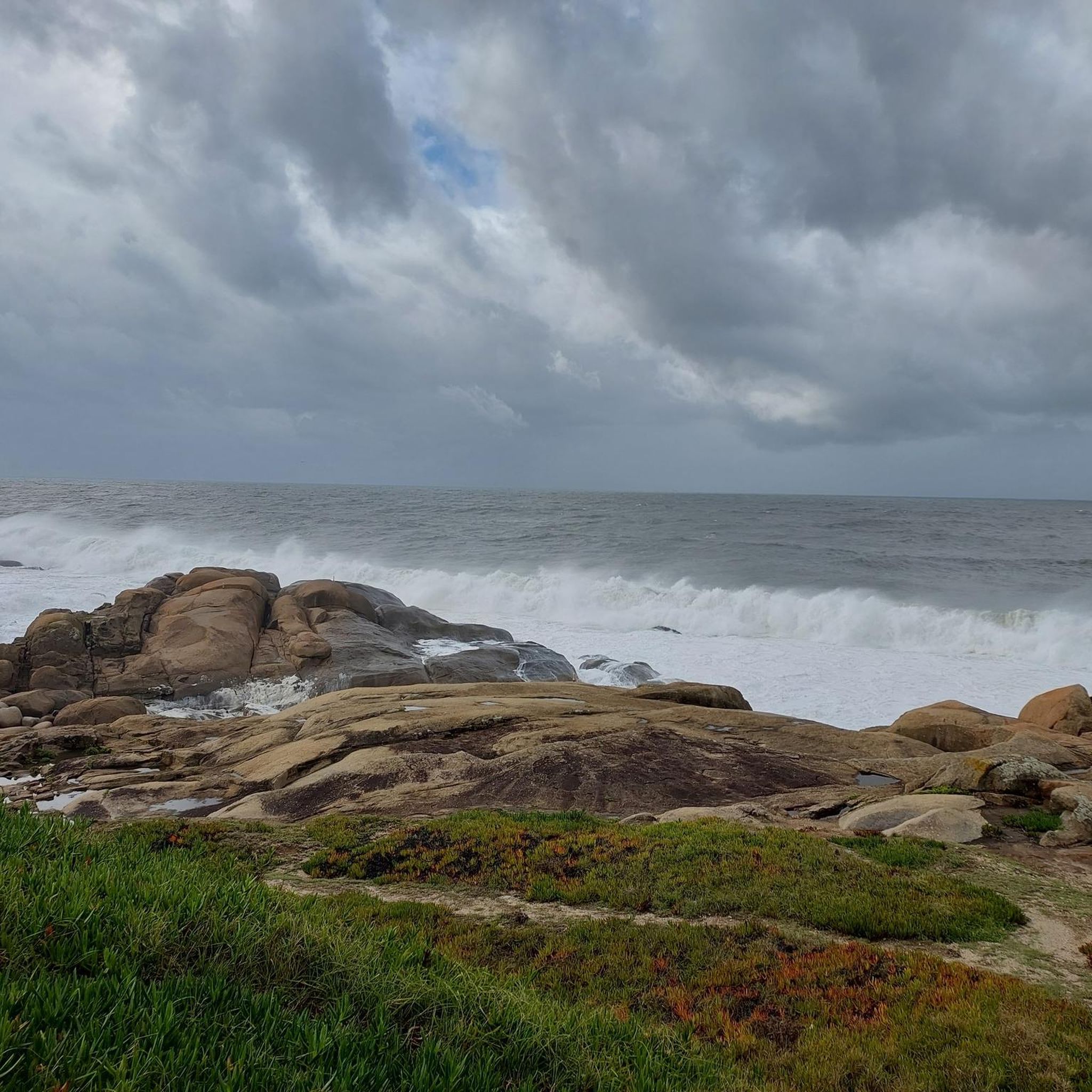

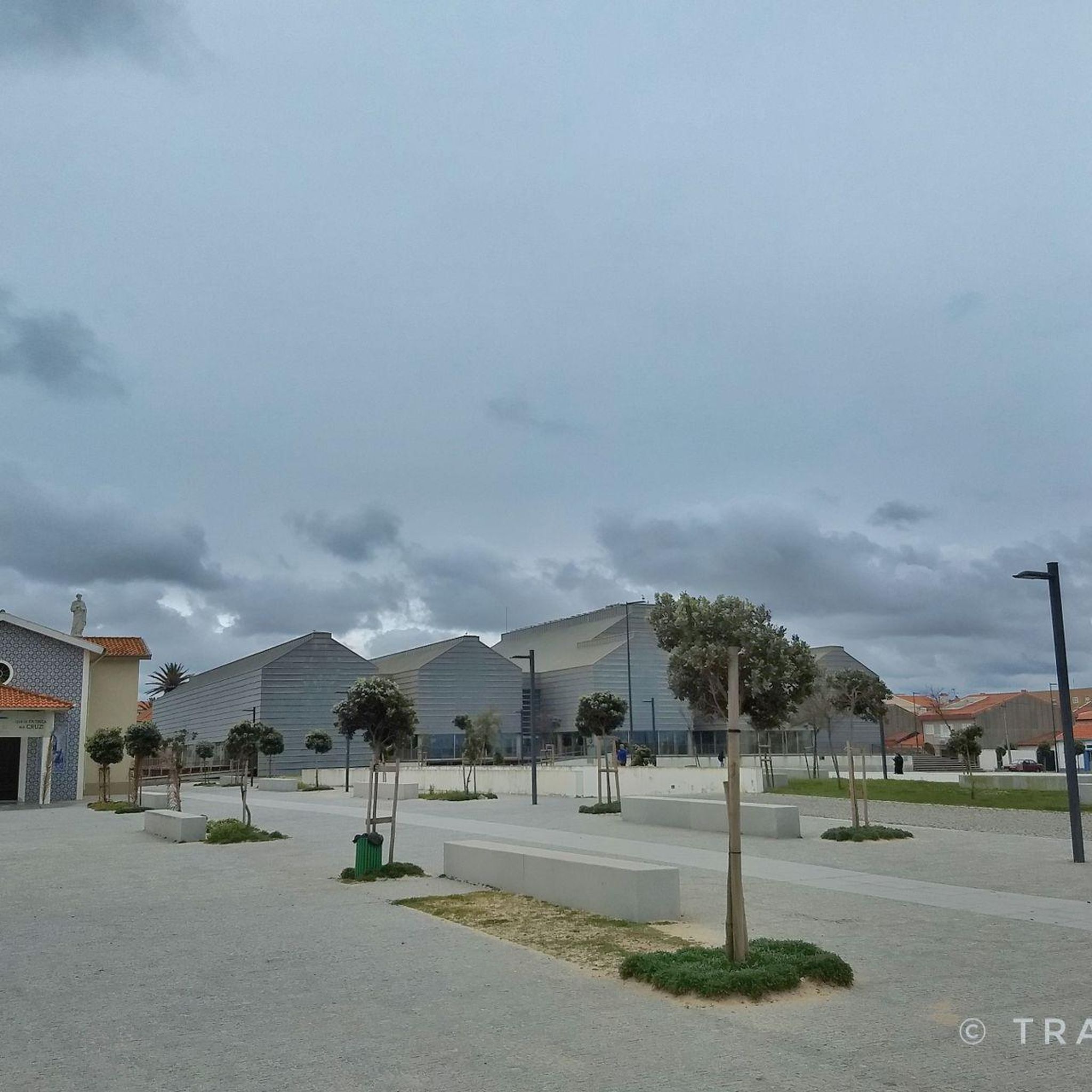
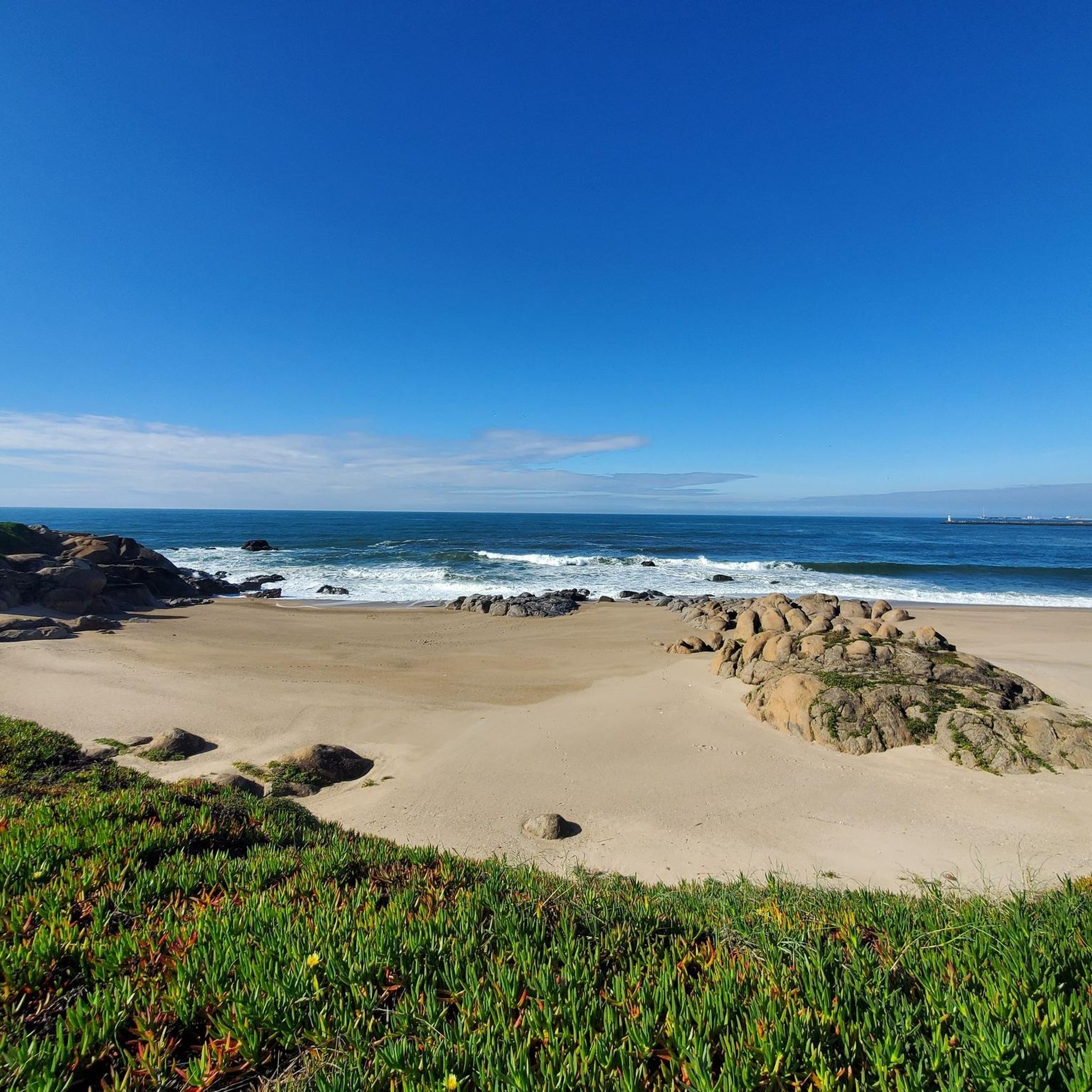
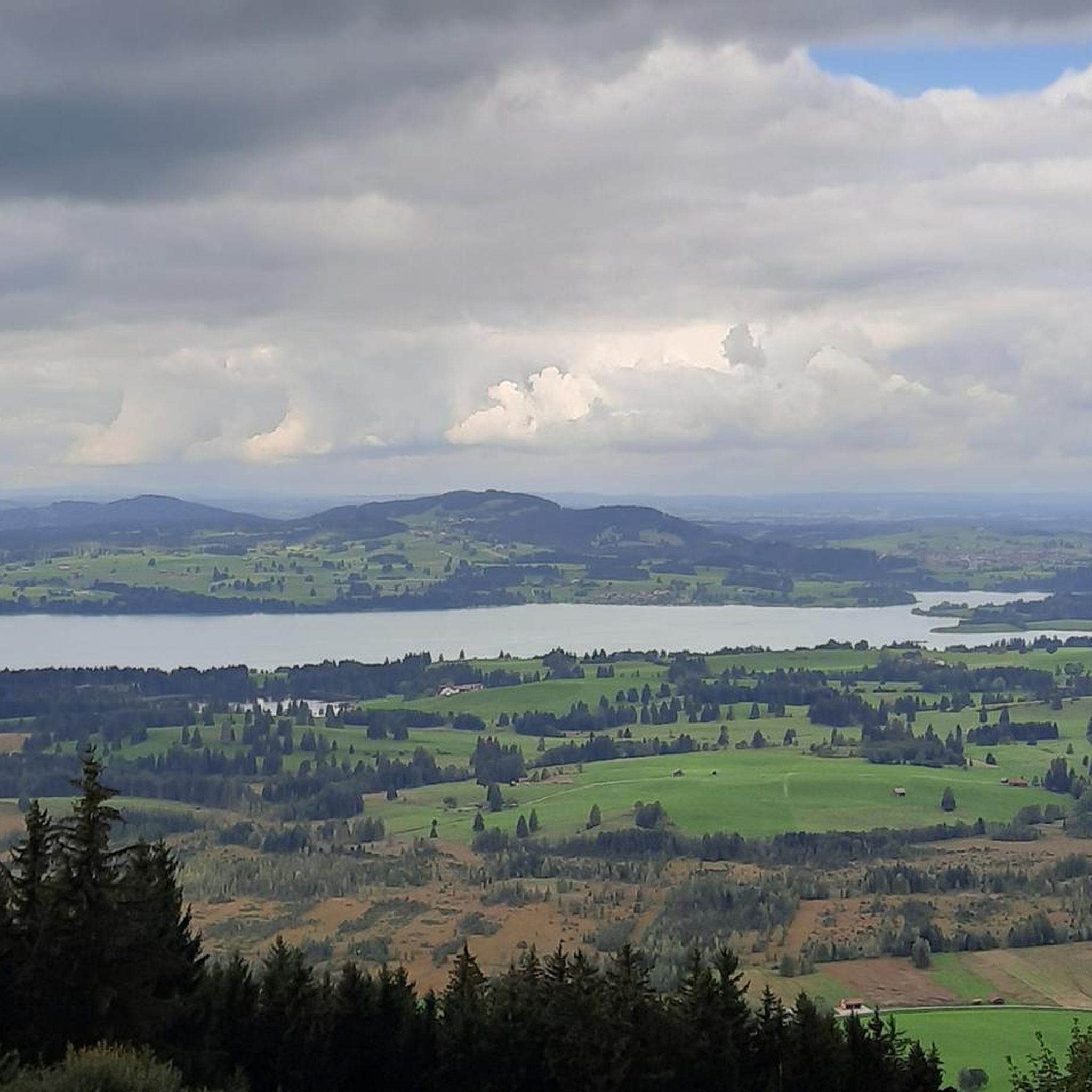
Tips from the Community

Cool view of a beautiful house
1
0

The Capela do Senhor da Pedra is one of Portugal's most iconic and photogenic chapels, located on a rocky promontory on Miramar Beach in Vila Nova de Gaia, about a 20-minute drive from downtown Porto.
1
0

I recommend it very beautiful
1
0

Stunning chapel on the beach – what is often overlooked is that this rock was a sacred place for worship for generations before christianity / catholicism built here. There is a real presence and energy about this place. Visit in the early morning to avoid the crowds, and enjoy a moment of quiet. Sunset is pretty much always busy here.
1
1

Wooden path and wooden bridge over the Esmoriz lagoon, an important resting place for migratory birds.
0
0

In the coastal village of Miramar, in Gulpilhares, Vila Nova de Gaia, stands a small chapel built on top of a rock, facing away from the sea. Small but monumental, fragile but strong, unreal and yet true, that is the beautiful Capela do Senhor da Pedra. Looking from afar, it seems as if the Atlantic will swallow it up on the first stormy night, but three centuries have passed since its construction, and it remains standing firm. Perhaps it is because of the rock on which it stands - a place of worship for over two thousand years. As the inscription on the tile mosaic framed at the entrance to the chapel attests, the giant stone originally housed a pagan temple, possibly Celtic. When Christianity arrived in Portugal, efforts were made to Christianise the territory and free it from its pagan roots. The site where the Capela do Senhor da Pedra now stands was then chosen to "reclaim" the land from heretics, but despite the conversion to the Christian faith, secret ceremonies linked to pagan worship still take place on full moon nights. It is said that it is common to find melted candles left by neo-pagan worshippers on the rocks and sand next to the chapel, but I did not see any.
0
0
The Chapel of Senhor da Pedra is located on Praia do Senhor da Pedra, in Gulpilhares, in the current parish of Gulpilhares and Valadares, in the Municipality of Vila Nova de Gaia, Porto District, in Portugal. The Chapel of Senhor da Pedra, built on a rocky massif, on the sands of Gulpilhares beach, was built on a rock by the sea in June 1763. It is believed that the origin of the cult at the Chapel of Senhor da Pedra may have its origins in an ancient pagan cult, of a naturalist nature, of pre-Christian peoples, whose deities were venerated in the midst of nature, having later been converted to Christianity.
1
0

The chapel was built later in 1673, causing the original nature cult to be eradicated by Christianity
8
0
Frequently Asked Questions
What unique natural features can I explore around São Paio De Oleiros?
The region around São Paio De Oleiros is rich in diverse natural features, particularly coastal landscapes. You can explore dynamic dune systems at places like Aguda Dunes Park, which offers trails along the beach and inland. The Barrinha de Esmoriz Nature Reserve features a coastal lagoon and is an important area for bird preservation. You'll also find wide sandy beaches, such as Praia da Barrinha, shaped by natural elements and human intervention.
Are there family-friendly natural monuments or attractions in the area?
Yes, several natural attractions around São Paio De Oleiros are suitable for families. The Barrinha de Esmoriz Nature Reserve offers a wonderful circuit, often with wooden plank paths, that is great for walks with children and provides beach access. Aguda Dunes Park is also family-friendly, with accessible trails through its coastal landscape. Even the iconic Chapel of Senhor da Pedra, situated on a beach, offers a unique and engaging setting for all ages.
What kind of outdoor activities can I do near these natural monuments?
The natural monuments around São Paio De Oleiros are perfect for various outdoor activities. You can enjoy hiking and walking along the coast, with routes like the Paramos Beach – Esmoriz Dunes loop. Cycling is also popular, especially in areas like the Mata das Dunas de Ovar, which offers paved cycle paths. For more detailed routes, check out the hiking trails and running trails guides for São Paio De Oleiros.
Are there easy walking trails suitable for beginners or casual strolls?
Absolutely. Many areas offer easy walking trails. For instance, the Barrinha de Esmoriz Nature Reserve has a pleasant circuit that is easy to navigate. The coastal natural parks and dune systems often feature flat paths, especially closer to the beaches. You can find several easy hiking options, including the Paramos Beach – Esmoriz Dunes loop, in the easy hikes guide for the region.
What historical or cultural sites are integrated with the natural landscape?
The most prominent example is the Chapel of Senhor da Pedra. This unique hexagonal chapel is built directly on rocks in the middle of Praia de Miramar beach. It's believed to have origins in ancient pagan cults later converted to Christianity, making it a fascinating blend of natural beauty and historical significance. A large pilgrimage in its honor takes place annually.
What is the best time of year to visit the natural monuments around São Paio De Oleiros?
The coastal natural monuments and dune systems are generally pleasant to visit during spring, early summer, and early autumn. These seasons offer milder temperatures, making outdoor activities like hiking and cycling more comfortable. The region can be enjoyed year-round, but avoiding the peak heat of mid-summer or the cooler, wetter days of winter might enhance your experience.
Can I observe wildlife or unique ecosystems in these areas?
Yes, the dune systems and coastal parks are home to unique flora and fauna adapted to these environments. The Barrinha de Esmoriz Nature Reserve, for example, is recognized as an Important Area for the Preservation of Birds, hosting species like Charadrius alexandrinus and various cane passerines, and is a stop for migratory birds in the fall. These areas offer valuable opportunities for nature observation and understanding coastal ecology.
Are there any specific natural monuments known for their scenic beauty or viewpoints?
The entire coastal stretch offers picturesque scenery. The Chapel of Senhor da Pedra provides an extraordinary backdrop, especially when the sea laps around it at high tide. The Aguda Dunes Park and Barrinha de Esmoriz Nature Reserve both offer viewpoints overlooking the unique dune landscapes and coastal lagoon, providing tranquil and beautiful vistas.
What do visitors enjoy most about the natural monuments in this region?
Visitors frequently praise the unique blend of natural beauty and accessibility. The opportunity to explore dynamic dune systems, serene beaches, and protective forests, often via well-maintained trails and boardwalks, is highly valued. The historical charm of sites like the Chapel of Senhor da Pedra also adds a special dimension to the natural experience, making it a memorable destination for nature lovers and history enthusiasts alike.
Are there any natural areas that offer protection against coastal elements?
Yes, the region features natural areas that play a crucial role in coastal protection. The Mata das Dunas de Ovar (Ovar Dunes Forest), though not a specific highlight in our guide, serves as a natural defense against storms and shifting sand dunes. Similarly, the extensive dune systems found in areas like Aguda Dunes Park are vital for protecting the inland areas from coastal erosion and environmental impacts.
Most popular attractions around São Paio De Oleiros

Get inspired with the komoot mobile app


Explore more
Extend your search for the best caves by checking out these guides of the top ones around São Paio De Oleiros:
