Top 4 Natural Monuments around Mozelos
Best natural monuments around Mozelos offer diverse natural landscapes for exploration. The region, situated within the municipality of Santa Maria da Feira, features a variety of coastal and inland natural attractions. These sites provide opportunities to experience unique dune formations, expansive beaches, and tranquil nature reserves. The area's natural heritage is characterized by its Atlantic coastline and preserved ecosystems.
Best natural monuments around Mozelos
- The most popular natural monuments is Senhor da Pedra Chapel, a religious building and natural…
Last updated: August 23, 2026
Chapel of Senhor da Pedra (Chapel of the Lord of the Rock)
Highlight • Religious Site
Translated by Google •
Tip by

Barrinha de Esmoriz Nature Reserve
Highlight • Lake
Wonderful circuit; to drive well with children. With beach access.
Translated by Google •
Tip by

Sign up now to discover places like this
Get recommendations on the best single tracks, peaks, & plenty of other exciting outdoor places.
Sign up for free
Aguda Dunes Park
Highlight • Beach
Translated by Google •
Tip by

Start today with a free account
Your next adventure awaits.
Login or Signup


Tips from the Community

Cool view of a beautiful house
1
0

I recommend it very beautiful
1
0

The Chapel of Senhor da Pedra is located on Praia do Senhor da Pedra, in Gulpilhares, in the current parish of Gulpilhares and Valadares, in the Municipality of Vila Nova de Gaia, Porto District, in Portugal. The Chapel of Senhor da Pedra, built on a rocky massif, on the sands of Gulpilhares beach, was built on a rock by the sea in June 1763. It is believed that the origin of the cult at the Chapel of Senhor da Pedra may have its origins in an ancient pagan cult, of a naturalist nature, of pre-Christian peoples, whose deities were venerated in the midst of nature, having later been converted to Christianity.
1
0

The chapel was built later in 1673, causing the original nature cult to be eradicated by Christianity
8
0
It is believed that the origin of the cult in the Capela do Senhor da Pedra can have its origins in an ancient pagan cult, of a naturalistic nature, of pre-Christian people, whose gods were worshiped in full nature, after they were later converted to Christianity . Source Wikipedia
9
0

The beach with the most extraordinary scenery near Porto is the Praia do Senhor da Pedra in the small coastal town of Arcozelo. In 2015 it was voted the most beautiful beach in Europe. This huge sandy beach in the very north of Praia de Miramar owes its name to the Senhor da Pedra chapel with its hexagonal floor plan, which was built on rocks in the middle of the beach. The beach, which has good infrastructure, is usually very busy (we were alone there). Every year there is a large pilgrimage in honor of Senhor da Pedra, which begins on the Sunday of the Most Holy Trinity (a movable holiday in June) and lasts three days.
4
0

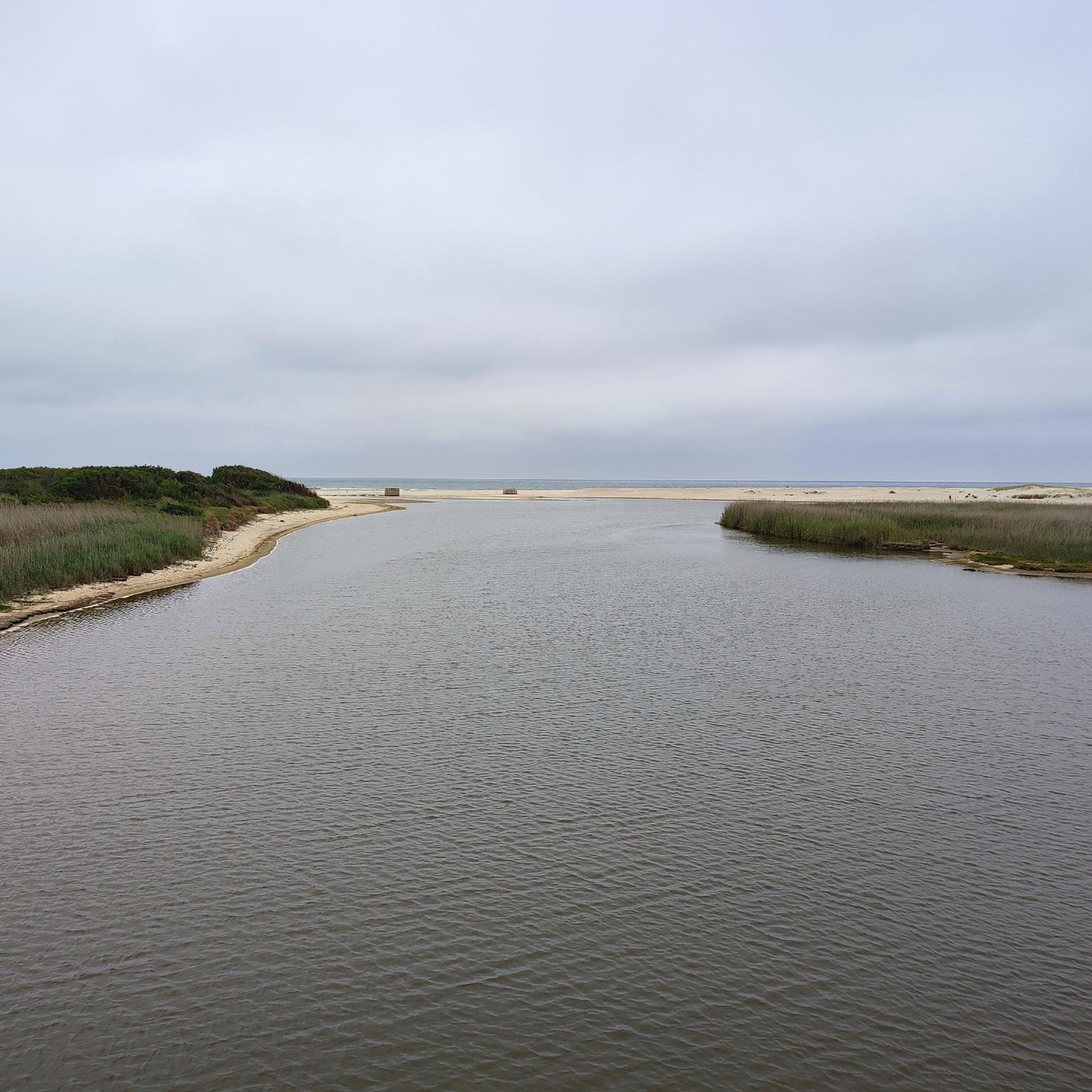
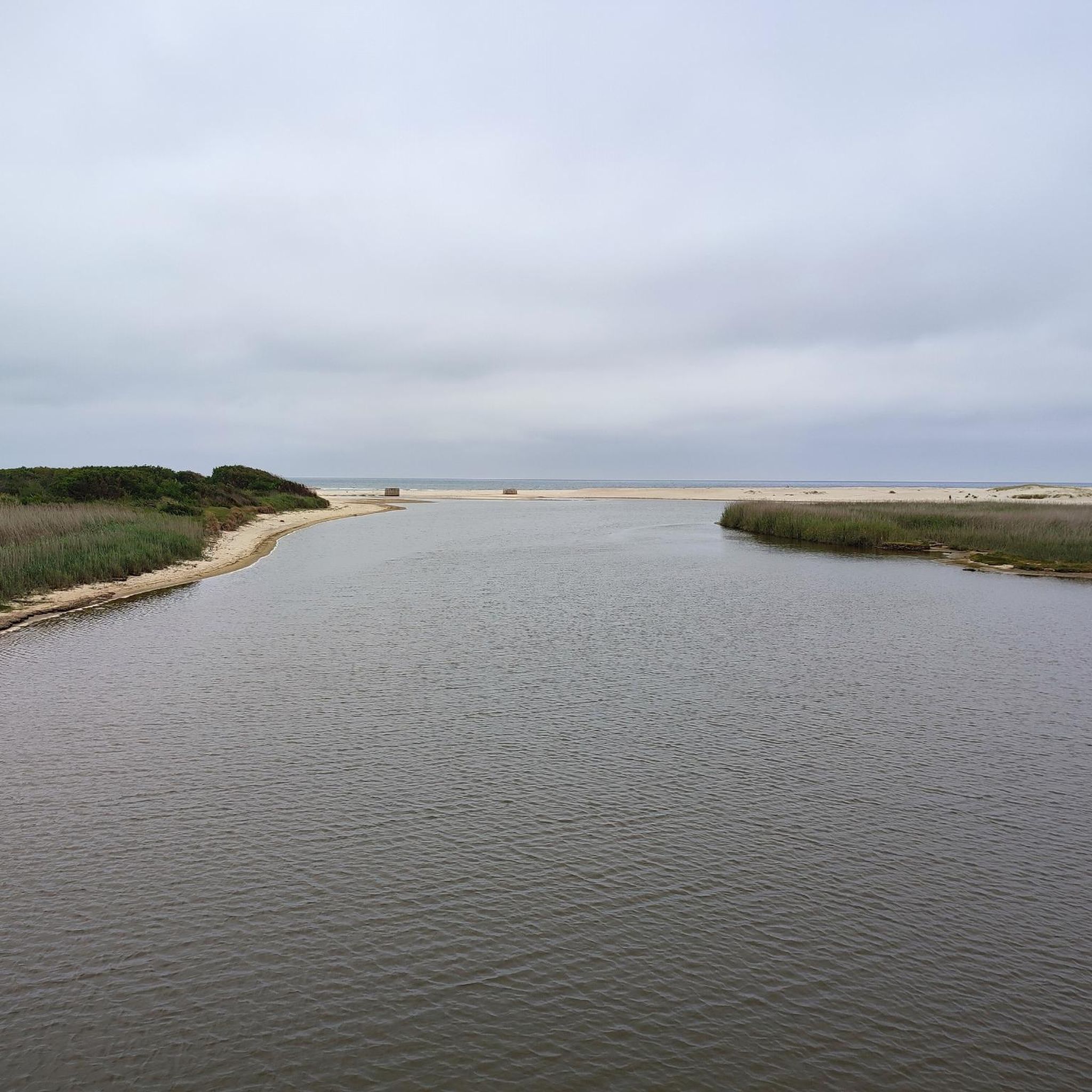
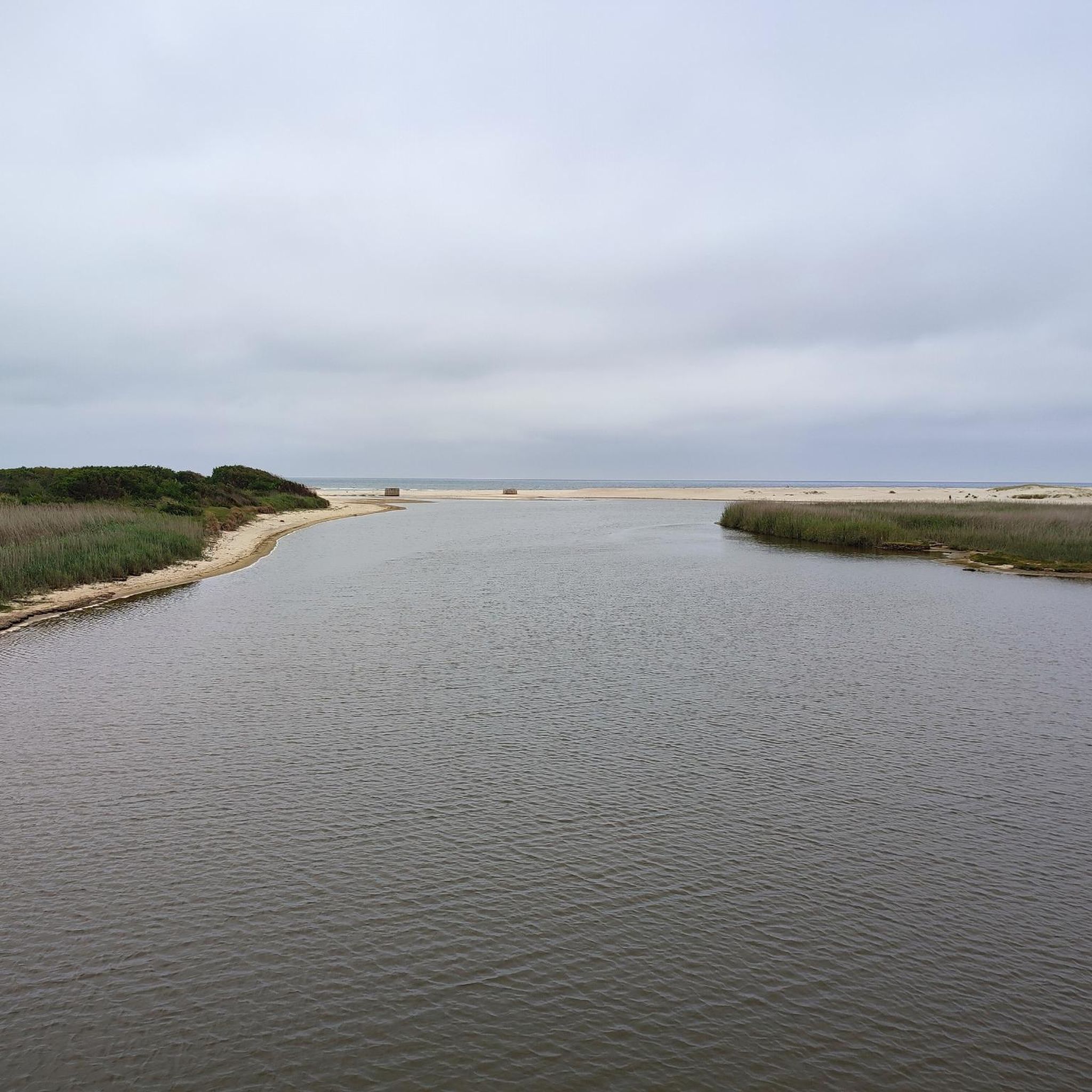
Coastal natural park, accessible by trails along the beach and further inland by road. Dunes are generated by the combined action of sand, wind and a deposition surface (a stone, a stick or a plant).
2
0
The beach with the most extraordinary scenery near Porto is the Praia do Senhor da Pedra in the small coastal town of Arcozelo. In 2015 it was voted the most beautiful beach in Europe. This huge sandy beach in the very north of Praia de Miramar takes its name from the chapel of Senhor da Pedra, with its hexagonal plan, built on rocks in the middle of the beach. The beach, which has good infrastructure, is usually busy (we were alone there). Every year there is a great pilgrimage in honor of Senhor da Pedra, which begins on Holy Trinity Sunday (movable holiday in June) and lasts three days.
2
0
Frequently Asked Questions
What are the most popular natural monuments to visit around Mozelos?
The region around Mozelos offers several captivating natural monuments. Among the most popular are the unique Chapel of Senhor da Pedra, known for its stunning beach setting, and the Barrinha de Esmoriz Nature Reserve, a coastal lagoon perfect for nature lovers. The Aguda Dunes Park is also highly regarded for its expansive coastal landscapes and trails.
Are there any family-friendly natural monuments near Mozelos?
Yes, several natural monuments in the area are great for families. The Barrinha de Esmoriz Nature Reserve features paths over wooden planks, making for an enjoyable circuit even with children, and offers beach access. The Aguda Dunes Park and Praia da Barrinha are also excellent choices, providing extensive beaches and trails suitable for all ages.
What kind of natural features can I expect to see at these monuments?
You'll encounter a diverse range of natural beauty. Expect to see extensive sand dunes and beaches, particularly at the Aguda Dunes Park and along the Atlantic Cycle Path. Coastal lagoons rich in birdlife, like the Barrinha de Esmoriz Nature Reserve, are also prominent. Further inland, areas like Serra da Labruja offer wild mountain landscapes and panoramic views, while the Rio Couro features picturesque waterfalls and cascades.
Are there historical or cultural sites integrated with the natural monuments?
Absolutely. The Chapel of Senhor da Pedra is a prime example, built on rocks in the middle of a beach. It's believed to have origins in ancient pagan cults, later converted to Christianity, and hosts a large annual pilgrimage. This site beautifully blends natural coastal scenery with centuries of history and tradition.
What outdoor activities can I do near these natural monuments?
The region is fantastic for various outdoor activities. You can enjoy cycling along the scenic Dunes of Ovar and Atlantic Cycle Path, or explore numerous hiking trails. For more specific routes, consider the hiking routes around Mozelos, which include coastal loops and trails near lagoons. Road cycling and running are also popular, with dedicated road cycling routes and running trails available.
Are there specific hiking trails near the natural monuments?
Yes, there are several hiking opportunities. The Barrinha de Esmoriz Nature Reserve and Aguda Dunes Park offer boardwalks and trails perfect for leisurely walks. For more challenging hikes with panoramic views, the Serra da Labruja, a section of the Portuguese Way of St. James, provides rustic trails and steep climbs. You can find more options in the hiking guide for Mozelos.
What do visitors enjoy most about the natural monuments around Mozelos?
Visitors frequently praise the unique blend of natural beauty and tranquility. Many appreciate the well-maintained trails, especially the wooden plank paths at places like the Barrinha de Esmoriz Nature Reserve, which are great for walking or cycling. The stunning coastal scenery, particularly the dramatic setting of the Chapel of Senhor da Pedra and the expansive beaches, also receives high acclaim.
Is there good accessibility to these natural monuments by public transport or car?
While specific public transport details vary by location, many coastal natural monuments like the Chapel of Senhor da Pedra and Aguda Dunes Park are generally accessible by road, often with nearby parking. The Atlantic Cycle Path also provides a convenient way to reach coastal dune areas. For more remote sites like Serra da Labruja or the Rio Couro waterfalls, driving is usually the most practical option.
What is the best time of year to visit the natural monuments around Mozelos?
The best time to visit largely depends on your preferred activities. Spring and early autumn offer pleasant temperatures for hiking and cycling, with fewer crowds. Summer is ideal for enjoying the beaches and coastal areas, though they can be busier. Birdwatching at the Barrinha de Esmoriz Nature Reserve is particularly rewarding in autumn when migratory birds pass through.
Are there any natural monuments suitable for birdwatching?
Yes, the Barrinha de Esmoriz Nature Reserve is an excellent spot for birdwatching. This coastal lagoon is recognized as an Important Area for the Preservation of Birds by BirdLife International, hosting species like Charadrius alexandrinus and various cane passerines, as well as migratory birds in the fall.
Can I find natural monuments with viewpoints for scenic photography?
Absolutely. Many natural monuments in the region offer stunning viewpoints. The Chapel of Senhor da Pedra provides an iconic coastal vista, especially at high tide. The Barrinha de Esmoriz Nature Reserve and Aguda Dunes Park also feature elevated spots along their trails for panoramic views of the coastline and natural landscapes. For breathtaking, expansive views, the Serra da Labruja mountain range is highly recommended.
Most popular attractions around Mozelos

Get inspired with the komoot mobile app


Explore more
Extend your search for the best caves by checking out these guides of the top ones around Mozelos:
