Top 5 Natural Monuments around Cacia
Best natural monuments around Cacia are situated within a region rich in diverse natural landscapes, particularly those associated with the Ria de Aveiro. This area, a civil parish within the municipality of Aveiro, Portugal, offers a unique blend of fresh and saltwater ecosystems. The natural environment includes extensive lagoons, historic salt pans, and wetlands, providing habitats for various flora and fauna. These features contribute to the region's ecological significance and offer opportunities for outdoor exploration.
Best natural monuments around Cacia
…Last updated: June 29, 2026
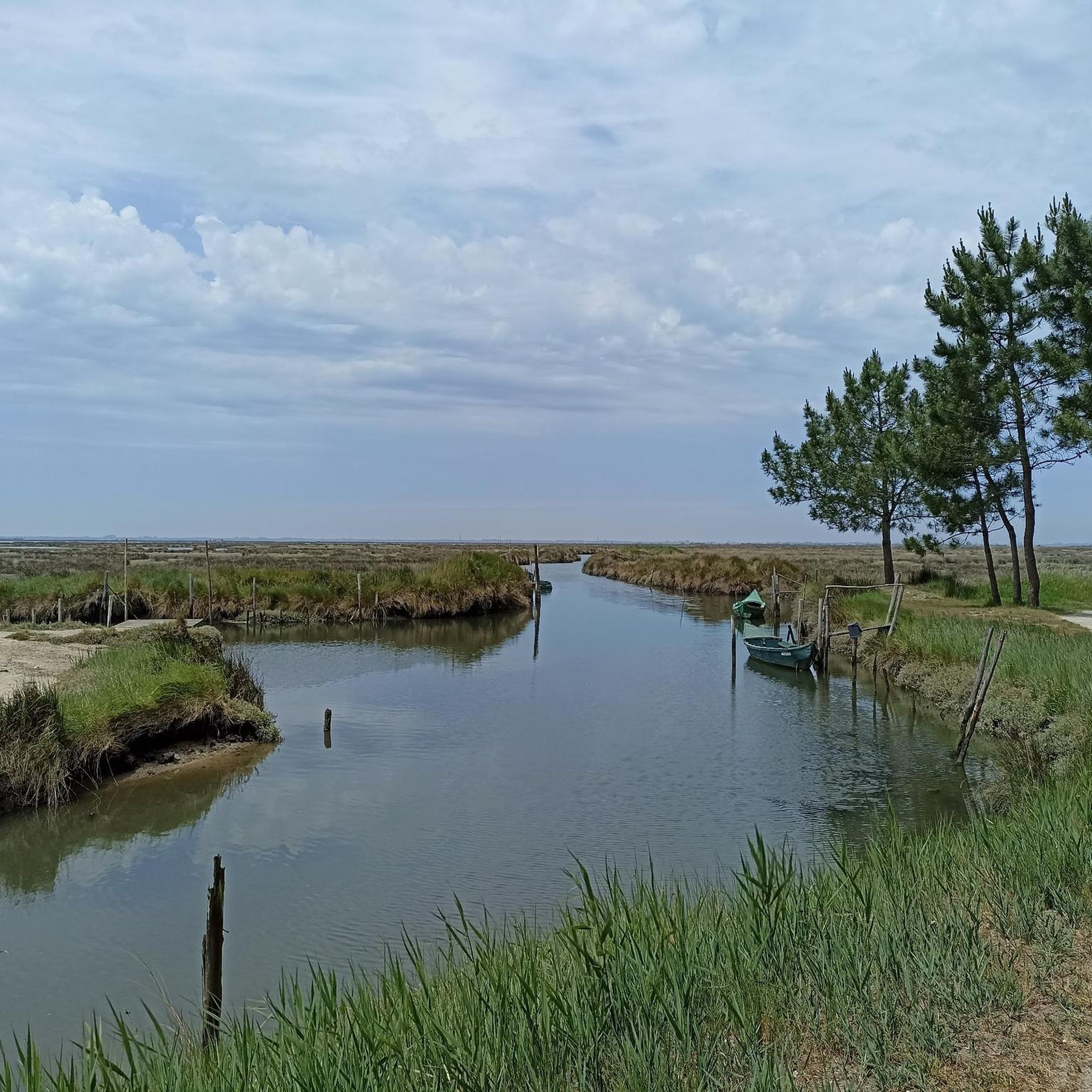
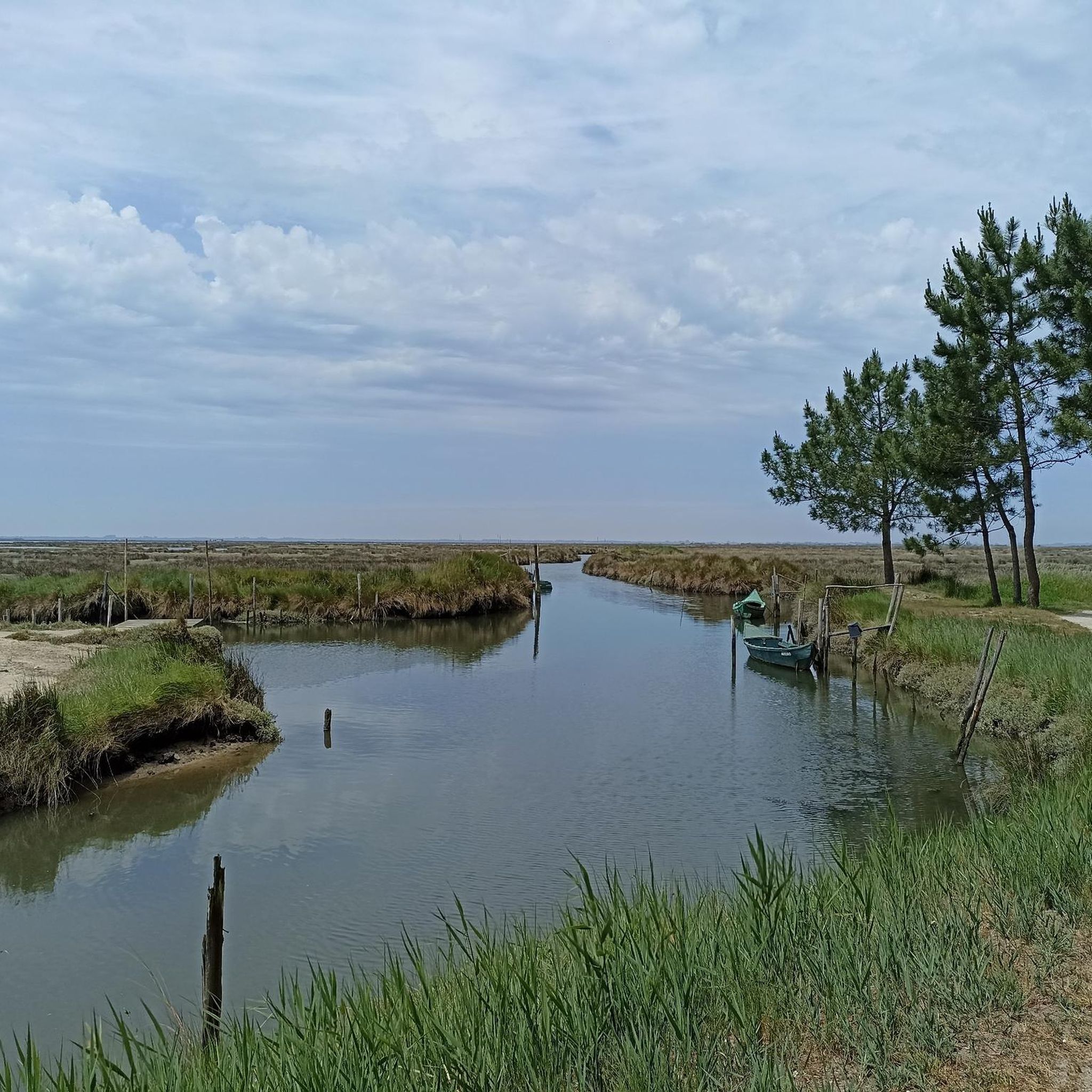
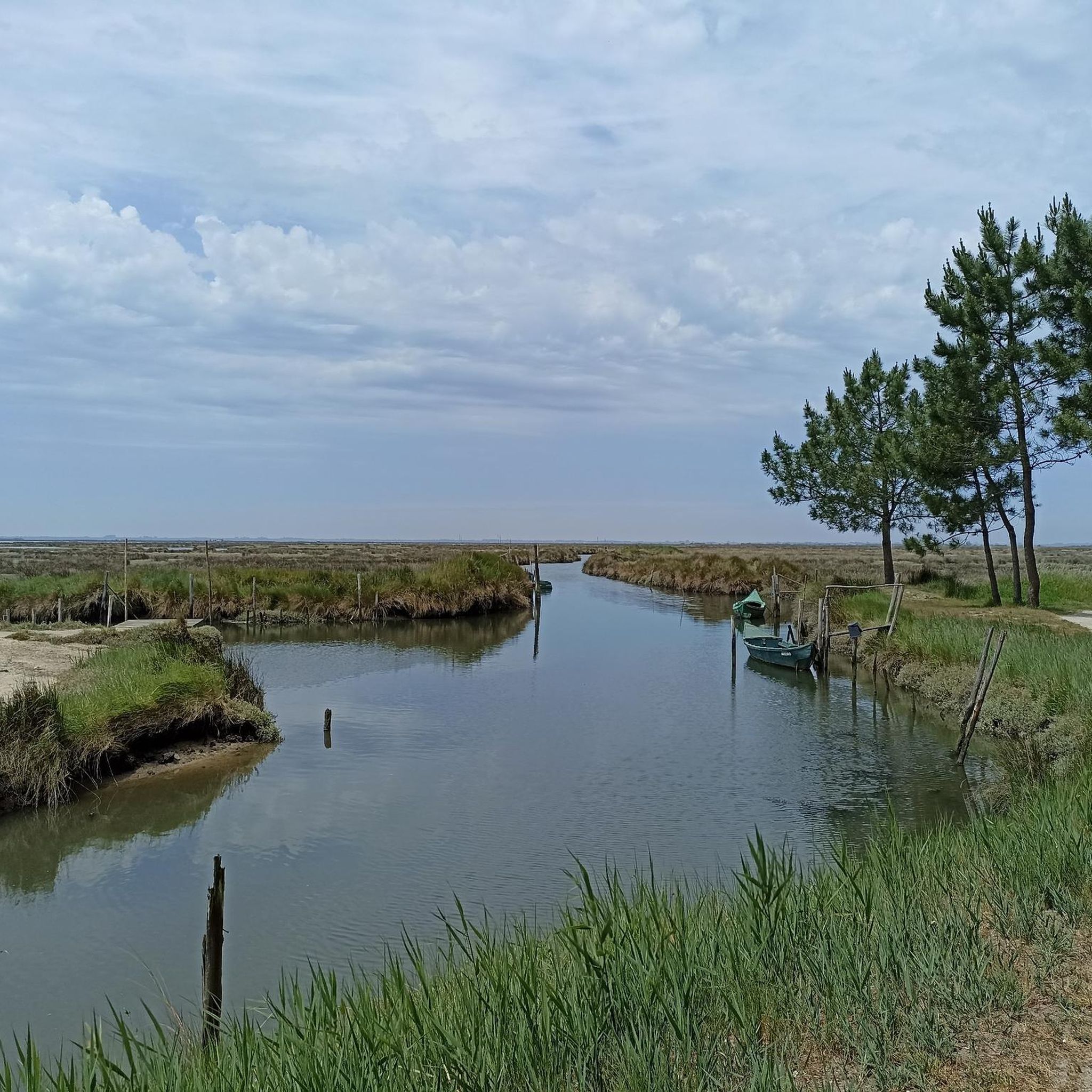
Aveiro Lagoon - Mira Channel
Highlight • River
Translated by Google •
Tip by

View of the Ria de Aveiro
Highlight • Viewpoint
Translated by Google •
Tip by

Sign up now to discover places like this
Get recommendations on the best single tracks, peaks, & plenty of other exciting outdoor places.
Sign up for free
View of the Salt Pans, Rua do Sal
Highlight • Viewpoint
Translated by Google •
Tip by

Information point - São Jacinto Nature Reserve
Highlight • Rest Area
Tip by

Pine Forest of the Dunas de São Jacinto Nature Reserve
Highlight • Forest
Translated by Google •
Tip by

Sign up for free to discover even more natural monuments around Cacia.
Sign up for free
Already have an account?
Start today with a free account
Your next adventure awaits.
Login or Signup

Tips from the Community


Salt mining in the Aveiro region dates back to a time before the Ria de Aveiro itself existed, with the first written document about Aveiro salt production dating back to before the founding of the nation. Over the centuries, the instability of the inlet (isolation from the sea) was a decisive factor in the variation in the number and production of salt pans. This resulted in periods of decline interspersed with periods of great favorability for production. This occurred in 1572, when, given the favorable condition of the inlet and the high and progressive commercial and maritime index, Aveiro became one of the best ports in Portugal, with a significant increase in salt trade and cod fishing. In 1808, the new inlet (an artificial system that allows seawater to enter) was finally opened, a fact of exceptional importance for the future of Aveiro and the entire region. (Source: Wikipedia) (Source: Wikipedia)⁶
13
0

With 995.69 hectares, of which 733.48 hectares are on land and 262.21 hectares are marine, the Dunas de São Jacinto Nature Reserve is located in the "ria de Aveiro", on a thin sandy peninsula that separates the salt water from the brackish water, to which the Vouga River gives a "sweeter" taste.
2
1

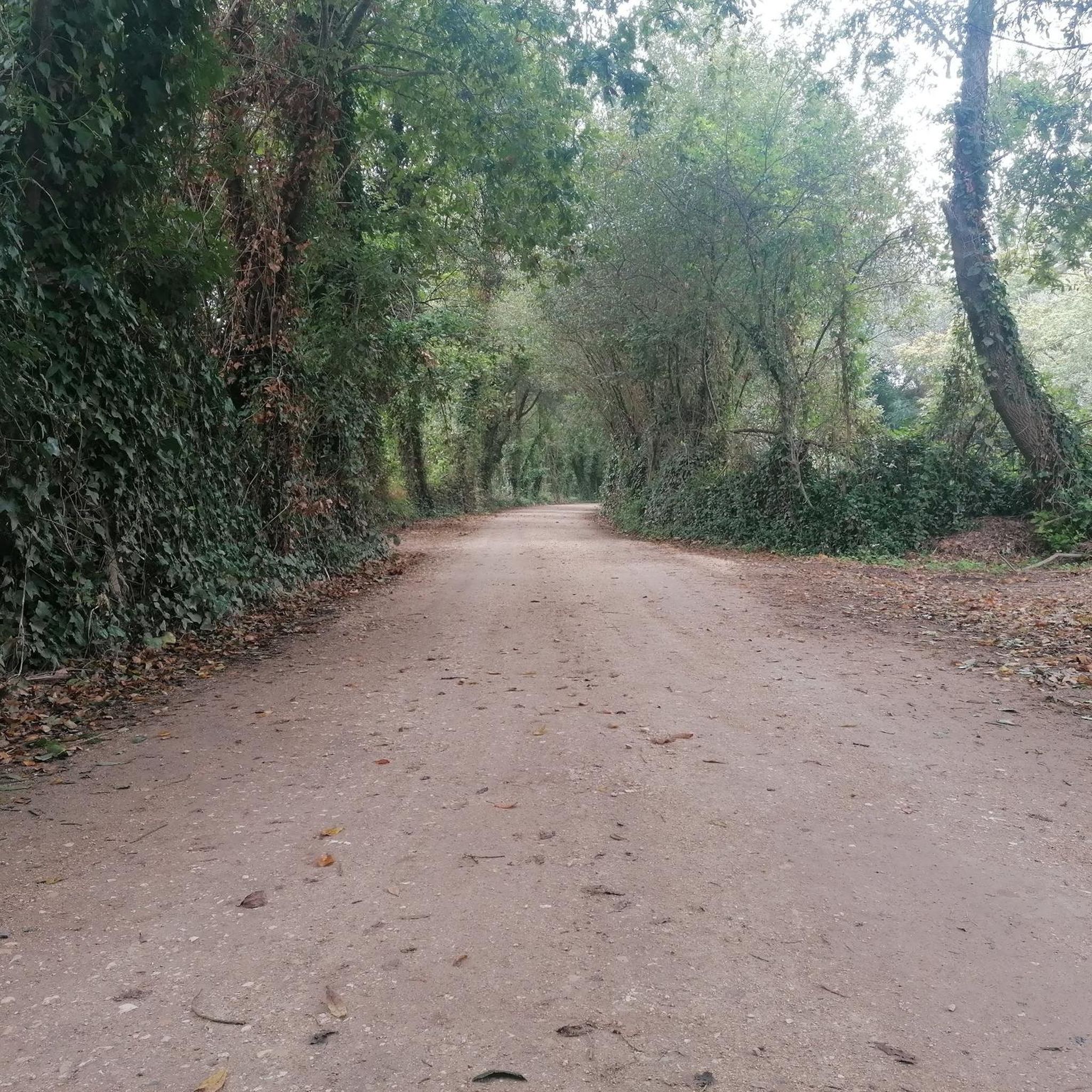
The protected area consists of 3 very different zones: the dune area which leads into a pine and acacia forest that was planted at the end of the last century to reinforce the dunes. Inside there are some freshwater ponds.
2
1

The Ria de Aveiro (also known as Foz do Vouga) is a shallow coastal lagoon in the Aveiro region, extending for 45 kilometers. It covers two districts and several locations, including Aveiro, Ílhavo and Mira. It is divided into three main channels, one of which is the Canal de Mira, location of the bridge in question.
0
0
The Ria de Aveiro, in Portugal, is an estuary rich in biodiversity. This aquatic ecosystem is famous for its meandering canals, salt marshes and diverse fauna. This point, specifically, is on EN 327, which runs parallel to the Ria for long kilometers, offering incredible views.
4
0

Trailhead with info, restrooms, picnic tables. The trails into the reserve are not mean for bikes, and standard tires would have difficulties on the sandy soft sections. Note the resident mosquito population can be fierce due to the nearby wet areas.
1
0
The bridge crosses the beautiful long extension of the coastal lagoon, stretching along the Lagoon from Aveiro to Vagueira
1
0
Frequently Asked Questions
What unique natural features can I explore around Cacia?
The region around Cacia, within the wider Aveiro district, is characterized by its diverse natural landscapes, particularly those associated with the Ria de Aveiro. You can explore a shallow coastal lagoon system, extensive wetlands known as 'pateiras', and historic salt pans. These areas offer a unique blend of fresh and saltwater ecosystems.
What are some of the most appreciated natural monuments by visitors in the Cacia area?
Visitors frequently appreciate the Aveiro Lagoon - Mira Channel, a significant part of the Ria de Aveiro. Another popular spot is the View of the Salt Pans, Rua do Sal, offering insight into the region's historical salt production. The Duck ponds in the São Jacinto forest are also highly regarded for their unique ecosystem and wildlife.
Where can I go birdwatching near Cacia?
The Ria de Aveiro, including the Aveiro Lagoon - Mira Channel, and the wetlands like Duck ponds in the São Jacinto forest and Pateira de Frossos, are excellent for birdwatching. These areas are crucial habitats for diverse aquatic birds, including sea swallows, stilts, dunlins, western ospreys, and flamingos, especially during winter when over 20,000 migrating birds are present.
Are there any natural monuments around Cacia with historical significance?
Yes, the View of the Salt Pans, Rua do Sal offers a glimpse into the historical salt exploration in the Aveiro region, which predates the existence of the Ria de Aveiro itself. Records of salt production here go back even before the founding of Portugal, highlighting a long-standing traditional industry intertwined with the natural environment.
Are the natural monuments around Cacia suitable for families?
Many natural monuments in the Cacia area are family-friendly. Highlights such as the Aveiro Lagoon - Mira Channel, View of the Salt Pans, Rua do Sal, Pateira de Frossos, and Duck ponds in the São Jacinto forest are all categorized as family-friendly. The Aveiro Municipal Environmental Interpretation Center (CMIA) also offers educational and interactive exhibits suitable for all ages.
What outdoor activities are available near the natural monuments in Cacia?
The region offers various outdoor activities. You can enjoy cycling along the wooden paths of the Ria de Aveiro, particularly the recently opened 7 km track. There are also numerous cycling routes, such as those found in the Cycling around Cacia guide and Road Cycling Routes around Cacia guide. Running trails are also available, with options like those in the Running Trails around Cacia guide.
What is the best time of year to visit the natural monuments around Cacia?
The region is beautiful year-round, but for birdwatching, winter is particularly rewarding as over 20,000 migrating birds, including flamingos, are present. Spring and autumn offer pleasant temperatures for exploring the lagoon and wetlands on foot or by bike.
How long should I plan for a visit to the natural monuments in Cacia?
The duration of your visit depends on your interests. You could spend a few hours exploring a specific site like the Duck ponds in the São Jacinto forest or the Aveiro Municipal Environmental Interpretation Center (CMIA). To fully experience the Ria de Aveiro and its various channels and wetlands, including cycling or walking along its paths, you might want to dedicate a full day or even multiple days.
Are there any viewpoints offering scenic vistas of the natural landscapes?
Yes, the View of the Salt Pans, Rua do Sal is a dedicated viewpoint offering scenic vistas of the traditional salt pans. Additionally, the walkable roof of the Aveiro Municipal Environmental Interpretation Center (CMIA) provides great views of the extensive wetlands and original saltworks landscape.
Are there any facilities or interpretation centers near the natural monuments?
Yes, the Aveiro Municipal Environmental Interpretation Center (CMIA) is located right on the edge of the saltworks landscape. It offers an interesting exhibition with stuffed birds and other animal species, informative display boards, and expert staff. It also features a walkable roof with great views and binoculars available for use.
Are there less crowded natural monuments to visit around Cacia?
While popular, the extensive nature of the Ria de Aveiro system, including areas like Pateira de Frossos and the Duck ponds in the São Jacinto forest, allows for exploration away from larger crowds, especially during off-peak hours or seasons. The newly opened 7 km track along the lagoon also provides ample space for visitors.
Are there any natural monuments around Cacia that are wheelchair accessible?
While specific accessibility details for all sites are not provided, the recently opened 7 km track along the Ria de Aveiro is designed for walking or cycling, suggesting it may offer accessible sections. The Aveiro Municipal Environmental Interpretation Center (CMIA), as a modern facility, is likely to have accessibility features.
Most popular attractions around Cacia

Get inspired with the komoot mobile app


Explore more
Extend your search for the best caves by checking out these guides of the top ones around Cacia:
