Top 4 Natural Monuments around Angeja
Natural monuments around Angeja are primarily found within the broader wetland systems of the Pateira de Frossos, Baixo Vouga Lagunar, and the Ria de Aveiro. These interconnected areas are recognized for their significant ecological value and diverse natural landscapes, including freshwater wetlands, salt marshes, and coastal lagoons. The region supports a wide array of flora and fauna, making it a notable area for nature observation. These natural features offer opportunities for exploring unique habitats and experiencing the local environment.
Best…
Last updated: August 23, 2026
View of the Salt Pans, Rua do Sal
Highlight • Viewpoint
Translated by Google •
Tip by

Pine Forest of the Dunas de São Jacinto Nature Reserve
Highlight • Forest
Translated by Google •
Tip by

Sign up now to discover places like this
Get recommendations on the best single tracks, peaks, & plenty of other exciting outdoor places.
Sign up for free
Pateira de Frossos
Highlight • Lake
ListMap
Show filters
I'm looking for
Regions
Municipalities
Category
No results found. Please use the form.
Your account
Favorites
My Centre
Albergaria-a-Velha
Aveiro Region
Translated by Google •
Tip by

Aveiro Salt Pans
Highlight • Structure
This economic activity used to generate high revenues here, …
Translated by Google •
Tip by

Aveiro Municipal Environmental Interpretation Center (CMIA)
Highlight • Rest Area
Translated by Google •
Tip by

Start today with a free account
Your next adventure awaits.
Login or Signup

Tips from the Community

Part of the salt pans are no longer in operation.
3
0

Salt mining in the Aveiro region dates back to a time before the Ria de Aveiro itself existed, with the first written document about Aveiro salt production dating back to before the founding of the nation. Over the centuries, the instability of the inlet (isolation from the sea) was a decisive factor in the variation in the number and production of salt pans. This resulted in periods of decline interspersed with periods of great favorability for production. This occurred in 1572, when, given the favorable condition of the inlet and the high and progressive commercial and maritime index, Aveiro became one of the best ports in Portugal, with a significant increase in salt trade and cod fishing. In 1808, the new inlet (an artificial system that allows seawater to enter) was finally opened, a fact of exceptional importance for the future of Aveiro and the entire region. (Source: Wikipedia) (Source: Wikipedia)⁶
13
0

Draining the sea and the resulting salt production has always played a major role in the economy of the Aveiro region. This economic activity used to generate high revenues here, but has lost much of its importance in recent years. Only a few salt pans remain.
11
1

With 995.69 hectares, of which 733.48 hectares are on land and 262.21 hectares are marine, the Dunas de São Jacinto Nature Reserve is located in the "ria de Aveiro", on a thin sandy peninsula that separates the salt water from the brackish water, to which the Vouga River gives a "sweeter" taste.
2
1

The protected area consists of 3 very different zones: the dune area which leads into a pine and acacia forest that was planted at the end of the last century to reinforce the dunes. Inside there are some freshwater ponds.
2
1

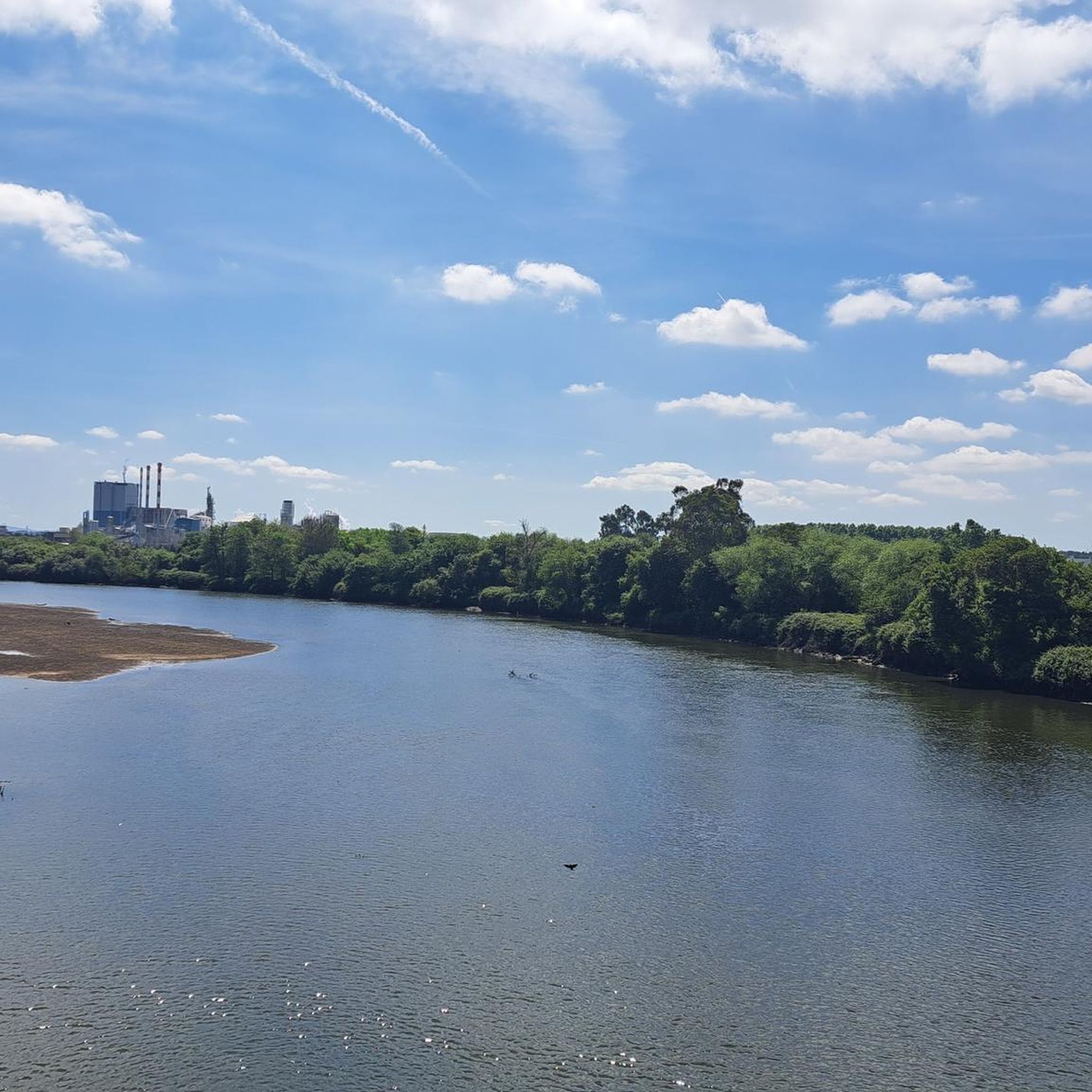
Search ListMap Show filters I'm looking for Regions Municipalities Category No results found. Please use the form. Your account Favorites My Centre Albergaria-a-Velha Aveiro Region Albergaria-a-Velha is a land of traditions made of water, bread and mills. The latter predominate in Albergaria-a-Velha – the municipality with the largest number of inventoried water mills in Europe – and constitute an important element of the rural landscape of the watercourses that run through the entire municipality. They are elements with high heritage value that delight the eyes of the people of their lands and all visitors who dare to visit them. Pateira de Frossos is part of the important lagoon system of the Ria de Aveiro, representing a valuable tourist resource that displays an unparalleled biodiversity of species and vegetation, an excellent natural resource that must be exploited, cared for, promoted and publicized. The sound of running water is a constant presence in the parish of Ribeira de Fráguas. The Caima River, which rises in the Serra da Freita and flows for 50 km until it flows into the right bank of the Vouga, as well as its various tributaries, carve their way through the uneven terrain of this more mountainous area. The Camino de Santiago represents a remarkable intangible heritage, a memory and an identity for Albergaria-a-Velha.
0
0

The CMIA ("Centro Municipal de Interpretacao Ambiental") is located right on the edge of the extensive saltworks landscape. It offers an interesting and varied exhibition with stuffed birds and other animal species, well-made and helpful display boards and other displays. The expert staff are happy to help with many further questions. From the walkable roof of the center there are great views of the extensive wetlands of the original saltworks landscape. Binoculars are also available. Outside there are covered table groups for resting and some educational games.
2
1
Frequently Asked Questions
What unique natural features can I explore around Angeja?
The region around Angeja is characterized by its significant wetland systems, including the Pateira de Frossos, Baixo Vouga Lagunar, and the Ria de Aveiro. These areas feature a mosaic of freshwater wetlands, salt marshes, coastal lagoons, and intricate networks of channels. You can experience diverse landscapes from the unique 'bocage' agricultural fields to extensive reed beds and sand dunes, all supporting rich biodiversity.
Are there any specific viewpoints to observe the natural beauty near Angeja?
Yes, a notable viewpoint is the View of the Salt Pans, Rua do Sal. This spot offers perspectives on the historical salt production in the Aveiro region, an activity that predates the existence of the Ria de Aveiro itself. Another excellent location for views is from the walkable roof of the Aveiro Municipal Environmental Interpretation Center (CMIA), which provides panoramic views of the extensive wetlands and original saltworks landscape.
What kind of wildlife can I expect to see in the natural monuments around Angeja?
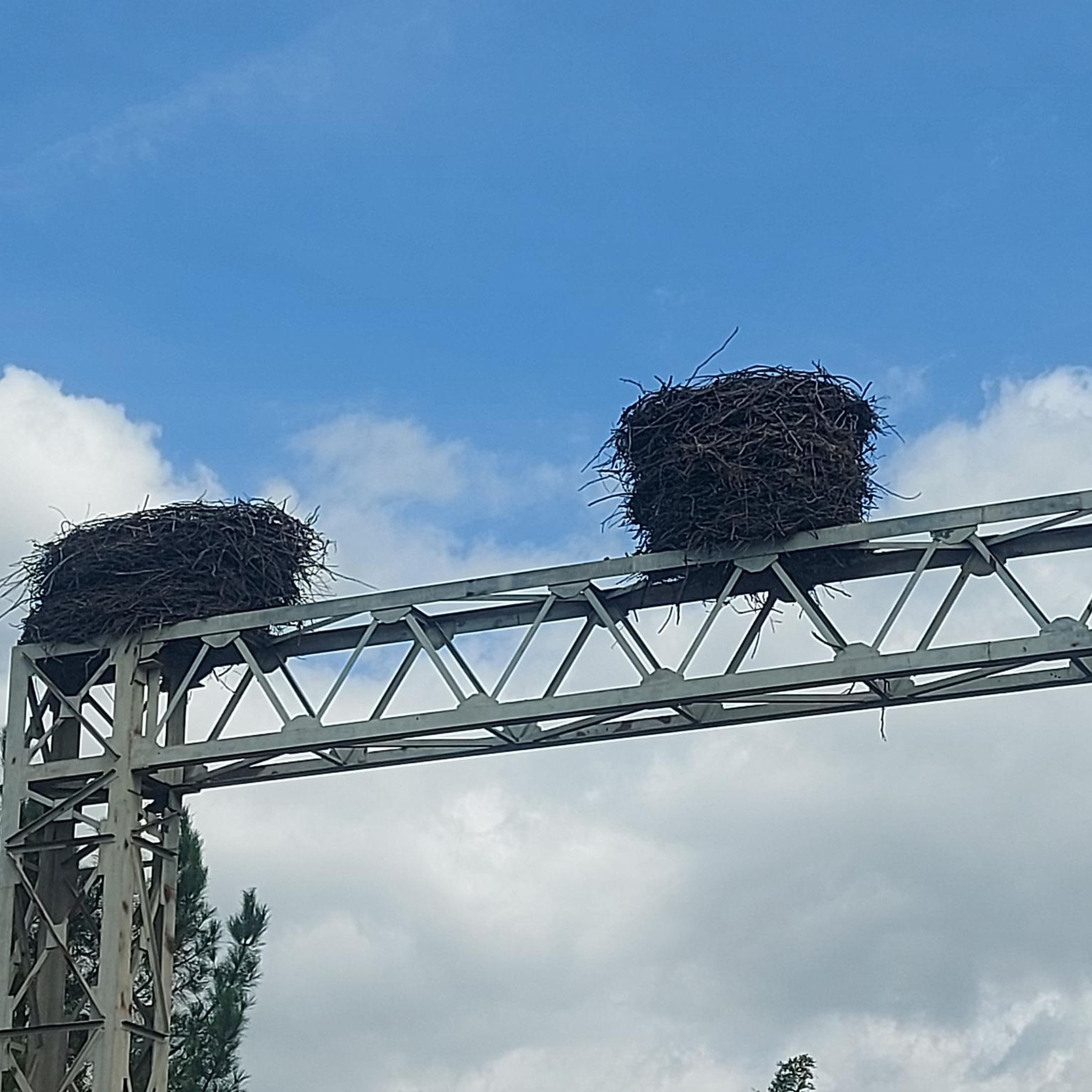
The wetlands around Angeja are a haven for wildlife, especially birds. You might spot species like the purple heron, little egret, grey heron, western marsh harrier, osprey, and common kingfisher. The Pateira de Frossos is also known for a vast colony of storks. Beyond birds, the region is home to otters, badgers, foxes, and various fish species like lamprey and eel.
Are there family-friendly natural monuments or activities suitable for children?
Yes, several natural monuments are family-friendly. The Pateira de Frossos is a great place for a family outing, offering rich biodiversity and walking trails. The Duck ponds in the São Jacinto forest are also ideal, providing a unique ecosystem where children can observe various water birds. Additionally, the Aveiro Municipal Environmental Interpretation Center (CMIA) offers engaging exhibitions and educational games, making it a fun and informative stop for families.
What outdoor activities can I do near these natural monuments?
The region offers a variety of outdoor activities. You can explore numerous running trails, such as the 'Sunset View at the Swamp loop' or the 'Esteiro de Salreu loop'. For hiking, consider routes like the 'Ria de Aveiro Boardwalks loop' or the 'View of the Vouga River in Angeja loop'. Gravel biking is also popular, with options like the 'Ria de Aveiro Boardwalks loop'. You can find more details on these activities and routes in the Running Trails around Angeja, Hiking around Angeja, and Gravel biking around Angeja guides.
What is the best time of year to visit the natural monuments around Angeja?
The Pateira de Frossos, a key part of the region's natural monuments, experiences strong seasonality. Its full beauty, characterized by a magnificent water mirror covering the fields, is best observed during autumn and winter. This period also offers excellent opportunities for birdwatching as many species use the wetlands as wintering grounds.
Are there any specific trails or paths for walking and birdwatching?
Yes, the Pateira de Frossos offers walking trails, such as the PR4 ABL, which provide direct contact with its peculiar habitats. The broader Baixo Vouga Lagunar area, which includes Pateira de Frossos, is part of the BioRia network of pedestrian trails, allowing visitors to explore its unique habitats and observe diverse species. These trails are excellent for birdwatching and nature photography.
What is the significance of the Ria de Aveiro in relation to Angeja's natural monuments?
The Ria de Aveiro is a vast coastal lagoon system that encompasses the Baixo Vouga Lagunar, which in turn includes the Pateira de Frossos. It's considered one of Europe's last untouched coastal marshlands and is a protected area under the Natura 2000 network. Its ecological wealth, diverse biotopes (salt marshes, mudflats, sandbanks), and role as a habitat for numerous bird species make it a critically important natural monument and a prime destination for birdwatchers worldwide.
What facilities are available at the natural monuments or nearby?
The Aveiro Municipal Environmental Interpretation Center (CMIA) is a key facility located on the edge of the saltworks landscape. It offers an interesting exhibition, helpful staff, and a walkable roof with great views. Outside, you'll find covered table groups for resting and some educational games. While specific cafes directly at every natural monument might be limited, the nearby towns and cities within the region offer various amenities.
What makes the 'Duck ponds in the São Jacinto forest' a unique natural monument?
The Duck ponds in the São Jacinto forest are unique because they are flooded areas that combine both fresh and salt water. This creates a distinctive ecosystem that supports a diverse range of flora and attracts numerous water birds, including the ducks of the Aveiro estuary, from which they derive their name. These lagoons serve as an important refuge for these species.
How do human activities interact with the natural landscape in this region?
The region showcases a unique interaction between human activities and nature. The 'bocage' landscape, particularly evident in the Baixo Vouga Lagunar, is a result of traditional agricultural practices like rice fields and pastures coexisting with natural wetlands. The historical salt pans, visible from the View of the Salt Pans, Rua do Sal, also highlight centuries of human engagement with the natural resources of the Ria de Aveiro.
Most popular attractions around Angeja

Get inspired with the komoot mobile app


Explore more
Extend your search for the best caves by checking out these guides of the top ones around Angeja:
