Top 9 Natural Monuments around Mirzec
Best natural monuments around Mirzec are found within a region characterized by extensive forests, including remnants of the Iłżecka Forest, covering 39% of the commune. This area is part of the Natura 2000 "Uroczyska Lasów Starachowickich," contributing to its significant biodiversity. The Iłżanka River and its tributaries shape the landscape, creating habitats for various bird species and supporting protected plant species. Mirzec offers opportunities for observing diverse flora and fauna and appreciating geological heritage.
Best natural monuments around Mirzec
- The…
Last updated: May 17, 2026
Wykus Home Army Memorial
Highlight • Monument
Translated by Google •
Tip by

Wykus Nature Reserve
Highlight • Forest
Translated by Google •
Tip by

Sign up now to discover places like this
Get recommendations on the best single tracks, peaks, & plenty of other exciting outdoor places.
Sign up for free
Langiewicz Glade Memorial
Highlight • Historical Site
Translated by Google •
Tip by
Cygańska Kapa Rock Formations
Highlight • Natural Monument
Translated by Google •
Tip by
Kopulak Red Sandstone Quarry
Highlight • Structure
Translated by Google •
Tip by

Sign up for free to discover even more natural monuments around Mirzec.
Sign up for free
Already have an account?
Start today with a free account
Your next adventure awaits.
Login or Signup

Tips from the Community

Kopulak is a quarry where deposits of Triassic variegated sandstones are extracted. Suchedniów red sandstones were formed at the end of the Early Triassic and are also called Kopulak. This name comes from the deposit of the same name as the quarry. These rocks are composed mainly of quartz grains, with an admixture of heavy minerals. The mine is open several times a year and you enter it at your own risk.
0
0

A must visit on Sieradowicki
0
0

this is one big attraction this single track
0
0

The red rocks and water colored by them are impressive.
0
0
Wykus was the base of Polish partisans. During the January Uprising, insurgents commanded by Marian Langiewicz were stationed here. During World War II, camps of Polish underground soldiers were located here, first under the command of Maj. Henryk Dobrzański "Hubal", later the Home Army Partisan Groups "Ponury" - lieutenant cc. Jan Piwnik "Ponury". On On September 15, 1957, in the place of the former camp, a chapel with the image of Our Lady of Sorrows was unveiled, commemorating those who died in the fight for the homeland. On its walls there are 123 nicknames of soldiers who died during the war. The shrine is surrounded by a wall, on which there are several hundred plaques with the names of the dead soldiers of the "Ponury" and "Nurt" groups. The chapel with the surrounding area within a radius of 30 m is the "Wykus" National Memorial Site and is entered in the register of immovable monuments. Every year, on the second Saturday of June, ceremonies commemorating the fallen soldiers of the Partisan Groups of the Home Army "Ponury" are organized in Wykus. Wykus (326 m above sea level) is also a nature reserve.
0
0
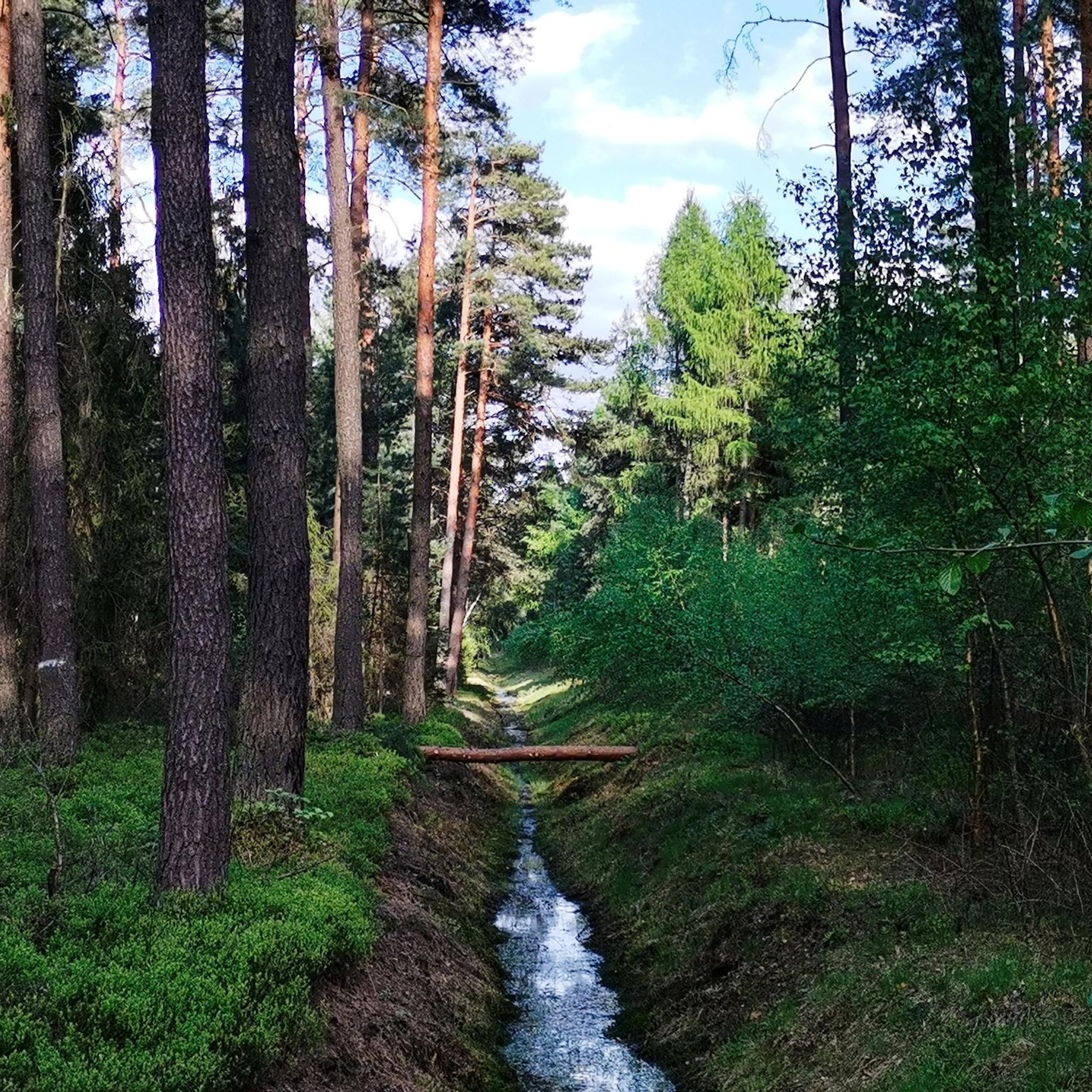
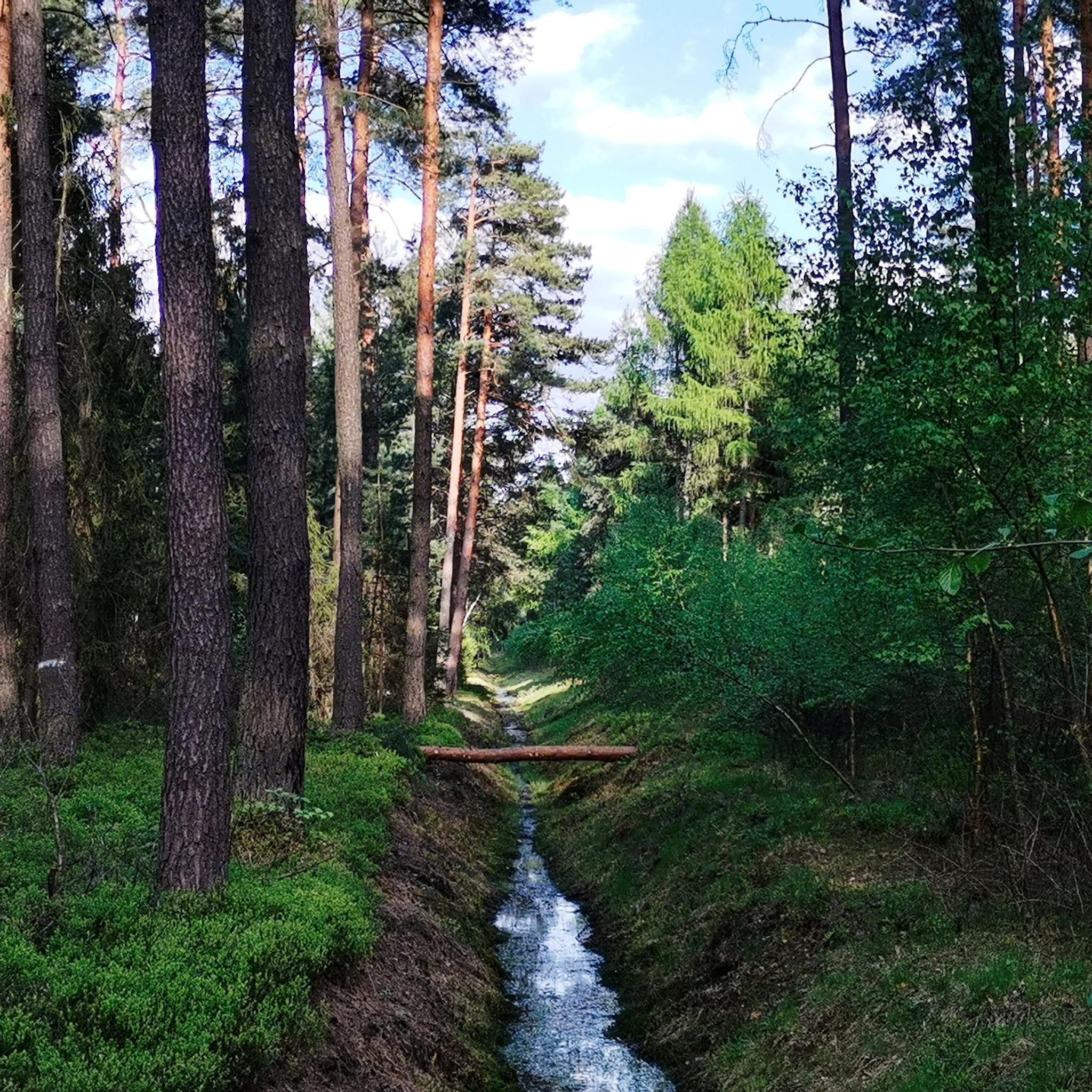
The Wykus partial reserve was established by the Ordinance of the Minister of Forestry and Wood Industry of October 11, 1978. The total area of the reserve is 53.01 ha, including 52.7 ha of forest and 0.31 ha of non-forest land. The reserve belongs to the Suchedniów Forest District, Bronkowice Forest District, Bodzentyn and Wąchock communes. The subject of protection in the reserve are diversified and highly natural forests with the participation of pine, fir and oak, hornbeam, birch, aspen and alder. The age of the upper layer of trees varies from 70 to 100 years, with specimens reaching 140 years. They are a great natural asset of the reserve. The highest degree of naturalness is characteristic of forest-like fir and alder stands. The area of the reserve is overgrown with a number of forest vegetation communities, among which the following deserve attention: Carpathian beech forest, oak-hornbeam forest, upland fir forest, mixed forest, Central Polish mixed forest with fir and alder and ash riparian forest. Many interesting and protected species of plants grow in the undergrowth and undergrowth, including: hepatica, live onion, three-needle moss, bugle, laurel and clubmoss. However, Wykus is famous above all for its many historical places. Large complexes of forests have long provided shelter to patriots fighting for the independence of our country. It was here that the January insurgents found shelter and the partisans of World War II. The Wykus Reserve is an important junction of tourist trails. They lead to it: - green hiking trail from Skarżysko (Mostek) - blue pedestrian from Wąchock and Bodzentyn - black pedestrian from Starachowice - red bicycle from Mostki, Wąchock and Bronkowice
0
0
Polana Langiewicza is commonly regarded as a campsite for insurgent troops led by General Marian Langiewicz during the January Uprising in 1863. However, there is no evidence that the insurgents were stationed in this exact place and that General Langiewicz himself stayed there. This place was indicated by Capt. Wojdacki, writing that "there was a spring and an oak grew, where General Marjan Langiewicz sat as if on a stool". The place was marked for the first time in 1925, during the convention of veterans of the 1863 uprising. Then, after the holy mass in Wąchock, the participants of the reunion went to the clearing, where a commemorative plaque was consecrated. The plaque was made in a foundry in Skarżysko, owned by Kazimierz Jan Witwicki, son of Jan Witwicki, an insurgent. At that time, the plaque was hung on an oak - today it is hung on a pine.
0
0

In this place there is a monument commemorating the soldiers of the Home Army (Polish independence underground) from groups operating against the Germans in the Świętokrzyskie Mountains under the command of the legendary Jan Piwnik pseudonym "Gloomy". Next to it, there is a place for the Holy Mass and benches for those gathered during the ceremony.
0
0
Frequently Asked Questions
What unique natural features can I explore around Mirzec?
Mirzec is rich in diverse natural features. You can discover ancient trees like the 300-year-old Sessile Oak in Mirzec Stary and the impressive 'Niwka' Small-leaved Linden in Tychów Nowy. The region also features significant geological formations, such as the 15-meter-high Cygańska Kapa Rock Formations and the geological outcrop in Tychów Stary, which is the northern wall of a former mine excavation. Additionally, the Wykus Nature Reserve protects diversified forests with pine, fir, and oak.
Are there historical sites among the natural monuments in Mirzec?
Yes, several natural monuments in Mirzec also hold significant historical value. The Wykus Home Army Memorial is a memorial site within a nature reserve, commemorating soldiers of the Home Army. Similarly, the Langiewicz Glade Memorial is a historical glade associated with the January Uprising, featuring a commemorative plaque. The Wykus Nature Reserve itself is known for providing shelter to patriots during various historical conflicts.
What kind of wildlife can I expect to see in the Mirzec area?
The extensive forests and the Natura 2000 'Uroczyska Lasów Starachowickich' area around Mirzec are home to a diverse array of wildlife. You might spot beavers, badgers, martens, wild boars, foxes, deer, elk, and roe deer. The region is also known for its birdlife, including woodpeckers, hoopoes, nuthatches, and even a hidden black stork's nest in a wild animal refuge.
What are the best times to visit the natural monuments in Mirzec?
The best time to visit Mirzec's natural monuments largely depends on your interests. Spring and autumn offer pleasant weather for hiking and observing the changing foliage. Spring brings blooming protected plant species like Daphne mezereum and orchids, while autumn showcases the varied shades of the Cygańska Kapa Rock Formations. Summer is ideal for longer outdoor activities, and even winter can offer unique, serene landscapes, especially around the forested reserves.
Are there family-friendly natural monuments or activities in Mirzec?
While specific 'family-friendly' categories aren't always assigned to natural monuments, the general appeal of exploring forests and natural formations makes many sites suitable for families. The Wykus Home Army Memorial is listed as family-friendly, offering a blend of nature and history. Easy walks through the Wykus Nature Reserve or visits to the ancient trees can be enjoyable for all ages.
What outdoor activities can I do near the natural monuments?
The Mirzec area offers a variety of outdoor activities. You can find numerous routes for running, gravel biking, and mountain biking. For running, explore trails like the 'Jezioro Starachowickie loop' or 'Jaźwińska Góra loop'. Gravel biking options include routes around 'St. Hubert's Shrine' or 'Wąchock Dam'. Mountain biking enthusiasts can tackle trails such as the 'Lubianka Bridge – Langiewicz Glade Memorial loop'. You can find more details on these activities in the respective guides: Running Trails around Mirzec, Gravel biking around Mirzec, and MTB Trails around Mirzec.
Are there hiking trails that connect to the natural monuments?
Yes, the Wykus Nature Reserve is a significant junction for several tourist trails. Green hiking trails lead from Skarżysko (Mostek), blue pedestrian trails from Wąchock and Bodzentyn, and black pedestrian trails from Starachowice. These trails allow you to explore the diverse forests and reach historical sites like the Wykus Home Army Memorial.
What is the significance of the geological outcrop in Tychów Stary?
The geological outcrop in Tychów Stary is a natural monument that provides a unique insight into the region's geological history and past mining activities. It is the northern wall of a former 'Mikołaj' mine excavation, standing 15 meters high and 150 meters long. This site reveals layers of earth shaped by both natural processes and human endeavor, making it a point of interest for geology enthusiasts.
Can I visit the Kopulak Red Sandstone Quarry?
The Kopulak Red Sandstone Quarry is a natural monument where deposits of Triassic variegated sandstones are extracted. While the red rocks and water are impressive, the mine is open only several times a year, and entry is at your own risk. It's advisable to check local information for specific access dates.
What do visitors enjoy most about the natural monuments around Mirzec?
Visitors frequently appreciate the blend of natural beauty and historical significance. The serene atmosphere of the Wykus Nature Reserve, the solemn history of the Wykus Home Army Memorial, and the unique geological formations like Cygańska Kapa Rock Formations are often highlighted. The opportunity to connect with nature and history simultaneously is a major draw, as evidenced by the numerous photos and upvotes from the komoot community.
Are there any protected plant species in the Mirzec region?
Yes, Mirzec is rich in protected plant species, thanks to its diverse ecosystems and inclusion in the Natura 2000 area. You can find species such as Daphne mezereum, various sundews, orchids, bog-myrtle, martagon lily, marsh helleborine, common foxglove, bearberry, one-sided wintergreen, lemon balm-leaved honeywort, bugbane, and lesser butterfly-orchid within the commune's natural areas.
Is it possible to find less crowded natural attractions in Mirzec?
Given the extensive forested areas and the number of natural monuments, it is possible to find less crowded spots, especially outside of peak tourist times or by exploring some of the less-known trails within the larger forest complexes. The region's natural beauty extends beyond the most popular highlights, offering ample opportunities for peaceful exploration and wildlife observation.
Most popular attractions around Mirzec

Get inspired with the komoot mobile app


Explore more
Extend your search for the best caves by checking out these guides of the top ones around Mirzec:
