Top 20 Natural Monuments around Piekoszów
Best natural monuments around Piekoszów offer a diverse landscape characterized by significant geological formations and unique natural features. The region is known for its ancient quarries, intricate cave systems, and karstic depressions, providing insights into Earth's geological history. These sites showcase exposed rock layers, fossilized remains, and varied geomorphological processes. The area forms part of a broader landscape, offering opportunities for nature exploration.
Best natural monuments around Piekoszów
- The most popular natural monuments is Kadzielnia Nature Reserve, a nature…
Last updated: June 29, 2026
Kadzielnia Nature Reserve
Highlight • Natural Monument
Translated by Google •
Tip by

Piekło Cave
Highlight • Cave
Where does this name come from? Apparently the locals gave it the name "Piekło" because devils were supposed to fly out …
Translated by Google •
Tip by

Sign up now to discover places like this
Get recommendations on the best single tracks, peaks, & plenty of other exciting outdoor places.
Sign up for free
Zelejowa Mountain Nature Reserve
Highlight • Natural Monument
Translated by Google •
Tip by

Biesak-Białogon Nature Reserve Pond
Highlight • Lake
Translated by Google •
Tip by

Góra Ciosowa Sandstone Cliff
Highlight • Natural Monument
Translated by Google •
Tip by
Sign up for free to discover even more natural monuments around Piekoszów.
Sign up for free
Already have an account?
Start today with a free account
Your next adventure awaits.
Login or Signup

Tips from the Community


Góra Ciosowa is a monument of inanimate nature: a beautiful exposed rock (red sandstone) in a beautiful forest. Just a few steps away from the Main Świętokrzyski Trail. These rocks are 240 million years old, and this one is so exposed because a quarry once operated here. It's worth it!
3
0
The Piekło Cave under Skiby is 57 meters long. Where does this name come from? Apparently the locals gave it the name "Piekło" because devils were supposed to fly out of its interior. The cave has sculptures of devils made by Krzysztof Jasiński.
0
0

Place of historical mining of vein calcite and calcite-limestone breccia known as "Różanka Zelejowska". These rocks have been used since the 15th century as technical "marbles" valued by architects.
1
0

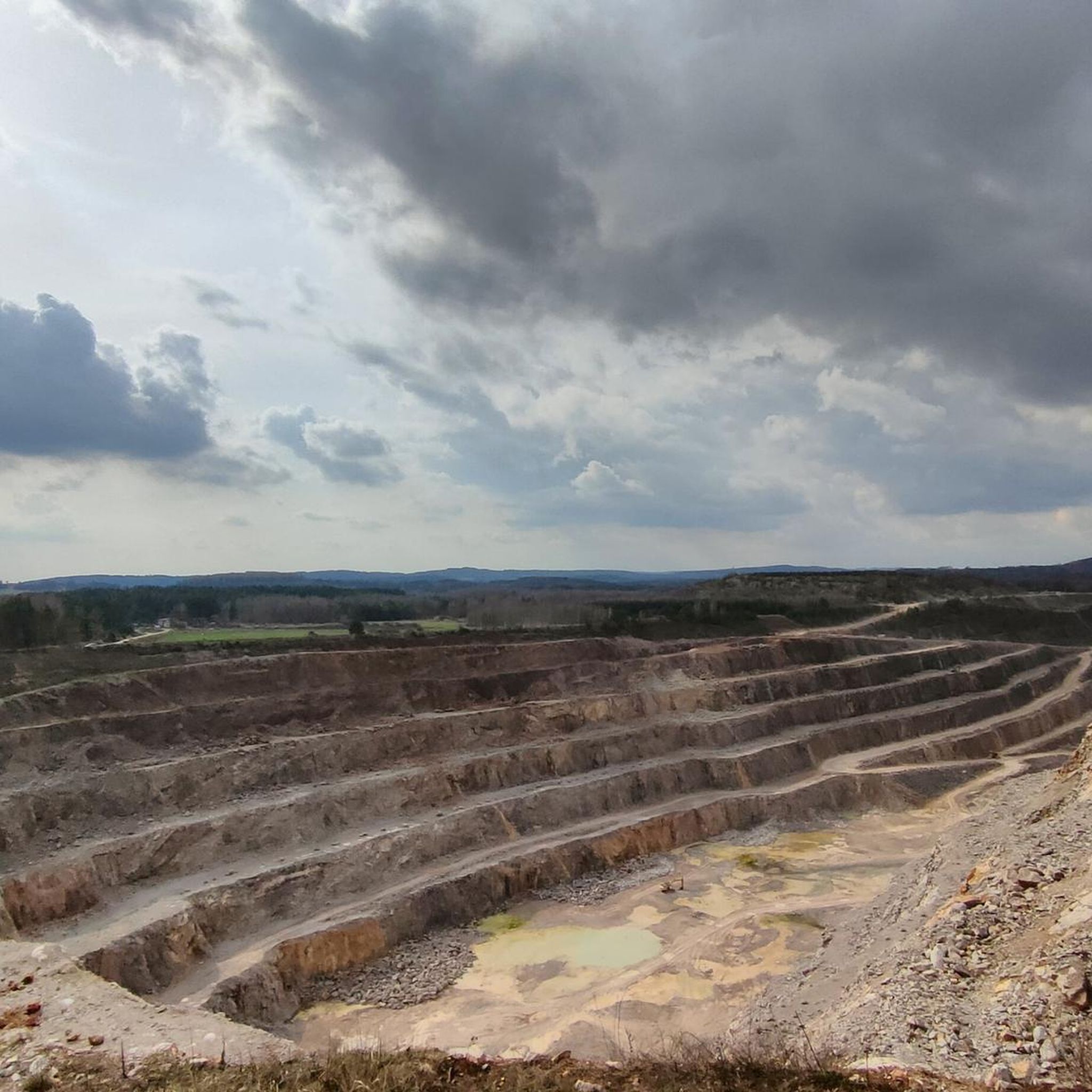
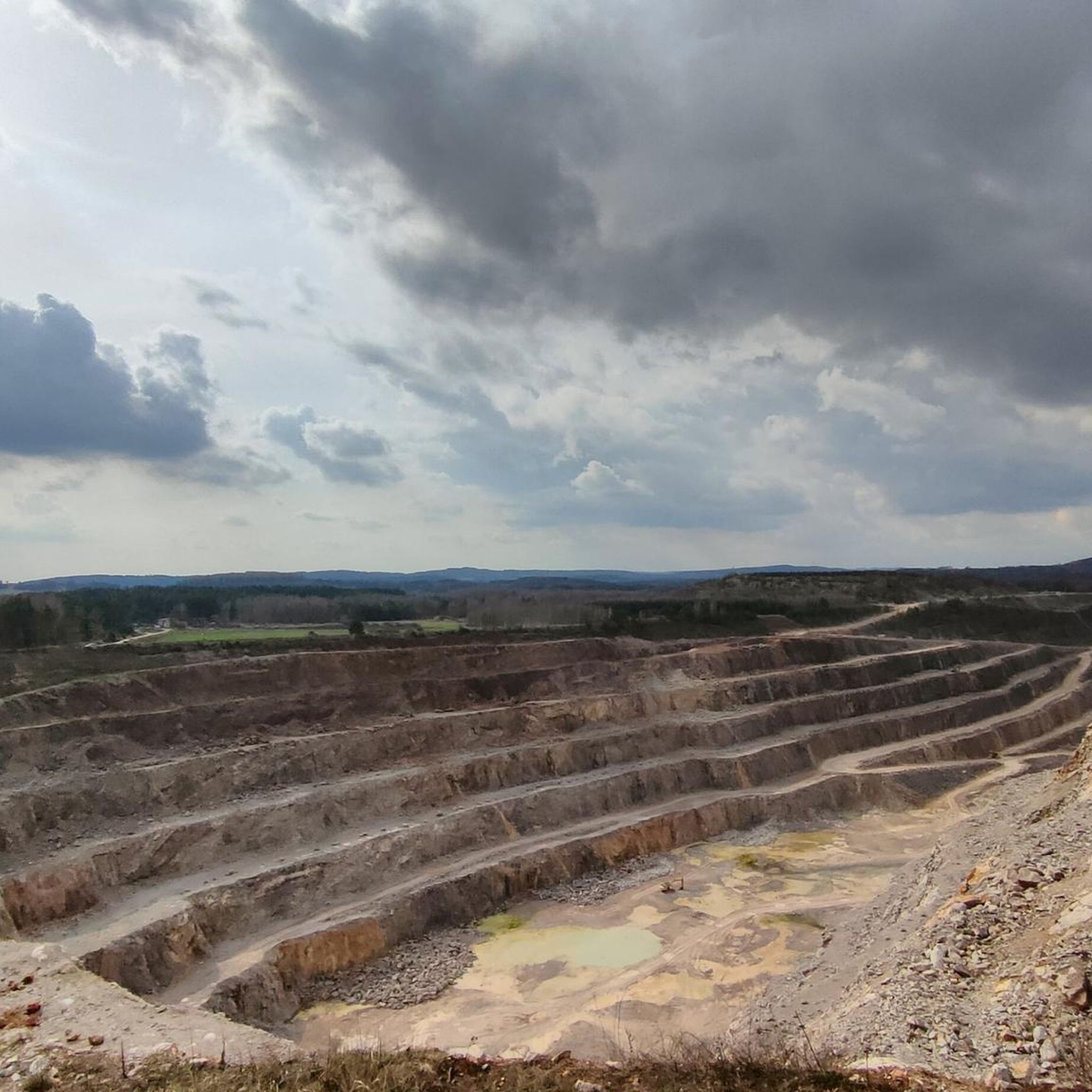
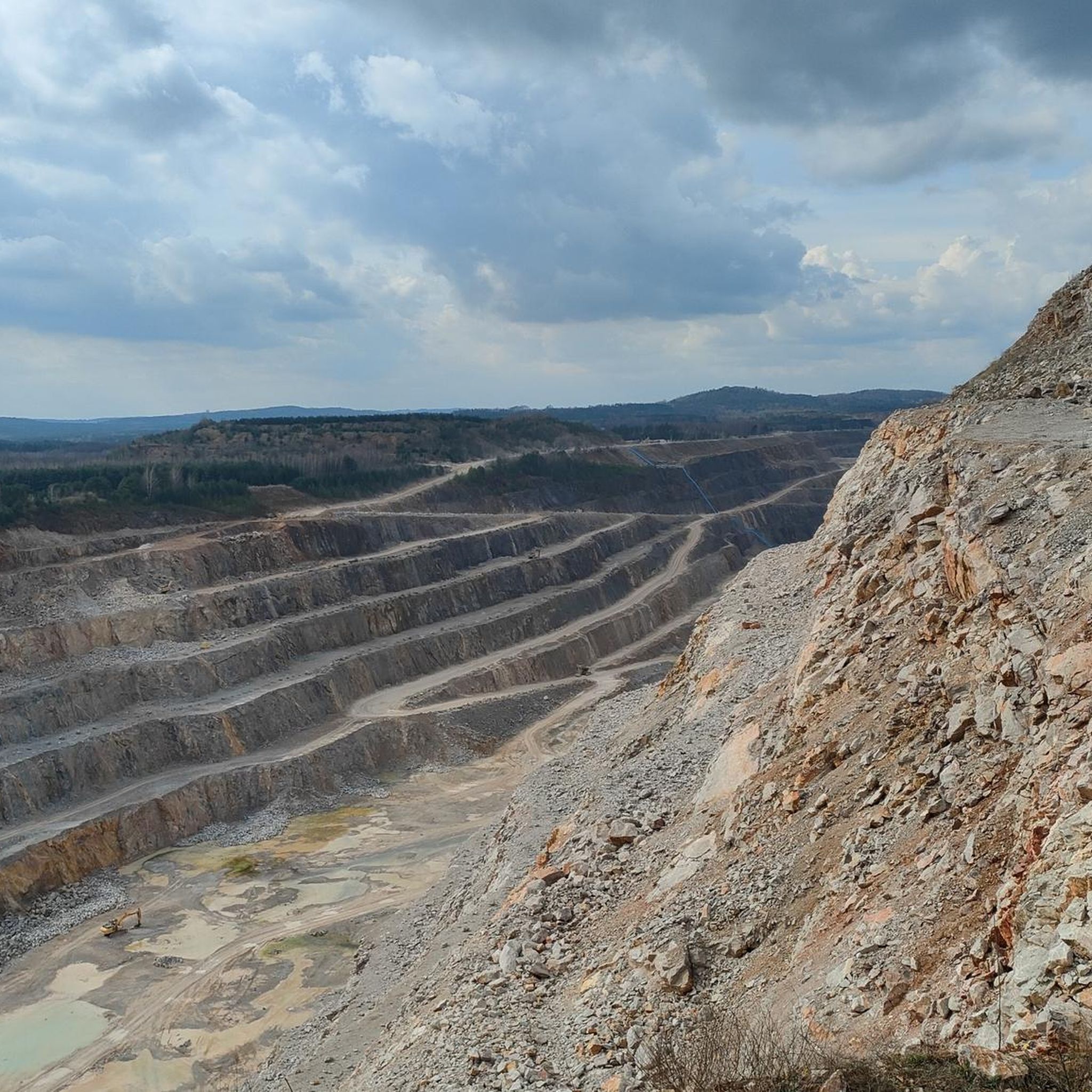
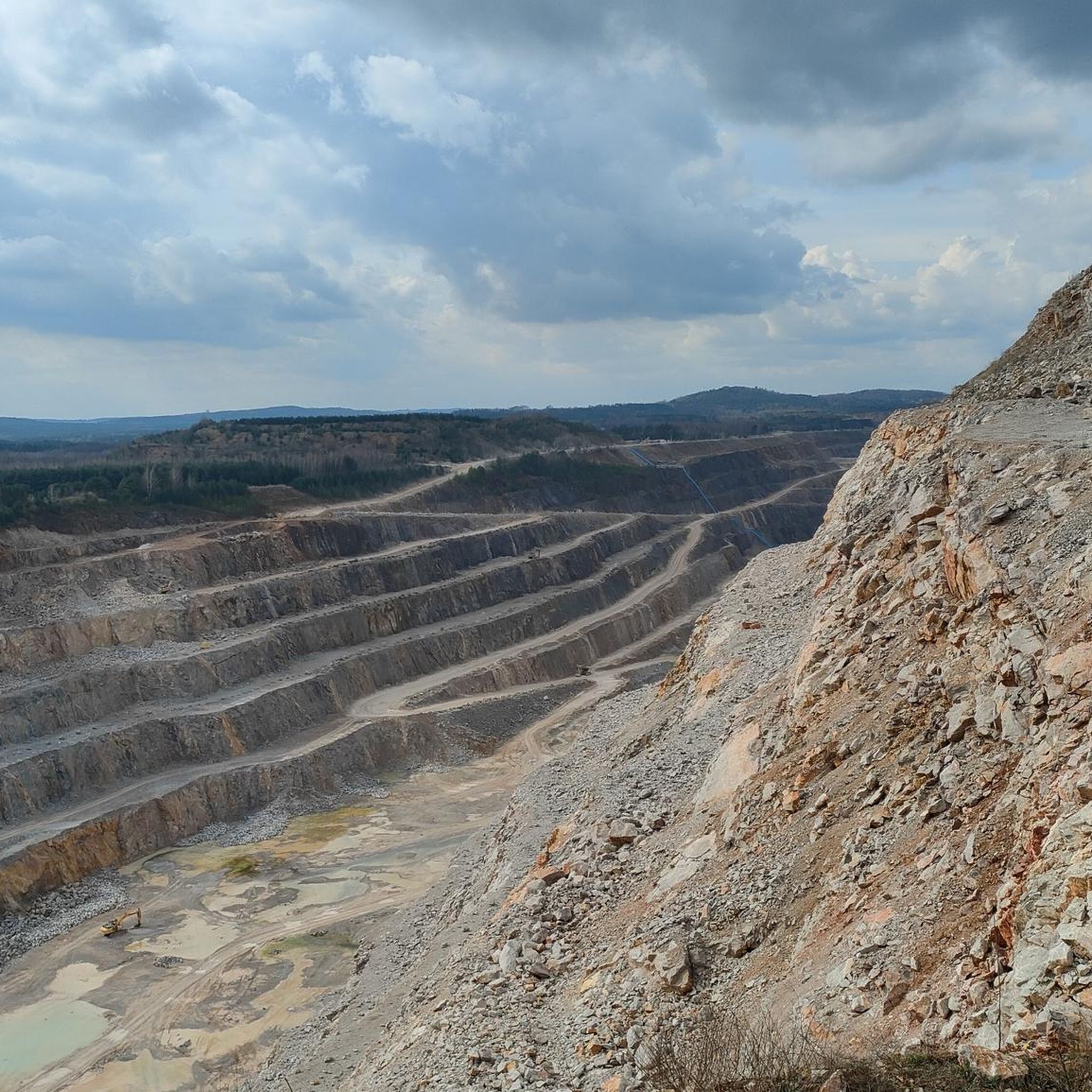
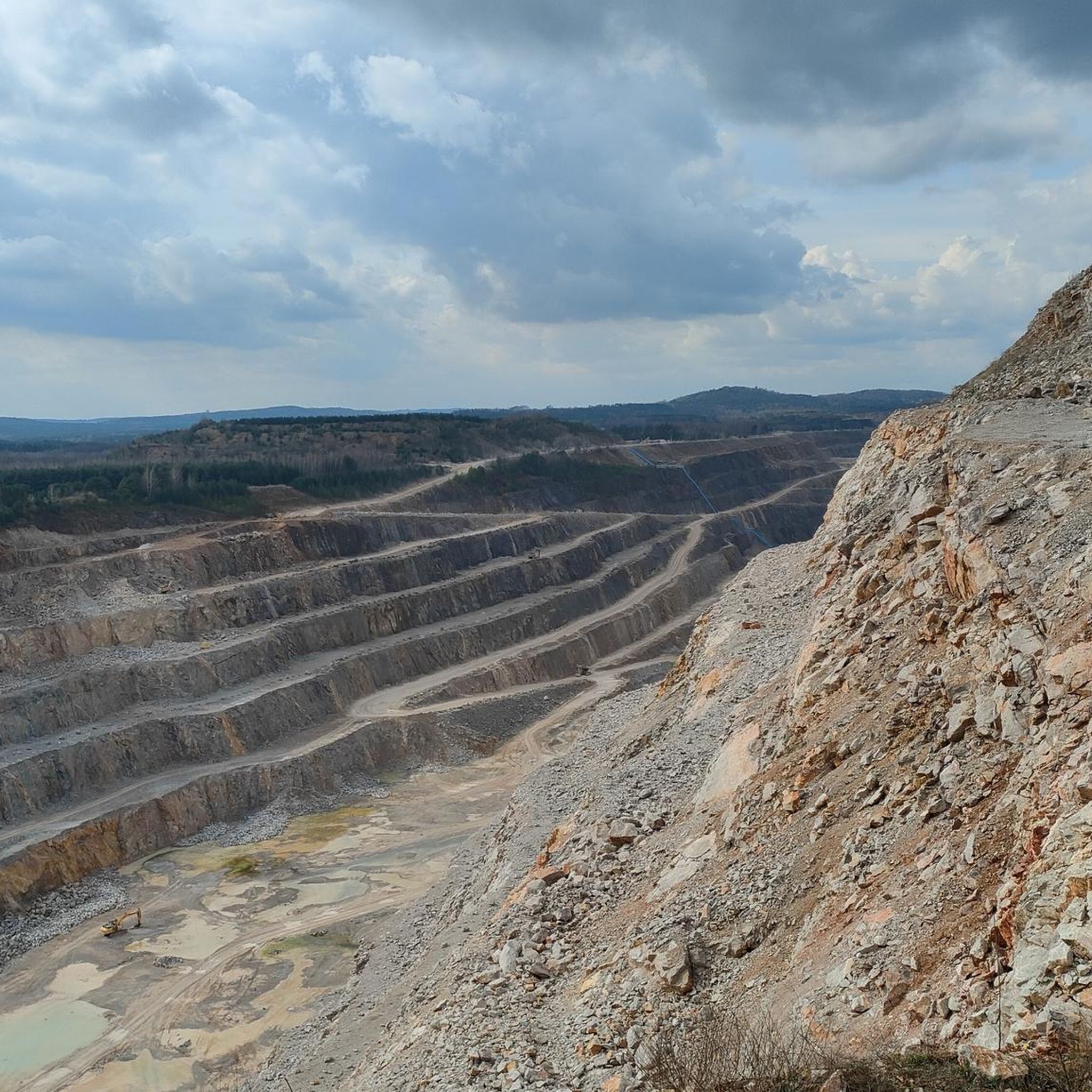
The former quarry and the surrounding forest area have been protected since 1981 as the "Biesak-Białogon" nature reserve. The sandstones quarried here were used to produce paving stones that decorated many streets in Kielce. Thanks to mining works, a profile of rocks of marine origin was uncovered, representing two periods in the history of the Earth: Cambrian and Ordovician. Fossilized deposits of the Cambrian sea, over 500 million years old, are the oldest rocks visible in the reserve. Ordovician sandstones are younger than them and are approximately 480 million years old. They include inserts of greenish, soft rocks called bentonites - fossilized marine sediment mixed with volcanic ash. In the northern wall of the quarry there is also a fragment of the profile in which older (Cambrian) rocks lie on younger (Ordovician) rocks. This, in turn, is a record of ancient orogenic movements that led to the shift and inversion of the arrangement of rock layers. The landscape value of the reserve is emphasized by a small lake filling the excavation of a former quarry.
0
0
A beautiful place worth recommending, you can see it from a bird's eye view;) Zip line for the brave! :)
0
0

A nice little cave. Lots of mosquitoes, it's worth taking flashlights for fun.
0
0
Definitely a great place, worth visiting. Entrance from the west is gentle on the grass, entrance from the east (Zelejowa Street in Łąki) at the end quite steep on slippery rocks along the ridge. Baby carriers for small children.
1
0
Frequently Asked Questions
What unique geological features can I explore among the natural monuments around Piekoszów?
The region is a geological paradise, offering insights into Earth's past. You can explore sites like the Kadzielnia Nature Reserve, a former quarry showcasing exposed rock layers. Another significant site is the Geological Exposure in Zajączków (Kamieniołom Kozi Grzbiet), which features Devonian organodendritic limestones with calcite veins and fossilized remains of snails, amphibians, and reptiles. The Zelejowa Mountain Nature Reserve also boasts the longest limestone ridge in the Świętokrzyskie Mountains and surface karst forms.
Are there any caves to visit near Piekoszów?
Yes, the area is known for its intricate cave systems. A notable example is Piekło Cave (also known as Piekło pod Skibami), a 57-meter-long cave developed in Devonian limestones, where you can observe calcite glazes and small stalactites. It's also inhabited by bats. The region research mentions Chelosiowa Jama, the longest non-Tatra cave in Poland, known for its unique 'calcite porridge' and extensive network of corridors, though access may be restricted.
What kind of outdoor activities can I do near these natural monuments?
The natural monuments around Piekoszów are excellent starting points for various outdoor activities. You can find numerous hiking trails, including easy options like the 'Mount Żakowa – Piekło Cave loop from Skiby' or the 'Zelejów Quarry loop from Skiby'. For more challenging hikes, consider routes like the 'Miedzianka Summit (356 m) – Góra Rzepka Nature Reserve loop from Polichno'. Cyclists can explore road cycling routes such as the 'Chęciny Castle – Wooden Church of Białogon loop from Kielce Białogon'. You can find more details on these and other routes in the Easy hikes around Piekoszów and Hiking around Piekoszów guides.
Are there family-friendly natural attractions in the Piekoszów area?
Yes, several natural monuments offer family-friendly experiences. The Kadzielnia Nature Reserve is categorized as family-friendly and is easily accessible in the heart of Kielce. While some cave explorations might be more adventurous, general nature walks and observing geological formations can be engaging for families. Easy hiking trails, such as those around Piekło Cave, are also suitable for families.
What is the best time of year to visit the natural monuments around Piekoszów?
The best time to visit the natural monuments around Piekoszów is generally during the spring, summer, and autumn months. Spring offers lush greenery and pleasant temperatures, while summer is ideal for longer days and outdoor activities. Autumn provides beautiful foliage, especially around sites like Zelejowa Mountain Nature Reserve, making it a scenic time for hiking and exploration. Winter can be picturesque but may present challenges with snow and ice, particularly in cave areas or on steeper trails.
Where can I find unique viewpoints among the natural monuments?
For unique viewpoints, the Zelejowa Mountain Nature Reserve is an excellent choice, as it features several viewpoints across its massif, offering panoramic vistas of the surrounding landscape. The Kadzielnia Nature Reserve, with its Skałka Geologów, also provides interesting perspectives into the former quarry.
Are there any natural monuments with historical significance in the Piekoszów region?
Yes, several natural monuments in the Piekoszów region hold historical significance, particularly related to mining and geology. The Zelejowa Mountain Nature Reserve is a site of historical mining for 'różanka zelejowska,' a valuable calcite-limestone breccia used in architectural details since the 15th century. Similarly, the Piekło Cave shows traces of prospecting and mining for lead and silver ores. The Biesak-Białogon Nature Reserve Pond is a former quarry where sandstones were extracted for paving stones, revealing geological profiles from the Cambrian and Ordovician periods.
What is the <a href="https://www.komoot.com/highlight/4078353" target="_blank" rel="noopener">Biesak-Białogon Nature Reserve Pond</a> known for?
The Biesak-Białogon Nature Reserve Pond is a former quarry protected since 1981. It's significant for its exposed geological profile, showcasing rocks of marine origin from the Cambrian (over 500 million years old) and Ordovician (approximately 480 million years old) periods. It also features bentonites and a unique geological phenomenon where older Cambrian rocks lie on younger Ordovician rocks due to ancient orogenic movements. The landscape value is enhanced by a small lake filling the excavation.
What is the <a href="https://www.komoot.com/highlight/4932650" target="_blank" rel="noopener">Góra Ciosowa Sandstone Cliff</a>?
The Góra Ciosowa Sandstone Cliff is an inanimate nature monument established in 1987. It features a geological outcrop of Lower Triassic red sandstones, left after an inactive quarry. The exposure is a rock wall up to 20 meters high and about 70 meters long, displaying large-scale diagonal layering that documents the aeolian (wind-formed) genesis of the sediment. It's a striking natural feature within a beautiful forest, located just a few steps from the Main Świętokrzyski Trail.
Are there any permits required to visit the natural monuments or hike in the Piekoszów area?
Generally, permits are not required for casual visits to most natural monuments or for hiking on marked trails in the Piekoszów area. However, for specific nature reserves or protected cave systems like Chelosiowa Jama, access might be restricted or require special permission, often for guided tours or scientific purposes. It's always advisable to check local regulations for any specific site you plan to visit, especially if venturing off marked paths or into sensitive ecological areas.
What do visitors enjoy most about the natural monuments around Piekoszów?
Visitors frequently appreciate the exceptional geological features and the educational opportunities these sites provide. The exposed rock layers, ancient fossils, and intricate karst systems offer a unique window into Earth's past. Many enjoy the scenic beauty and opportunities for hiking and nature exploration, particularly in areas like Zelejowa Mountain Nature Reserve. The komoot community has shared over 60 photos and given more than 150 upvotes, highlighting the visual appeal and engaging nature of these sites.
Is public transport available to reach the natural monuments around Piekoszów?
While specific public transport routes directly to every natural monument might be limited, some sites are more accessible. For instance, Kadzielnia Nature Reserve is located in the heart of Kielce, making it relatively easy to reach by local transport. For other, more remote locations like the Geological Exposure in Gałęzice or the Karstic Depression in Łaziska, reaching them might require a combination of public transport to nearby villages and then walking or cycling. Planning your journey in advance is recommended.
Most popular routes around Piekoszów
Most popular attractions around Piekoszów

Get inspired with the komoot mobile app


Explore more
Extend your search for the best caves by checking out these guides of the top ones around Piekoszów:
