Top 12 Natural Monuments around gmina Wiślica
Natural monuments around gmina Wiślica are characterized by distinctive geological formations and diverse flora. The region, situated in the Nida Valley, is part of the Ponidzie Landscape Parks Complex. Its specific geological structure, including gypsum and karst phenomena, influences unique ecosystems. This area offers a variety of natural features for exploration.
Best natural monuments around gmina Wiślica
- The most popular natural monuments is Confluence of the Dunajec and Vistula Rivers, a river and viewpoint. This location marks the meeting…
Last updated: October 16, 2026
Medieval Stronghold in Wiślica
Highlight • Historical Site
Translated by Google •
Tip by

Krocząca Sosna (The Walking Pine)
Highlight • Natural Monument
Translated by Google •
Tip by

Sign up now to discover places like this
Get recommendations on the best single tracks, peaks, & plenty of other exciting outdoor places.
Confluence of the Dunajec and Vistula Rivers
Highlight • River
Translated by Google •
Tip by

Obelisk of the Battle of Grochowiska
Highlight • Monument
Translated by Google •
Tip by

Stradów Hillfort
Highlight • Historical Site
Translated by Google •
Tip by

Sign up for free to discover even more natural monuments around gmina Wiślica.
Already have an account?
Start today with a free account
Your next adventure awaits.
Tips from the Community

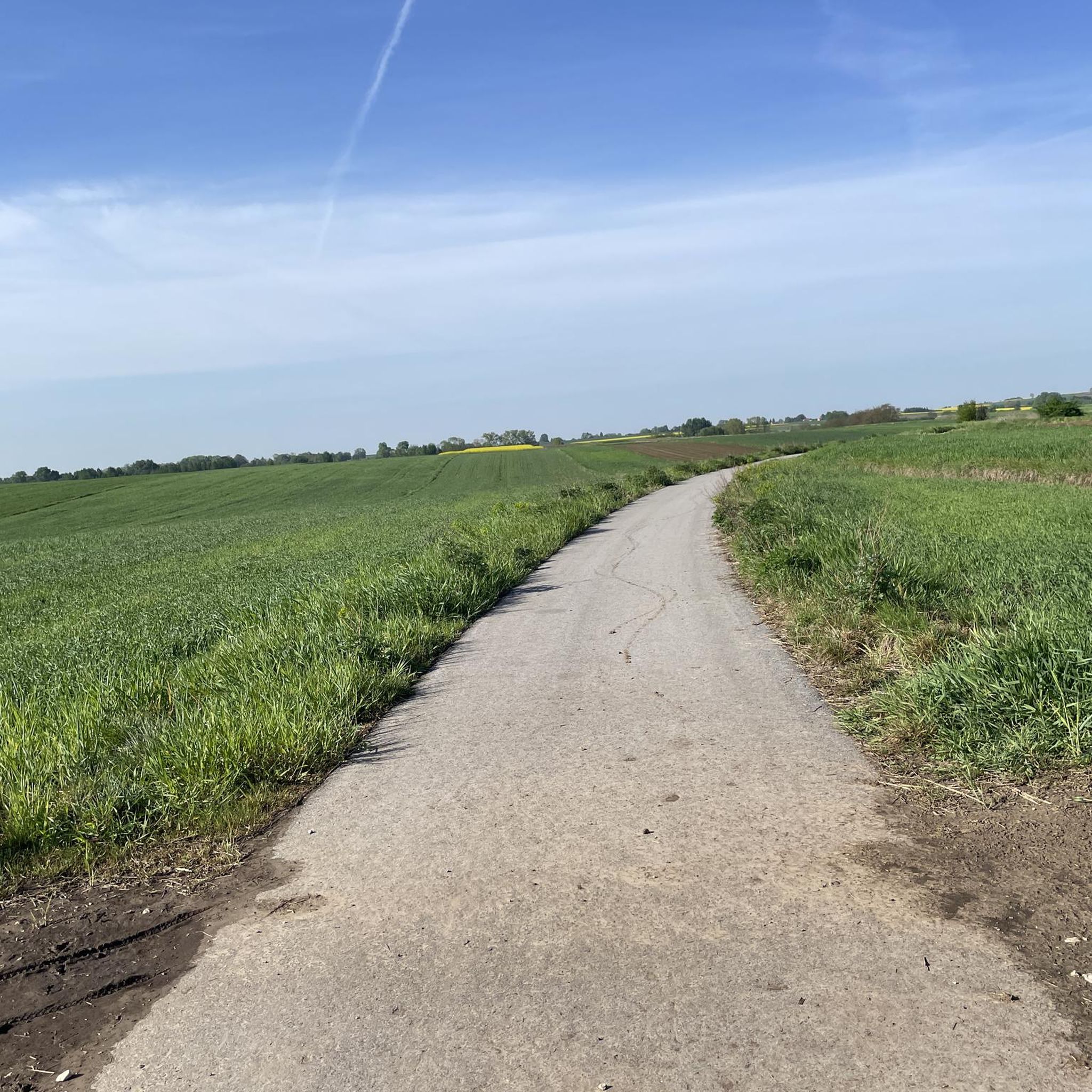
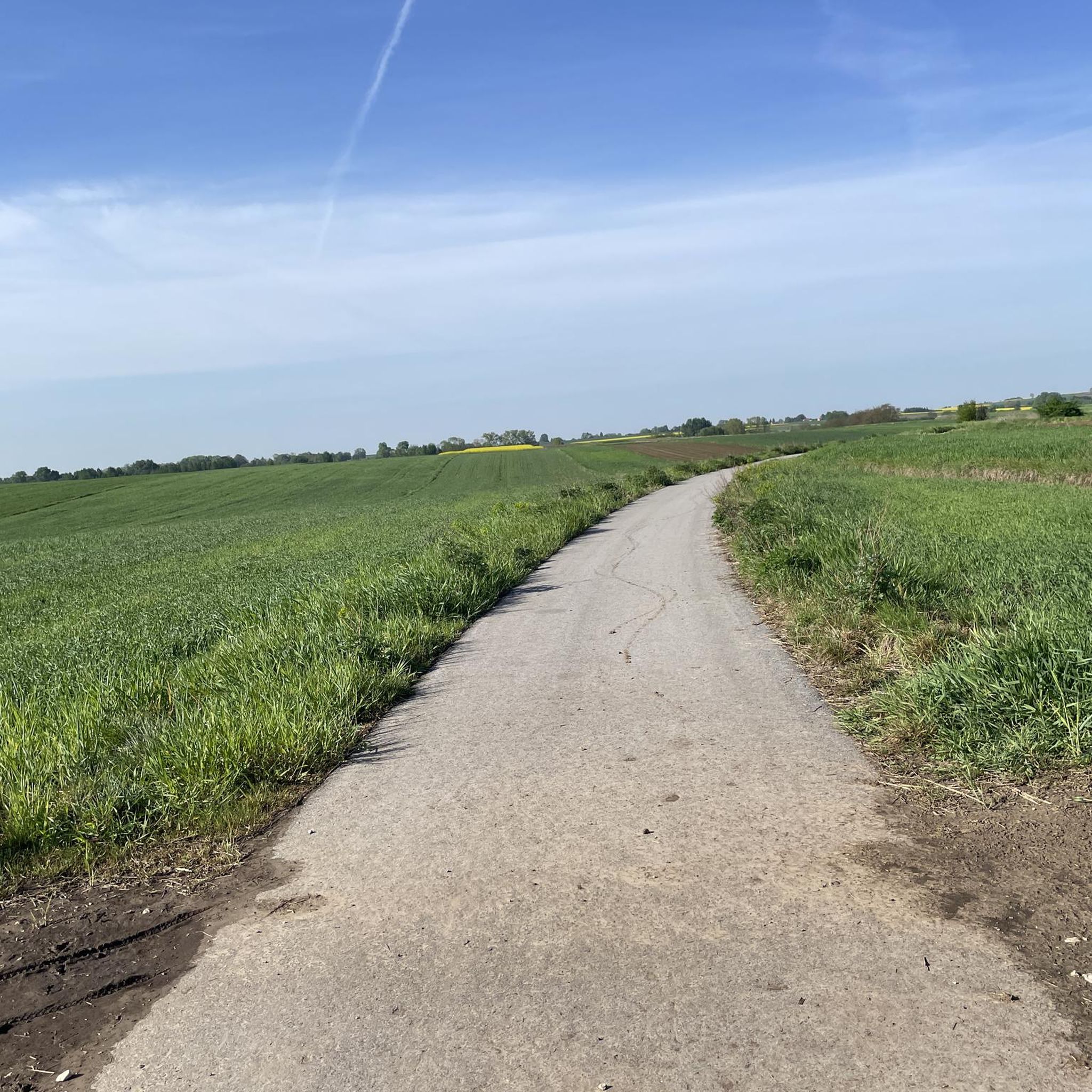
There were a lot of nettles and mud along the way to the site
0
0

An invitation to a journey through time. In the heart of picturesque Ponidzie, on the loess hill of Garb Wodzisławski, stands the Stradów Stronghold, one of Poland's most important archaeological monuments. This monumental defensive complex, dating from the 8th to 11th centuries, is not only a testament to the might of the Vistulan tribe, but also a place that captivates with its history and breathtaking landscapes. Walking along the castle's mighty ramparts, you can almost hear the echoes of bygone days, when the stronghold was bustling with life, and its inhabitants traded, built, and defended their lands. Visit Stradów and discover secrets dating back over 1,200 years!
1
0
In the 8th century – 500 years before most castles were built in Europe – there was a mighty wooden castle with a high moat here. The height of the moat is still impressive today. The walk is worthwhile because the entire area has recently been developed for tourism. There is a parking lot, a tourist office, a very beautiful thatched shelter, and a newly constructed hiking trail around the moat with two staircases that also provide access to the interior.
1
0

Other name: Pine on stilts
0
0

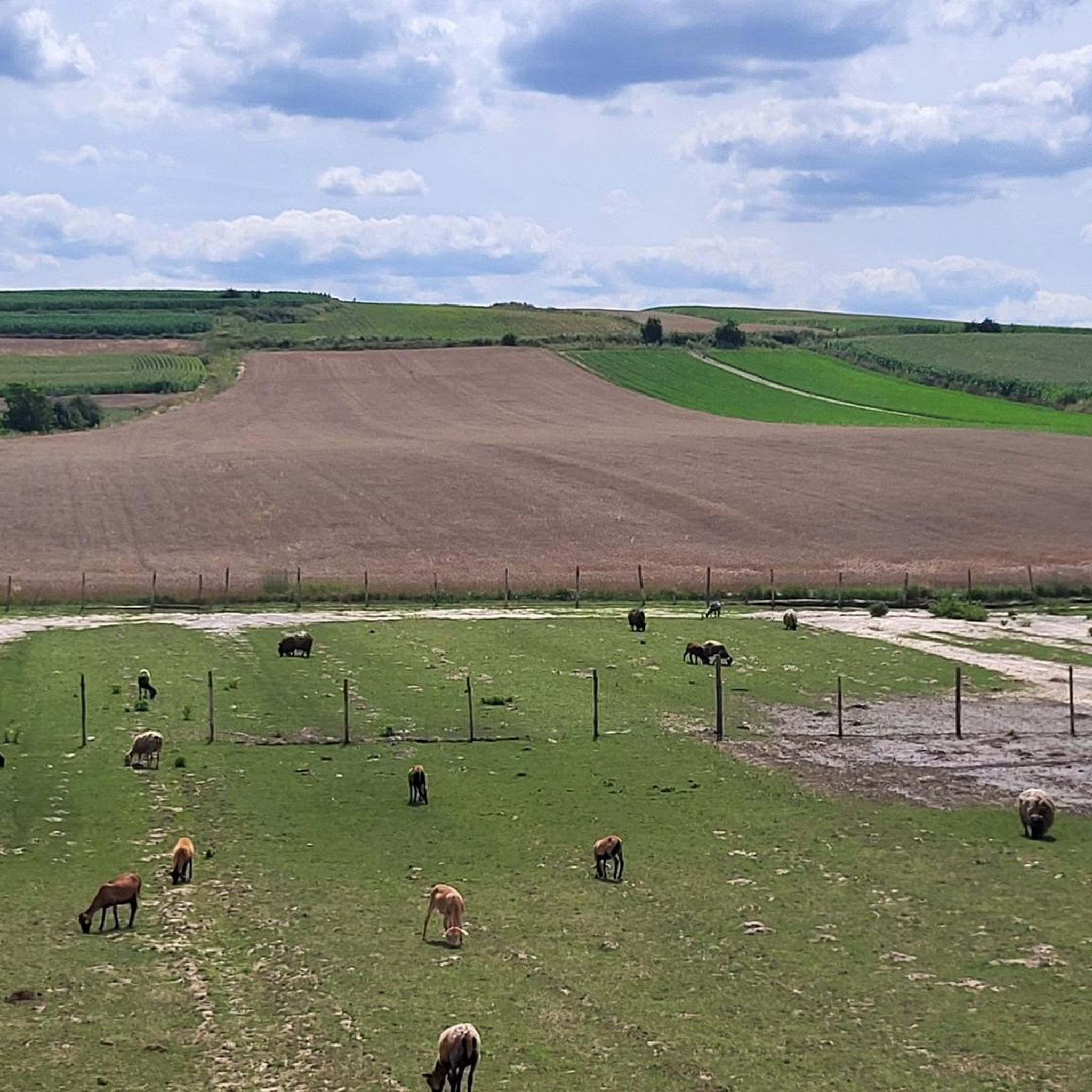
Absolutely unmissable not only in Ponidzie, but in the whole of Poland: it is the oldest preserved hillfort in the whole country. According to archaeologists, this hillfort belonged to the Vistulan tribe, perhaps even in the 8th century. You can see the ramparts and even the moat here - of course, today covered with grass. It's worth it! In addition, from the top there are beautiful views of the Ponidzie valleys.
2
0

The Wiślica stronghold, currently known as "Na Łąkach", was built at the earliest around the second half of the 10th century. The nature of the fortifications' construction would indicate that its construction was related to Czech influences and the period of Czech rule in Lesser Poland, although it is also possible that its foundation was carried out by the Piast dynasty at the turn of the 10th and 11th centuries, but the construction was carried out according to the building traditions known in the region. Since there was another, slightly older stronghold in Wiślica, in the area of which later developed monumental palace and sacral buildings, it is possible that the seat "Na Łąkach" was associated exclusively with a military function. Alternatively, the stronghold "Na Łąkach" was built after the destruction of the older stronghold and both establishments did not initially function at the same time. In the 11th century, in addition to the stronghold "Na Łąkach", at least three nearby settlements developed in Wiślica, one of which was located on the site of an older stronghold that was destroyed at that time. At the end of the 11th century or at the beginning of the 12th century, the stronghold "Na Łąkach" was also burned down. Its fall may have occurred in 1135, during the invasion of the Ruthenians and Cumans, associated with the policy of supporting the pretender to the Hungarian throne, Boris Kolomanović, by the Polish prince. Boris was probably settled in the stronghold of Wiślica at that time, so when Krzywousty stopped supporting him, he could take revenge by handing him over to the allied Ruthenians, led by Władymirka, son of Włodar, the prince of Przemyśl and Galicia. After rebuilding from the destruction, Bolesław Krzywousty did not restore the rank of Wiślica, which initially, as one of the less significant centers, became part of the senior district.
1
0

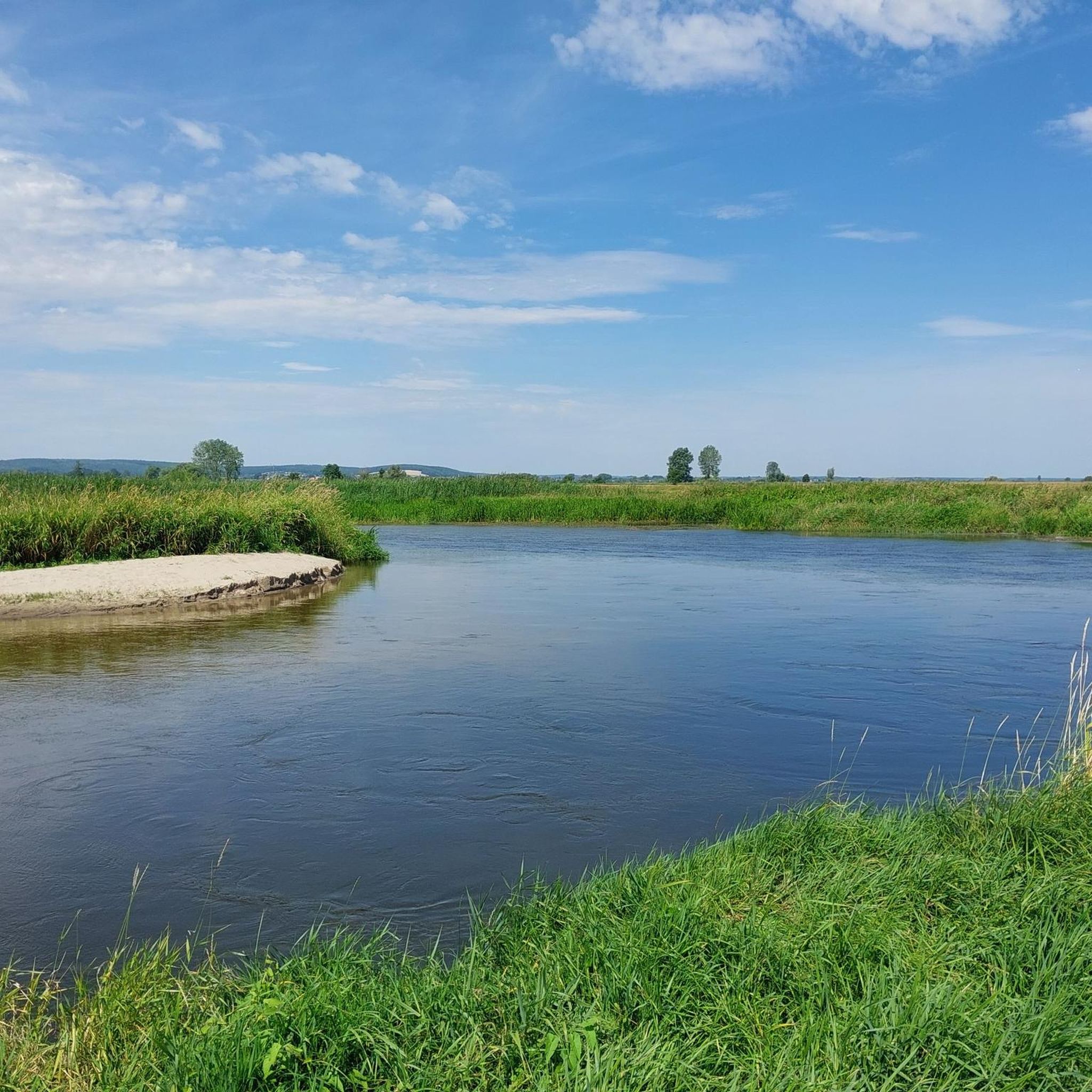
Beautiful view of the estuary and Opatowiec. Access road from WTR sometimes very muddy.
0
0

Pine - unique. Access from both sides from the road or with an "adventure" through the forest ;-)
0
0
Frequently Asked Questions
What unique geological features can I explore in gmina Wiślica?
Gmina Wiślica is renowned for its distinctive geological formations, particularly those related to gypsum and karst phenomena. A prime example is the Krocząca Sosna (The Walking Pine), a unique pine tree with its trunk 3 meters above the ground, a natural feature of the Nida Valley. The region also features the Skorocice Nature Reserve, known for its diverse karst forms, and the impressive Gypsum Dome on the Grodzisko in Wiślica, considered the best-formed and most visible gypsum dome in Poland, showcasing sabre gypsum crystals up to 60 cm long.
Are there any historical sites that are also considered natural monuments in gmina Wiślica?
Yes, gmina Wiślica offers several sites where history and nature intertwine. The Stradów Hillfort is a significant historical site and natural monument, featuring preserved ramparts and a moat, offering views of the Ponidzie valleys. Another is the Medieval Stronghold in Wiślica, an earth formation that is the remains of an ancient fortification. Additionally, the Obelisk of the Battle of Grochowiska commemorates a major battle of the January Uprising and is also listed as a natural monument.
What kind of flora and fauna can I expect to see in the natural reserves of gmina Wiślica?
The natural reserves in gmina Wiślica, such as the Skorocice Nature Reserve and others like "Góry Wschodnie", "Przęślin", and "Skotniki Górne", are havens for warmth-loving, steppe vegetation. You might encounter notable species such as pheasant's eye (Miłka wiosenna), feather grass (Ostenica włosowata), and Siberian bellflower (Dzwonek syberyjski). The sun-drenched slopes of the gypsum hills support this unique ecological diversity.
Are there family-friendly natural attractions in gmina Wiślica?
Absolutely. The Confluence of the Dunajec and Vistula Rivers is a family-friendly viewpoint where you can observe the meeting of two rivers. The Obelisk of the Battle of Grochowiska is also noted as family-friendly and wheelchair accessible, offering a historical monument in a natural setting. These locations provide accessible and engaging experiences for all ages.
What outdoor activities can I do near the natural monuments in gmina Wiślica?
The region offers various outdoor activities. For hiking, you can explore routes like 'To the Skorocice and Winiary reserves' or the 'Stilt Pine loop from Wełecz'. If you prefer cycling, there are road cycling routes such as 'Pedestrian Bridge – Scenic Section Through Fields loop from Busko-Zdrój' or 'Jewish Cemetery Memorial – Długosz House in Wiślica loop from Busko-Zdrój'. You can find more details on these activities in the Easy hikes around gmina Wiślica, Road Cycling Routes around gmina Wiślica, and Hiking around gmina Wiślica guides.
What is the best time of year to visit the natural monuments in gmina Wiślica?
The best time to visit the natural monuments in gmina Wiślica is generally during the warmer months, from spring to early autumn. This period allows for comfortable exploration of the geological formations and offers the best opportunity to appreciate the warmth-loving steppe vegetation in full bloom, especially in reserves like Skorocice.
Are there accessible trails or natural monuments for visitors with mobility considerations?
Yes, some natural monuments in gmina Wiślica offer better accessibility. The Obelisk of the Battle of Grochowiska is noted as wheelchair accessible, with an asphalt road leading directly to it. While some natural paths might be rugged, this specific site provides an option for visitors with mobility considerations.
Can I bring my dog to the natural monuments in gmina Wiślica?
While specific regulations for each natural monument may vary, generally, many outdoor areas in gmina Wiślica are dog-friendly, especially on trails and in open natural spaces. It's always recommended to keep dogs on a leash and to clean up after them to preserve the natural environment and respect other visitors.
How long should I plan for exploring the natural monuments in gmina Wiślica?
The time needed to explore the natural monuments in gmina Wiślica can vary. For a quick visit to a specific highlight like the Krocząca Sosna (The Walking Pine) or the Confluence of the Dunajec and Vistula Rivers, a few hours might suffice. However, to fully appreciate the geological reserves, historical sites, and engage in hiking or cycling, planning a full day or even a weekend would allow for a more comprehensive experience.
What are some of the less-known or 'hidden' natural gems in the gmina Wiślica area?
Beyond the more frequently visited sites, gmina Wiślica is home to several other significant nature reserves that protect valuable clusters of warmth-loving flora and fauna. These include "Góry Wschodnie", "Przęślin", and "Skotniki Górne". These areas, characterized by sun-drenched slopes on gypsum hills, offer a chance to discover the region's ecological diversity away from the main tourist paths.
Are there any viewpoints offering scenic vistas of the region's natural beauty?
Yes, the region offers several scenic viewpoints. The Confluence of the Dunajec and Vistula Rivers provides beautiful views of the estuary and Opatowiec. Additionally, from the top of the Stradów Hillfort, you can enjoy breathtaking panoramas of the Ponidzie valleys, showcasing the area's natural and historical landscape.
Most popular routes around gmina Wiślica
Most popular attractions around gmina Wiślica

Get inspired with the komoot mobile app


Explore more
Extend your search for the best caves by checking out these guides of the top ones around gmina Wiślica:
