Top 4 Natural Monuments around gmina Nowy Korczyn
Best natural monuments around gmina Nowy Korczyn are characterized by their diverse natural features, including river confluences and unique geological formations. The region is situated within the broader Ponidzie area, known for its natural reserves and distinctive landscapes. These natural sites offer insights into the local geology and ecology.
Best natural monuments around gmina Nowy Korczyn
- The most popular natural monuments is Confluence of the Dunajec and Vistula Rivers, a river confluence that offers views of the meeting of…
Last updated: June 29, 2026
Medieval Stronghold in Wiślica
Highlight • Historical Site
Translated by Google •
Tip by

Confluence of the Dunajec and Vistula Rivers
Highlight • River
Translated by Google •
Tip by

Sign up now to discover places like this
Get recommendations on the best single tracks, peaks, & plenty of other exciting outdoor places.
Sign up for free
Translated by Google •
Tip by

Skorocice Nature Reserve
Highlight • Natural Monument
Translated by Google •
Tip by

Skorocice Nature Reserve
Highlight • Gorge
Translated by Google •
Tip by

Start today with a free account
Your next adventure awaits.
Login or Signup
Tips from the Community

The Skorocice Reserve was established in 1960. It covers a karst valley here, 750 m long and 80 m wide, partially carved by the stream here.
0
0

The Wiślica stronghold, currently known as "Na Łąkach", was built at the earliest around the second half of the 10th century. The nature of the fortifications' construction would indicate that its construction was related to Czech influences and the period of Czech rule in Lesser Poland, although it is also possible that its foundation was carried out by the Piast dynasty at the turn of the 10th and 11th centuries, but the construction was carried out according to the building traditions known in the region. Since there was another, slightly older stronghold in Wiślica, in the area of which later developed monumental palace and sacral buildings, it is possible that the seat "Na Łąkach" was associated exclusively with a military function. Alternatively, the stronghold "Na Łąkach" was built after the destruction of the older stronghold and both establishments did not initially function at the same time. In the 11th century, in addition to the stronghold "Na Łąkach", at least three nearby settlements developed in Wiślica, one of which was located on the site of an older stronghold that was destroyed at that time. At the end of the 11th century or at the beginning of the 12th century, the stronghold "Na Łąkach" was also burned down. Its fall may have occurred in 1135, during the invasion of the Ruthenians and Cumans, associated with the policy of supporting the pretender to the Hungarian throne, Boris Kolomanović, by the Polish prince. Boris was probably settled in the stronghold of Wiślica at that time, so when Krzywousty stopped supporting him, he could take revenge by handing him over to the allied Ruthenians, led by Władymirka, son of Włodar, the prince of Przemyśl and Galicia. After rebuilding from the destruction, Bolesław Krzywousty did not restore the rank of Wiślica, which initially, as one of the less significant centers, became part of the senior district.
1
0

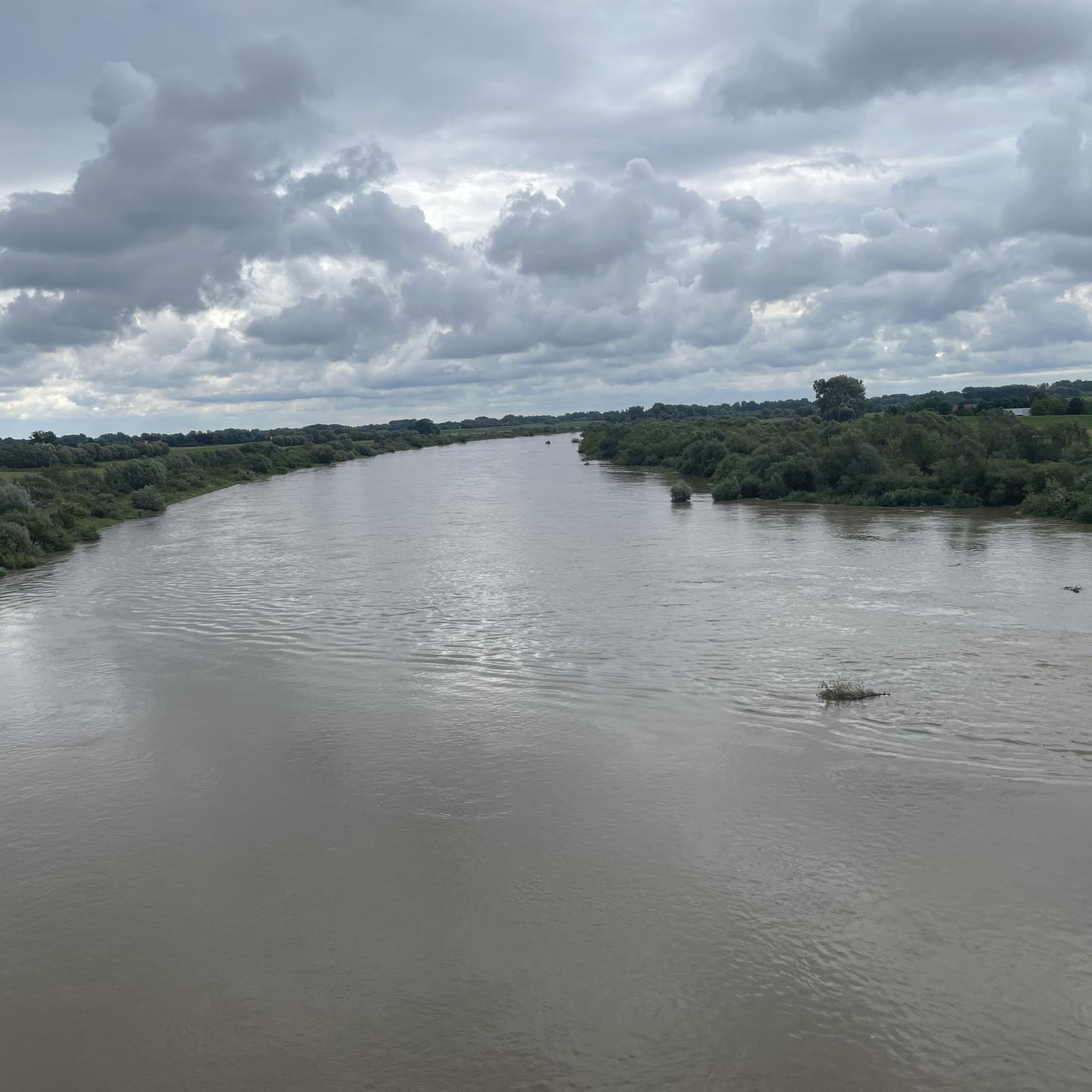
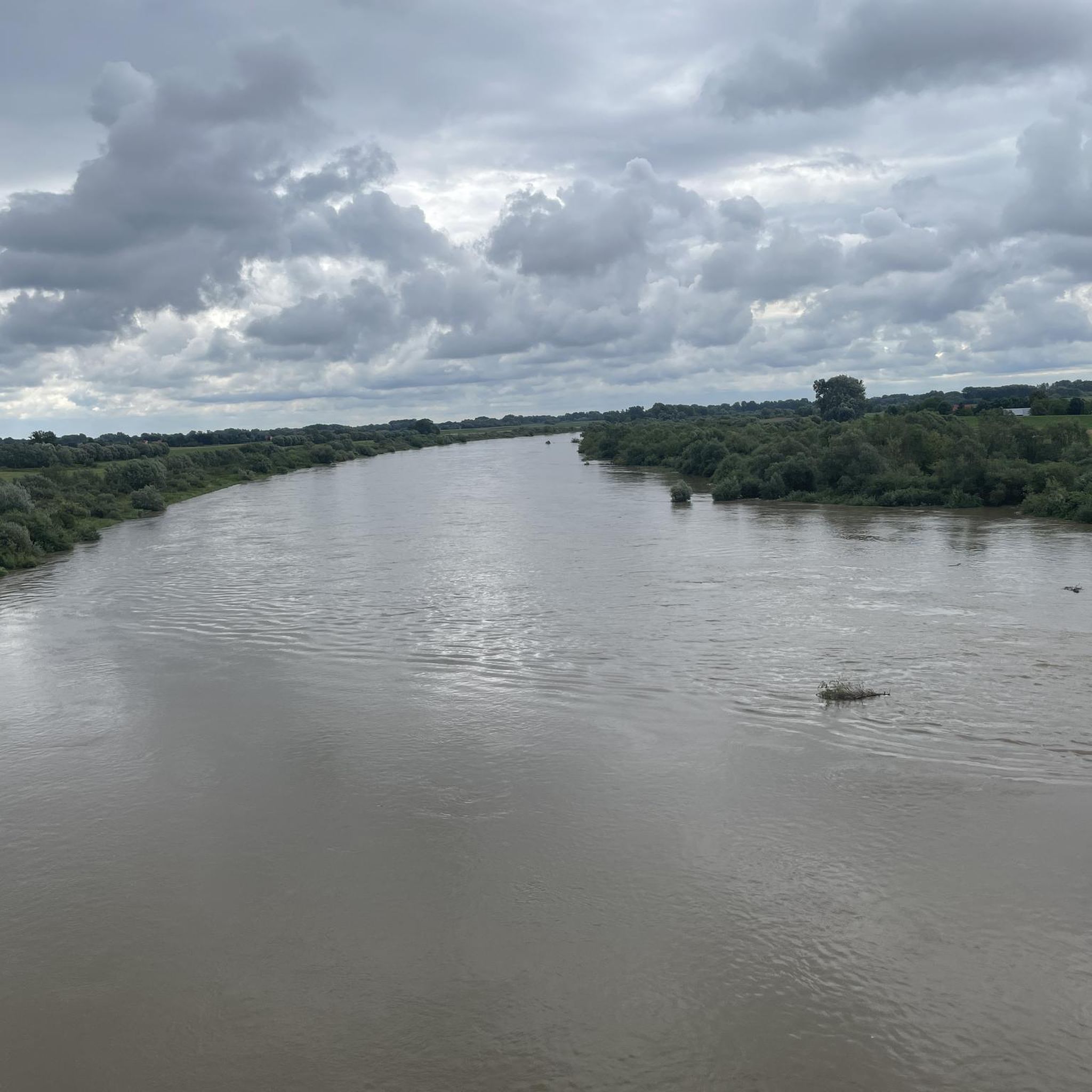
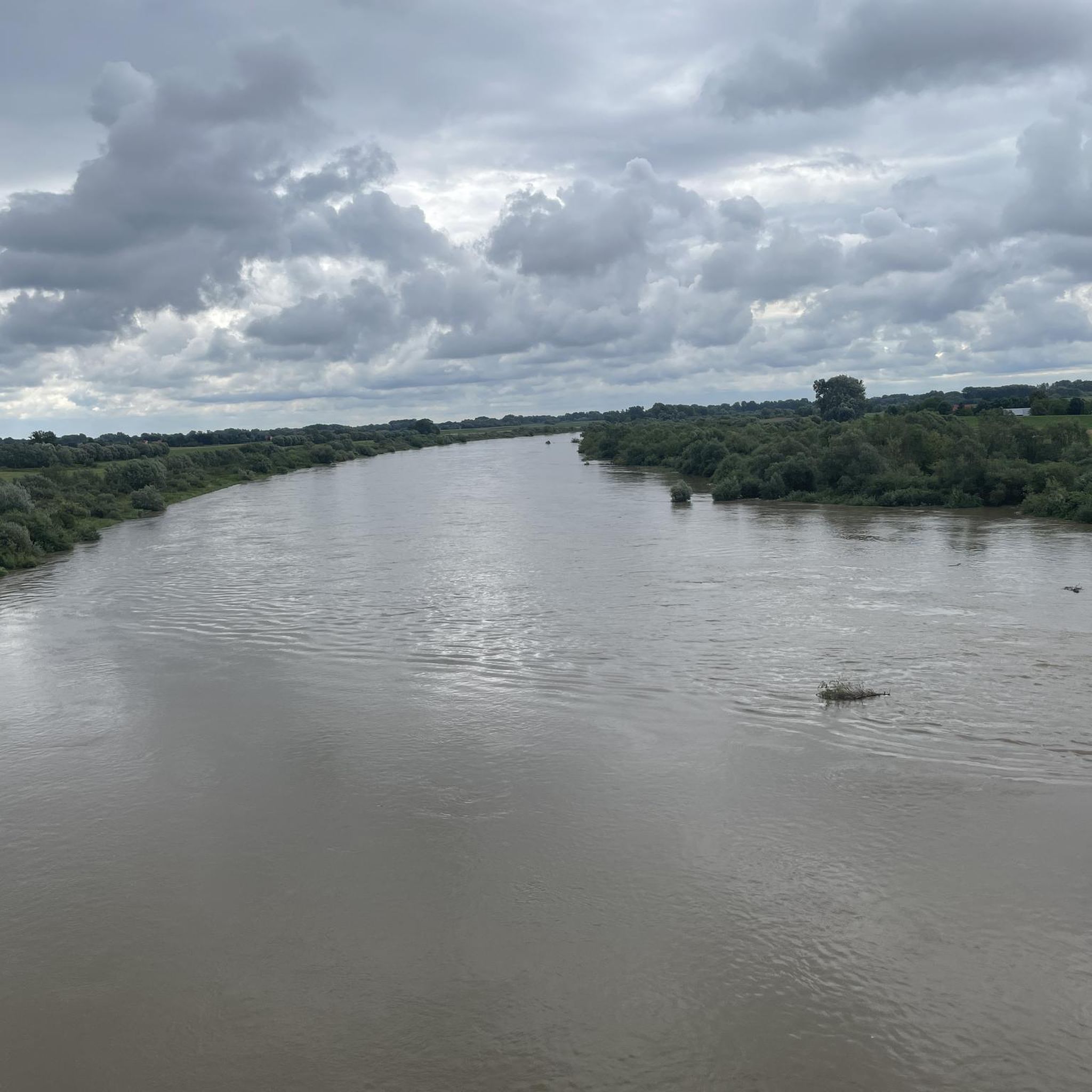
Beautiful view of the estuary and Opatowiec. Access road from WTR sometimes very muddy.
0
0

The fortified settlement is just outside the city
0
0

Well-kept place. Unfortunately, the ferry has recently been closed down.
0
0
The Skorocice reserve was created in 1960 in the village of the same name. It covers an area of 7.7 ha. The facility includes a unique karst valley, 750 m long and up to 80 m wide, created as a result of the collapse of fragments of karst caves and the erosional activity of a stream flowing from springs in the upper part of the gorge. Moreover, it is cut into gypsum rocks to a depth of several meters.
0
0

The last few dozen meters involve walking along a narrow path among the bushes, but then there are views
0
0
The meeting of two rivers
0
0
Frequently Asked Questions
What unique natural features can I explore around Gmina Nowy Korczyn?
The region is known for its distinctive geological formations and river confluences. A prominent example is the Confluence of the Dunajec and Vistula Rivers, where you can observe the meeting of these two significant rivers. The area also features unique karst valleys and gypsum outcrops.
Are there any notable nature reserves in the vicinity of Gmina Nowy Korczyn?
Yes, the broader Ponidzie region, where Gmina Nowy Korczyn is located, is home to significant nature reserves. The Skorocice Nature Reserve is a prime example, featuring a unique karst valley with gypsum walls, caves, and diverse xerothermic vegetation. Another important site is the Winiary Zagojskie Nature Reserve, known for its rich warm-loving grasslands and rare plant species.
What kind of wildlife and flora can I expect to see in the natural monuments here?
The natural monuments around Gmina Nowy Korczyn, particularly the nature reserves, are rich in biodiversity. In areas like the Skorocice Nature Reserve, you can find rare and protected plants such as feather grass and spring pheasant's eye, alongside interesting xerothermic insects and bats in the caves. The Winiary Zagojskie Reserve protects numerous rare vascular plant species and is notable for its insect fauna, including the scarce large blue butterfly.
Are there family-friendly natural monuments to visit?
Yes, several natural monuments are suitable for families. The Confluence of the Dunajec and Vistula Rivers offers scenic views and is generally accessible. Another option is The mouth of the Dunajec River into the Vistula and the Piłsudski Monument, which combines natural beauty with a historical site, offering a pleasant area along the Vistula River for a walk.
What outdoor activities can I do near these natural monuments?
The area around Gmina Nowy Korczyn offers various outdoor activities. You can explore hiking trails, such as the 'To the Skorocice and Winiary reserves' route, which is an easy hike. For cycling enthusiasts, there are numerous routes, including road cycling and general cycling tours. You can find more details on these activities in the Road Cycling Routes around Gmina Nowy Korczyn, Easy hikes around Gmina Nowy Korczyn, and Cycling around Gmina Nowy Korczyn guides.
Are there hiking trails that pass through the natural reserves?
Yes, both the Skorocice Nature Reserve and the Winiary Zagojskie Nature Reserve are accessible via hiking trails. A blue hiking trail from Pińczów to Wiślica passes through the Skorocice Reserve, allowing visitors to explore its karst formations and unique flora. Similarly, a blue tourist trail runs through or near the Winiary Zagojskie Reserve.
What is the best time of year to visit the natural monuments?
The natural monuments, especially the nature reserves with their rich flora, are particularly beautiful in spring and early summer when many of the rare plant species are in bloom. Autumn also offers pleasant weather for exploration and scenic views. While accessible year-round, winter conditions might limit access to some trails or make certain areas less vibrant.
What geological formations are characteristic of the natural monuments in this region?
The region is notable for its unique karst geology, particularly evident in the Skorocice Nature Reserve. Here, you can observe impressive gypsum outcrops, caves, natural corridors, rock bridges, sinkholes, and dolines, all formed in Tertiary gypsum rocks. The Skorocicki stream further sculpts the landscape, sometimes flowing through underground sections of the caves.
What do visitors enjoy most about the natural monuments around Gmina Nowy Korczyn?
Visitors frequently appreciate the scenic views, especially at the river confluences, and the opportunity to witness unique geological formations. The Skorocice Nature Reserve is often highlighted for its gypsum outcrops and caves. Many also enjoy the well-kept areas along the Vistula River, offering pleasant walks and a chance to connect with nature.
Are there any historical sites located near the natural monuments?
Yes, the area combines natural beauty with historical significance. For instance, The mouth of the Dunajec River into the Vistula and the Piłsudski Monument is a site where you can observe the river estuary and learn about the historical significance of Piłsudski's legions crossing here. Additionally, the Medieval Stronghold in Wiślica, though primarily historical, is categorized as a natural monument due to its earth formation remnants, offering a glimpse into the region's past.
Is it possible to find parking near the natural monuments?
While specific parking details vary by location, many natural monuments and reserves in the region are generally accessible by car. For example, the Skorocice Nature Reserve is located in the neighboring Gmina Wiślica and can be reached. For sites like the river confluences, access roads are available, though some may be muddy depending on weather conditions.
Most popular routes around gmina Nowy Korczyn
Most popular attractions around gmina Nowy Korczyn

Get inspired with the komoot mobile app


Explore more
Extend your search for the best caves by checking out these guides of the top ones around gmina Nowy Korczyn:
