Top 13 Natural Monuments around Świnna
Natural monuments around Świnna are situated in the Silesian Beskids, a region characterized by its diverse natural landscape. The area features rolling hills, dense forests, and significant mountain peaks. These natural attractions offer opportunities for outdoor recreation and provide scenic vistas.
Best natural monuments around Świnna
Last updated: October 16, 2026
Potrójna
Highlight • Viewpoint
Translated by Google •
Tip by

Łamana Skała (929 m)
Highlight • Summit
Translated by Google •
Tip by

Sign up now to discover places like this
Get recommendations on the best single tracks, peaks, & plenty of other exciting outdoor places.
Romanka Peak
Highlight • Summit
Translated by Google •
Tip by

Sopotnia Wielka Waterfall
Highlight • Waterfall
Translated by Google •
Tip by
Zbójeckie Okno Rock Formation
Highlight • Natural Monument
Translated by Google •
Tip by

Sign up for free to discover even more natural monuments around Świnna.
Already have an account?
Start today with a free account
Your next adventure awaits.

Tips from the Community

A rock in the Beskidx Mały Mountains. Very interesting. 20 meters long and 9 meters high. It's worth walking up to and seeing.
1
0

You have to get off the bike and walk 20 meters
0
0

Łamana Skała, also known as Madohora, is the highest peak of the Zasolskie Mountains and the second (after Czupel 933 m above sea level) peak of the entire Beskid Mały. Despite its height, it is not a tourist destination due to the lack of viewing points. The name Łamana Skała, used already in the Middle Ages, fully reflects the character of the mountain. On the summit, covered with abundant trees, there are rock outcrops made of sandstone and conglomerates, reaching a height of several meters. You can often meet rock climbers here.
2
0
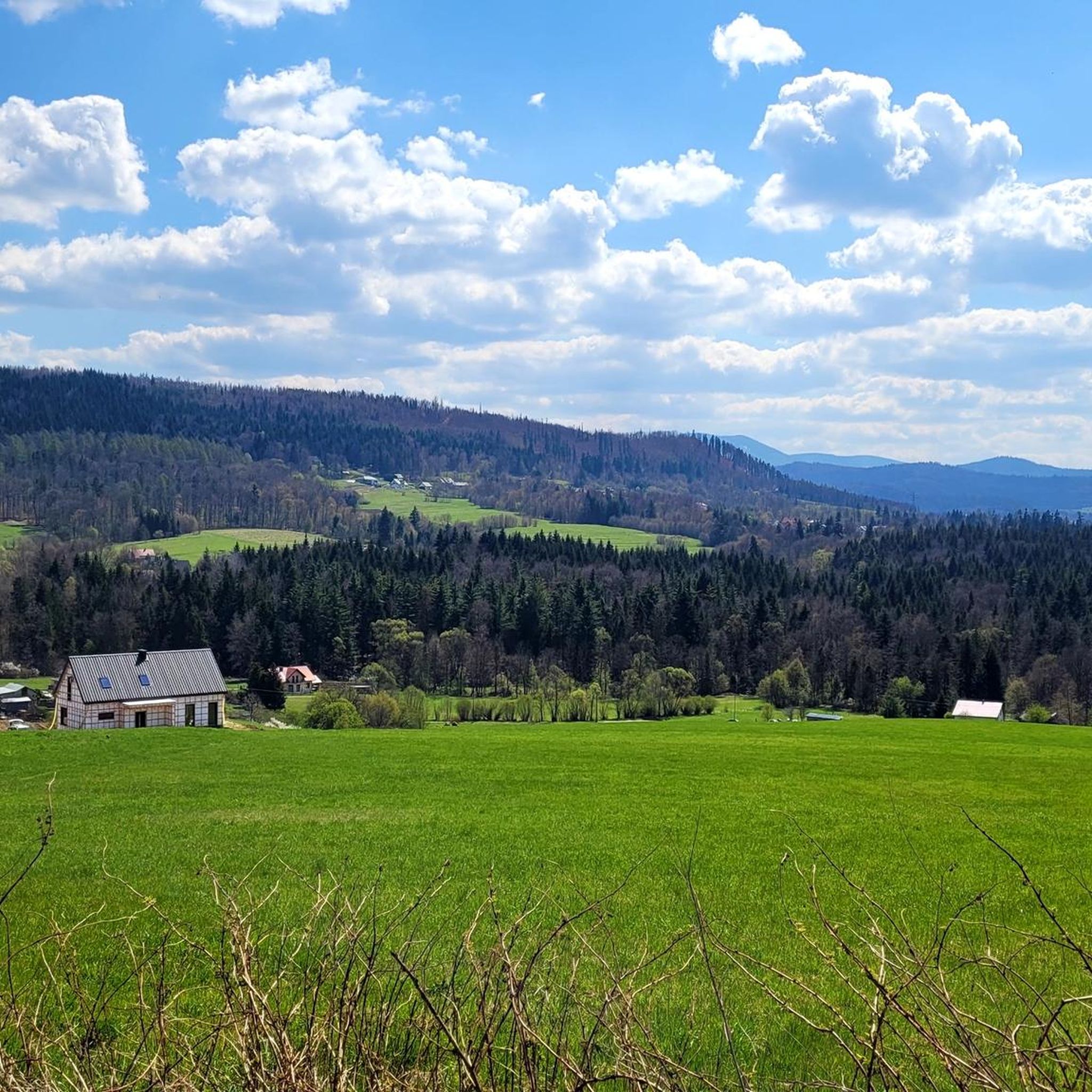
Two-peaked peak in the Beskid Andrychowski (eastern part of the Beskid Mały) Potrójna is an excellent viewpoint. Both of its peaks and the entire ridge are treeless. There are extensive pastoral pastures and meadows here, the views from which are among the most extensive in the entire Beskid Mały. The panorama includes: the Silesian Foothills, the Bliźniaków Range, the Rzycka Valley, the main ridge of the Beskid Mały, the Gorce Mountains, the Polica Range, Babia Góra, the Jałowieckie Range, Pilsko, the Żywiec Basin, the Lipowski Wierch and Romanka Group, the Wielka Racza Range and the Silesian Beskid from Glinny to Skrzyczne. On the lower peak there is a former shepherd's chapel with figures of the Virgin Mary, on the higher one there are two boards with described panoramas
1
0

A very nice, not demanding route on the Little Beskid Trail
0
0

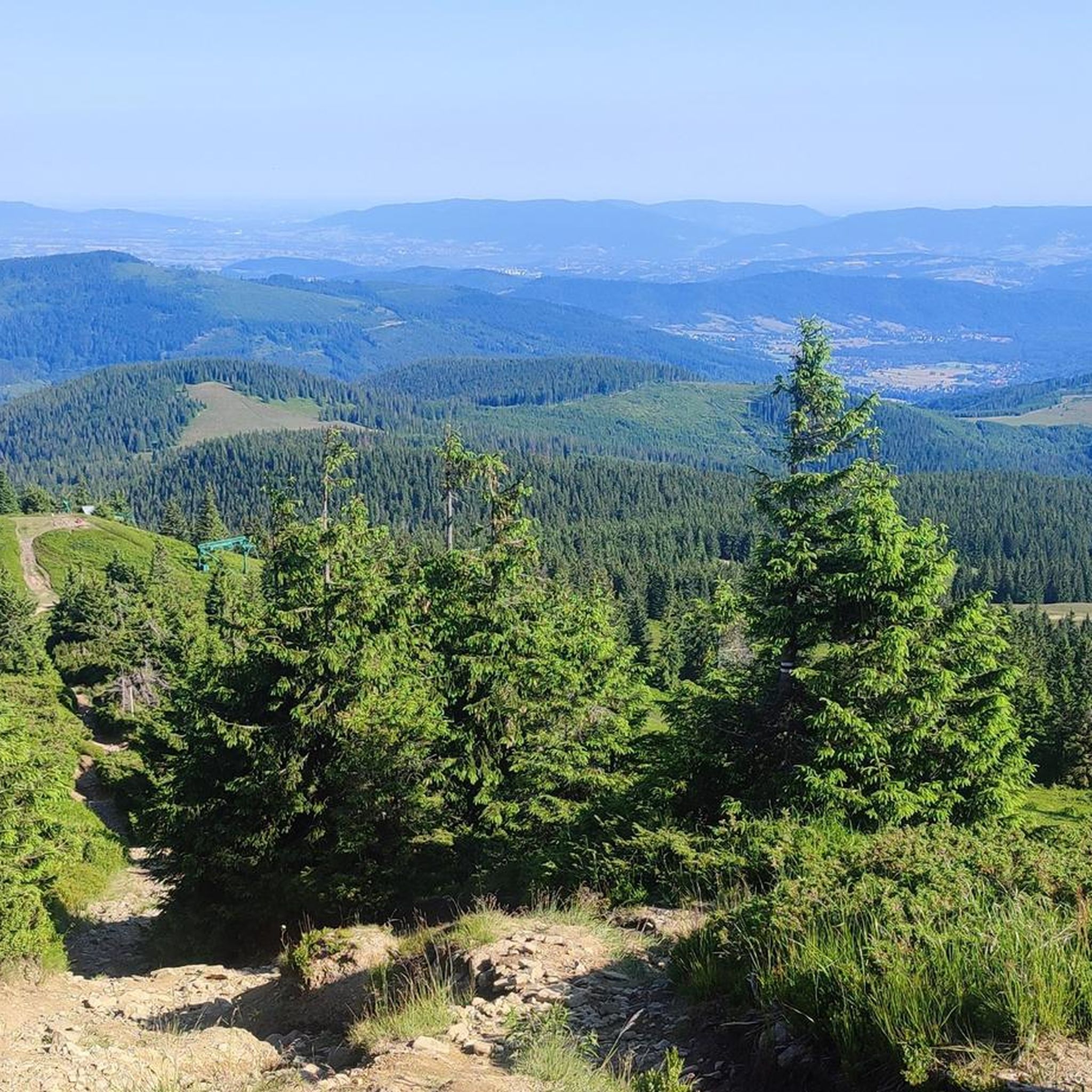
Romanka (1366 m above sea level) is one of the highest peaks of the Żywiec Beskids, located within the Żywiec Landscape Park. The peak is covered with dense forest, but from the clearings on its slopes you can admire the panorama of the Tatras, Babia Góra and Pilsko. The most popular trails lead to Romanka from Żabnica, Sopotnia Wielka and Hala Rysianka, with which it creates a picturesque mountain range. The hike to the peak is demanding, especially from the Żabnica Valley, where the route is steep. Due to the more difficult approaches, it is worth stocking up on good footwear and appropriate clothing, especially in the colder seasons.
1
0

Frequently Asked Questions
What kind of natural features can I expect to see around Świnna?
The area around Świnna, situated in the Silesian Beskids, is rich in diverse natural features. You'll find rolling hills, dense forests, and significant mountain peaks. Notable attractions include impressive viewpoints like Potrójna, high summits such as Romanka Peak, unique rock formations, and the largest waterfall in the Polish Beskids, the Sopotnia Wielka Waterfall.
Are there any significant mountain peaks to explore near Świnna?
Yes, the region boasts several significant peaks. Romanka Peak is one of the highest summits of the Żywiec Beskids, offering panoramas of the Tatras, Babia Góra, and Pilsko from its clearings. Potrójna provides extensive views over the Silesian Foothills and various Beskid ranges. Additionally, Łamana Skała (929 m) is the highest peak of the Zasolskie Mountains, known for its rock outcrops.
Where can I find impressive rock formations in the Świnna area?
You can find notable rock formations at Łamana Skała (929 m), which features sandstone and conglomerate outcrops reaching several meters high. Another interesting site is the Zbójeckie Okno Rock Formation, also known as Diabelskie Windows, located on the southern slopes of the Little Beskids.
Is there a notable waterfall in the region?
Yes, the Sopotnia Wielka Waterfall is a significant natural monument. It is the largest waterfall in the Polish Beskids, with a height of about 10-12 meters, and is located in the center of Sopotnia Wielka on the Sopotnia stream.
What outdoor activities are available near the natural monuments around Świnna?
The area around Świnna is ideal for various outdoor activities. You can explore numerous hiking trails, ranging from easy paths to more demanding treks. There are also options for gravel biking and road cycling. For detailed routes, you can check out guides like Hiking around Świnna, Gravel biking around Świnna, and Road Cycling Routes around Świnna.
Are there hiking trails suitable for different skill levels?
Yes, the region offers a wide range of hiking trails suitable for all levels. From gentle paths around tranquil waters like Lake Słok, perfect for families, to more demanding treks up Mount Książęcy Hill or to Romanka Peak, which requires good footwear and appropriate clothing, especially in colder seasons. You can find routes with varying difficulty grades in the Hiking around Świnna guide.
Are there family-friendly natural monuments or trails around Świnna?
Yes, several natural monuments and trails are suitable for families. The Sopotnia Wielka Waterfall is easily accessible and considered family-friendly. Many hiking trails around Lake Słok are also well-marked and offer a leisurely pace in nature, perfect for families. Potrójna is also categorized as family-friendly.
What is the best time of year to visit the natural monuments around Świnna?
The best time to visit the natural monuments around Świnna is generally during the warmer months, from spring to early autumn (May to October). During this period, the weather is most favorable for hiking and outdoor activities, and the forests are lush. However, the region also offers picturesque winter landscapes for those prepared for colder conditions and snow.
What do visitors enjoy most about the natural monuments in this area?
Visitors particularly appreciate the extensive panoramic views from summits like Potrójna and the clearings of Romanka Peak. The unique rock outcrops at Łamana Skała and the impressive Sopotnia Wielka Waterfall are also highly valued. The overall tranquility and opportunity to immerse oneself in the natural environment of the Silesian Beskids are frequently highlighted.
Is it possible to spot wildlife near the natural monuments?
Yes, the lush forests and diverse geography around Świnna provide opportunities to encounter local wildlife. While hiking, especially on less frequented trails or during quieter times of day, you might observe various bird species and other forest animals. Mount Książęcy Hill, for instance, is noted as a place where visitors can relax amidst wildflowers and observe local wildlife.
What is the significance of the Vistula River's source in this region?
The Silesian Beskids, where Świnna is located, is the source of the Vistula River, Poland's longest and most significant natural symbol. The White Little Vistula (Biała Wisełka) and the Black Little Vistula (Czarna Wisełka) begin on the western slope of Barania Góra. While not directly in Świnna, its proximity highlights the region's important hydrological features and its role in the genesis of this major European river.
Most popular attractions around Świnna

Get inspired with the komoot mobile app


Explore more
Extend your search for the best caves by checking out these guides of the top ones around Świnna:
