Top 20 Natural Monuments around Tychy
Best natural monuments around Tychy offer a diverse natural landscape, characterized by ancient trees, serene lakes, and protected forest areas. The region provides opportunities to explore significant natural heritage, including historical trees and unique ecological reserves. Tychy's commitment to preserving its natural environment is evident in its designated natural monuments, which serve as important ecological sites. These areas provide tranquil settings for outdoor activities and a chance to connect with the local flora and fauna.
Best natural monuments around Tychy
…Last updated: June 29, 2026
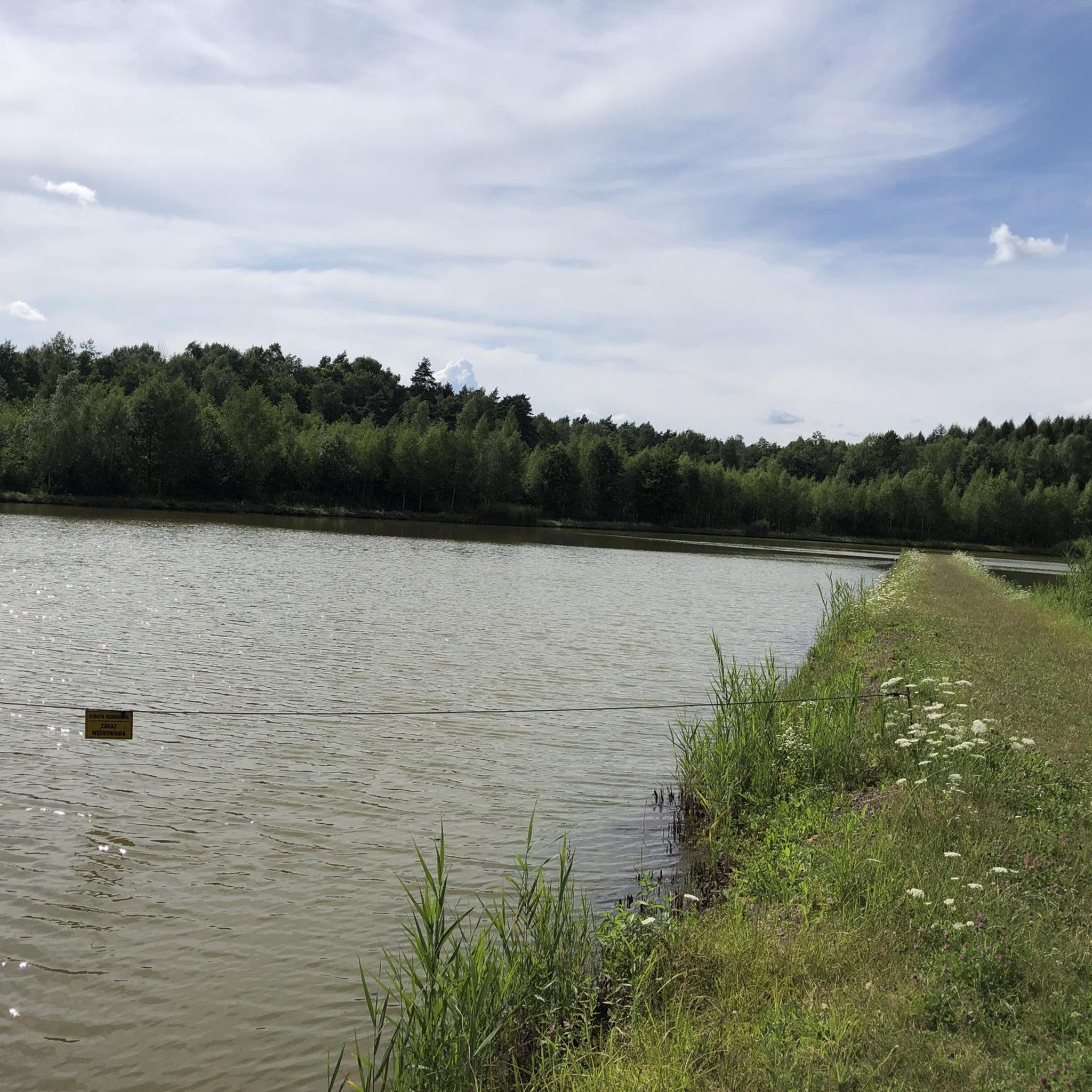
CZARNY STAW – subsidence reservoir
Highlight • Lake
In the case of intensive exploitation (environment), when the terrain descends by a dozen or so meters, the basin …
Translated by Google •
Tip by

Babczyna Dolina Nature Reserve
Highlight • Natural Monument
Translated by Google •
Tip by
Sign up now to discover places like this
Get recommendations on the best single tracks, peaks, & plenty of other exciting outdoor places.
Sign up for free
Tadeusz Oak Natural Monument
Highlight • Natural Monument
Translated by Google •
Tip by

Murcki bison – the foundation of species restoration in Europe
Highlight • Historical Site
Translated by Google •
Tip by
Czarna Studnia (Black Well)
Highlight • Natural Monument
It says that it was there that a certain witch wanted St. Clement, …
Translated by Google •
Tip by
Sign up for free to discover even more natural monuments around Tychy.
Sign up for free
Already have an account?
Start today with a free account
Your next adventure awaits.
Login or Signup

Tips from the Community

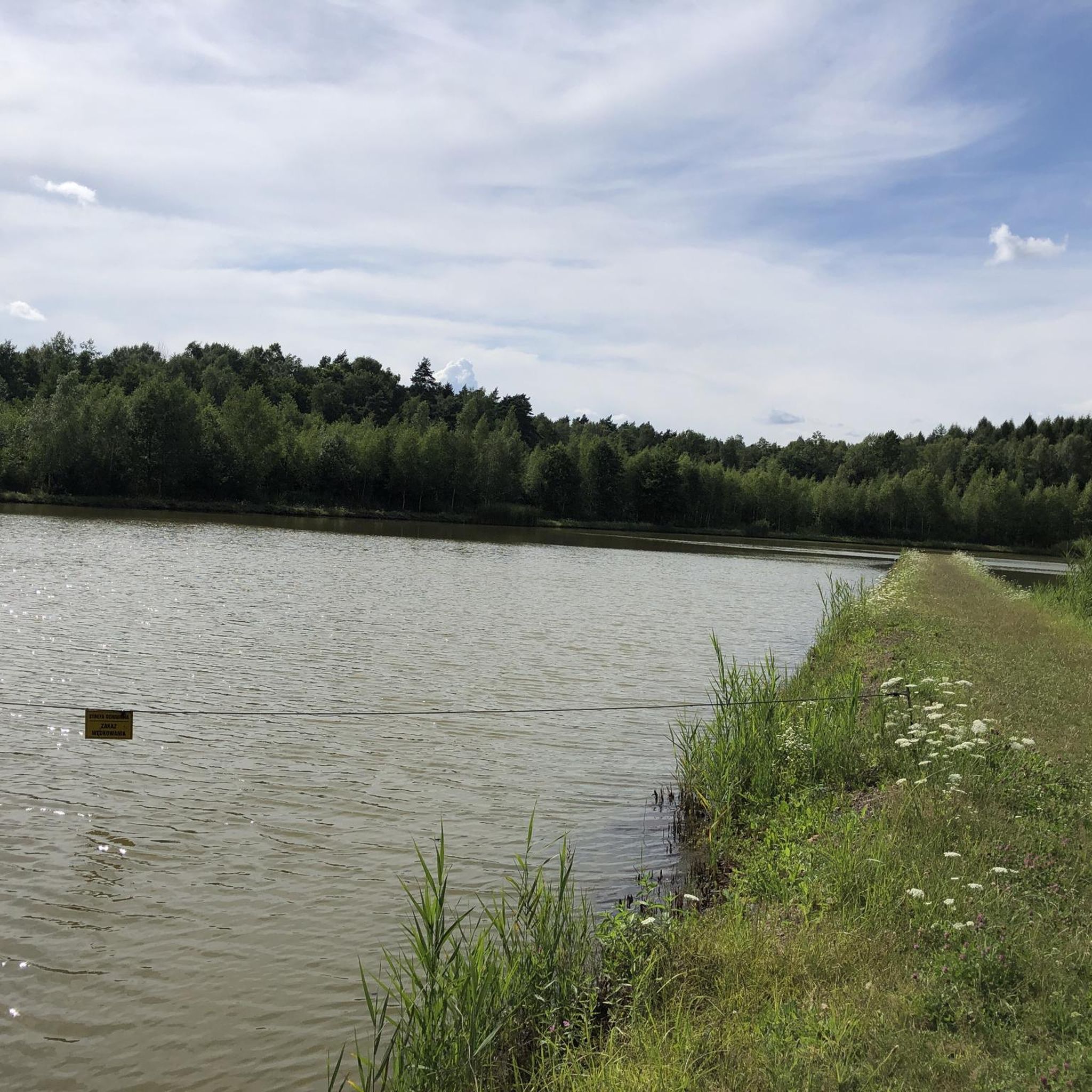
Czarny Staw is a charming spot, perfect for a moment of respite during a hike. The calm waters and natural surroundings create a relaxing atmosphere. It's a great place to stop, enjoy the view, and catch your breath.
1
0

Dąb Tadeusz - a natural monument in Katowice, located in the southern part of the city, near Hamerla, located in the Murcki district, in the Murckowskie Forest complex. It is a 300-year-old [1] tree of the English oak species (Quercus robur L.) with a height of 30 meters and a diameter at breast height of 437 centimeters (Wikipedia)
2
0

interesting place, worth visiting.
2
0

very interesting and photogenic place
1
1

The main part of the reserve, with an area of almost 76 ha, is located in the Radostowice forestry in the Kobiór Forest Inspectorate, in the center of the Kobiórski forests, where biocenotic systems characteristic of river valleys are protected in the upper course of Korzeniec Południowy. The subject of protection here are, among others: reed forest patches, sphagnum alder forest, forest reed complex, riparian forest, i.e. forest communities formed under the influence of stagnant waters, where no economic activities are carried out. The South Korzenic on the Pszczyna Plain is one of the few watercourses that has resisted the negative impact of anthropopressure while preserving rare vegetation. The greatest wealth of "Babczyna Dolina" is the bryoflora, i.e. a huge number of bryophytes - 61, and liverworts - 20. This is a sensation in the Pszczyna-Kobiórski managed forests dominated by pine monoculture, but also on the map of the Silesian Voivodeship there are not many such places. https://kobior.katowice.lasy.gov.pl/aktualnosci/-/asset_publisher/1M8a/content/babczyna-dolina-w-dobrej-kondycji https://www.youtube.com/watch?v=5nDb9hH4pL0
2
0
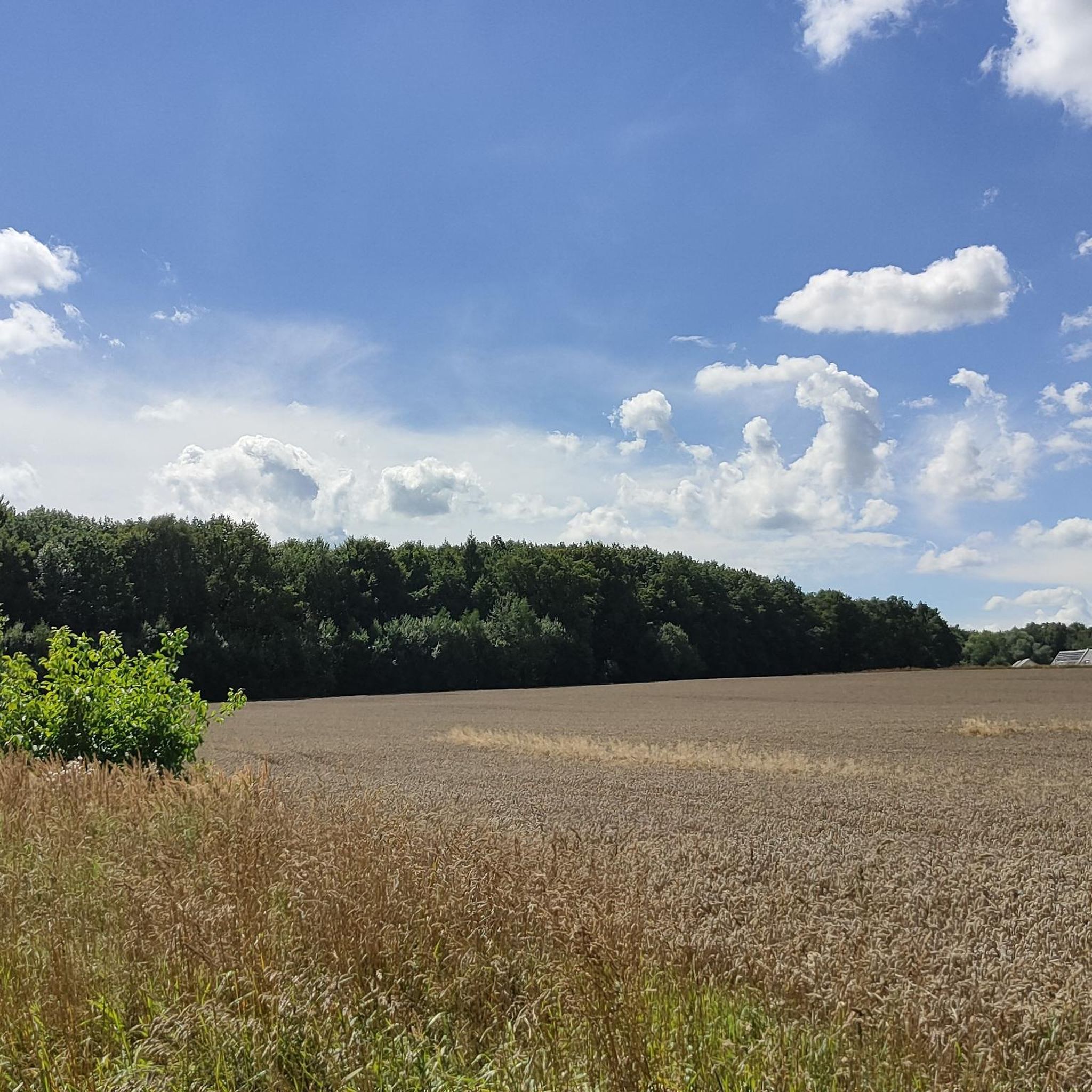
A very atmospheric place in the heart of the Silesian agglomeration. In the case of intensive exploitation (environment), when the terrain descends by a dozen or so meters, the basin flooded with water may have a large area. Then there is a significant decrease in the number of live stands. An example of the greatest damage of this type in the Katowice Forest District is a sinkhole above the Śląsk mine, where the area was lowered by over 30 m. The situation has not stabilized there yet, the area is still working. Before the sinking, there was already a 6-hectare Black Pond here - of anthropogenic origin. On the map showing the current state, it is marked with a red line. The blue dashed line marks the shape of the reservoir at the turn of 2014/15. The surface of the water ranges from approx. 20 to 30 ha (depending on the water level). https://wazki.pl/ruda_slaska_czarny_staw.html https://www.youtube.com/watch?v=fNyhUXXQjpQ
5
0
The oldest of Murcek's legends concerns the backwoods located in this area, called by the locals Siągarnia. It says that it was there that a certain witch wanted St. Clement, a student of Cyril and Methodius, who at the turn of the 9th and 10th centuries was to Christianize the area. Siągarnia was located on the road to Klemensowa Górka and Lędziny, which are the oldest named places in this area; it was also the main Krakow-Wroclaw route and the Levantine trade route. Long before the mine was established, in the vicinity of today's Wanda Hill, there was a forest colony of tar makers, i.e. people who burn charcoal for the forge in Paprocany. In the 17th century, in a place called Rudne Kotliska, coal was dug that came out to the surface. Evidence of its use is an entry in the books of Pszczyna from 1657 about the use of Murckowski coal in Kuźnia Jaroszowice. http://www.polskaniezwykla.pl/web/place/25525,katowice-murcki---historia--legendy-i-slady-po-dawnych-kopalnianych-szybach.html
3
0
Tadeusz Oak - a natural monument in Katowice, located in the southern part of the city, near Hamerla, in the Murcki auxiliary unit, in the Murckowski Forest complex. It is a 300-year-old tree of the species pedunculate oak (Quercus robur L.), 30 meters high and 437 centimeters high at breast height. This tree was established as a natural monument by the Katowice City Council by a resolution of June 1, 2017, along with 23 other trees. On the basis of the same resolution, the City Council named the tree Tadeusz. This name commemorates Tadeusz Norman, a long-standing forest inspectorate of the Katowice Forest District, who worked for the shaping, durability and development of Upper Silesian forest complexes. Hamerla - a forest settlement in Katowice, in the Murcki auxiliary unit, in the southern part of the Murckow Forest. It is located one kilometer from the border between Katowice and Lędziny. The settlement was founded by the Hamerla family (hence its name). In the 1940s, the inhabitants moved out, leaving the area as a gift for the Katowice Forest District. Currently, it consists of two residential houses. In Hamerla, there is the seat of the Daniel hunting club in Tychy and a drone belonging to the Silesian Beekeepers Association. Trutowisko was established in 1953 by the Poviat Beekeepers Association in Tychy. Meetings of beekeepers are organized here, and beekeeping is also popularized here. https://pl.wikipedia.org/wiki/D%C4%85b_Tadeusz https://pl.wikipedia.org/wiki/Hamerla https://www.youtube.com/watch?v=jbaxOaLr0iw
1
0
Frequently Asked Questions
What are some of the most unique natural monuments to visit around Tychy?
Beyond the well-known spots, you can explore the historic Lime trees in Paprocany, which are ancient trees dating back to the mid-17th century, located by Paprocany Lake. Another unique site is the CZARNY STAW – subsidence reservoir, a lake whose surface area can vary significantly due to subsidence, offering a very atmospheric natural setting.
Are there any natural monuments around Tychy that are particularly family-friendly?
Yes, Northern Park is an excellent choice for families. It hosts three significant pedunculate oaks, named "Anastazy," "Rajmund," and "Ildefons," which were designated natural monuments in 2024. The park itself is a vast green space with three fishponds and numerous paths, perfect for walking and family activities. Additionally, the Tadeusz Oak Natural Monument is also considered family-friendly.
What kind of historical natural monuments can I find in the Tychy region?
The region features several natural monuments with historical significance. The Murcki bison – the foundation of species restoration in Europe highlights the historical efforts in bison breeding from 1865. Another historical site is Czarna Studnia (Black Well), which is tied to local legends and the early use of coal in the area.
What outdoor activities can I do near the natural monuments in Tychy?
The area around Tychy's natural monuments offers various outdoor activities. You can enjoy easy hikes, such as those around Lake Paprocany, which are detailed in the Easy hikes around Tychy guide. For running enthusiasts, there are moderate to difficult trails, including loops around Wild Beach, found in the Running Trails around Tychy guide. Cyclists can explore road cycling routes that pass by natural attractions, as outlined in the Road Cycling Routes around Tychy guide.
Are there any nature reserves protecting unique ecosystems near Tychy?
Yes, the Babczyna Dolina Nature Reserve is a significant natural monument protecting biocenotic systems characteristic of river valleys. It is particularly notable for its rich bryoflora, including 61 bryophytes and 20 liverworts, making it a unique ecological site in the region.
What kind of natural features can I expect to see at these monuments?
You can expect to see impressive ancient trees, such as the historic Lime trees in Paprocany and the named Oaks in Northern Park, which are centuries old. There are also serene water bodies like the CZARNY STAW – subsidence reservoir and the fishponds in Northern Park. Many sites are nestled within forest complexes, offering rich flora and fauna.
What do visitors enjoy most about the natural monuments around Tychy?
Visitors often appreciate the tranquil settings and the opportunity to connect with nature. Places like the CZARNY STAW – subsidence reservoir are described as 'charming spots, perfect for a moment of respite during a hike,' with 'calm waters and natural surroundings.' The ancient trees, like the Tadeusz Oak Natural Monument, are often highlighted as 'interesting places, worth visiting' for their grandeur and historical significance.
Are there easy walking paths available near the natural monuments?
Yes, many natural monuments are integrated into areas with easy walking paths. For instance, the Paprocany recreational complex, home to the historic Lime trees, offers walking and cycling paths along Paprocany Lake. Northern Park, with its monumental oaks, also features numerous paths suitable for leisurely strolls and family walks.
Is there public transport access to natural monuments near Tychy?
While specific public transport routes vary, many natural monuments, especially those within city parks like Northern Park or recreational areas like Paprocany, are generally accessible by local public transport. It's advisable to check local bus schedules for the most direct routes to these locations.
What is the best time of year to visit the natural monuments in Tychy?
The natural monuments around Tychy, primarily featuring ancient trees and natural reserves, are beautiful throughout the year. Spring offers lush greenery and blooming flora, while autumn provides vibrant fall colors. Summer is ideal for combining visits with other recreational activities at places like Paprocany Lake. Even winter can offer a serene, quiet experience, especially in forested areas.
Can I find cafes or amenities near the natural monuments?
Yes, particularly around popular recreational areas. For example, the Paprocany recreational complex, where the historic Lime trees are located, offers various amenities including cafes and facilities due to its popularity. For other, more secluded natural monuments, amenities might be found in nearby towns or villages.
Are the natural monuments in Tychy suitable for dog walking?
Many natural areas and parks around Tychy, including Northern Park and the Paprocany complex, are generally dog-friendly, especially on designated paths and trails. However, it's always recommended to keep dogs on a leash and adhere to local regulations regarding pet access in nature reserves or protected areas.
Most popular routes around Tychy
Most popular attractions around Tychy

Get inspired with the komoot mobile app


Explore more
Extend your search for the best caves by checking out these guides of the top ones around Tychy:
