Top 10 Natural Monuments around Łeba
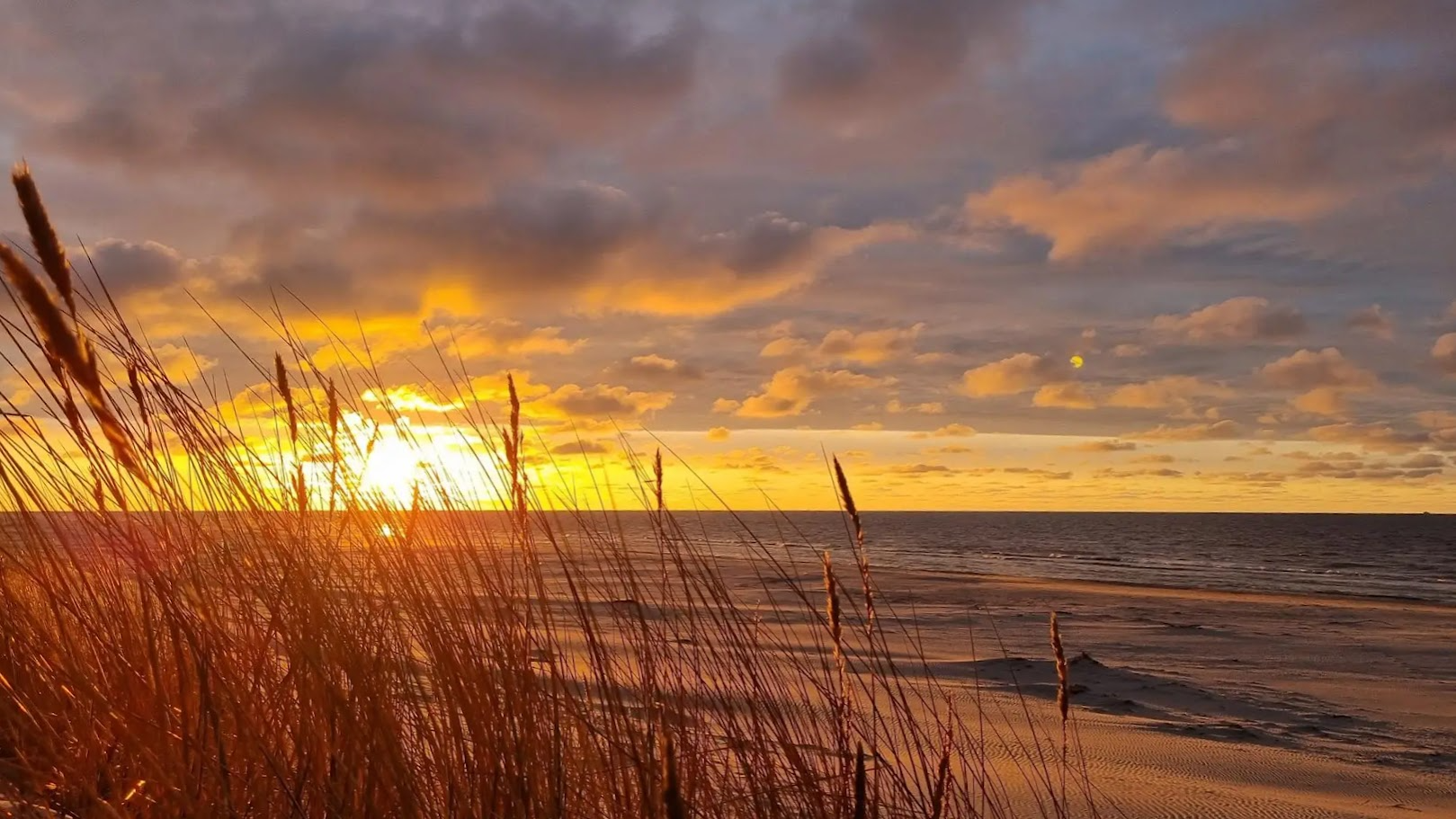
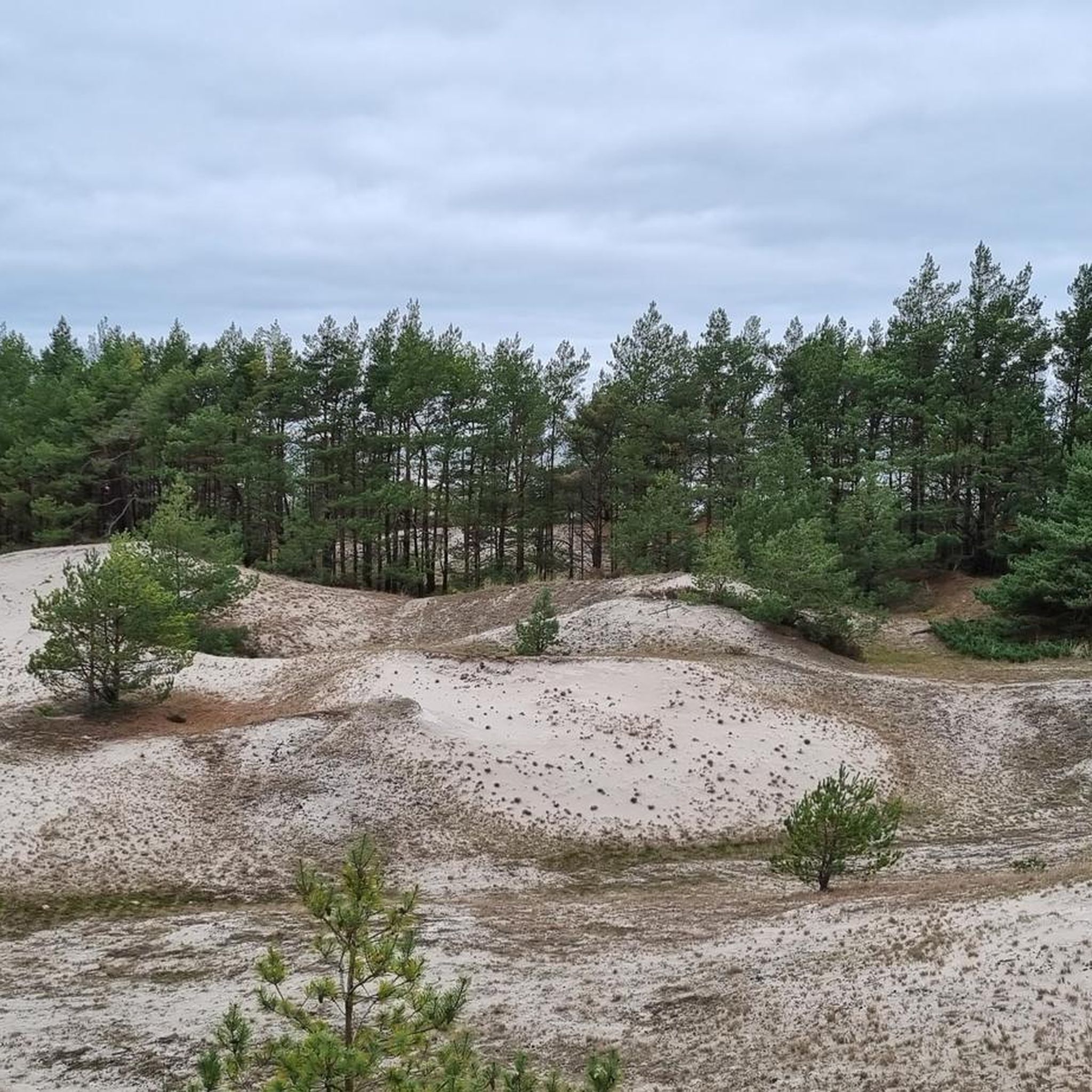
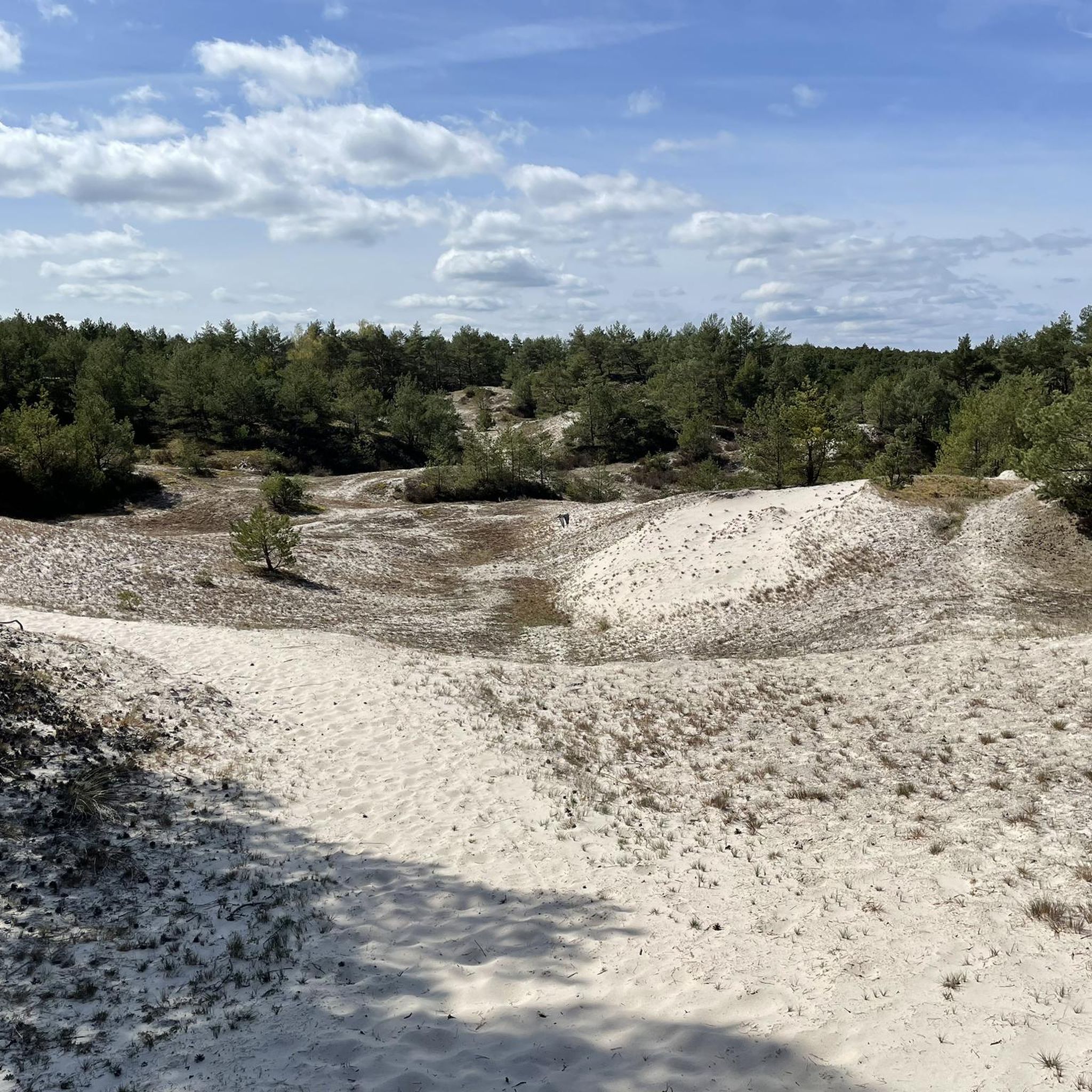
Best natural monuments around Łeba are primarily found within the Słowiński National Park, a UNESCO Biosphere Reserve known for its dynamic coastal landscape. The region features vast shifting sand dunes, often referred to as the "Polish Sahara," alongside lakes, forests, and peat bogs. This unique environment offers a blend of geomorphological processes and diverse ecosystems. The area provides opportunities to observe natural phenomena and explore varied terrain.
Best natural monuments around Łeba
- The most popular natural monuments is Łącka Dune…
Last updated: August 23, 2026
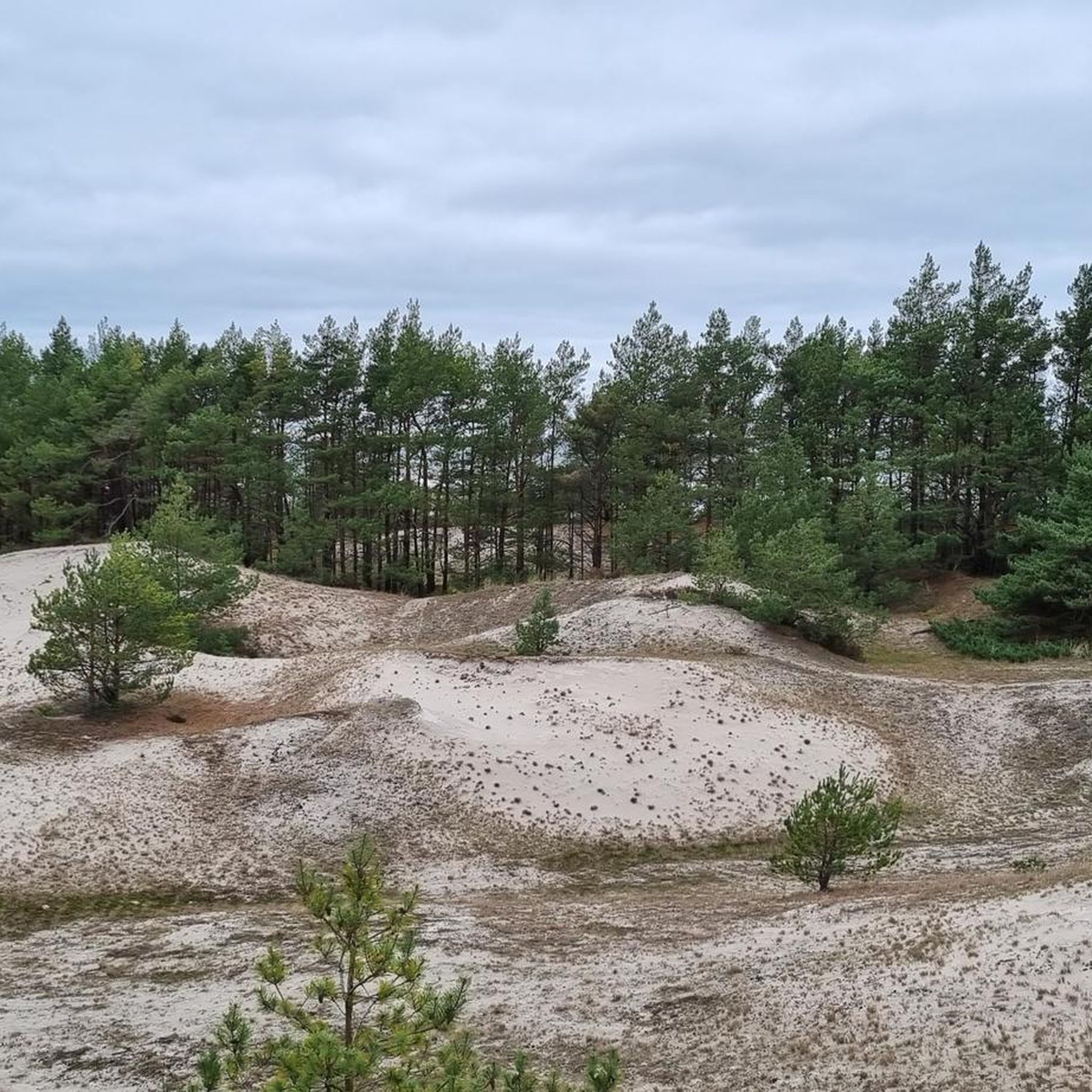
Łącka Dune
Highlight • Natural Monument
Translated by Google •
Tip by

Łącka Dune
Highlight • Natural Monument
Translated by Google •
Tip by

Sign up now to discover places like this
Get recommendations on the best single tracks, peaks, & plenty of other exciting outdoor places.
Sign up for free
Krakulice viewing platform
Highlight • Viewpoint
Translated by Google •
Tip by

Trail to the Dunes (Mierzeja Conservation Area)
Highlight (Segment) • Natural Monument
Translated by Google •
Tip by

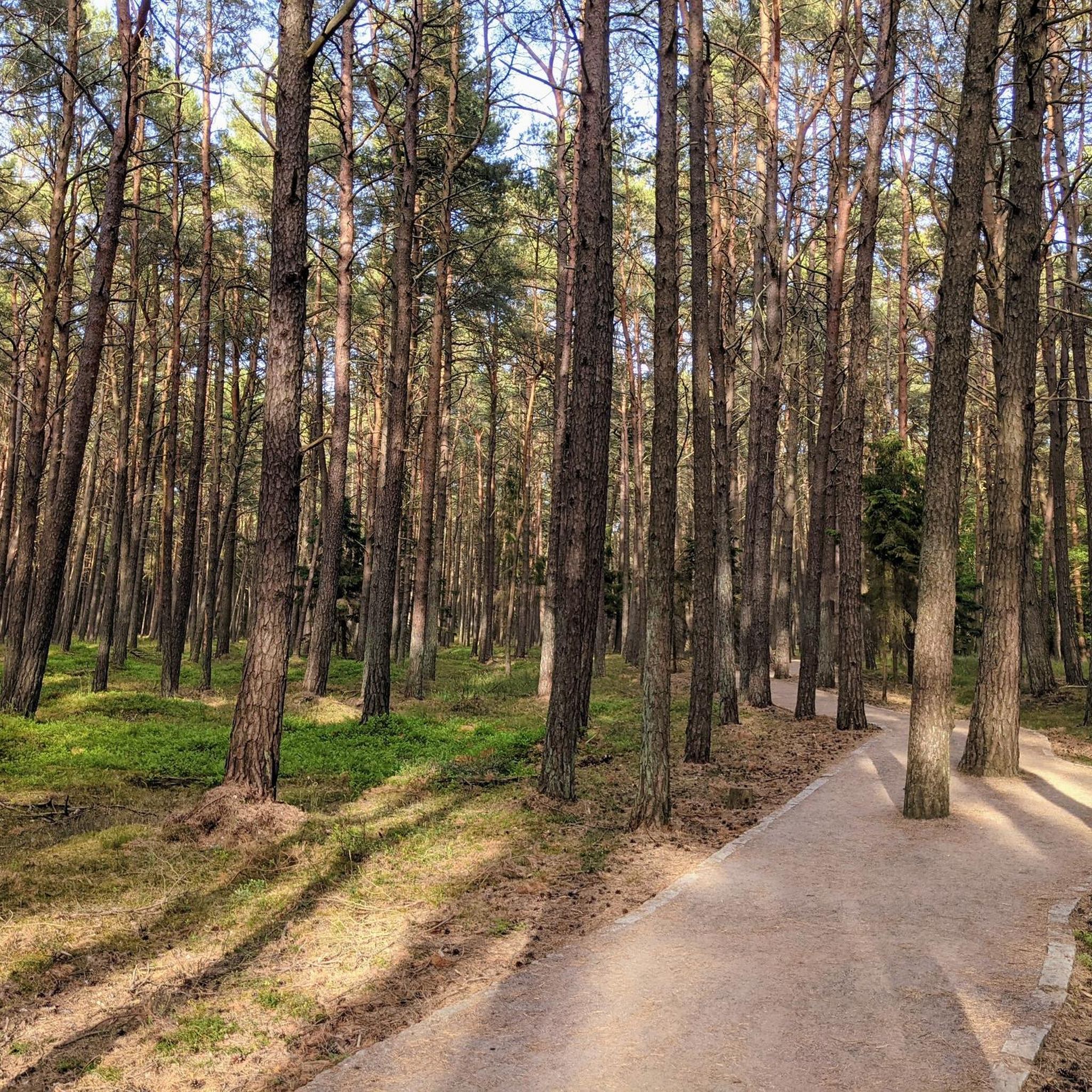
Leaning Pine Forest in Słowiński National Park
Highlight • Forest
The most distinctive element of the national …
Translated by Google •
Tip by

Sign up for free to discover even more natural monuments around Łeba.
Sign up for free
Already have an account?
Start today with a free account
Your next adventure awaits.
Login or Signup

Other adventures around Łeba

Tips from the Community

The most comfortable way to get directly to the dune is by bicycle.
1
0

We were here in July. On a Saturday. Everything was great.
1
1

The Krakulice nature reserve includes a complex of peat bogs and wetlands in the Słowiński National Park. It is worth deviating from the route for a moment and walking along wooden footbridges to the viewing platform. This is an ideal place for bird watching, and in the undisturbed silence you will certainly hear their voices. In the summer you will certainly spot cranes.
3
0

From May to September, there's an admission charge. It's best to visit early in the season when the weather is nice, as it's always busy. We recommend cycling and driving there.
1
0

It's best to take this route out of season. Little traffic.
1
1

A large swamp in the Słowiński National Park on the R10 road to Łeba
0
2

A lovely spot on earth. Sand in your shoes for free.
1
1

Frequently Asked Questions
What are the main natural features to explore around Łeba?
The region around Łeba is dominated by the unique landscape of the Słowiński National Park, a UNESCO Biosphere Reserve. Its primary features include vast shifting sand dunes, often called the "Polish Sahara," such as the impressive Łącka Dune. Beyond the dunes, you'll find picturesque coastal lakes like Łebsko and Sarbsko, extensive peat bogs, and diverse forest areas, including the unique Leaning Pine Forest.
Which natural monuments are most popular with visitors?
Visitors particularly enjoy the dynamic landscape of the shifting dunes. The Łącka Dune is the most famous, offering panoramic views of the Baltic Sea and Lake Łebsko. Another popular spot is the Krakulice viewing platform, which provides excellent opportunities for bird watching amidst peat bogs and wetlands.
Are there specific hiking trails to reach the natural monuments?
Yes, a primary access route to the shifting dunes is the Trail to the Dunes (Mierzeja Conservation Area), which leads directly through the Słowiński National Park. For more hiking options, you can explore various routes within the park, including easy hikes around Łeba. Find more details on Easy hikes around Łeba.
What kind of wildlife can I expect to see in Słowiński National Park?
Słowiński National Park is a haven for wildlife, especially birds. The unique landscape of the seashore, beach lakes, moor areas, and rivers creates a habitat for a total of 270 species of birds. The Krakulice viewing platform is an ideal spot for bird watching, where you might even spot cranes in the summer.
Is Słowiński National Park suitable for families with children?
Yes, the Słowiński National Park offers several family-friendly attractions. The experience of walking on the shifting dunes is often a highlight for children. The Leaning Pine Forest is also considered family-friendly, offering an interesting natural sight. Many trails are accessible for families, though some sandy paths can be challenging for strollers.
Can I bring my dog to the natural monuments in Słowiński National Park?
While the Słowiński National Park is a natural area, specific regulations regarding dogs can vary. Generally, dogs are allowed on designated trails but often need to be kept on a leash. It's always advisable to check the current official park regulations before your visit, as policies can change, especially in protected areas like national parks.
What is the best time of year to visit the shifting dunes?
The shifting dunes can be visited year-round, but the experience varies. Many visitors recommend visiting out of season or early in the season (e.g., late spring or early autumn) when the weather is pleasant but the crowds are smaller. During peak summer months (May to September), the area can get very busy, and there might be queues at the ticket office. Winter offers a unique, quieter experience, allowing you to feel the raw power of the wind and sand without the crowds.
Are there any entry fees or specific access rules for the natural monuments?
Yes, there is typically an admission charge for entering the Słowiński National Park, especially during the main season from May to September. Access to the dunes, such as via the Trail to the Dunes, is regulated. It's recommended to arrive early, especially during busy periods, to avoid long queues at the entrance. Some areas might have specific rules regarding cycling or walking on certain paths due to the delicate ecosystem.
How can I get to the natural monuments, especially the Moving Dunes?
The Moving Dunes are located within the Słowiński National Park, with a common access point from the village of Rąbka, a few kilometers west of Łeba. You can reach the dunes by walking or cycling along trails through the park. Many visitors choose to cycle to the entrance and then continue on foot, as some sandy paths are not suitable for bikes. Public transport options to Rąbka might be available, but checking local schedules is recommended.
What outdoor activities are available near the natural monuments?
Beyond exploring the natural monuments themselves, the area around Łeba and Słowiński National Park offers a variety of outdoor activities. You can enjoy running on trails like the Running Trails around Łeba, or try gravel biking with routes such as those found in Gravel biking around Łeba. The lakes also provide opportunities for water activities and nature observation.
What makes the Łącka Dune so special?
The Łącka Dune is the largest and most famous shifting dune in the Słowiński National Park. It's special because its highest points can reach over 50 meters, offering a truly panoramic, desert-like view with the Baltic Sea on one side and Lake Łebsko on the other. Its constant movement, shifting several meters eastward each year, makes it a dynamic and ever-changing natural wonder, earning the region the nickname 'Polish Sahara'.
Are there any hidden gems or less-known natural sights worth visiting?
While the shifting dunes are the main attraction, the Słowiński National Park holds other unique natural sights. The Leaning Pine Forest offers a distinctive landscape with its unusually shaped trees. Additionally, the Mierzeja Sarbska Nature Reserve White Sand Dunes and Beach provides a beautiful, less crowded white sandy beach experience, though some paths through deep sand can be challenging for cycling.
Most popular routes around Łeba
Most popular attractions around Łeba

Get inspired with the komoot mobile app


Explore more
Extend your search for the best caves by checking out these guides of the top ones around Łeba:
