Top 3 Natural Monuments around Milejczyce
Best natural monuments around Milejczyce include geological formations and culturally significant natural features. The region, part of Siemiatycze County, features a landscape shaped by glacial activity and historical human interaction with nature. These sites offer insights into local geology, traditional beliefs, and the natural environment. The area provides opportunities to explore diverse natural attractions near Milejczyce Poland.
Best natural monuments around Milejczyce
- The most popular natural monuments is Sacred Spring of Grabarka, a religious building and natural monument that…
Last updated: June 29, 2026
Holy Mountain Chapel and Spring
Highlight • Religious Site
Translated by Google •
Tip by

Sacred Spring of Grabarka
Highlight • Religious Site
Translated by Google •
Tip by

Sign up now to discover places like this
Get recommendations on the best single tracks, peaks, & plenty of other exciting outdoor places.
Sign up for free
A shrine at the source of the Dobrowódka River.
Highlight • Religious Site
Translated by Google •
Tip by
Witanowszczyzna Nature Reserve
Highlight • Natural Monument
Translated by Google •
Tip by
Klukowicze Hillfort
Highlight • Historical Site
Translated by Google •
Tip by

Start today with a free account
Your next adventure awaits.
Login or Signup


Tips from the Community

The chapel is open type, accessible to all those in need. The source of water is a traditional artesian well, the water is very good without aftertaste, cold even in the middle of a hot day, ideal for filling bottles.
2
0

At the foot of the Mountain there is a miraculous spring. It was those who washed themselves here and drank the water that were saved from the cholera epidemic in 1710. To this day, people come here and wash their sick and sore places, drink water from the well and take it home. In 1910, on the bicentennial of the miracle, a round roof was built over the spring. Currently, the well is surrounded by a new chapel from 2001. According to Orthodox tradition, water is blessed several times a year. The Great Consecration takes place on the eve and on the feast of the Baptism of the Lord itself. The Little Consecration traditionally takes place on parish feast days (here: the Transfiguration of the Lord, the 10th Friday after Easter, the feast of the icon of the Mother of God "Joy of All Who Sorrow"), as well as on other days designated by the liturgical calendar (e.g. the feast of the icon of the Mother of God "Life-giving Source", half of the period of Pentecost).
2
0
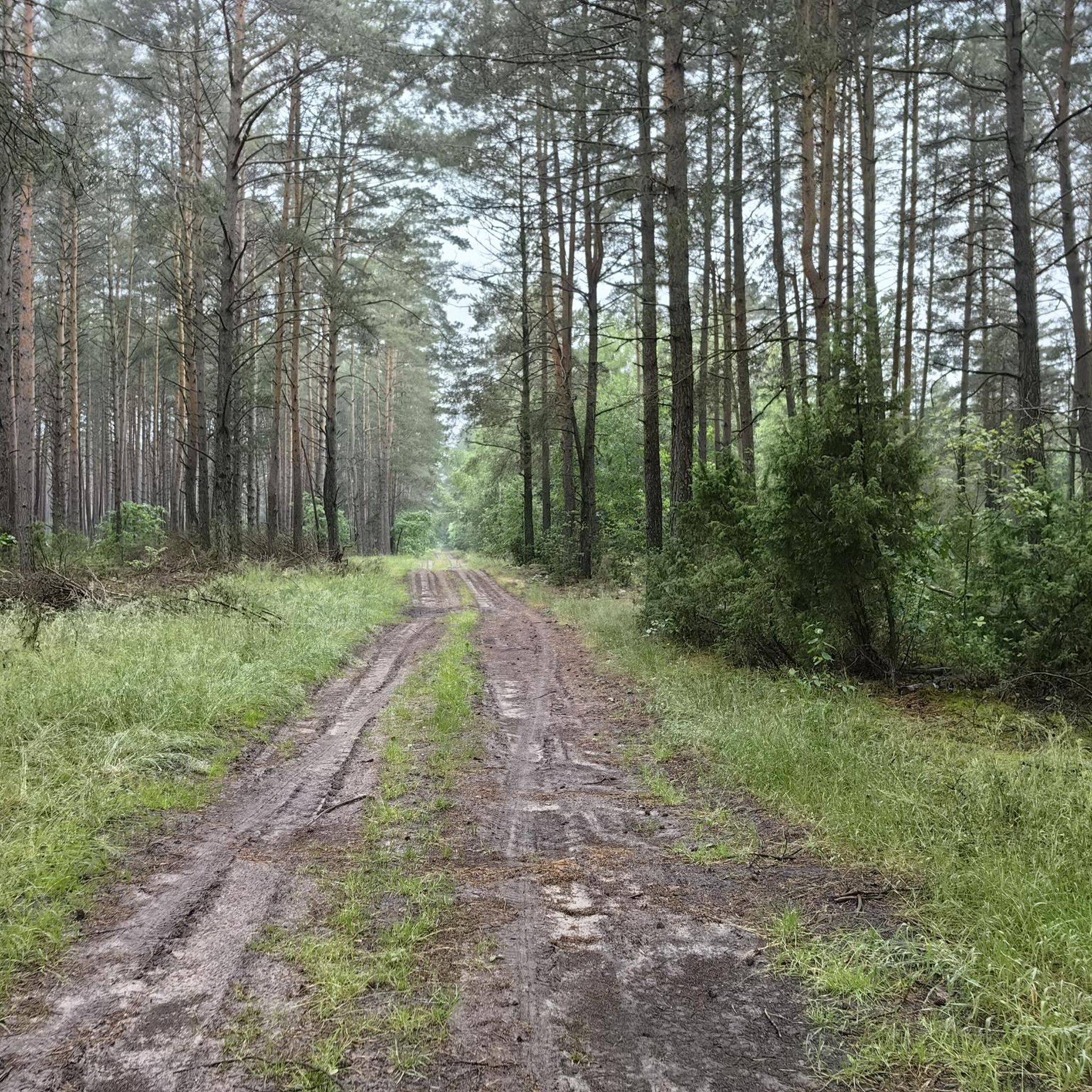
A place full of life. Rare herbaceous vegetation, many species of birds and mammals, and the beauty of the forest are among the many factors that led to the creation of a reserve and the protection of this place.
0
0
Orthodox chapel at the source, where the Dobrowodka stream begins. The chapel is of the open type, publicly accessible with a traditional well in the middle, allowing for easy collection of very good cool water, even in the middle of hot summer.
1
0
you can't enter the reserve itself...
0
1

Many believers come to Grabarka to the spring with miraculous water. They put it in bottles and drink it like holy water.
1
2

A place with an atmosphere. From a distance it does not impress, but after crossing the "walls" I was immediately struck by the atmosphere. In the northern part, there is an overgrown pond with a large tree growing out of it. Lots of information about the facility at the link below: https://zabytek.pl/pl/obiekty/klukowicze-grodzisko
0
0
Frequently Asked Questions
What are some notable natural monuments to visit near Milejczyce?
The region offers a blend of geological and culturally significant natural features. You can visit the Sacred Spring of Grabarka, known for its traditional artesian well and cold, pure water. Another significant site is the Holy Mountain Chapel and Spring, where local tradition attributes miraculous healing properties to its water. Additionally, the Witanowszczyzna Nature Reserve protects rare herbaceous vegetation and diverse wildlife. Beyond these, an impressive erratic boulder can be found in Moszczona Królewska, and a miraculous spring with historical significance is located in Zubacze.
Are there any lesser-known natural monuments worth exploring?
Yes, beyond the more prominent sites, you might find interest in the erratic boulder in Moszczona Królewska. This large geological formation, transported by glaciers, offers a glimpse into the region's ice age history. Also, the miraculous spring in Zubacze, while culturally significant, is a natural feature that has been central to local beliefs for centuries, offering a unique blend of nature and heritage.
What types of natural monuments can I expect to find in the Milejczyce area?
The natural monuments around Milejczyce primarily include natural springs, such as the Sacred Spring of Grabarka and the Holy Mountain Chapel and Spring, often associated with religious or healing traditions. You'll also find nature reserves like Witanowszczyzna Nature Reserve, protecting local flora and fauna, and significant geological formations like the erratic boulder in Moszczona Królewska.
When is the best time to visit the natural monuments around Milejczyce?
The natural monuments are generally accessible year-round. However, for comfortable exploration of nature reserves and trails, late spring, summer, and early autumn offer the most pleasant weather conditions. During these seasons, the vegetation is lush, and outdoor activities are more enjoyable.
Are the natural monuments around Milejczyce suitable for families?
Many of the natural monuments are family-friendly. Sites like the Holy Mountain Chapel and Spring and the Sacred Spring of Grabarka are easily accessible and offer interesting cultural and natural elements for all ages. The shrine at the source of the Dobrowódka River is also noted as family-friendly. While the Witanowszczyzna Nature Reserve is beautiful, direct entry into the reserve itself might be restricted, so check local signage.
Can I visit the natural monuments with my dog?
While specific regulations for each site may vary, many natural outdoor areas in Poland are generally dog-friendly, provided dogs are kept on a leash and owners clean up after them. For nature reserves like Witanowszczyzna Nature Reserve, it's advisable to check local rules regarding pets, as some protected areas may have restrictions to protect wildlife.
What outdoor activities can I do near these natural monuments?
The region around Milejczyce offers various outdoor activities. You can explore road cycling routes, with options like the 'Czeremcha - Siemiatycze Bicycle Trail' or 'Winnica Korol Winery – Church of the Holy Spirit loop'. Gravel biking is also popular, with routes such as 'Sacred Spring of Grabarka – View of the River Bug loop'. For more general cycling, there are routes like 'Sacred Spring of Grabarka – Nurzec-Stacja Water Tower loop'. You can find more details on these activities in the Road Cycling Routes around Milejczyce, Gravel biking around Milejczyce, and Cycling around Milejczyce guides.
Are there hiking trails near the natural monuments?
While specific hiking trails directly adjacent to every natural monument are not detailed, the general area around Milejczyce, particularly near nature reserves and forested areas like Witanowszczyzna Nature Reserve, offers opportunities for walking and exploring. The region's landscape, shaped by glacial activity, provides varied terrain for leisurely strolls or more extensive walks. For structured routes, consider the cycling guides which often follow scenic paths suitable for walking in parts.
How much time should I allocate to visit the natural monuments?
Visiting individual natural springs or the erratic boulder might take anywhere from 30 minutes to an hour, allowing time for appreciation and reflection. For nature reserves like Witanowszczyzna Nature Reserve, you could spend a few hours exploring the surrounding areas or enjoying a longer walk. If you plan to visit multiple sites, a full day would be recommended to travel between them and experience each at a relaxed pace.
Can I spot wildlife at these natural monuments?
Yes, especially in areas like the Witanowszczyzna Nature Reserve, which is recognized for its diverse wildlife, including many species of birds and mammals. Even around the natural springs and forested areas, you might encounter local birds, small mammals, and various insects, contributing to the natural beauty of the region.
What is the historical significance of the erratic boulder in Moszczona Królewska?
The erratic boulder in Moszczona Królewska is significant as a geological formation, transported by glaciers during the ice age. These boulders provide valuable insights into Earth's climate history and past glaciations. Historically, such large stones have often been associated with local folklore and sometimes served practical purposes, contributing to their preservation over time. You can learn more about these fascinating formations at Archaeology Magazine.
What is special about the miraculous spring in Zubacze?
The miraculous spring in Zubacze is renowned for its cultural and religious significance. Local tradition holds that in 1710, those who washed in and drank its water were saved from a cholera epidemic. To this day, people visit the spring believing in its healing properties, washing aching body parts and taking its water home. The water is consecrated several times a year according to Orthodox tradition, especially during the Great Consecration on the eve and day of the Epiphany.
Most popular routes around Milejczyce
Most popular attractions around Milejczyce

Get inspired with the komoot mobile app


Explore more
Extend your search for the best caves by checking out these guides of the top ones around Milejczyce:
