Top 7 Natural Monuments around gmina gmina Drohiczyn
Best natural monuments around gmina gmina Drohiczyn are situated in a region known for its picturesque landscapes along the Bug River. This area features protected natural elements that showcase rich biodiversity and geological history. The gmina is part of broader nature protection areas, including Natura 2000 sites like the Bug Valley and the Nadbużański Landscape Park. These features contribute to the region's natural appeal and offer insights into its environment.
Best natural monuments around gmina gmina Drohiczyn
- The most popular…
Last updated: May 17, 2026
Mężenin – Natura 2000 Lower Bug Valley
Highlight • Natural Monument
The settlement was established at the …
Translated by Google •
Tip by

Przekop Nature Reserve
Highlight • Forest
Translated by Google •
Tip by

Sign up now to discover places like this
Get recommendations on the best single tracks, peaks, & plenty of other exciting outdoor places.
Sign up for free
St. John's Spring Well (Studnia "Źródło Jana")
Highlight • Monument
Translated by Google •
Tip by

Jan's Spring
Highlight • Monument
Translated by Google •
Tip by
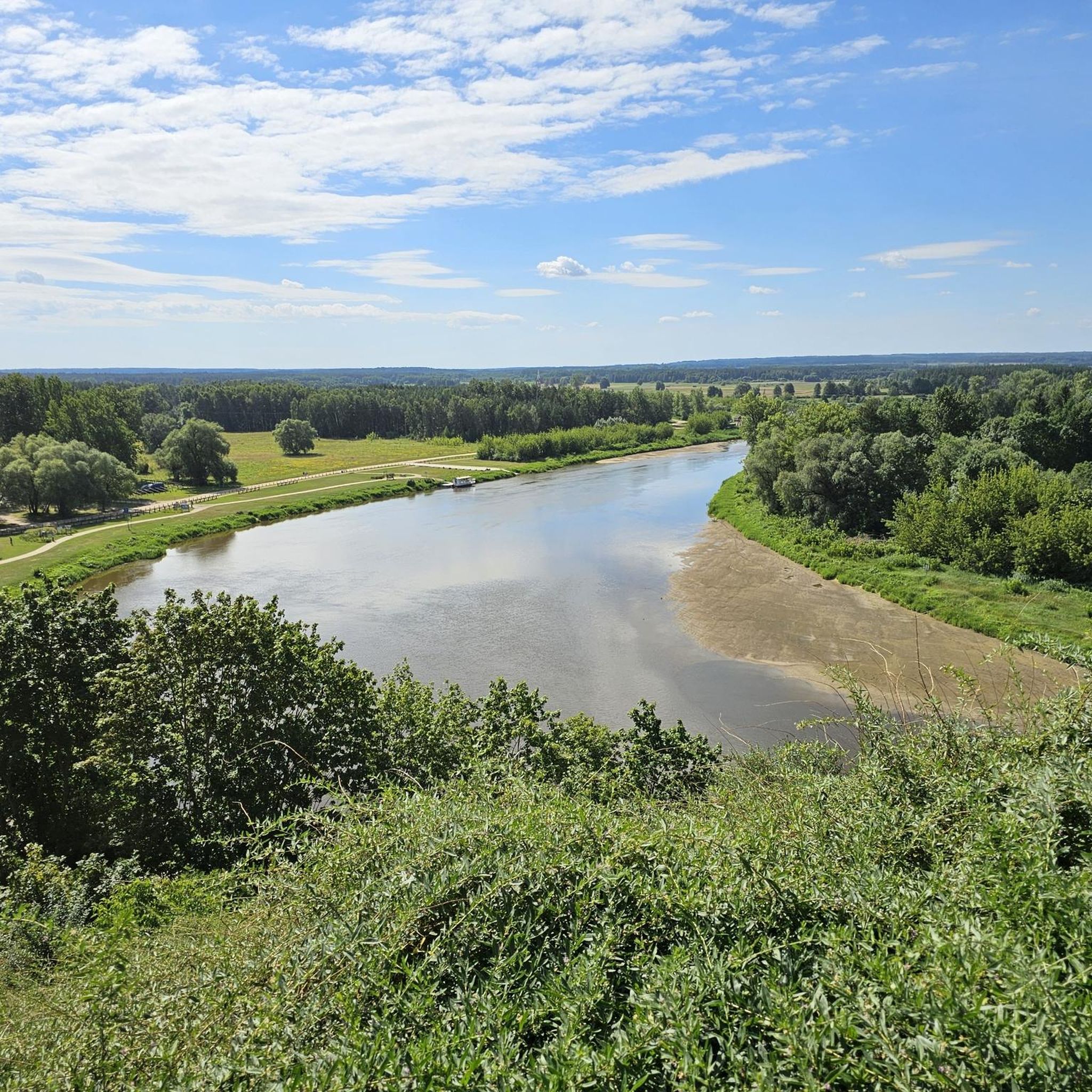
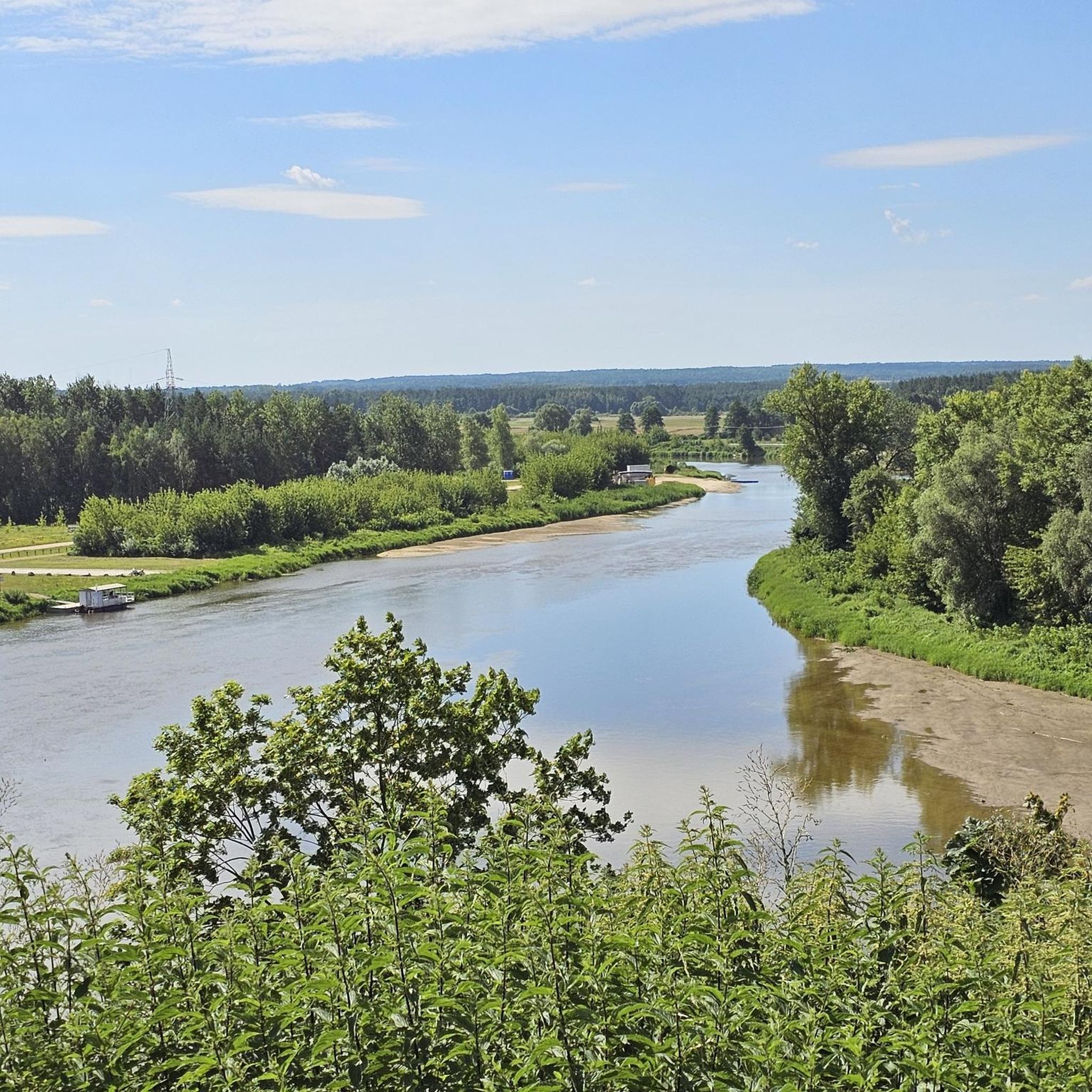
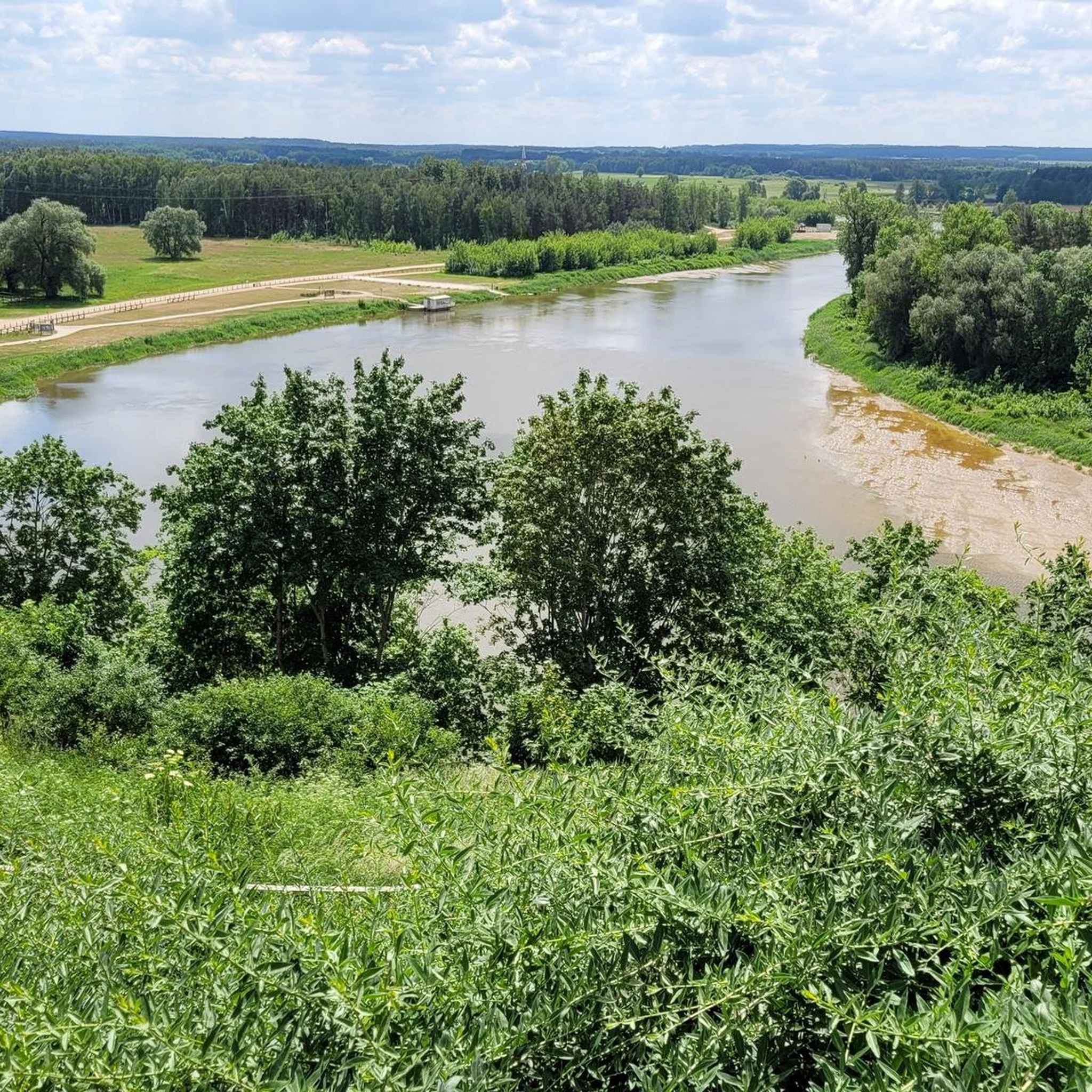
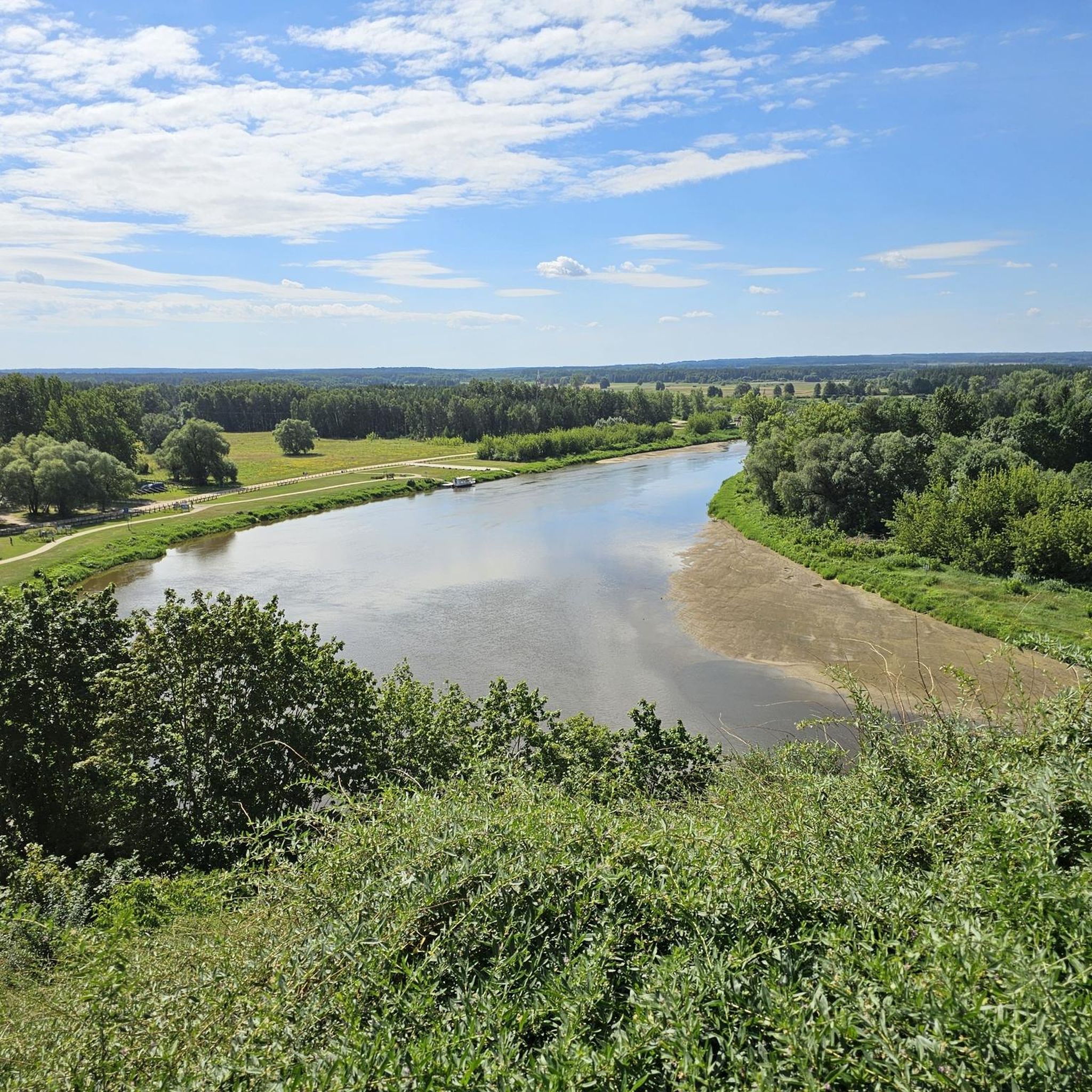
Escarpment above the Bug
Highlight • Viewpoint
Translated by Google •
Tip by
Sign up for free to discover even more natural monuments around gmina gmina Drohiczyn.
Sign up for free
Already have an account?
Start today with a free account
Your next adventure awaits.
Login or Signup

Tips from the Community

a forest nature reserve established in 1964 with an area of 21.08 ha
1
0
This ornately designed well, called John's Spring, was built around 1835. It's not entirely clear why it's called John's, as it's topped by a statue of St. Nepomuk.
1
0

Nowadays they don't build such wonders anymore :]
0
0

A historic well from around 1835, in an eclectic style, designed by Fr. Jaszczołda.
0
0


A forest reserve near the Bug River, in the Burzański Landscape Park. At the fork of bicycle routes to the ferry to Drohiczyn and Korczewo.
0
0

After 1929, Cpt. Władysław Łukasiuk pseudonym "Hammer". https://pl.wikipedia.org/wiki/W%C5%82adys%C5%82aw_%C5%81ukasiuk
0
0
Mężenin - a village in Poland located on the Bug in the Mazowieckie Voivodeship, in the Łosice poviat, in the Platerów commune [3] [4]. The settlement was established at the turn of the 14th and 15th centuries. Once Mężenin was an important harbor and grain transshipment point. The village was also the seat of the Jundziłłów family. In the interwar period, it was visited by, inter alia, gen. Michał Karaszewicz-Tokarzewski, Janusz Korczak and Wanda Dynowska [5]. The local manor house burned down in 1936 and despite a thorough reconstruction, it did not regain its former style. On the other hand, the remains of the park surrounding the manor have been preserved, including old oaks, several hundred years old (including monumental specimens). Today, the village has the character of a summer resort.
0
0
Frequently Asked Questions
What types of natural monuments can I discover in Gmina Drohiczyn?
Gmina Drohiczyn is home to a diverse range of natural monuments. You can find ancient, monumental trees like the Ash Tree in Ostrożany and the English Oak in Bujaki, both recognized for their impressive size and longevity. The region also features significant geological remnants such as glacial erratic boulders, which are evidence of past ice ages. Additionally, there are protected areas like the Przekop Nature Reserve, showcasing the area's rich biodiversity along the Bug River.
Are there any historical or cultural natural monuments in the area?
Yes, Gmina Drohiczyn offers natural monuments with historical significance. For instance, the St. John's Spring Well (Studnia "Źródło Jana") in Korczew is a man-made monument and natural monument. This historic well, designed in an eclectic style, dates back to around 1835 and is a notable example of local heritage.
What unique geological features can be found among the natural monuments?
The most unique geological features among Gmina Drohiczyn's natural monuments are the glacial erratic boulders. These large rock fragments were transported by glaciers from distant regions during the ice ages and left behind as the ice retreated. They serve as tangible evidence of the Earth's natural history and glacial processes, with examples found in locations like Drohiczynie-Kolonii, Korczewie, and Tokary.
Are there family-friendly natural monuments to visit in Gmina Drohiczyn?
Many of the natural monuments in Gmina Drohiczyn are suitable for family visits, offering opportunities for quiet contemplation and appreciation of nature. Areas like Mężenin – Natura 2000 Lower Bug Valley, with its remains of a park and old oaks, provide open spaces for families to explore. The general accessibility of these sites makes them pleasant for all ages.
What outdoor activities can I do near the natural monuments?
The natural monuments are often situated within broader protected areas, offering excellent opportunities for outdoor activities. You can enjoy various cycling routes, including those around the Przekop Nature Reserve, or explore the region on mountain bike trails. For those who prefer walking, there are easy hiking routes available. You can find more details on cycling routes in the Cycling around gmina gmina Drohiczyn guide, MTB trails in the MTB Trails around gmina gmina Drohiczyn guide, and easy hikes in the Easy hikes around gmina gmina Drohiczyn guide.
Are there specific hiking trails near these natural monuments?
Yes, there are several hiking trails that allow you to explore the natural beauty surrounding these monuments. For example, you can find easy loops directly from Drohiczyn, such as the 'Loop Drohiczyn' or the 'All Saints Church – Church of St. Nicholas loop'. These routes offer a chance to experience the picturesque landscapes along the Bug River and the wider Nadbużański Landscape Park. More information on easy hikes can be found in the Easy hikes around gmina gmina Drohiczyn guide.
What is the best time of year to visit the natural monuments in Gmina Drohiczyn?
The natural monuments in Gmina Drohiczyn can be enjoyed throughout the year, each season offering a different perspective. Spring brings lush greenery and blooming flora, while summer provides warm weather ideal for longer explorations. Autumn showcases vibrant fall colors, and even winter, with a blanket of snow, can offer a serene and picturesque experience, especially along the Bug River.
Can I bring my dog to the natural monuments?
Generally, natural areas and monuments in Gmina Drohiczyn are dog-friendly, especially if your dog is kept on a leash. It's always a good practice to ensure your pet does not disturb wildlife or other visitors and to clean up after them. Specific regulations might apply to certain protected reserves, so it's advisable to check local signage.
Are there any viewpoints to appreciate the natural landscape?
Yes, the region offers scenic viewpoints, such as the Escarpment above the Bug near Mogielnica. From here, you can enjoy expansive views overlooking the Bug River, with Drohiczyn visible in the distance. These spots are perfect for appreciating the picturesque landscapes that characterize Gmina Drohiczyn.
What makes the ancient trees in Gmina Drohiczyn so significant?
The ancient trees, such as the Ash Tree in Ostrożany and the English Oak in Bujaki, are significant for their majestic appearance, impressive age, and ecological value. English oaks, for example, are among the longest-living deciduous trees in Poland, capable of living over 1000 years. They are recognized as natural monuments for their monumental silhouettes, massive trunks, and wide crowns, serving as key elements in the local landscape and heritage.
What broader protected areas surround the natural monuments in Gmina Drohiczyn?
Beyond the individual natural monuments, Gmina Drohiczyn is situated within several broader protected areas, enhancing its natural appeal. These include Natura 2000 sites such as the Bug Valley (Dolina Bugu) and the Lower Bug Valley (Dolina Dolnego Bugu), as well as the Nadbużański Landscape Park. These areas protect important habitats and species, contributing to the region's diverse ecosystems and offering extensive natural beauty.
Most popular routes around gmina gmina Drohiczyn
Most popular attractions around gmina gmina Drohiczyn

Get inspired with the komoot mobile app


Explore more
Extend your search for the best caves by checking out these guides of the top ones around gmina gmina Drohiczyn:
