Top 7 Natural Monuments around Augustów
Natural monuments around Augustów are defined by a landscape shaped by glacial activity, featuring extensive forests and numerous lakes. This region in northeastern Poland offers diverse ecological features and protected areas. It is known for its vast forest complexes, deep glacial lakes, and specific nature reserves. This environment provides opportunities for outdoor activities and observing local flora and fauna.
Best natural monuments around Augustów
- The most popular natural monuments is Święte Miejsce Sanctuary on the Rospuda River, a religious…
Last updated: May 17, 2026
Święte Miejsce Sanctuary on the Rospuda River
Highlight • Religious Site
Translated by Google •
Tip by

Pine Nature Monument in Białowieża Forest
Highlight • Natural Monument
Translated by Google •
Tip by
Sign up now to discover places like this
Get recommendations on the best single tracks, peaks, & plenty of other exciting outdoor places.
Sign up for free
Kalejty Lake
Highlight • Lake
Translated by Google •
Tip by
Swan and oak
Highlight • Natural Monument
Translated by Google •
Tip by
Avenue of Oaks and 500-Year-Old Oak Monument
Highlight • Natural Monument
Translated by Google •
Tip by
Sign up for free to discover even more natural monuments around Augustów.
Sign up for free
Already have an account?
Start today with a free account
Your next adventure awaits.
Login or Signup

Tips from the Community

The Holy Place can be reached by bike better from the direction of Rączki than from the direction of Janówka (a steep, sandy descent).
1
0

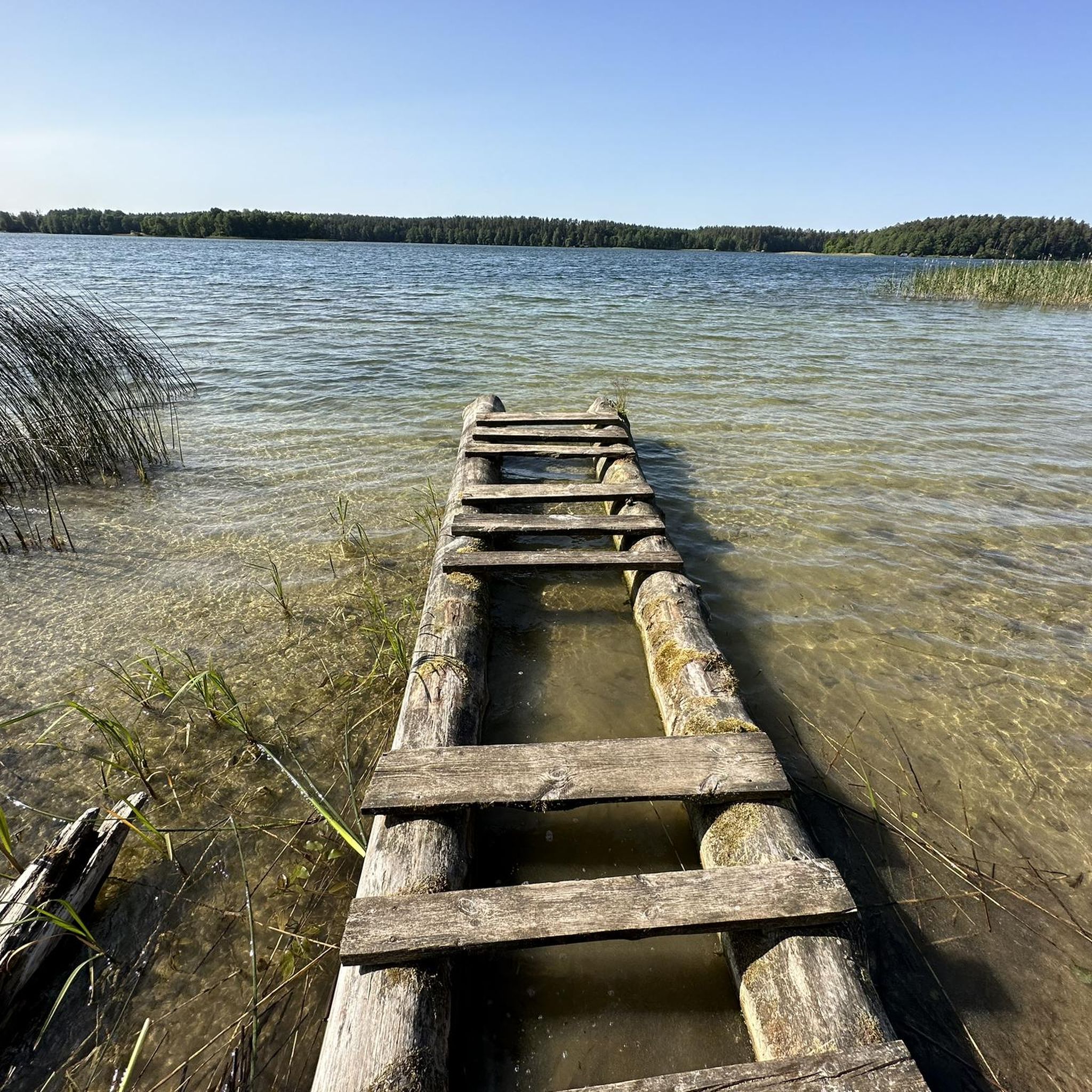
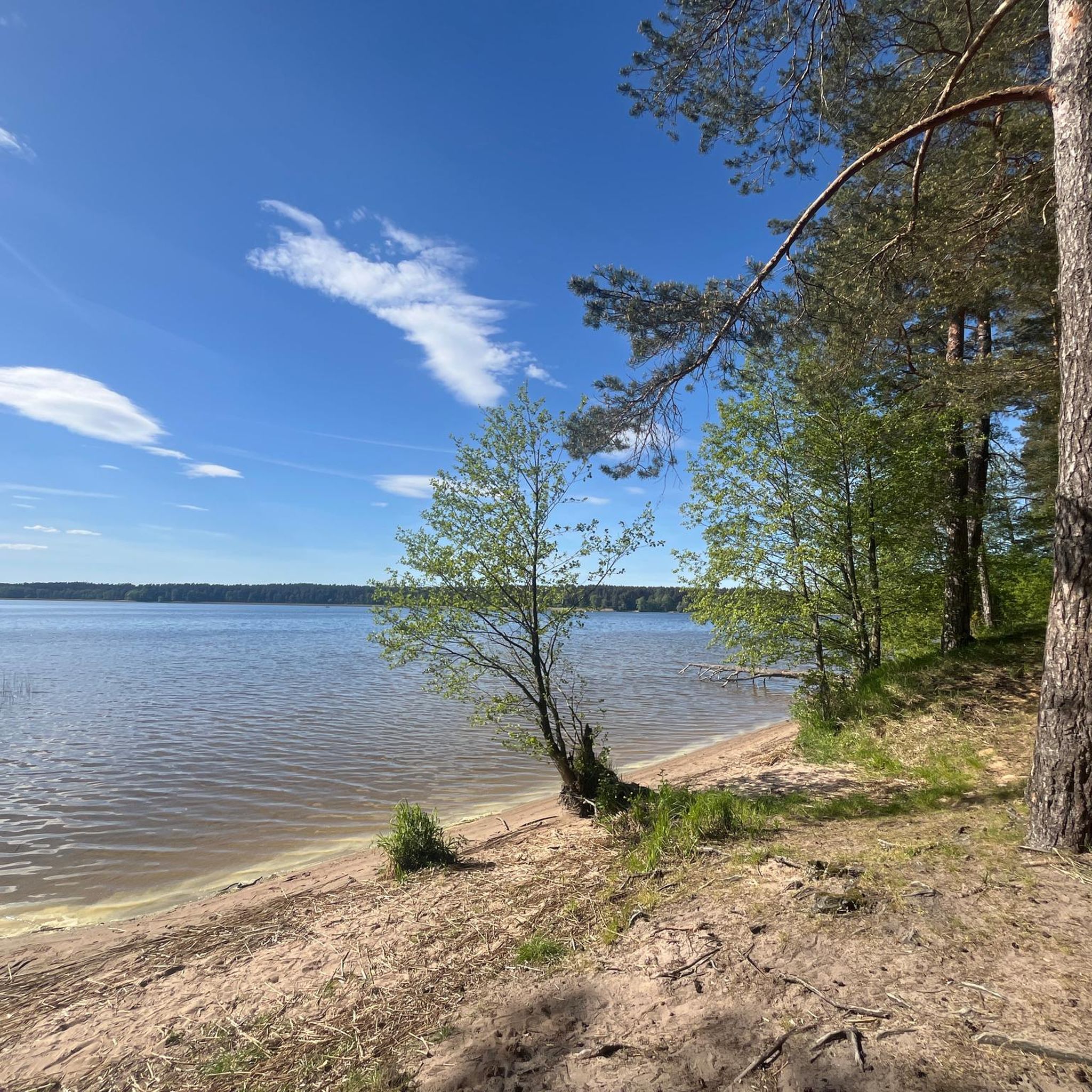
Kalejty reserve was established in 1980. Its area is 740.67 ha. The reserve protects the lake and its buffer zone: fresh, humid and marshy forest and a peat bog covered with rich vegetation, including relict species of bryophytes. In addition to many species of plants that are impossible to mention (including the forest sweetgrass, bog blueberry, narrow-leaved lungwort), many species of birds and animals live here. Even the untrained eye will notice traces of beavers. Lake Kalejty, which is protected by the reserve, is correctly called Długie. And so is its shape - elongated. From the south, it connects with a bay called Kaleta (also elongated). The lake has an area of 159.7 ha. Its maximum depth is 12 meters. The shoreline is irregular, "winding". Two twisting peninsulas penetrate the lake. One of them is called "Buffalo Horn" due to its shape. From the headland of the peninsula there is a view of the lake with mysterious names such as "To Chilmona na Róg", "To Pieca", or "Bagienko". The shores of the lake are also very diverse. There are marshes, peat bogs, meadows, as well as dry, sandy areas. A cognitive path has been marked out in the reserve. http://kalejty.pl/str/rezerwat-kalejty
2
0
The Holy Place is located on the banks of the Rospuda River next to the Jałówka River and Lake Jałowe. There is a chapel built in the fence from 1990 and several wooden and stone crosses, as well as a large wooden shrine. On one of the wooden crosses - which draws attention with its appearance - a copper plate is nailed with a text by Father Antoni Kochański, the deceased parish priest of Janówka. It informs that this cross was erected by the Yotvingians from the Skometa team after they were baptized in 1283, before going to Samland. The cross, supposedly burned and destroyed by pagans, miraculously survived and was re-erected by converted enemies. This place is surrounded by an aura of mystery and extraordinary. Miracles that have appeared here through the intercession of the Blessed Virgin Mary have long been told. The first miracle is said to have occurred during the times of the Yotvingians, when a cross thrown into the water, instead of floating down, returned to the same place. The second miracle occurred when the Mother of God saved people surrounded by Tatars by covering them with an invisible cloak. Sometimes this extraordinary event is transferred to the times of the January Uprising. In fact, the sacred place is most likely located on the site of the former cemetery of the Orthodox church built by Bohdan Hrynkowicz Wołłowicz after receiving the grant of the forest - around 1514. It was patronized by St. John the Baptist - hence so many names related to the name of John in the area. Local people have been gathering in this place on June 24 for a long time. They prayed, ate a ritual meal, washed themselves in the nearby Jałówka river, made offerings under the crosses - money and food, and tied decorative towels on them. As ethnographers explain, these rites are characteristic of the Orthodox holiday of Jordan. Similar behaviors are seen in the Mińszczyzna region, where some of the population probably came from. Today, the holiday is officially sanctioned by the local parish priest. https://suwalszczyzna.com.pl/info/miejsca/uroczysko-swiete-miejsce
3
0
Through the alley we reach the chapel of Our Lady on the island.
3
0

an extraordinary place, one-day trips often end here
0
0
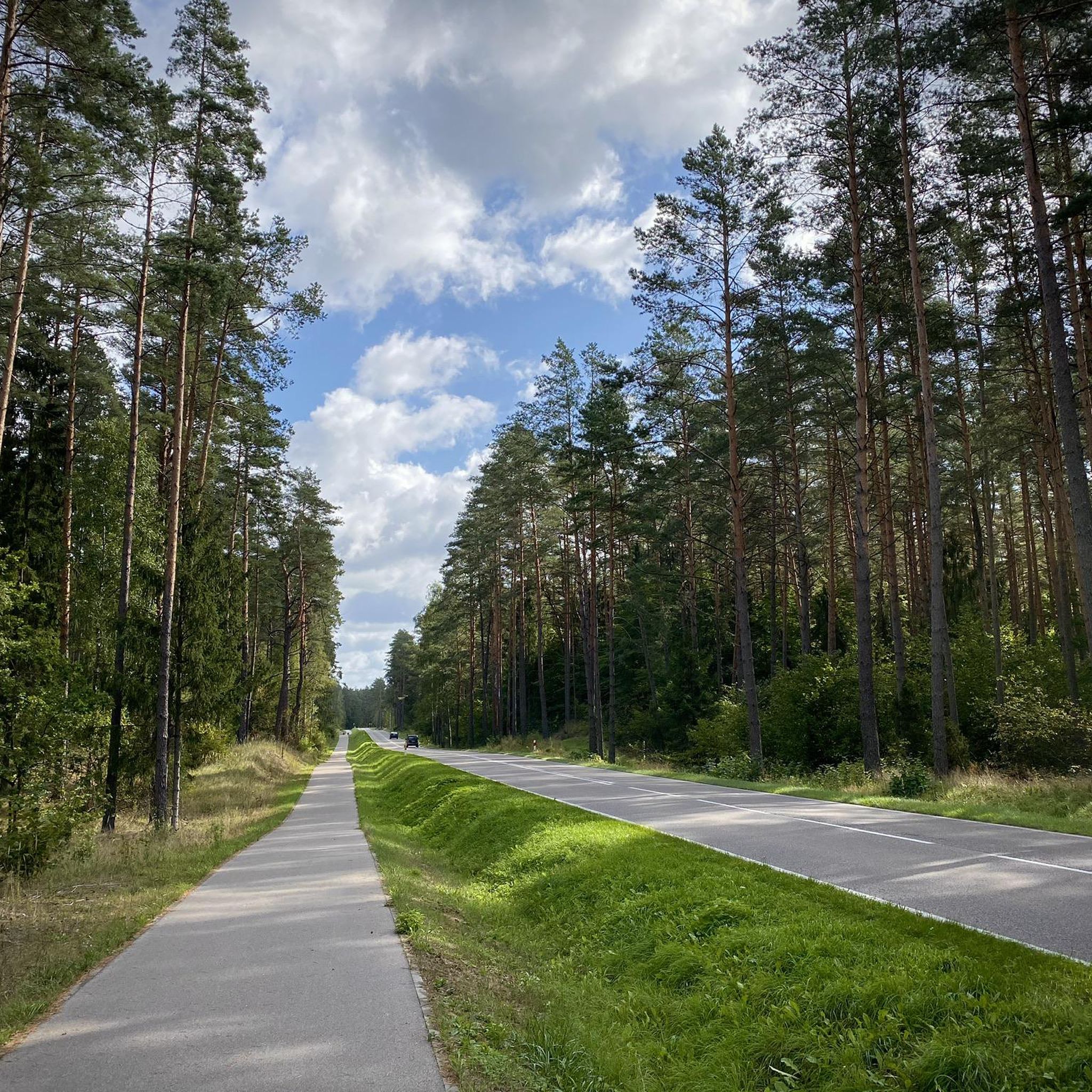
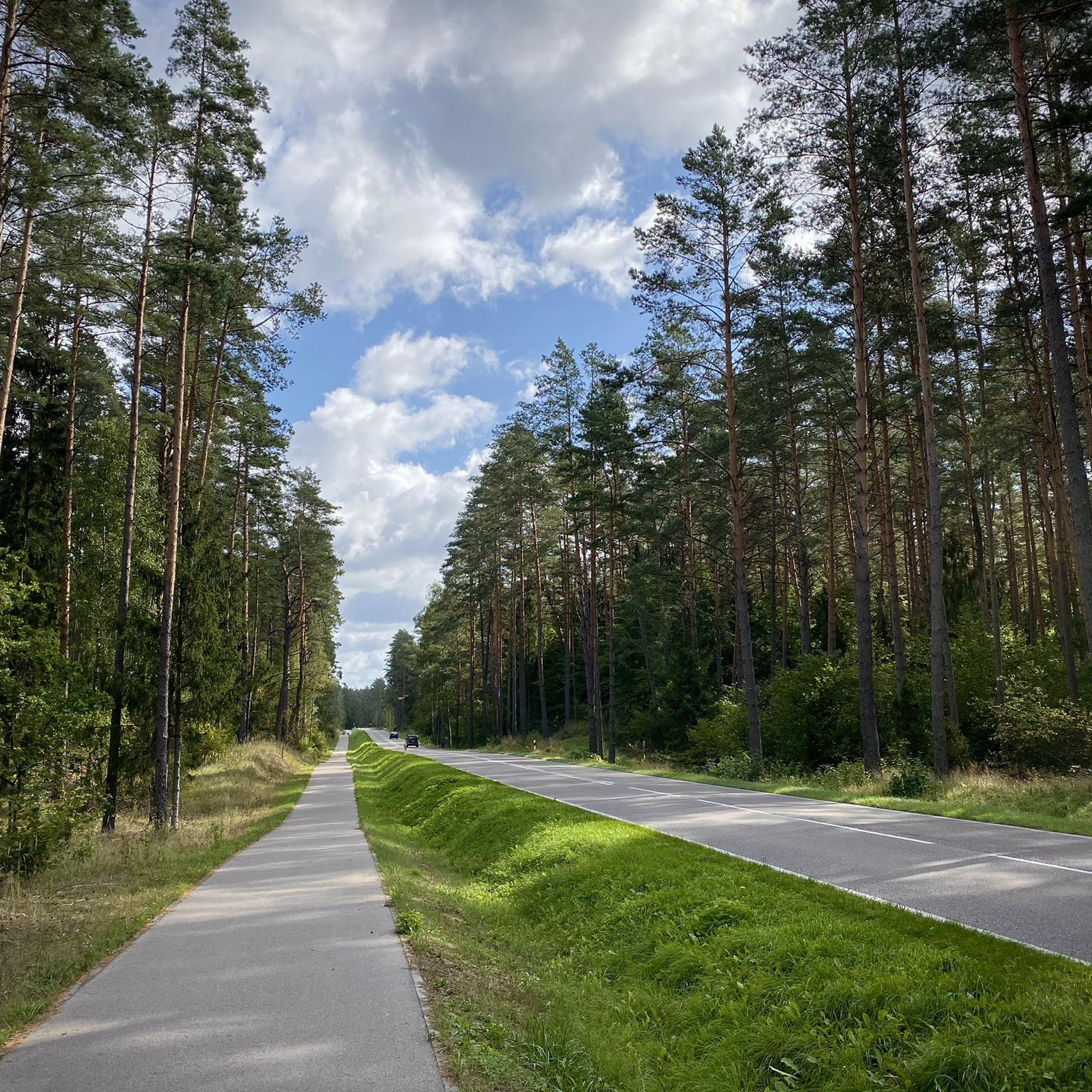
A beautiful and large pine tree, a natural monument along the Green Velo route. It will certainly not escape your attention. Unfortunately, the road is gravel and in the summer it becomes a washboard.
3
0
A beautiful, large and old oak tree, and a swan just happened to approach it.
3
0
A beautiful, large, old oak and a swan that came from the lake.
3
0
Frequently Asked Questions
What unique natural features can I explore around Augustów?
The Augustów region, shaped by glacial activity, offers a diverse landscape. You can explore vast forest complexes like the Augustów Forest, numerous deep glacial lakes such as Lake Necko and Lake Białe, and unique ecosystems within nature reserves. The area is also known for its extensive peat bogs and waterlogged meadows.
Are there family-friendly natural monuments in the Augustów area?
Yes, several natural monuments are suitable for families. Kalejty Lake, for instance, is a protected area with a cognitive path, offering an educational and enjoyable experience. The Święte Miejsce Sanctuary on the Rospuda River is also considered family-friendly, combining nature with historical significance. Additionally, the Swan and oak highlight provides a pleasant, accessible spot for all ages.
What outdoor activities can I do near the natural monuments in Augustów?
The region is ideal for various outdoor activities. You can enjoy hiking, cycling, mushroom picking, and wildlife observation in the Augustów Forest. The Augustów Lakes are perfect for water sports like sailing, windsurfing, kitesurfing, kayaking, and fishing. The Augustów Canal also offers opportunities for kayaking, boat tours, and leisurely walks or cycling along its banks. For specific routes, you can explore options like those found in the Easy hikes around Augustów or Cycling around Augustów guides.
Which natural monuments have historical or cultural significance?
The Święte Miejsce Sanctuary on the Rospuda River is a notable site with deep historical and spiritual roots, featuring a chapel and crosses in a forest clearing. It's believed to be the site of a former Orthodox cemetery and has been a place of religious gatherings for centuries. Additionally, the Papal Oak in Studzieniczna commemorates Pope John Paul II's visit, adding a modern historical layer to the natural landscape.
What is the best time of year to visit the natural monuments around Augustów?
The Augustów region is beautiful year-round, but the best time depends on your preferred activities. Spring and summer (May to September) are ideal for water sports, hiking, and cycling, with lush greenery and pleasant temperatures. Autumn offers stunning fall foliage, perfect for scenic walks and mushroom picking. Even winter can be appealing for those interested in cross-country skiing or experiencing the tranquil, snow-covered forest.
Are there any specific nature reserves worth visiting in the Augustów Forest?
Yes, the Augustów Forest contains several important nature reserves. The Kalejty Lake Nature Reserve protects the lake and its buffer zone, including diverse forest and peat bog vegetation. Other notable reserves include Brzozowy Grąd, known for the rare lady's slipper orchid, and Kozi Rynek, which protects hornbeam and riparian forest stands and is a habitat for moose and black storks.
What do visitors enjoy most about the natural monuments in Augustów?
Visitors frequently appreciate the tranquility and clean air of the Augustów Forest, often referred to as the 'Green Lungs of Poland.' The scenic beauty of the glacial lakes, with their clear waters and sandy beaches, is also a major draw. Many enjoy the diverse opportunities for active recreation, from kayaking on the Augustów Canal to cycling along routes like the Green Velo, which passes by the impressive Pine Nature Monument in Białowieża Forest.
Can I find easy hiking trails near the natural monuments?
Yes, there are many easy hiking options. The nature reserves often feature well-marked cognitive paths, such as the one in the Kalejty Lake Nature Reserve. Additionally, the Augustów Forest and the areas around the lakes offer numerous gentle trails suitable for leisurely walks. You can find specific easy routes in the Easy hikes around Augustów guide, such as the 'Palace on the Bałkowski Bridge – Koterbska Monument loop'.
Are the natural monuments around Augustów dog-friendly?
While specific regulations can vary by reserve, generally, dogs are welcome on leashes in many parts of the Augustów Forest and along the lake shores and canal paths. It's always best to check local signage, especially within designated nature reserves, to ensure compliance with protected area rules. Many visitors enjoy exploring the broader forest and lake areas with their canine companions.
What are the main lakes to visit in the Augustów region?
The Augustów region is famous for its nine glacial lakes. Key examples include Lake Necko, known for its sandy beaches, and Lake Białe (Białe Augustowskie), praised for its crystal-clear water and picturesque forest beaches. Lake Sajno is the largest, offering a tranquil environment, while Lake Studzieniczne is notable for hosting an island with the Brzozowy Grąd Nature Reserve and a historic pilgrimage site.
How long should I plan to explore the natural monuments in Augustów?
The duration of your visit depends on your interests. A weekend trip allows you to experience a few key highlights like the Augustów Forest and one or two lakes. To fully appreciate the diverse natural monuments, including multiple lakes, reserves, and the Augustów Canal, and to engage in various activities, a stay of 3-5 days or even a full week is recommended. This allows for a more relaxed exploration and deeper immersion in the region's natural beauty.
Are there cycling routes that pass through or near these natural monuments?
Absolutely. The Augustów region is very popular for cycling. The Green Velo route, for example, passes by the Pine Nature Monument in Białowieża Forest. Many routes also circle the lakes, such as the 'Niebieski szlak rowerowy "Wokół Jeziora Białego i Studzienicznego"' or 'Around Lake Sajno'. You can find a variety of options, from easy to difficult, in the Cycling around Augustów guide.
Most popular routes around Augustów
Most popular attractions around Augustów

Get inspired with the komoot mobile app


Explore more
Extend your search for the best caves by checking out these guides of the top ones around Augustów:
