Top 5 Natural Monuments around Dynów
Natural monuments around Dynów feature diverse landscapes, including protected reserves and scenic river valleys. The region is characterized by its hilly terrain and the San River, offering various natural attractions. These areas provide opportunities to explore unique ecosystems and geological formations. The Dynowskie Foothills contribute to the area's distinct natural character.
Best natural monuments around Dynów
- The most popular natural monuments is Mójka Nature Reserve, a forest that protects beech and fir forests and beaver populations. It features two…
Last updated: June 29, 2026
Mójka Nature Reserve
Highlight • Forest
Two nature trails run through the reserve: one …
Translated by Google •
Tip by

Ignacy Krasicki Monument, Dubiecko Castle
Highlight • Monument
Translated by Google •
Tip by

Sign up now to discover places like this
Get recommendations on the best single tracks, peaks, & plenty of other exciting outdoor places.
Sign up for free
London Plane Tree, Dubiecko Castle Park
Highlight • Natural Monument
Translated by Google •
Tip by
Brodoszurki Nature Reserve
Highlight • Natural Monument
Translated by Google •
Tip by
Old Linden Tree – Natural Monument, Dynów
Highlight • Natural Monument
Translated by Google •
Tip by
Start today with a free account
Your next adventure awaits.
Login or Signup
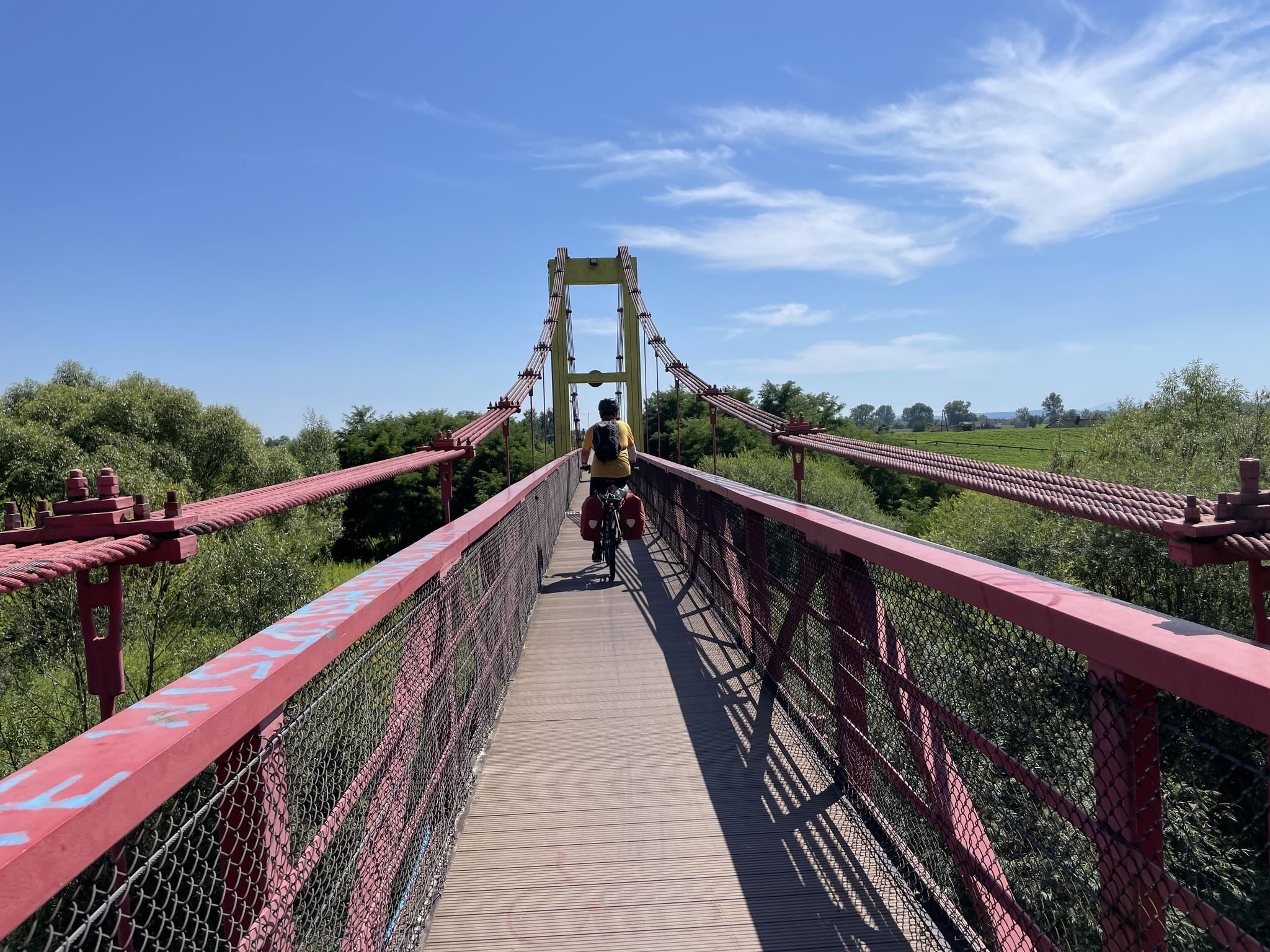
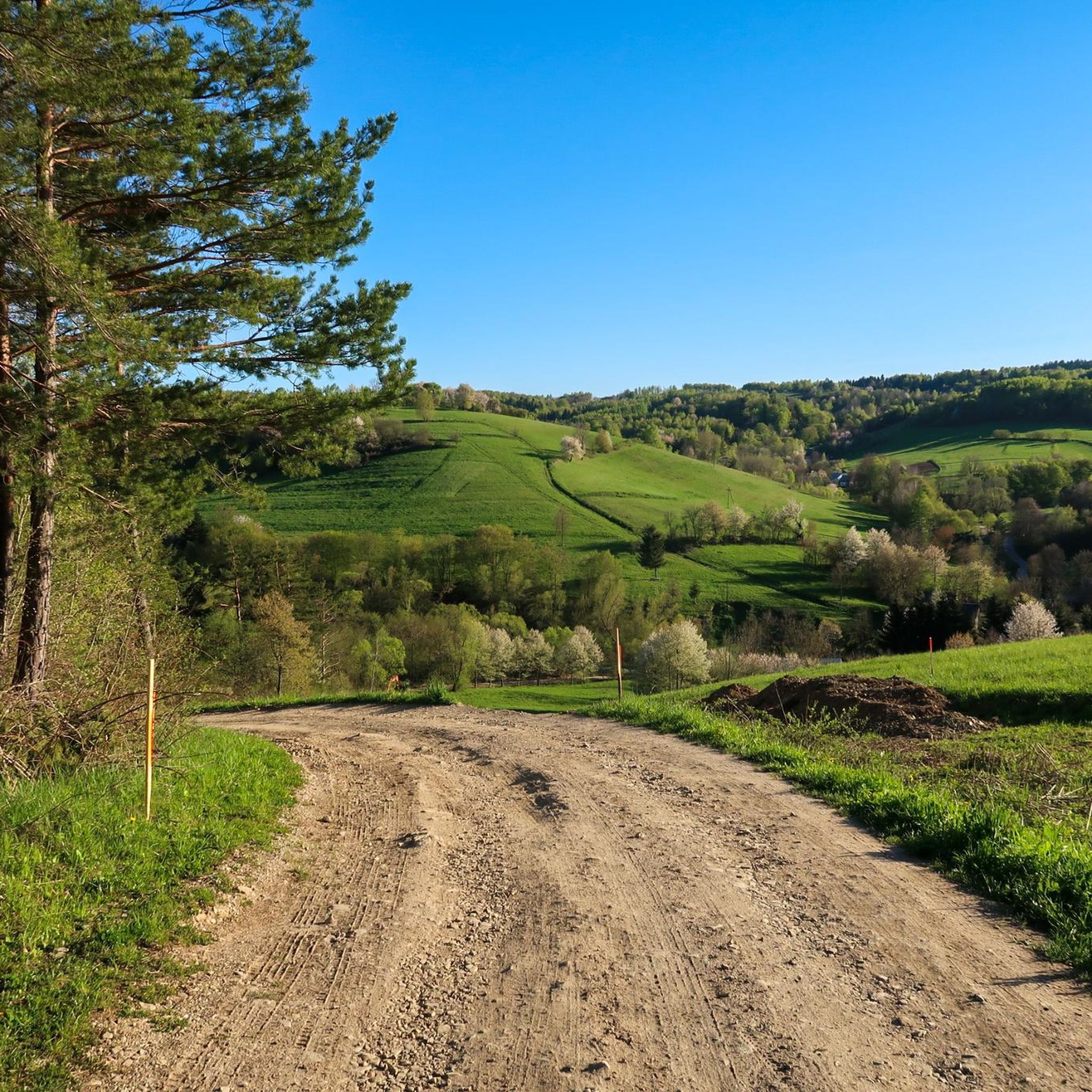
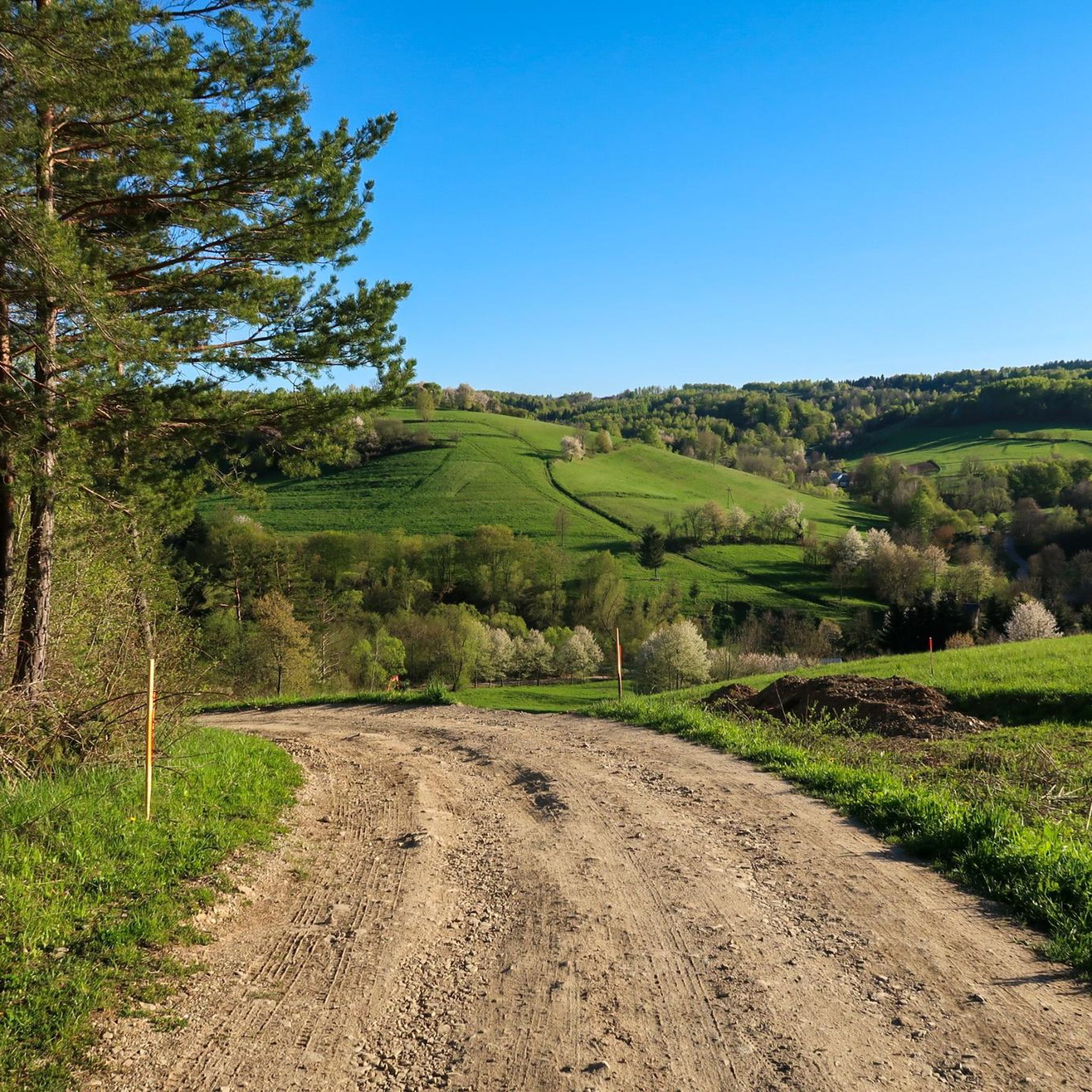
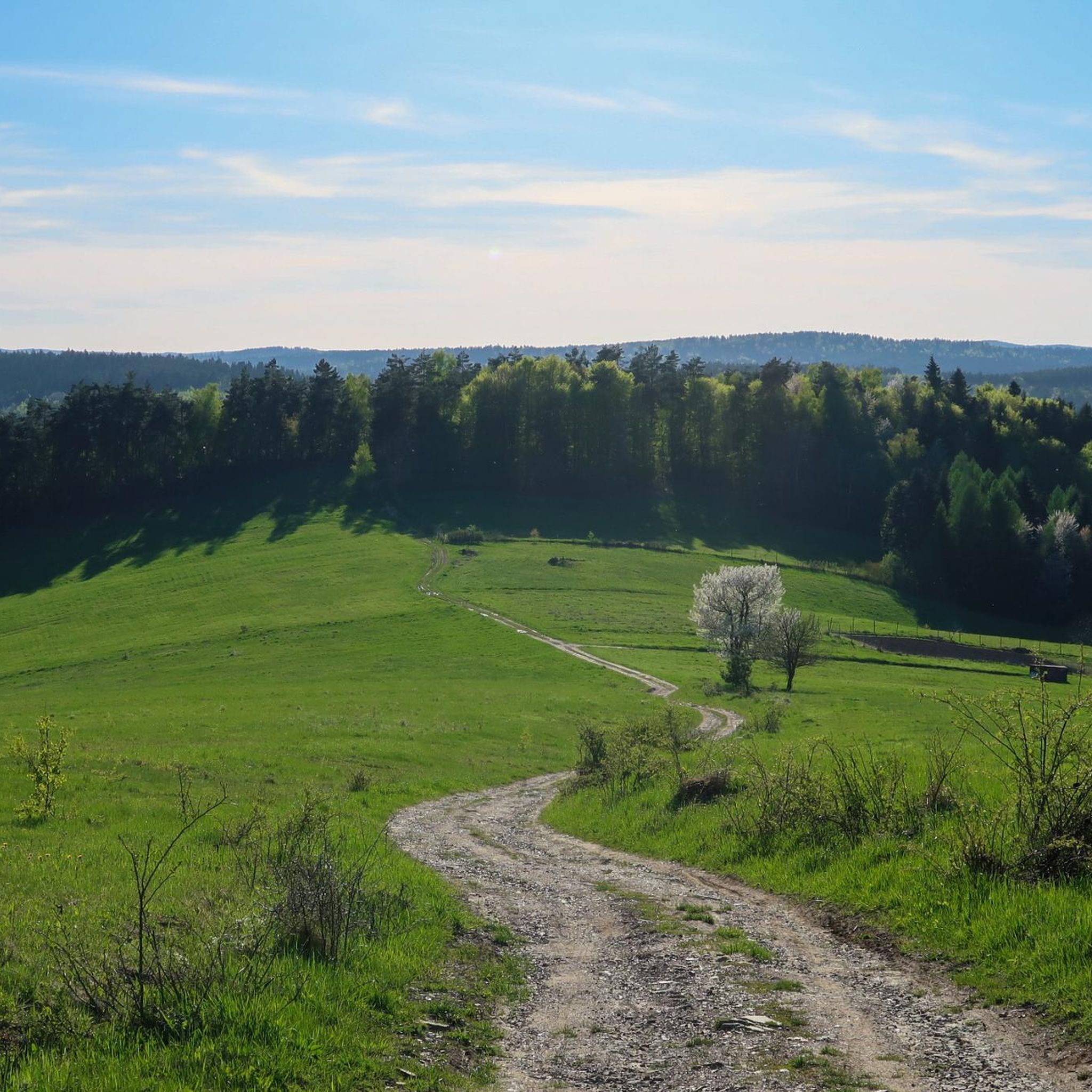

Tips from the Community

Added to the collection: https://www.komoot.com/de-de/collection/3600632/-naturdenkmaeler-besondere-baeume-und-weitere-schaetze-der-natur
1
0
Added to the collection: https://www.komoot.com/de-de/collection/3600632/-naturdenkmaeler-besondere-baeume-und-weitere-schaetze-der-natur
2
0

According to the Register of Polish Monument Trees, the Dewajtis oak measured in 2013 had a trunk circumference of 5.80 m.
2
0
According to the Register of Polish Monumental Trees, the circumference of this plane tree was 7.07 meters in 2013, and it is known that the circumference of a living tree increases year by year. A photo of the tree with a short description can be found in Krzysztof Borkowski's album POLISH TREES (DALPO, Poznań 2014). Source and more: REGISTER OF POLISH MONUMENTAL TREES - Tree https://share.google/1x8rJT91Tlhe4AGIU https://www.rpdp.hostingasp.pl/Default.aspx
3
0
In the 18th century, known as the century of philosophers, Ignacy Krasicki was born in the castle, later Bishop of Warmia and Archbishop of Gniezno, poet and publicist, one of the main representatives of the Enlightenment in Poland, participant of the famous Thursday dinners of King Stanisław August Poniatowski. (...) Thanks to his intellectual qualities, Ignacy Krasicki was called the prince of poets and with this title he went down in history. Ignacy Krasicki took great care of his family park. From his trips abroad, he often sent his sister-in-law Róża née Charczewski new tree seedlings, which he ordered to be planted in the Dubiecko park with appropriate instructions. Source and more: https://ogrody.podkarpackie.travel/trasy/dubiecko/
1
0
"Dewajtis" is a magnificent oak tree growing in the castle courtyard. During Countess Konarska's life, she could often be found reading her favorite novels in the shadow of its crown. One of them was Rodziewiczówna's novel Dewajtis. This is also how she named her inseparable companion, who has been growing in the castle courtyard for over 300 years, i.e. since the birth of the prince of Polish poets Ignacy Krasicki in this place. The name of the town - Dubiecko, comes from the Russian word "dub", meaning oak, because there were many oaks in this area. Source and more: https://ogrody.podkarpackie.travel/trasy/dubiecko/
2
0
I have never seen such a plane tree in Poland, it has a thick trunk like a baobab from Africa. There are old oaks nearby, but their trunks are inferior to plane trees in terms of thickness. I regret not taking a 15 m measuring tape, so I could measure the circumference of these trees. WW ---------------------------- Over 700 trees (32 species) have been inventoried in the park area. The largest share in the species composition is made up of lime trees, maples, ashes and English oaks. Species of foreign origin also deserve a mention. Here we can list the stately London plane trees, ginkgo biloba and American tulip trees. The plane tree growing in the eastern part of the park has reached a circumference of over 6 m at breast height, which makes it one of the largest trees in Poland. Old trees make up a significant share of the stand and that is why there are over 70 natural monuments here. However, the most eye-catching feature is the stately oak tree growing in the courtyard – the 300-year-old Dewajtis. Source and more: https://ogrody.podkarpackie.travel/trasy/dubiecko/
3
0
The linden tree stands near the tower, in the corner of the church square. Only part of the mighty tree remains, missing the branches that grew towards the church entrance. Despite this, the rest of the tree's crown is green with lots of leaves. WW
0
0
Frequently Asked Questions
What are the most popular natural monuments around Dynów?
The region around Dynów offers several cherished natural monuments. Among them, the Mójka Nature Reserve is highly popular, known for its protected beech and fir forests and beaver populations, featuring two nature trails. Another significant spot is the Brodoszurki Nature Reserve, established to preserve unique peat bog communities with protected plants.
Are there family-friendly natural monuments in the Dynów area?
Yes, several natural monuments around Dynów are suitable for families. The Mójka Nature Reserve offers easy nature trails like the Beaver Trail and Deer Trail, perfect for exploring with children. Additionally, the Ignacy Krasicki Monument, Dubiecko Castle, with its ancient Dewajtis oak, and the London Plane Tree, Dubiecko Castle Park, provide historical context and impressive trees that can engage younger visitors.
What kind of wildlife can I expect to see in the natural monuments near Dynów?
The natural monuments around Dynów are home to diverse wildlife. The Mójka Nature Reserve is specifically established to protect its beaver population residing in wetland communities, offering a chance to observe these fascinating animals. The various forest and wetland ecosystems also support other local fauna.
Are there hiking trails available within the natural monuments?
Yes, the Mójka Nature Reserve features two distinct nature trails: the Beaver Trail (a single loop) and the Deer Trail (two loops), allowing visitors to explore its diverse forest and wetland ecosystems. The Dynów Hills also have a roughly 17 km long tourist trail connecting several scenic viewpoints, which is great for hikers.
What are the best places for scenic views in the Dynów region?
The Dynów Hills offer a designated tourist route leading to five scenic viewpoints, providing expansive vistas of the San River valley and the surrounding Dynowskie Foothills. These include Winnica, Krzemieniec, "Przy niebieskim szlaku," Kaniowiec, and "Przy krzyżu katyńskim." Some viewpoints, like Kaniowiec, are equipped with observation towers or terraces for enhanced viewing.
Can I find historical natural monuments around Dynów?
Absolutely. The Ignacy Krasicki Monument, Dubiecko Castle, is a significant historical site that includes the over 300-year-old Dewajtis oak tree. Similarly, the London Plane Tree, Dubiecko Castle Park, is part of a historical park with over 70 natural monuments, including ancient trees, reflecting centuries of natural and cultural heritage.
What outdoor activities can I do near the natural monuments around Dynów?
Beyond exploring the natural monuments themselves, the Dynów area is excellent for various outdoor activities. You can find numerous cycling routes, including touring, mountain biking, and road cycling. For example, you can explore routes like the "Picnic Area by the San River" loop for touring bikes, or the "Scenic Road in the San Valley" loop for mountain biking. Discover more options on the Cycling around Dynów, MTB Trails around Dynów, and Road Cycling Routes around Dynów guide pages.
Are there any natural monuments along the San River?
Yes, the San River valley itself is a significant natural feature. A picturesque route, known as the "Malownicza droga w Dolinie Sanu" (Scenic Road in the San Valley), offers idyllic landscapes. Additionally, along the San River, you'll find designated beaches like "Plaża przy kei" and "Plaża na zakręcie Sanu," which are natural spots for relaxation and recreation by the water.
What is the best time of year to visit the natural monuments in Dynów?
The natural monuments around Dynów are beautiful throughout the warmer months, generally from spring to early autumn. This period offers pleasant weather for hiking, cycling, and enjoying the scenic viewpoints and river beaches. Spring brings lush greenery and blooming flora, while autumn showcases vibrant fall colors, particularly in the forested reserves.
How long should I plan for exploring the natural monuments?
The time needed depends on which monuments you wish to visit. For instance, exploring the nature trails within the Mójka Nature Reserve might take a few hours. A visit to the historical sites like Dubiecko Castle and its ancient trees could also fill a morning or afternoon. If you plan to hike the 17 km tourist trail connecting the Dynów Hills viewpoints, a full day might be ideal, or you can choose to visit a few specific viewpoints for shorter excursions.
Are there any unique trees designated as natural monuments?
Yes, the Dynów area is home to several impressive ancient trees. The Ignacy Krasicki Monument, Dubiecko Castle, features the over 300-year-old Dewajtis oak. In the same vicinity, the London Plane Tree, Dubiecko Castle Park, is notable for its immense size, with a circumference of over 6 meters, making it one of the largest trees in Poland. Dynów itself also has an Old Linden Tree near the church square, recognized as a natural monument.
What do visitors enjoy most about the natural monuments around Dynów?
Visitors frequently appreciate the diverse natural beauty, from the protected forests and wetlands of the nature reserves to the panoramic views from the Dynów Hills. The opportunity to observe wildlife, explore well-maintained trails, and experience the tranquility of the San River valley are often highlighted. The blend of natural splendor with historical elements, such as ancient trees at Dubiecko Castle, also adds to the appeal.
Most popular attractions around Dynów

Get inspired with the komoot mobile app


Explore more
Extend your search for the best caves by checking out these guides of the top ones around Dynów:
