Top 4 Natural Monuments around gmina Przeworsk
Best natural monuments around gmina Przeworsk are found within a rural administrative district in southeastern Poland, characterized by its diverse natural landscape. The area features two significant forest clusters, notably alder groves in Nowosielce and Grzęska, alongside extensive plains with varied meadow vegetation. These natural features contribute to a rich biodiversity, making the gmina a destination for nature enthusiasts.
Best natural monuments around gmina Przeworsk
- The most popular natural monuments is Łańcut Castle Park, a historical site that covers…
Last updated: June 29, 2026
Łańcut Castle Park
Highlight • Historical Site
Translated by Google •
Tip by

Sobieski Pine in Żołynia
Highlight • Natural Monument
Translated by Google •
Tip by

Sign up now to discover places like this
Get recommendations on the best single tracks, peaks, & plenty of other exciting outdoor places.
Sign up for free
Las Dębnik
Highlight • Forest
Translated by Google •
Tip by

Boża Męka Tree Shrine in Jagiełła
Highlight • Religious Site
Translated by Google •
Tip by

Husówka Nature Reserve
Highlight (Segment) • Forest
The Southern Kłokoczka is under protection.
Translated by Google •
Tip by

Start today with a free account
Your next adventure awaits.
Login or Signup

Tips from the Community

The Sobieski Pine in Żołynia is an impressive natural monument and the thickest single-trunk Scots pine in Poland. Its trunk has a circumference of 442 cm and a height of up to 14.5 m. The tree is estimated to be around 250 years old, although some doubt this, pointing to comparisons with other ancient pines in the country. According to local legend, it was under this pine that Jan III Sobieski rested on his way to the relief of Vienna, which adds an additional charm to this place. It is worth cycling here and stopping for a moment by this extraordinary tree - it is an interesting place for lovers of history and nature.
4
0

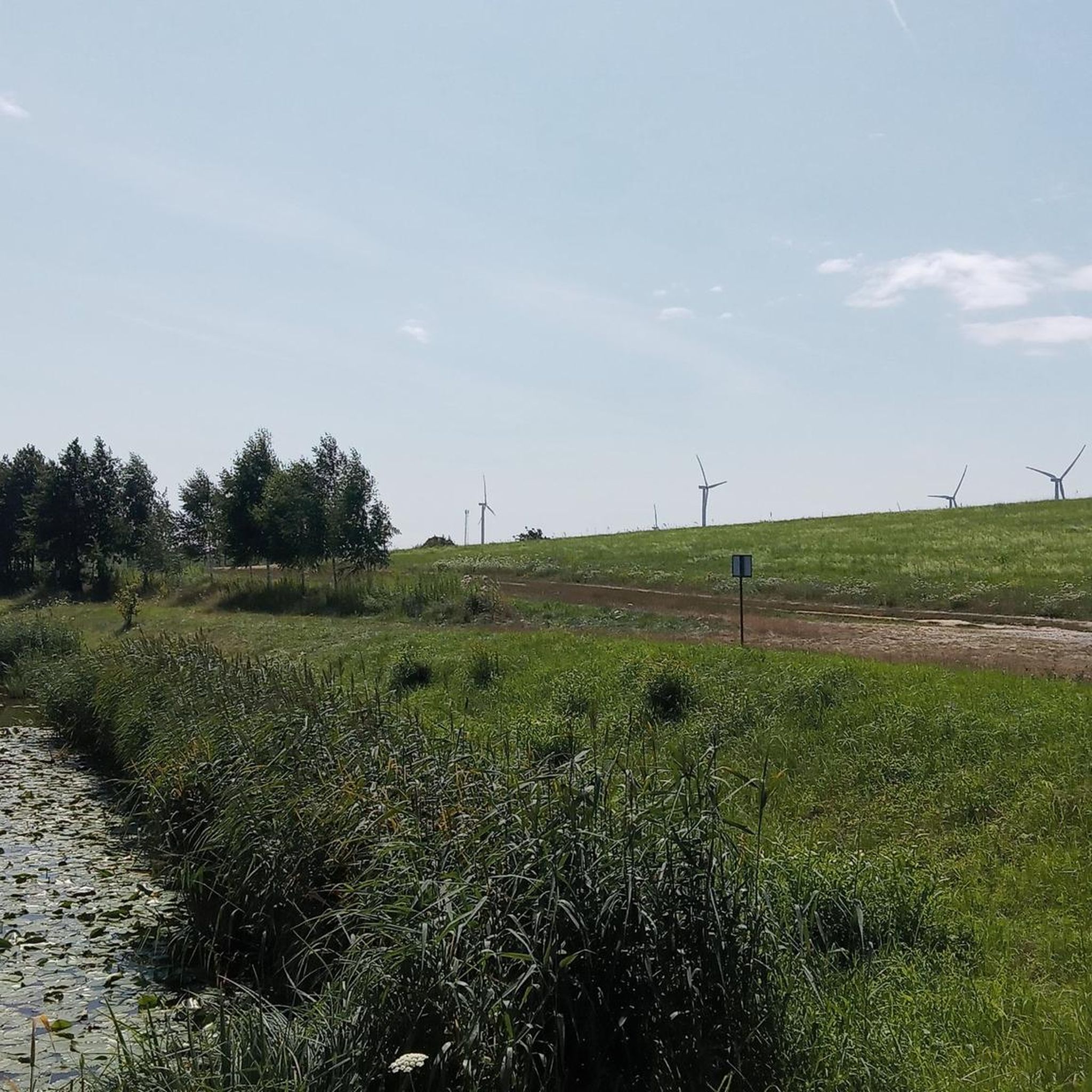
Beautiful path through the forest, some asphalt, gravel and mud. The Southern Kłokoczka is under protection.
0
0
The chapel, called by the locals "God's Passion", was built during the partition period.
0
0

Very strange place, looks a bit spooky, because of the shape of the tree. It's worth seeing for yourself ;)
1
0

"God's Passion" is a tree shrine with a figure of the Crucified Jesus, located in the trunk of an old, withered pine tree. The year the chapel was hung is unknown, it probably comes from the mid-19th century.
0
0

It's a small oak forest. They say everyone is judged by those in love😘
1
0
Dębnik is an oak grove of natural origin, approximately 300 years old, supplemented with new tree plantings.
0
0
A beautiful old pine, a powerful tree. I recommend it
1
2
Frequently Asked Questions
What kind of natural monuments can I expect to find around gmina Przeworsk?
The area around gmina Przeworsk offers a diverse natural landscape. You'll find significant forest clusters, ancient trees, and nature reserves. Highlights include the impressive Sobieski Pine in Żołynia, the historic Łańcut Castle Park with its rare trees, the ancient oak forest of Las Dębnik, and the Husówka Nature Reserve.
Are there any historical natural monuments in the area?
Yes, several natural monuments around gmina Przeworsk have historical significance. The Łańcut Castle Park, established in the 18th and 19th centuries, is a prime example, featuring historical gardens and ancient trees. Additionally, the Boża Męka Tree Shrine in Jagiełła is a unique historical and religious site, with a chapel dating back to the mid-19th century built into an old pine tree. The Sobieski Pine in Żołynia also carries a local legend about King Jan III Sobieski resting beneath it.
Which natural monuments are suitable for families with children?
Many natural monuments in the area are family-friendly. The Łańcut Castle Park offers spacious grounds, gardens, and historical buildings to explore. The Sobieski Pine in Żołynia and Las Dębnik provide opportunities for easy walks and appreciating ancient trees. The unique Boża Męka Tree Shrine in Jagiełła can also be an interesting stop for families.
What outdoor activities can I do near the natural monuments?
The natural monuments around gmina Przeworsk are excellent starting points for various outdoor activities. You can enjoy easy hikes, gravel biking, and mountain biking on trails nearby. For detailed routes, explore the Easy hikes around gmina Przeworsk, Gravel biking around gmina Przeworsk, and MTB Trails around gmina Przeworsk guides.
Are there specific forest areas or nature reserves worth exploring?
Absolutely. The Husówka Nature Reserve offers a beautiful path through the forest, protecting unique flora like the Southern Kłokoczka. Las Dębnik is a significant 300-year-old oak grove. Beyond these, the rural Gmina Przeworsk is known for its larger forest clusters, particularly alder groves in areas like Nowosielce and Grzęska, which contribute to the region's rich biodiversity.
What unique trees can be seen among the natural monuments?
The region boasts several remarkable trees. The Sobieski Pine in Żołynia is particularly notable as the thickest single-trunk Scots pine in Poland, estimated to be around 250 years old. Łańcut Castle Park features numerous old and rare trees, including tulip trees, Chinese junipers, plane trees, and ginkgo trees. The Boża Męka Tree Shrine in Jagiełła is also centered around an old, withered pine tree.
Is gmina Przeworsk a good place for birdwatching or wildlife observation?
Yes, Gmina Przeworsk is rich in diverse fauna, making it an excellent spot for wildlife observation. You can commonly spot birds like storks, jackdaws, skylarks, and cuckoos. Birds of prey such as kestrels, sparrowhawks, and buzzards are also present. The riverbeds and floodplains are home to black storks, herons, and various duck species. The extensive forest clusters and meadow vegetation provide habitats for a wide array of creatures.
What is the best time of year to visit the natural monuments around gmina Przeworsk?
The natural monuments around gmina Przeworsk can be enjoyed throughout the year, each season offering a different charm. Spring brings lush greenery and blooming flora, while summer is ideal for longer walks and outdoor activities. Autumn showcases vibrant fall colors in the forests, and even winter, with a blanket of snow, can offer a serene and picturesque experience, especially in the forest areas like Las Dębnik or Husówka Nature Reserve.
Are there any easy walking trails associated with the natural monuments?
Yes, many of the natural monuments are accessible via easy walking paths. For instance, the grounds of Łańcut Castle Park are perfect for a leisurely stroll. The paths around Sobieski Pine in Żołynia and within Las Dębnik are generally easy. For more structured easy hikes in the broader region, refer to the Easy hikes around gmina Przeworsk guide.
How can I access the natural monuments, and is parking available?
Most natural monuments around gmina Przeworsk are best accessed by car, with parking typically available nearby. For example, Łańcut Castle Park has designated parking for visitors. For more remote forest areas or specific trees like the Sobieski Pine in Żołynia, you'll usually find roadside parking or small designated areas. Public transport options might be limited, so planning your route in advance is recommended.
What makes the Sobieski Pine in Żołynia a significant natural monument?
The Sobieski Pine in Żołynia is significant for several reasons. It is recognized as the thickest single-trunk Scots pine in Poland, boasting a circumference of 442 cm. Estimated to be around 250 years old, it also carries a local legend that King Jan III Sobieski rested under its branches on his way to the relief of Vienna, adding a layer of historical charm to its natural grandeur.
Are there any wetland areas or unique flora to observe?
Yes, the gmina features wetlands and watercourses, particularly around Grzęska, where you can observe specific plant species. These include common sweet flag (Acorus calamus), common reed (Phragmites communis), and marsh horsetail (Equisetum palustre L.). The forest undergrowth also offers a rich variety of flora, such as ferns, mosses, blueberries, lingonberries, wild strawberries, and common hazel.
Most popular routes around gmina Przeworsk
Most popular attractions around gmina Przeworsk

Get inspired with the komoot mobile app


Explore more
Extend your search for the best caves by checking out these guides of the top ones around gmina Przeworsk:
